

Moving into a home with an older 3-prong dryer outlet when your dryer has a 4-prong cord is one of those small homeownership puzzles that can stall a laundry day fast. The same goes for the reverse: newer homes often have a 4-prong outlet where an older appliance needs to plug in. A dedicated adapter solves the wiring mismatch without calling an electrician, and the picks below cover both directions so you can match the setup you actually have on the wall.
Your Options, Compared

SIPIDEAUT 14-30P to 10-30R Dryer Adapter 1FT
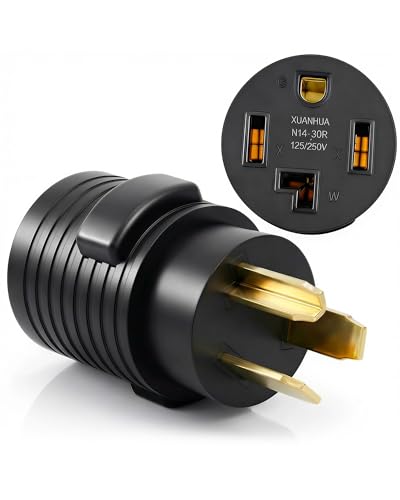
SIPIDEAUT 10-30P to 14-30R Dryer Adapter

Moogiitools 4-Prong to 3-Prong Dryer Adapter 1.5FT
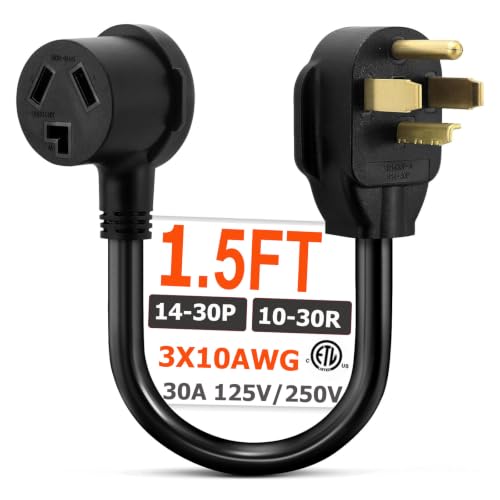
WimiSom 1.5FT 3-Prong to 4-Prong Dryer Adapter

SIPIDEAUT 10-30P to 14-30R Dryer Adapter 1FT

S7 3 to 4 Prong Dryer Adapter 1.67FT

SIPIDEAUT 14-30P to 10-30R Dryer Adapter
More On The Choices That Made The List
Most apartments and newer houses have a 4-prong outlet behind the dryer, which is the modern NEMA 14-30R configuration. If your dryer or shop tool still ships with a 3-prong plug, this SIPIDEAUT cord bridges that gap in seconds. The 1-foot flexible section gives you just enough slack to tuck the adapter behind a dryer without bowing the cord against the wall.
The molded housing feels solid in hand, and the prongs seat firmly into both the wall outlet and the appliance plug. Compared to a rigid adapter brick, the short cord absorbs pressure when you push the dryer back into its alcove, which tends to extend the life of both plugs.
Bright Spots
- 10/3 AWG cord rated for the full 30A draw that an electric dryer pulls, so voltage drop across the short run stays minimal.
- Molded, flame-retardant jacket adds a layer of safety in a laundry space where lint and heat meet.
- Plug-and-play setup means no rewiring, no tools, and no trip to the hardware store mid-laundry day.
- ETL listing for indoor and outdoor use expands its role beyond just the dryer.
Things To Consider
- At 1 foot, the cord is intentionally short; users with deep dryer alcoves may want the longer S7 version instead.
- An adapter is not a substitute for upgrading the home outlet, and code-conscious owners may prefer a permanent rewiring job.
Key Attributes
Right Fit For
Homeowners who have a newer 4-prong wall outlet but inherited an older 3-prong dryer or generator they want to keep running.
Swap It Out When
The longer S7 3 to 4 Prong Dryer Adapter suits you better when the dryer sits unusually far from the outlet and you need extra slack.
The reverse problem is just as common: an older 3-prong outlet behind the dryer and a brand-new appliance with a 4-prong cord. This straight-plug adapter from SIPIDEAUT handles that exact pairing with a one-piece design that sits nearly flush against the wall.
Without a flexible cord in between, the adapter minimizes the gap between the outlet and the appliance, which helps in shallow laundry closets. The NEMA 10-30P male side fits the older outlet shape directly, and the 14-30R female end accepts the modern cord.
Useful Strengths
- Compact footprint is friendly to tight dryer closets where every inch counts.
- Rated for 30A at 125/250V, matching the full operating range of a residential dryer circuit.
- Simple plug-to-plug connection removes the need to touch any wiring.
Worth Noting
- No flexible cord means it cannot relieve strain if the dryer sits tightly against the wall.
- Build details such as housing material are not specified in the source listing, so buyers should plan to inspect on arrival.
Best Suited To
Renters or homeowners in older properties who need to bridge a 3-prong wall outlet to a modern 4-prong dryer cord without rewiring.
Consider Something Else When
The Moogiitools 4-Prong to 3-Prong Dryer Adapter fits better for workshops that want the included safety ground wire for added bonding.
Shop owners and garage tinkerers often run into mismatched outlets more than the average homeowner does, especially when older 3-prong receptacles feed newer welders, plasma cutters, or 220V tools. The Moogiitools adapter addresses that with a 10 AWG STW cord rated for the kind of loads those machines draw.
The 1.5-foot run gives more reach than the typical 1-foot adapter, which helps when a piece of equipment cannot sit right against the wall. A separate safety ground pigtail extends the bonding path, a thoughtful touch in any shop environment where grounding matters.
Practical Pluses
- 10 AWG STW cord construction handles heavier shop loads comfortably.
- 1.5-foot length provides more slack than the standard 1-foot offerings.
- Included ground wire adds an extra bonding path beyond what the plugs alone provide.
- Rated for 220V at 30A, suitable for many common shop tools.
Points To Note
- Bulkier than plug-only adapters, so it may not tuck behind a household dryer as cleanly.
- Documentation on the ground wire attachment is minimal in the listing, so users should verify a solid connection before each heavy use.
Feature Snapshot
Who It Suits Best
Workshop owners and home shop hobbyists running newer 4-prong equipment off older 3-prong dryer outlets.
Look Elsewhere When
The SIPIDEAUT 14-30P to 10-30R Dryer Adapter is a better match for indoor laundry rooms where a slimmer, ETL-listed cord is preferred.
The WimiSom adapter covers both directions in a single product, which is helpful when you are not entirely sure which way your outlet and appliance need to match. Its 1.5-foot cord sits in a comfortable middle ground between the short 1-foot options and the longest offerings on this list.
The 10-30P to 14-30R configuration handles the most common retrofit scenario: an older home outlet paired with a newer dryer cord. For most laundry rooms, the reach is enough to keep the cord from kinking against the wall.
Key Advantages
- 30A rating at 250V covers the upper end of residential dryer draw.
- 1.5-foot cord offers flexibility without adding bulk.
- Solid fit between plug and receptacle keeps the connection stable through repeated vibration cycles.
Trade Offs
- Construction details such as jacket material are not fully specified, so inspection on arrival is wise.
- Users wanting extra-sturdy molded ends may prefer the SIPIDEAUT models.
Made For
Homeowners midway through a laundry room update who want a flexible intermediate-length adapter without committing to a full rewiring project.
Not Your Match When
The S7 3 to 4 Prong Dryer Adapter is a better pick for unusually deep closets that demand the longest reach in this list.
Older garages and outdoor subpanels often still rely on 3-prong dryer outlets, while newer equipment arrives with 4-prong cords. SIPIDEAUT’s UV-resistant housing makes this adapter a reasonable match for installations that see sunlight, dust, or temperature swings beyond a climate-controlled laundry room.
The 1-foot flexible section still absorbs strain when the appliance rests against the wall, and the ETL listing covers both indoor and outdoor environments.
Practical Advantages
- UV-resistant molded housing holds up to sunlight exposure that would yellow basic plastic adapters over time.
- Flame-retardant jacket adds reassurance in outdoor enclosures.
- Rated 30A at 125/250V for full dryer circuit compatibility.
- ETL listing covers both indoor and outdoor use cases.
Minor Gripes
- The 1-foot length can feel short in installations where the appliance must sit farther from the wall.
- Adapters used outdoors should still be shielded from direct rain for long-term reliability.
Feature Snapshot
Perfect Match For
Garage workshops, outdoor kitchens, or shed subpanels where the outlet and the appliance have different prong configurations.
Another Choice May Suit
The Moogiitools 4-Prong to 3-Prong Dryer Adapter fits better when a longer cord and an extra ground wire matter more than UV resistance.
Some laundry closets place the wall outlet far enough from the dryer alcove that a standard 1-foot adapter bows or kinks. The S7 adapter stretches to roughly 1.67 feet, which gives the most reach of any option in this roundup and helps when the dryer cannot sit flush against the wall.
The 14-30P to 10-30R configuration matches the common case of a newer 4-prong outlet feeding an older 3-prong appliance. The flexible cord section pulls double duty as strain relief, keeping pressure off both plugs.
A Favorable Mix
- Longest cord length in the roundup, helpful for awkward outlet placements.
- Flexible cable acts as built-in strain relief for the wall outlet.
- Plug-to-outlet configuration suits the most common retrofit scenario.
Honest Caveats
- Longer cable means more slack to manage behind the dryer, which some users may find messy.
- Specific build certifications are not listed in the source data, so inspection on arrival is sensible.
Quick Facts
Who Should Grab It
Apartments and older homes where the dryer alcove is deep and a short adapter would force the appliance out from the wall.
Where A Sibling Pick Shines
The SIPIDEAUT 14-30P to 10-30R Dryer Adapter is the better pick for indoor laundry rooms where a tighter 1-foot cord keeps things tidy.
EV chargers and modern subpanels often tap into the same 14-30R outlet shape that newer dryers prefer, while older power tools and appliances still carry 10-30P plugs. This straight-plug SIPIDEAUT adapter handles that swap without any rewiring, which keeps the install fast for first-time users.
The NEMA 14-30P male side locks into the modern outlet, and the 10-30R female end accepts the older appliance cord. For most people reaching for a quick fix, the plug-and-play approach removes a lot of guesswork.
What Pays Off
- 30A straight-blade design fits standard NEMA 14-30R receptacles used by many EV charging circuits.
- Supports up to 7,500W at 250V, comfortable headroom for dryer-class loads.
- Straight plug keeps the adapter close to the wall in shallow closets.
- Helpful for homeowners transitioning older appliances across outlet upgrades.
Small Caveats
- Without a flexible cord, the adapter cannot absorb pull force if the appliance rests against the wall.
- Safety certifications beyond basic ratings are not specified, so users should inspect on arrival.
Built With In Mind
Homeowners bridging a newer 4-prong outlet to an older 3-prong appliance, including power tools and some EV charger setups.
A Better Fit Elsewhere
The WimiSom 1.5FT 3-Prong to 4-Prong Dryer Adapter is a stronger match when the install needs more reach than a straight plug allows.
What Matters Most Before Choosing A 4 Prongs To 3 Prong Dryer Adapter
Match The Plug And Receptacle Direction
Every adapter on this list is directional, meaning it converts in one direction only. Before picking one, identify which prong pattern your wall outlet has and which your appliance cord has. The two NEMA configurations that matter here are 10-30 (3-prong, the older setup) and 14-30 (4-prong, the modern setup). The wrong direction simply will not seat.
Check The Cord Gauge And Length
A dryer circuit carries a substantial load, so the wire gauge inside the adapter matters. 10 AWG copper is the common standard for these adapters, and the cord length usually runs from 1 foot to about 1.67 feet. Longer cords add reach in deep closets, but a tight install often benefits from a shorter run that tucks cleanly behind the appliance.
Think About The Environment
Indoor laundry rooms rarely stress an adapter, but garages, outdoor kitchens, and sheds introduce UV light, temperature swings, and dust. Molded, UV-resistant housings hold up better in those spots, while flame-retardant jackets add reassurance anywhere lint or shop debris can collect near the cord.
Confirm The Load Rating
A residential electric dryer typically draws up to 30A at 250V, which is the upper limit for this whole category. Adapters rated at 30A give the comfort of full headroom. Going lower can overheat the cord under sustained load, so matching the circuit’s rating is a small but important step.
Key Considerations Across These Picks
Common Shopping Slip Ups
Buyers often pick the wrong direction by assuming a 4-prong cord always means a 4-prong outlet, but older homes sometimes have a 4-prong dryer sitting on a 3-prong circuit. A quick look at the wall outlet before ordering saves a return. Another misstep is underestimating cord length; a 1-foot adapter looks generous until the dryer alcove turns out to be deeper than expected.
What The Higher Tier Buys
The pricier models in this category tend to add ETL safety listings, UV-resistant housings, and thicker 10 AWG conductors throughout. For indoor laundry use, a basic adapter often does the job. For outdoor installs, garages, or shop environments where heat and dust build up, the upgraded jacket materials and third-party listings pay back through longer service life and reduced worry.
Frequently Asked Questions
Are these adapters safe for daily dryer use?
Yes, when the adapter matches the circuit rating (typically 30A at 125/250V) and the cord gauge is 10 AWG copper. An adapter is a temporary bridge, not a replacement for proper home wiring, so inspect the plugs periodically for heat or discoloration.
Can I use one adapter outdoors?
Several models on this list carry ETL listings for outdoor use, including the SIPIDEAUT UV-resistant options. Even so, shielding the connection from direct rain extends its life and is the safer long-term approach.
Will an adapter work for EV charging or shop tools?
Some 14-30 circuits feed EV chargers and welders that pull similar loads to a dryer. An adapter rated for 30A at 250V is appropriate for those uses, but always confirm the tool’s amperage draw before relying on an adapter for high-demand equipment.
Do I need an electrician to install one?
No tools or rewiring are required for any adapter on this list. Plug the male end into the wall outlet and the appliance cord into the female end, then push the dryer back into place.
Which direction do I need for my home?
Look at the wall outlet first. Three slots mean you need a 10-30P to 14-30R adapter for a newer 4-prong appliance. Four slots mean a 14-30P to 10-30R adapter for an older 3-prong appliance or tool.
Final Verdict
The right 4 Prongs To 3 Prong Dryer Adapter comes down to matching your wall outlet, your appliance cord, and the space between them. Pick the direction first, then choose the cord length and housing that fit your laundry room or workshop. Any of the adapters above will get a dryer running the same day, without a service call.
