

I spent weeks sorting through battery cable listings, and the category is messier than it looks. Every product page shouts about copper, gauge, and flexibility, but the real differences live in the details: terminal size, jacket quality, strand count, and whether the cable is actually cut and crimped with care. This roundup pulls together six solid options covering full cable runs, short jumper leads, terminal lugs, and a few specialty picks for hobbyists. The goal is simple: help you match the right cable to your build, whether you’re wiring a camper, finishing a car audio upgrade, or assembling a solar setup.
A Snapshot Of The Selections
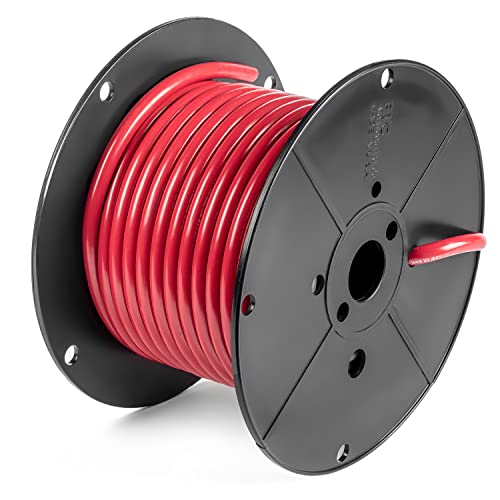
Spartan Power Battery Cable, 100% Pure Copper Wire, Automotive, Inverter, MPPT, RV Trailer

Spartan Power Battery Cable 1 Foot 4 Gauge AWG Wire Set 5/16″ M8

TKDMR 10 PCS 4 AWG – 3/8 Battery Cable Lugs Copper Wire Ring Terminals
KEDAKEJI 2 AWG Battery Cable Pure Copper Inverter Cables with 5/16″ Lugs (5FT)

Apex RC EC3 to 4mm Banana Plug Battery Charge Lead Adapter (2 Pack)

MOOKEERF 4 Gauge Battery Cable 3FT Red + 3FT Black, Oxygen-Free Copper
The Strengths Of Each Pick
Full-length battery cable runs are where the Spartan Power cable earns its keep. It uses pure copper rather than copper-clad aluminum, which matters because CCA (copper-clad aluminum) carries less current for the same gauge and runs hotter under heavy load. The PVC jacket stays flexible in cold weather, so routing around a battery tray or behind an amp rack feels less like wrestling a garden hose.
It’s a practical fit for RVers, off-grid builders, and anyone wiring an inverter or MPPT charge controller over a longer distance. Compared with the short Spartan Power lead reviewed below, this one gives you the freedom to choose your own length and cut it down to suit your specific layout.
What Earns Its Place
- Pure copper conductor holds up under sustained high-amperage loads without voltage drop surprises.
- Flexible PVC jacket simplifies routing through tight engine bays and behind wall panels.
- Multiple length options from 10 to 50 feet let you order only what your build actually needs.
- Made in the USA construction appeals to shoppers who prioritize domestic manufacturing.
- Versatile enough for automotive, marine, RV, and renewable energy projects alike.
Things To Consider
- Bare cable means you’ll need to source your own terminals, heat shrink, and crimping tools to finish the ends.
- Longer lengths can be overkill for compact car audio installs where a 3-foot run would do.
- Common owner feedback notes the jacket can scuff during tight pulls, so plan grommets where the cable passes through metal.
Who It Suits Best
Anyone planning a full-length battery-to-inverter or battery-to-amp rack run in an RV, camper, or off-grid setup who values pure copper and flexible insulation.
Where Another Pick Suits Better
For a tight engine bay where you need a pre-terminated short lead, the Spartan Power 1 Foot cable (Pick 2) saves you the crimping step entirely.
The 1-foot Spartan Power lead solves a very specific problem: you need a clean, factory-crimped short cable and you don’t want to wrestle with a lug press. Both ends arrive fitted with tinned copper ring terminals sized at 5/16 inch (M8), ready to bolt onto a starter, ground point, or distribution block.
It’s a clean pick for switch-to-starter wiring, secondary ground straps, and battery monitor shunts. Shoppers who own a crimper but dislike the inconsistency of hand-finished cables tend to reach for pre-built leads like this. Compared with the bare-roll Spartan Power cable, this one trades flexibility for convenience.
Practical Pluses
- Pre-crimped tinned copper terminals resist corrosion in humid engine bays and marine environments.
- Heat-shrink sealed ends reduce the risk of moisture wicking into the cable jacket over time.
- 12-inch length works perfectly as a starter-to-bus-bar jumper or auxiliary ground strap.
- Pairs well with Spartan Power ANL fuse kits for a tidy fused feed.
Worth Noting
- Only 1 foot long, so this won’t help for any run longer than a few inches between components.
- 5/16″ ring holes won’t fit larger M10 or M12 studs without drilling or stepping up to a different lug.
- Single-pack quantity means you’ll need to order multiples for jobs requiring more than one short lead.
At A Glance
Made For
Mechanics, weekend wrenchers, and installers who want a factory-finished short cable for starters, grounds, or accessory feeds without buying a crimping setup.
Skip It When
You need a longer run from battery to inverter or amp rack; the Spartan Power bare cable (Pick 1) is the better starting point in that scenario.
For DIYers who already own cable by the spool and just need the ends, TKDMR’s 10-pack of copper ring terminals fills the gap. Each lug is sized for 4 AWG wire with a 3/8 inch ring opening, and the bundle ships with dual-wall adhesive heat shrink tubing in red and black for color-coding positive and negative leads.
Annealed copper (copper that’s been heat-treated for easier shaping) makes these lugs easier to crimp than harder brass alternatives, and the closed-end barrel design grips the cable firmly once compressed. They’re a sensible match for custom solar builds, golf cart rewires, and home backup battery banks where you want to terminate your own runs cleanly.
Bright Spots
- Ten lugs per pack plus ten pieces of color-coded heat shrink covers a multi-cable project in one order.
- 3/8″ ring fits larger battery posts and inverter studs common in higher-amperage setups.
- Annealed copper crimps more cleanly under standard hex or hammer-style crimpers.
- Surface treatment helps slow corrosion on the exposed copper after stripping.
Minor Gripes
- Lugs only: no cable included, so this is a parts-bin purchase rather than a complete cable solution.
- You’ll still need a crimping tool, heat source, and wire stripper to finish the job properly.
- 3/8″ ring is too large for compact M8 starter studs, so plan lug size to match your hardware.
Best Suited To
DIY builders assembling custom battery cables for solar arrays, golf carts, or marine setups who already have a crimper and want lugs in bulk.
A Better Fit Elsewhere
If you’d rather skip the crimping tool entirely and just bolt on a finished lead, the Spartan Power 1-foot cable (Pick 2) arrives ready to install.
The KEDAKEJI set ships as a matched red-and-black pair at 2 AWG, which is one gauge thicker than the rest of this list. That extra copper cross-section translates to less voltage drop over the same distance, which matters when you’re feeding a 1000W or larger inverter from a battery bank several feet away.
Both cables arrive pre-terminated with 5/16″ ring terminals on each end, so installation is essentially bolt-on. It’s a natural fit for solar battery banks, marine trolling motor setups, and any place where a beefier gauge protects equipment from sag under load. The 2 AWG spec also gives you a margin of safety if your future loads grow.
What Makes Sense
- 2 AWG cross-section carries higher continuous current with minimal voltage drop over 5-foot runs.
- Red and black paired cables simplify polarity management in inverter or solar installs.
- Pre-crimped 5/16″ lugs on both ends cut install time down to mounting hardware.
- Pure copper construction avoids the extra heat buildup common with CCA cables.
Points To Note
- Only 5 feet long, which limits placement options between battery and inverter.
- Stiffer than 4 AWG, so routing through tight bends requires careful planning and larger bend radii.
- Single length option means extending requires additional cables and butt connectors.
Quick Facts
The Right Fit
Solar and off-grid installers running mid-size inverters who want a plug-and-play cable pair that won’t choke current at full load.
Look Elsewhere When
You only need a 4 AWG short lead for a car audio amplifier; the Spartan Power 1-foot option (Pick 2) is lighter and easier to route in that case.
This one sits in a different corner of the cable universe. The Apex RC adapter bridges an EC3 device connector (the polarized plastic plug common on LiPo and LiFe battery packs for RC vehicles) to standard 4mm banana jacks, which most hobby chargers accept. It’s not a battery-to-inverter cable; it’s a bench tool for charging.
The pair ships with two 12-inch leads built from 14 AWG silicone wire, which stays supple even when cold and resists the kind of cracking that plagues PVC jackets after years of flexing. Hobbyists who run multiple RC batteries through a single charger will appreciate having two leads on hand to swap packs faster.
Useful Touches
- Two-lead pack lets you stage one battery on charge while prepping the next.
- Silicone insulation stays flexible in cold garages and unrolls without kinking.
- 4mm banana output works with the vast majority of hobby chargers on the market.
- 12-inch length is short enough to keep a tidy charging bench without cable clutter.
Honest Caveats
- 14 AWG wire limits current; this is a charge lead, not a discharge or power feed cable.
- EC3 connectors suit specific RC packs; XT60 or Deans-equipped batteries need a different adapter.
- Specialty use means it won’t help anyone wiring an automotive, marine, or solar system.
Who Should Grab It
RC hobbyists charging LiPo or LiFe packs with EC3 connectors through a banana-jack charger who want a tidy, flexible bench setup.
Reach For A Different Pick When
You’re wiring a vehicle, solar array, or any high-amperage DC system; the Spartan Power cable (Pick 1) or KEDAKEJI pair (Pick 4) fit those jobs.
MOOKEERF leans into the welding-cable heritage with a high strand count (469 strands of 0.24mm copper), which is what gives the cable its noticeably soft hand. Oxygen-free copper (OFC) is the same conductor grade often used in audio applications because it resists oxidation at the contact surface better than standard copper over time.
It’s a comfortable pick for tight engine bays where stiffness would force awkward routing, and the 3-foot red-and-black pair suits compact battery-to-amp or battery-to-fuse-block runs. Rated for 600V and a wide temperature range, the cable shrugs off underhood heat and cold-start flexing. Compared with the Spartan Power bare cable, this one arrives cut and ready for terminal installation.
A Few Strong Suits
- 469-strand construction makes the cable noticeably more flexible than standard 4 AWG.
- 3-foot paired red and black covers most compact accessory feeds.
- Rated from -40°F to +221°F for year-round engine bay and underhood reliability.
- Oxygen-free copper resists surface oxidation at stripped ends over time.
A Few Limitations
- Bare ends still require your own lugs, heat shrink, and crimping to finish the install.
- 3 feet is short for any rear-battery or long inverter feed.
- Higher strand count cable carries a slightly higher cost per foot than standard 4 AWG.
Spec Overview
Whose Shelf It Belongs On
Car audio installers, custom fabricators, and off-grid hobbyists who need a flexible, short-run 4 AWG pair for tight spaces.
Swap It Out When
You want a pre-crimped lead with no extra work; the Spartan Power 1-foot cable (Pick 2) arrives ready to bolt on.
What Matters Most Before Choosing 4 Awg Battery Cables
Conductor Material and Gauge
Pure copper carries more current per gauge than copper-clad aluminum (CCA), and it runs cooler under sustained load. For most automotive and marine 12V systems, 4 AWG handles 80 to 150 amps depending on length, which covers alternators, mid-size inverters, and amplifier feeds. Voltage drop is the hidden enemy: a cable that’s too thin or too long sags voltage at the load, dimming lights, throttling motors, and starving inverters. As a rule of thumb, longer runs need thicker gauges to keep drop under 3%.
Terminal Type and Fit
Ring terminal size has to match the stud you’re bolting to. 5/16″ (M8) is the most common for battery posts and many bus bars, while 3/8″ suits larger inverter studs. Pre-crimped leads save time but limit you to specific lengths and stud sizes. Bare cable with separate lugs gives flexibility but adds the cost of a crimper and the skill to make a clean, low-resistance joint.
Jacket Quality and Flexibility
A flexible jacket matters more in tight engine bays and behind dashboards than the spec sheet suggests. Welding-cable-style high strand counts bend easily and resist cracking in cold weather, while cheaper PVC jackets stiffen up and can split after years of vibration. Look for a temperature rating that covers your environment, especially under the hood or in unheated garages.
Application Match
A golf cart rewire, an RV inverter feed, and a car audio amp run all use similar cable, but the priorities differ. Automotive installs prioritize flexibility and heat tolerance, marine setups prioritize corrosion resistance (tinned terminals help), and solar battery banks often prioritize low voltage drop over distance. Picking the right cable means picking the one whose trade-offs match your project, not just the one with the thickest copper.
Key Considerations Across These Picks
Pitfalls Shoppers Hit
The biggest mistake is grabbing CCA cable thinking it’s a deal. CCA cables carry less current, run hotter, and corrode faster at the strands, which translates to voltage sag under load. Another common slip is choosing cable length by feel rather than measuring the actual run, which leaves either too much slack coiled up (wasting copper and trapping heat) or too little to reach cleanly. Always measure the route, add a small service loop, and order accordingly.
Where The Extra Money Goes
Premium cables justify their cost through higher strand counts for flexibility, purer copper for lower resistance, and tighter manufacturing tolerances on the jacket. Tinned copper terminals cost more but pay back in marine and humid environments where bare copper turns green. Pre-crimped leads with sealed heat-shrink ends cost more than bare cable but eliminate the most common failure point: a poorly crimped lug. For occasional garage use, budget cable is fine; for daily-driver reliability or marine exposure, the upgrade usually pays for itself.
Frequently Asked Questions
What gauge battery cable do I need for a 1000W inverter?
A 4 AWG cable handles roughly 1000W at 12V across a short run, but the exact gauge depends on your cable length and how much voltage drop you can tolerate. For runs longer than about 5 feet, stepping up to 2 AWG keeps voltage drop under 3% and protects your inverter from sagging input voltage.
Is tinned copper worth it for battery cables?
Tinned copper resists corrosion at the terminal-to-stud contact, which matters in marine, off-road, and humid environments. For a sealed garage install with mild climate, bare copper is fine. Anywhere moisture or road salt is in play, the small upcharge for tinned terminals usually pays off in longer service life.
Can I use welding cable for battery cable?
Welding cable is rated for high strand counts and flexibility, so it works electrically for low-voltage DC battery use as long as the gauge and insulation rating suit your current load. Many off-grid and audio builders reach for welding cable specifically because it bends more easily than standard battery cable. The MOOKEERF pick in this list is built on that welding-cable philosophy.
How long should my battery cables be?
Measure the actual routing path from battery to load, including any bends around frames or through grommets, then add a small service loop for future servicing. Excess cable coiled up near the battery can trap heat and waste copper; a taut run puts stress on terminals. The KEDAKEJI pair covers a typical 5-foot inverter feed, while the Spartan Power 1-foot lead handles tight starter and ground jumpers.
Do I need to crimp or can I solder battery lugs?
Crimping is the standard for battery lugs because a properly crimped joint maintains mechanical strength and low resistance over years of vibration. Soldered joints can crack under repeated flexing and heat cycling, especially in engine bays. If you don’t own a hex or hammer crimper, a pre-terminated lead like the Spartan Power 1-foot cable sidesteps the tool investment.
Closing Remarks
The right 4 AWG battery cable depends entirely on the project in front of you: full-length custom runs, short pre-terminated leads, bulk lugs, or a specialty charge adapter. Match the conductor to the environment, the terminal size to the stud, and the jacket flexibility to the routing path. With those basics locked in, any of these six picks should serve the build well.
