

A safety switch is one of those things you don’t think about until you need it, then you really need it. For anyone running a workshop, a detached garage, a hot tub circuit, or a small solar setup, the right disconnect lets you kill power to a piece of equipment without walking all the way back to the main panel. I put together this shortlist of Fixoasis options across different amp ratings, pole configurations, and fused versus non-fused designs, so you can match the switch to the job instead of the other way around.
A Closer Look At The Lineup

FixOasis 3P 60 Amp Disconnect, New Ground Design

FixOasis 3P 30 Amp Disconnect, New Ground Design

FixOasis 3P 60 Amp Fused Disconnect, NEMA 3R Rated

FixOasis 2P 60 Amp Disconnect, New Ground Design
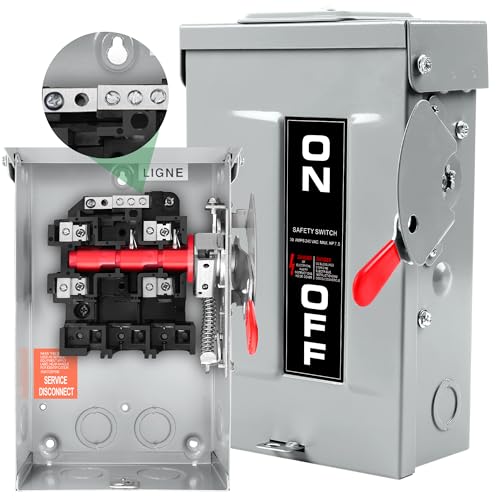
FixOasis 2P 30 Amp Disconnect, New Ground Design
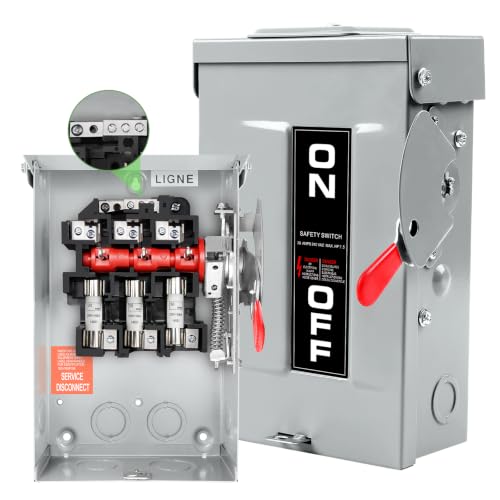
FixOasis 3P 30 Amp Fused Disconnect, NEMA 3R Rated
Meet The Standout Selections
For shops running heavier three-phase loads, the FixOasis 3P 60 Amp Disconnect offers a sturdy cutoff point right where the work happens. I like that it’s rated for 120V/240V service with a 14000W capacity, which gives you real headroom over a 30A model without ballooning in physical size.
It carries a NEMA 3R rating, so it tolerates rain and dust when mounted outside against a wall or on a post. Compared with the FixOasis 3P 30 Amp Disconnect in the next slot, this one is the step-up for owners of large air compressors or sizable sub-panels who need that extra amp ceiling.
The Practical Payoff
- Heavy-gauge steel housing holds up to bumps in a busy garage.
- Three-pole design works for 240V loads with a neutral leg included.
- 14000W capacity leaves comfortable headroom for motor-start surges.
- NEMA 3R rating means outdoor mounting is fair game.
- Upgraded ground bar simplifies bonding during install.
Things To Consider
- Larger enclosure footprint than a 30A unit, so plan your mounting location first.
- Non-fusible design means short-circuit protection still depends on the upstream breaker.
Key Specs
Whose Workbench It Belongs On
Anyone running a sizable three-phase load, like a heavy air compressor or a sub-panel feeding a detached shop, who wants a weatherproof cutoff close to the equipment.
Skip It When
A simpler 240V appliance like a water heater is all you’re protecting, in which case the FixOasis 2P 30 Amp Disconnect is a more proportionate match.
The FixOasis 3P 30 Amp Disconnect fills a useful middle ground for shop owners who need three-pole control without paying for a 60A chassis. I see it as a natural fit for water heaters, large air compressors, and solar arrays that call out 30A three-pole service.
It shares the same NEMA 3R enclosure language as the 60A version above, so weatherproofing is not a downgrade. The trade-off shows up in amp capacity: bigger equipment that draws more current still needs the 60A sibling.
Practical Pluses
- Right-sized for typical 240V three-wire equipment on a 30A breaker.
- Same corrosion-resistant steel cabinet as the larger FixOasis units.
- NEMA 3R enclosure works outdoors without extra shielding.
- Ground bar upgrade simplifies the bonding step during install.
Worth Noting
- Limited headroom for motors that surge past 30A at startup.
- Owners commonly report that the enclosure’s knockouts need careful filing for thicker conduit.
Who Should Grab It
Homeowners and small-shop owners running 240V three-wire gear like water heaters, compressors, or solar inverters on a 30A circuit.
Look Elsewhere When
Your equipment routinely pulls more than 30A, in which case the FixOasis 3P 60 Amp Disconnect offers the safer ceiling.
The FixOasis 3P 60 Amp Fused Disconnect is the unit I reach for when short-circuit protection matters as much as a manual cutoff. Fused disconnects sit upstream of the equipment and clear faults faster than a breaker alone, which makes them a common sight on commercial HVAC and pump skids.
It’s built for 110V/240V service, housed in a NEMA 3R-rated steel cabinet, and aimed at harsh-weather sites. Compared with the non-fused 60A version above, this one adds a fuse block into the package and shifts the value proposition toward code-driven installations.
Features That Help
- Integrated fuse block adds a layer of overcurrent defense.
- NEMA 3R enclosure handles rain, sleet, and dust outdoors.
- Steel body with anti-corrosion coating suits coastal or humid sites.
- Three-pole layout matches common 240V commercial loads.
- Suited to light-industrial and commercial service calls.
Points To Keep In Mind
- Fuses are consumables; you’ll need to stock replacements for the right amperage.
- Larger and heavier than the non-fused 60A unit, so mounting takes more planning.
Feature Snapshot
Right Fit For
Contractors and facility owners who need a fused, weather-rated disconnect for outdoor commercial equipment like HVAC units or pump stations.
Consider Something Else When
You’re protecting a simple residential 240V appliance without a fuse requirement, where the FixOasis 2P 30 Amp Disconnect is a lighter, simpler match.
The FixOasis 2P 60 Amp Disconnect earns its spot through pure wiring-room generosity. This model is built with enhanced wire bending clearance and four-side knockouts, which translates to less cursing when you’re feeding thick conductors into the box.
It’s a 120V/240V non-fusible two-pole design rated to 14000W. For someone who re-tasks the same disconnect across multiple jobs, the easier knockout access and bigger bend radius are a real time-saver.
Well-Handled Touches
- Four-side knockouts give flexibility for conduit entry on any job site.
- Extra wire bending space eases termination of larger gauge conductors.
- Two-pole layout suits 240V appliances without a neutral.
- NEMA 3R enclosure handles indoor or outdoor mounting.
Trade Offs
- 60A capacity may be overkill for simple residential loads.
- Owners may find the bigger enclosure awkward in tight mechanical rooms.
Made For
Electricians and serious DIYers who re-wire frequently and value easier conduit entry and conductor termination.
A Better Fit Elsewhere
Most homeowners protecting a single 30A appliance will find the FixOasis 2P 30 Amp Disconnect a more proportionate size for the job.
For most homes, a 30A two-pole disconnect is the everyday workhorse. The FixOasis 2P 30 Amp Disconnect handles water heaters, well pumps, and small sub-panels without excess capacity you’ll never use.
It’s a 120V/240V non-fusible design in a NEMA 3R steel cabinet, so it can live near the equipment it serves, inside or out. Compared with the 60A two-pole sibling above, this one is the proportionate choice when current draw stays at or below 30A.
Useful Highlights
- Right-sized for common 240V household appliances.
- Compact steel cabinet fits tight mechanical rooms.
- NEMA 3R rating covers indoor or outdoor mounting.
- Ground bar upgrade simplifies bonding during install.
Small Caveats
- Limited headroom for motor loads that surge past 30A.
- Non-fusible means short-circuit clearing still relies on the main panel breaker.
Quick Facts
Perfect Match For
Homeowners protecting a single 240V appliance like a water heater or well pump on a 30A breaker.
Not Your Match When
You’re running a heavier 60A feed, where the FixOasis 2P 60 Amp Disconnect offers safer headroom.
The FixOasis 3P 30 Amp Fused Disconnect rounds out the list as a compact, fused option for outdoor three-pole loads. Think irrigation pumps, AC condensers, or light commercial equipment that benefits from a local fuse and a manual cutoff.
It’s rated for 110V/240V service in a NEMA 3R steel enclosure, and pairs well with circuits where the local inspector wants fused protection at the disconnect. Compared with the 60A fused sibling above, this one is the right size when the load stays within a 30A envelope.
Practical Advantages
- Fuse block adds overcurrent protection at the equipment.
- Compact three-pole footprint fits alongside outdoor HVAC units.
- NEMA 3R enclosure tolerates rain and dust in exposed locations.
- Anti-corrosion coated steel cabinet for long-term outdoor service.
Potential Drawbacks
- Fuse replacements add a small ongoing maintenance step.
- 30A ceiling rules out equipment that draws more current.
At A Glance
Best Suited To
Owners of outdoor pumps, AC condensers, or other 240V gear on a 30A circuit who want fused protection at the disconnect.
Swap It Out When
Your load pulls above 30A, in which case the FixOasis 3P 60 Amp Fused Disconnect offers the room you need.## Picking The Right Disconnect For The JobAmp rating sets the first boundary. A disconnect that handles less current than the load is unsafe, while one rated far above the equipment wastes money and adds bulk. Most homeowners land on 30A, while workshops with heavier motors or sub-panels step up to 60A.Pole count comes next. Two-pole switches control 240V appliances with hot and neutral. Three-pole switches add a third conductor, which is required for some 240V equipment, certain solar inverters, and three-wire circuits where a separate neutral or switched leg is part of the design.The fused versus non-fusible question changes the protection profile. A fused disconnect clears short circuits faster and is often required by code for HVAC equipment and commercial pump circuits. Non-fusible units rely entirely on the upstream breaker for fault clearing, which keeps the install simpler and cheaper for ordinary residential loads.The enclosure rating, NEMA 3R, tells you how the box handles the elements. 3R is the right call for outdoor walls or posts, and it also tolerates damp basements and garages without issue. Indoor-only NEMA 1 boxes are lighter, but they fail quickly when rain reaches them.## What To Weigh Before You ClickThe wire bending space inside the box matters more than people expect. A disconnect with generous bend radius and multiple knockout sides saves real time during install, especially with thicker conductors. The FixOasis 2P 60A unit leans into that idea.Mount the disconnect where it is visible from the equipment it serves. Local codes usually require line-of-sight placement, and the rule is also a safety win: you want to see the lever throw before you put your hands near the conductors.Match the disconnect to the breaker. A 30A disconnect on a 60A breaker is an undersized safety device, while a 60A disconnect on a 30A breaker is just expensive overkill.### Common Slip Ups Worth SkirtingThe biggest mistake is buying a non-fused disconnect when local code calls for fused protection, especially on HVAC and commercial pump equipment. Inspectors do flag this, and rework costs more than buying the right box the first time.Outdoor mounting without confirming the enclosure rating is the next common miss. A NEMA 1 indoor box on a backyard post lets in rain within a season, which corrodes the switch internals and creates a real hazard.### What The Higher Tier Buys YouStepping up to a 60A disconnect or a fused version isn’t about bragging rights. The 60A chassis gives you more wiring room and amp headroom for future equipment swaps, while fused protection shortens fault-clearing time and may be required by your local authority having jurisdiction. For a workshop that will grow, that margin is worth paying for up front.## Frequently Asked Questions**Do I need a fused or non-fusible disconnect?**Fused disconnects add a local fuse that clears short circuits faster and are commonly required for HVAC units, pumps, and commercial gear. Non-fusible disconnects work fine for ordinary residential appliances where the upstream breaker handles fault protection.**Can I mount any of these switches outdoors?**Every unit on this list carries a NEMA 3R rating, which covers rain and dust exposure. Mount them on a wall, post, or sturdy flat surface and verify line-of-sight to the equipment they control.**What is the difference between 2-pole and 3-pole?**Two-pole disconnects handle 240V circuits with two hot legs and a neutral. Three-pole units add a third conductor, which is needed for some 240V equipment, certain solar inverters, and three-wire configurations with a switched leg.**Is a disconnect the same as a breaker?**Not quite. A breaker lives in your main panel and protects the wiring from overcurrent. A disconnect sits near the equipment and gives you a local way to cut power for service, lockout, or emergencies.**Do I need an electrician to install one?**Local codes vary, and many jurisdictions require a licensed electrician for hardwired 240V work. Even confident DIYers usually pull a permit and have the install inspected.## Closing RemarksThe right 30 amp safety switch comes down to matching amp rating, pole count, and fused protection to the equipment on the other end of the wire. Take ten minutes to confirm the breaker size, voltage, and any local code requirements, then pick the model that fits. That’s the difference between a disconnect that just sits there and one that actually earns its keep.
