

Anyone who has wired up a golf cart accessory, retrofitted a trailer, or tried to run a 12V appliance from a wall outlet knows the small frustration of mismatched voltage. A solid 120 to 12 volt converter turns that friction into clean, usable power, and choosing the right one matters more than most spec sheets admit. I pulled together seven options worth a serious look, mixing AC-to-DC wall adapters with DC step-down units for vehicles, so the right match should jump out within a few scrolls.
A Fast Comparison Of The Options

dkplnt 30A 360W Golf Cart 36V/48V to 12V Converter
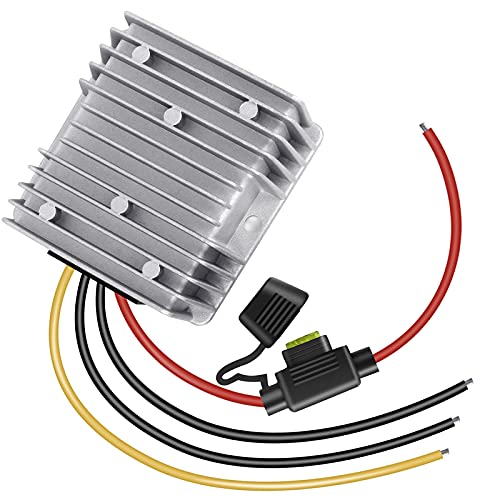
dkplnt 20A 240W Golf Cart 36V/48V to 12V Converter with Fuse
dkplnt 120W 10A Golf Cart 36V/48V to 12V Converter

ALITOVE 120V to 12V 13A 156W AC to DC Adapter

inShareplus 12V 16.5A 200W LED Power Supply

BINZET DC-DC Step Down Buck Converter Voltage Regulator
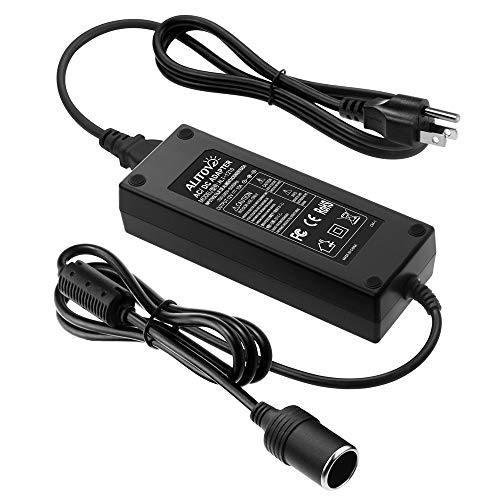
ALITOVE 110V to 12V 10A 120W AC to DC Car Adapter
Inside Each Recommended Option
This is the workhorse tier of the lineup. The dkplnt 30A 360W converter steps 36V or 48V battery packs down to a fixed 12V output, which makes it a natural fit for golf carts running larger LED light bars, multiple accessories, or under-seat sound systems. Compared with the smaller dkplnt units later in this list, this one carries noticeably more current headroom, so it stays cooler when accessories stack up.
The aluminum housing and silicone sealing give it real outdoor credibility. For owners running carts in coastal air or chasing weekend trail dust, that ruggedness matters more than raw wattage on paper.
A Favorable Mix
- Handles demanding accessory loads without choking
- Sealed aluminum body suits damp under-seat mounting
- Conversion efficiency close to 96 percent, less wasted heat
- Broad input range covers both 36V and 48V carts
- Built-in protection against overload and short circuits
Things To Consider
- Overkill for owners running only a single light strip
- Proper wire gauge matters at 30A, light cabling gets warm
- Bulkier than lower-wattage siblings, tight battery compartments may struggle
Who It Suits Best
Golf cart owners running multiple high-draw accessories who want one converter that will not flinch under load.
Consider Something Else When
The dkplnt 20A 240W converter is a friendlier match for owners only adding a radio and small lights, where the extra capacity here goes unused.
The 20A 240W dkplnt converter sits in the comfortable middle of the cart lineup. It accepts a wide 30 to 60V input window, so it works on both 36V and 48V systems without a second thought. Where the larger 360W sibling flexes for heavy accessory banks, this one is sized for the typical radio-plus-lights upgrade.
An integrated fuse adds a small but welcome layer of protection that the 30A unit relies on internal circuitry alone to deliver. The aluminum shell with silicone sealing should hold up fine under a cart seat, though owners with tight battery bays may want to measure first.
Useful Touches
- Inline fuse protection is a thoughtful add for safety
- Efficiency approaching 97 percent keeps waste heat low
- Sealed build holds up to light moisture exposure
- Covers most common cart accessory setups without strain
Worth Noting
- Will not keep up with stacked high-wattage light bars
- Mounting hardware and detailed install guidance are minimal in the package
Made For
Cart owners running a sensible mix of stereo, lights, and phone chargers who value the inline fuse for a little extra confidence.
Look Elsewhere When
Anyone running four 30W LED bars and a winch should bump up to the dkplnt 30A 360W converter for proper headroom.
Small carts and modest accessory lists do not need much, and that is exactly where this 10A 120W unit earns its keep. It tucks into tight battery compartments where the larger dkplnt converters simply will not fit, and it still carries the same sealed aluminum housing. For owners adding a horn, basic lights, or a USB charging port, this converter handles the job without excess bulk.
The 30 to 60V input range keeps it compatible across the usual 36V and 48V cart configurations, so there is no second-guessing which model to pick for a given battery pack.
Standout Benefits
- Tidy footprint fits cramped cart battery bays
- Solid efficiency for a small step-down unit
- Sealed housing offers reasonable outdoor durability
- Lightweight, easier to route and secure during install
Trade Offs
- Limited capacity for larger LED bars or audio amplifiers
- Runs warmer when pushed near its ceiling
Best Suited To
Cart owners with smaller battery bays and basic accessory needs who want a tidy, fuss-free converter.
Skip It When
Anyone adding serious lighting or sound gear will appreciate the breathing room of the dkplnt 20A 240W converter instead.
Shifting from carts to garages, the ALITOVE 120V to 12V adapter takes household AC and turns it into usable DC for 12V gear. The 11.5-foot cord is the sort of detail that quietly saves frustration, since the outlet rarely sits next to the project. Owners powering car vacuums, fridges, or air compressors from a bench outlet will appreciate not having to babysit a short cable.
At 13A and 156W, this lands in the middle of the ALITOVE lineup, with enough capacity for most plug-in car accessories without stepping into the larger 200W inShareplus tier.
Practical Advantages
- Long cord reaches across a workshop without an extension
- Solid mid-tier capacity covers most car accessories
- Built-in over-voltage and short-circuit safeguards
- Universal 100 to 240V input handles variable shop power
Room For Improvement
- Not suited to sustained loads beyond its 156W rating
- Fan-cooled units in this class tend to run audible under heavy draw
Right Fit For
Garage tinkerers and homeowners who run 12V car accessories off a standard wall outlet and want a generous cord length.
A Better Fit Elsewhere
The inShareplus 12V 200W supply is the stronger pick for permanent LED strip installations that need sustained wattage.
The inShareplus 12V 200W supply targets a different audience than the cart converters earlier in this list. It accepts AC from 110 to 250V and delivers steady regulated DC for LED strip runs, lighting modules, and similar 12V projects. Where the ALITOVE adapters feel like generalists, this one is purpose-built for permanent indoor lighting work.
The metal enclosed body helps with heat dissipation, which matters when the supply is hidden inside a cabinet or mounted near insulation. For longer LED runs that draw sustained current, this is the right class of gear.
The Helpful Details
- Generous 200W capacity for extended LED strip runs
- Wide AC input window works across regions
- Metal case supports steady thermal performance
- Built-in protection against overvoltage, overcurrent, and overheating
- Auto-recovery after fault conditions clear
Points To Note
- Best kept at 85 percent of rated load for long-term reliability
- Enclosed body benefits from decent ventilation in tight installs
Perfect Match For
Lighting installers and homeowners running multi-strip 12V LED projects that need sustained, regulated output.
Swap It Out When
The ALITOVE 156W adapter is a more practical match for occasional car accessory use from a wall outlet.
The BINZET buck converter fills a specific slot on this list: 24V down to 12V for automotive, marine, and surveillance work. It uses full waterproof potting, which means the internals are sealed against moisture and vibration, a real plus under a vehicle dash or in an engine bay. Compared with the AC adapters higher up, this is firmly a DC-to-DC piece for wiring projects.
It claims conversion efficiency above 90 percent and includes short-circuit recovery, so a brief fault clears on its own without manual reset. Owners wiring up LED displays, railway signal gear, or custom automotive accessories should feel comfortable with the protection suite.
A Few Highlights
- Fully potted waterproof construction for harsh installs
- Auto-recovering short-circuit protection
- Efficiency above 90 percent in normal use
- Compact form factor for tight engine bay or panel spots
Soft Spots
- Not designed for cart 36V or 48V battery systems
- Mounting hardware is minimal in the package
Who Should Grab It
Auto and marine wiring enthusiasts who need a sealed DC step-down for 24V source systems.
Reach For A Different Pick When
Golf cart owners need the dkplnt 30A or 20A converter, which targets 36V and 48V packs specifically.
The original ALITOVE 10A 120W adapter closes out the list as a familiar everyday pick. It carries the same 100 to 240V universal input as its higher-wattage Pro Max sibling, just with a smaller capacity and a shorter 8-foot cord. For people who only need to power a car vacuum or inflator indoors a few times a month, this is plenty.
It is the kind of adapter that lives in a closet and quietly does its job. Compare that to the inShareplus 200W unit, which is more of a permanent install piece, and the role of this ALITOVE model becomes clear: portable, occasional, and dependable.
Points In Its Favor
- Compact size stores easily in a drawer or shelf
- Solid safety suite for short intermittent sessions
- Universal AC input works in most households
- More approachable price tier than higher-wattage units
Honest Caveats
- Cord is shorter than the larger ALITOVE adapter
- Not built for sustained loads near the 120W ceiling
Whose Shelf It Belongs On
Casual users who run small 12V car accessories from a wall outlet a few times a month and want a tidy, dependable adapter.
Not Your Match When
Anyone powering a 12V cooler for a long weekend should step up to the ALITOVE 156W Pro Max for the extra headroom.
What To Weigh Before Choosing A 120 To 12 Volt Converter
The first split is AC-to-DC versus DC-to-DC. Wall-outlet adapters like the ALITOVE and inShareplus units convert household power into 12V for car accessories and lighting. DC step-down converters like the dkplnt cart units and the BINZET buck converter take an existing DC battery system and drop it to 12V for accessories that need a different voltage than the main pack.
Wattage is the next checkpoint. Owners running small accessories can land comfortably around 120W, but stacked light bars, sound systems, or cooling fans push the need upward. Matching wattage to roughly 1.3 times the expected load gives a comfortable safety margin.
Build quality matters more outdoors. Sealed aluminum housings and silicone potting protect against moisture, dust, and vibration. Indoor projects worry less about this, but garage or under-hood installs benefit from genuinely sealed designs.
Finally, protection circuitry is the quiet hero. Built-in overcurrent, overvoltage, and thermal shutdown features keep a small wiring mistake from becoming a costly one. Inline fuses add an extra layer for cart wiring where the stakes feel higher.
Key Considerations Across These Picks
Mistakes Worth Dodging
Picking a converter based on wattage alone is a common slip. Owners forget to check input voltage range, then end up with a unit that refuses to recognize their 48V battery pack. Always match the input window to your system first, then size the wattage.
Another trap is ignoring cable gauge. A 30A converter on thin wire gets hot fast and wastes the efficiency you thought you were buying. Sizing wire to current load keeps the system honest and the install safe.
When Paying More Pays Off
Higher-tier converters earn their keep in three places: thermal headroom, sealing quality, and protection circuitry. A premium 200W supply like the inShareplus unit runs cooler under sustained load, which translates into longer component life. Outdoor-rated sealing protects against the slow creep of moisture damage, and richer protection suites catch faults a basic unit would miss. For permanent installs or heavy accessory banks, the upgrade pays back through reliability rather than raw features.
Frequently Asked Questions
What Is The Difference Between AC To DC And DC To DC Converters?
AC to DC converters pull power from a wall outlet and convert it into 12V DC for car-style accessories. DC to DC converters take an existing battery voltage, like 24V or 48V, and step it down to 12V for accessories on the same system.
Can A 120 To 12 Volt Converter Power A Car Refrigerator?
Most car refrigerators draw under 60W while running, so a 120W or higher adapter handles continuous use comfortably. Running the compressor startup surge, a 156W or 200W adapter gives better headroom.
How Do I Know What Wattage I Need?
Add up the wattage of every accessory you plan to run at the same time, then multiply by roughly 1.3 to give the converter thermal headroom. Pick the next size up if your total lands near a converter’s rating.
Are Waterproof Converters Necessary For Golf Carts?
Sealed or waterproof converters are strongly recommended for carts because of under-seat moisture, grass clippings, and vibration. Sealed aluminum housings with silicone sealing hold up far better than open PCB designs.
Can I Run Multiple Accessories From One Converter?
Yes, as long as the combined draw stays under the converter’s rated wattage with margin. Wire accessories through a fused distribution block to keep individual circuits protected.
