

Anyone who has spent a night in an RV or tried to run a car vacuum from a wall outlet knows the frustration. Your battery drains, your devices flicker, and the wrong adapter turns a simple charging job into a guessing game. A solid 110 to 12 volt converter bridges that gap cleanly, turning shore power into the steady DC current your gear actually wants. I pulled together seven options that cover the common cases: built-in RV charger replacements, plug-in adapters for car appliances, and a portable inverter for the opposite direction.
The Leading Options At A Glance

sdanbom PM4 55Amp RV Power Converter

sdanbom PM4 55Amp RV Power Converter (Three-Stage)
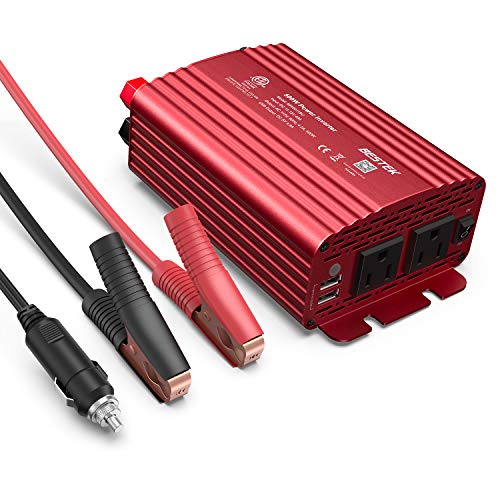
BESTEK 500W Power Inverter DC 12V to 110V AC

sdanbom PM4 100Amp RV Power Converter

IMAYCC AC to DC Converter 110V to 12V 50A

whcusmm 300W 25A Converter for Diesel Heaters
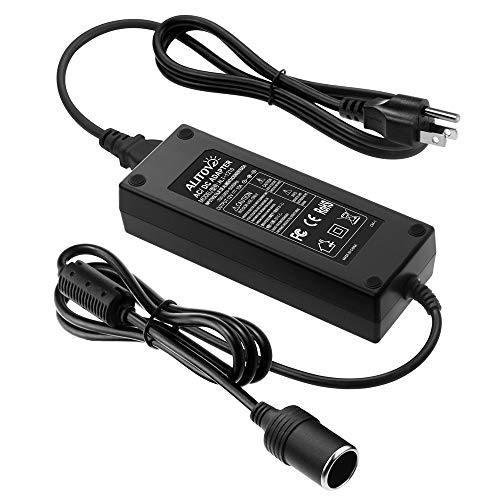
ALITOVE AC to DC Converter 110V to 12V 10A
The Strengths Of Each Pick
This PM4 unit sits squarely in the middle of the RV converter market, which is exactly where most travelers end up shopping. It accepts standard 110V to 120V AC shore power and hands it off as 12V to 16.5V DC, a range that covers both running your interior lights and topping off a depleted house battery. The built-in four-stage smart charger is the real highlight: bulk, absorption, float, and equalization happen automatically, so you can leave the RV plugged in all winter without cooking the batteries.
For a family running a mid-size trailer with a fridge, a few LED lights, and a water pump, 55 amps is comfortable headroom. Owners commonly report clean output that does not bleed into nearby radio or TV signals, which matters when you are trying to catch a game from a campground pedestal.
What Pays Off
- Four-stage charging protects battery lifespan during long plug-in storage
- Clean DC output avoids the static and buzz that plague cheaper converters
- Replaces a wide range of legacy RV converters without rewiring
- 55A rating handles typical trailer loads without straining
Things To Consider
- Wiring it in still requires basic electrical comfort and a fuse block
- Cooling fan noise can be noticeable in a quiet cabin at night
At A Glance
Right Fit For
Weekend RV owners with a 30-amp trailer who want set-and-forget battery maintenance.
Where Another Pick Suits Better
Full-time RVers running high-draw inverters will want the sdanbom PM4 100Amp RV Power Converter for its extra headroom.
The sibling to the first PM4, this version swaps the four-stage charger for an automatic three-stage profile and tunes the cooling fan to stay off until the unit actually heats up. For light sleepers, that detail is the whole story: no constant whir when the fridge cycles on at 2 a.m. It still delivers the same 55 amps of clean DC output that makes the PM4 line popular.
The trade-off is fewer charging stages, which matters if you store your RV plugged in for months. For folks who mostly weekend-camp and disconnect between trips, three stages is plenty.
What It Does Well
- Variable-speed fan stays silent under light loads
- Three-stage charging covers most battery chemistries well
- Same 55A output as the four-stage sibling
- Lower fan runtime means less dust pulled into the chassis
Worth Noting
- Lacks an equalization stage, so long-term storage topping-off is less precise
- Still a hardwired install, so factor in a service call if you are not handy
Best Suited To
Campers who camp occasionally and want a quiet cabin at night.
Look Elsewhere When
Full-timers leaving the RV plugged in for weeks should pick the sdanbom PM4 55Amp RV Power Converter with its deeper charging logic.
This BESTEK unit flips the script: it takes 12V DC from your car battery and turns it back into 110V AC. That makes it the right tool for tailgating, work-site power, or charging a laptop from a jump-starter pack. The 500-watt continuous rating covers most small appliances, and the dual AC outlets plus two USB ports mean you can run several gadgets at once without juggling adapters.
It clamps directly to a battery, which is both a strength and a quirk. You get genuine high-draw capability, but you also need to pop the hood or sit near the battery, depending on where you mount it.
Why It Works Well
- 500W continuous handles laptops, small fans, and battery chargers for camera gear
- Alligator clamps connect directly to any 12V battery for off-grid AC power
- Dual USB ports charge phones and tablets without an extra wall wart
- ETL listing provides third-party safety verification
Trade Offs
- Direction is DC to AC, so it does not replace an RV converter
- Battery clamp setup means it is not a clean plug-and-play experience
Perfect Match For
Drivers who need AC power from a car or truck for tools and electronics on the road.
Reach For A Different Pick When
RV owners wanting to convert shore power down to 12V DC should look at the sdanbom PM4 55Amp RV Power Converter instead.
Step up to 100 amps and you stop worrying about whether the converter can keep up. Big motorhomes with residential fridges, residential HVAC, and a long string of LED lights pull serious current, and this PM4 is built for exactly that workload. It carries the same four-stage smart charging profile as the 55-amp sibling, so battery health stays protected even when the rig sits plugged in for a season.
The honest read is that 100 amps is overkill for a teardrop trailer, but for a 50-amp Class A, it is the right baseline.
Where It Helps
- 100A capacity covers large coaches and accessory-heavy builds
- Four-stage charging extends battery life across long plug-in periods
- Clean output protects sensitive electronics from ripple noise
Honest Caveats
- Overspec for small trailers, where it adds cost without benefit
- Larger chassis demands more clearance space behind the breaker panel
Feature Snapshot
Built With In Mind
Full-time RVers and large motorhome owners with heavy 12V draw.
Swap It Out When
Anyone with a smaller trailer should consider the sdanbom PM4 55Amp RV Power Converter for a better size match.
Where the PM4 line is built into the RV wall, the IMAYCC sits on a workbench. Its aluminum shell and clamp-style terminals make it a clean power supply for 12V projects: ham radios, LED strip arrays, car audio bench testing, even powering a 12V fridge during a kitchen remodel. The dual-voltage input (110V to 120V or 220V to 240V) is unusually flexible for a home-shop unit.
Up to 50 amps at 600W is serious current, so make sure your wiring gauge and ventilation plan are ready for it.
Where It Delivers
- 50A output handles demanding 12V projects without bogging down
- Dual-voltage input broadens workshop compatibility
- Aluminum shell dissipates heat better than plastic enclosures
- Integrated wiring simplifies setup for repeat users
Points To Note
- Not a battery charger, so it does not replace an RV converter
- Requires careful ventilation because of the higher continuous draw
Quick Facts
Whose Shelf It Belongs On
Hobbyists and bench technicians running 12V electronics off standard wall outlets.
Consider Something Else When
RVers needing a permanent onboard charger should pick the sdanbom PM4 100Amp RV Power Converter instead.
This whcusmm adapter is purpose-built for one job: running a 5kW or 8kW diesel parking heater from a 110V wall outlet. That is a niche, but a real one. People who use their RV as a winter hunting cabin or a four-season ski rig rely on these heaters, and most heaters expect 12V from a battery. Plugging the rig into shore power and routing the heater through this box keeps the battery topped up and the cab warm at the same time.
Outside that specific use case, the rest of the lineup is more flexible.
The Value In It
- Tailored to 5kW and 8kW diesel heaters, no wiring guesswork
- Plug-in installation skips the permanent-mount step
- 25A output covers typical heater startup surges
Practical Considerations
- Limited use beyond diesel heater applications
- 300W ceiling means it cannot power general RV loads
Who Should Grab It
Cold-climate RVers with an all-in-one diesel heater who camp at powered sites.
Not Your Match When
Anyone needing general RV charging should grab the sdanbom PM4 55Amp RV Power Converter for broader utility.
The ALITOVE is the simplest piece in the bunch: plug it into a wall outlet, and it delivers 12V DC through a cigarette-lighter-style socket. That is enough to run a car vacuum, an inflatable pump, a travel cooler, or a roof-fan when you are not near the vehicle. For most people tinkering in a garage or apartment, that covers the common frustrations with 12V gear.
It is not a charger, and pushing it above 120W for long periods shortens its life. Treat it as a tool for the lighter end of 12V gear and it behaves well.
Points In Its Favor
- Plug-and-play simplicity needs no wiring skills
- 10A output runs most car vacuums and inflators comfortably
- Wide 100V to 240V input works on international outlets too
- Lightweight enough to toss in a road-trip bag
Possible Compromises
- Not a battery charger, so it cannot revive a dead RV house battery
- Running above 120W for extended sessions shortens its lifespan
Who Will Love This
Drivers who want to use 12V car accessories indoors or at a campsite without firing up the engine.
Skip It When
Anyone needing RV battery charging should reach for the sdanbom PM4 55Amp RV Power Converter.
Getting The Right Spec Match For Your Setup
The first decision is direction. AC to DC converters (the PM4 line, the IMAYCC, the ALITOVE, the whcusmm) take shore power and step it down to 12V for batteries or accessories. DC to AC inverters (the BESTEK) do the opposite, giving you wall-outlet-style power from a car battery. Choosing the wrong direction is the most common buying miss in this category.
Amperage matters more than most shoppers expect. A small trailer drawing a fridge, lights, and a water pump can live on 30 to 55 amps, but a residential-fridge coach will starve below 80 amps. Match the converter’s continuous output to your heaviest realistic load, not your average draw.
Battery charging profiles protect your investment. A multi-stage charger (bulk, absorption, float, equalization) prevents the slow damage that comes from sitting plugged in for months. If you store your RV through the off-season, that feature earns its cost.
Form factor closes the deal. Hardwired units become part of the RV, while benchtop and plug-in units stay portable. Hardwired gives you cleaner cable management; portable gives you flexibility for shop, cabin, and travel use cases.
Common Slip Ups Worth Dodging
Where Shoppers Go Wrong
Picking a converter based only on price is the trap I see most often. A bargain 20A unit feeding a coach wired for 55A will overheat and shorten battery life. Calculate your actual load before you fall for a deal.
Another miss is ignoring the cooling fan. Quiet cabins sound great in marketing copy, but a fan that never spins is a fan that lets the unit cook itself. Read how the fan behaves under load.
Where The Extra Money Goes
The jump from a generic single-stage converter to a four-stage PM4 unit pays for battery longevity. Equalization alone can add years to a deep-cycle bank, which is the most expensive component in your RV electrical system.
Premium aluminum housings, larger heat sinks, and tighter voltage regulation are the next tier of upgrades. For folks running sensitive electronics or off-grid solar, those details matter more than peak amperage.
Frequently Asked Questions
What is the difference between a converter and an inverter? A converter changes AC wall power into 12V DC for batteries and accessories. An inverter changes 12V DC battery power into AC wall-style power for regular outlets.
Can I use a 110 to 12 volt converter to charge my RV battery? Yes, the converter models in this list with multi-stage charging are designed to top off and maintain RV house batteries while plugged into shore power.
Will a 12V adapter damage sensitive electronics? Quality adapters regulate output cleanly enough for laptops, routers, and similar gear. Cheap unregulated units can introduce voltage spikes that shorten device life.
How many amps do I need for my RV? Small trailers with modest lighting and a fridge usually do fine at 30 to 55 amps. Larger motorhomes with residential fridges and HVAC typically want 80 to 100 amps.
Can I run a diesel heater off a regular wall outlet? Only with a converter built for that heater’s draw, like the whcusmm 300W unit, since most diesel heaters expect 12V battery input by default.
Closing Remarks
Start with the direction you need and the amperage your rig actually draws. From there, the choice between smart charging, quiet operation, or specialty use narrows quickly. Any of these seven will get the job done right when matched to the right setup.
