

Working with wires means dealing with tiny terminals, stubborn connectors, and buffer tubes that never want to behave. I spend a lot of time around folks fixing their own cars, doing low-voltage cabling, or just trying to pull a pin out of a connector without snapping it, and the right tool makes the difference between a clean job and a frustrating afternoon. These nine tool kits cover the common wire tasks most people actually face, from fiber tube scoring to automotive depinning and general mechanical picking. Each pick below reflects a different mix of size, scope, and budget, so you can match the kit to the work in front of you.
The Essentials At A Glance

Miller FTS Yellow Fiber Tube Scorer for Tubes 1.6–6.0 Millimeters

OEMTOOLS 26545 6 Piece Hook And Pick Set
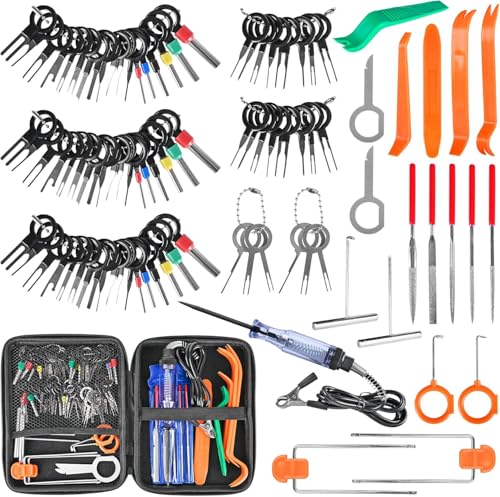
Terminal Removal Tool Kit 96 Pcs Depinning Electrical Connector Pin Extractor

Kikerike 139 Pcs Terminal Removal Tool Kit Depinning Electrical Connector
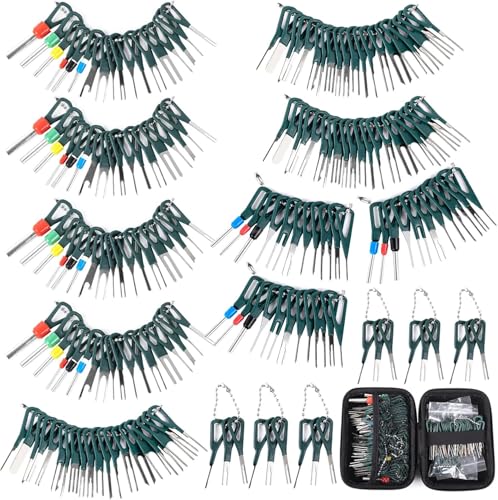
Terminal Removal Tool Kit 172 Pcs Depinning Pin Extractor Set

Terminal Removal Tool Kit 92 Pcs Depinning Electrical Connector Pin Extractor

Terminal Pin Removal Tool Kit 82 Pcs Depinning Electrical Connector Set (Black)

Kikerike Terminal Removal Tool Kit 45 Pcs Depinning Electrical Connector Pin Extractor

Terminal Removal Tool Kit 44 Pcs Depinning Electrical Connector Pin Extractor
The Details Behind The Selections
The Miller FTS Yellow Fiber Tube Scorer lives in a totally different lane than the automotive depinning kits below it, and that is exactly why it earns a place here. A buffer tube scorer is a small handheld tool that nicks the outer jacket of a fiber optic buffer tube so the technician can snap it cleanly and reach the individual fibers inside without slicing through them.
This unit is built for tubes between 1.6 and 6.0 millimeters in diameter, with wall thickness between 0.229 and 0.381 millimeters. The yellow body corresponds to one of three color-coded sizing options, which makes it easier to grab the right tool from a crowded bag. Compared to the depinning kits below, this is single-purpose by design, so its value comes from precision rather than variety.
Everyday Perks
- Color-coded yellow body helps identify the right sizing at a glance
- Compact enough to clip into a technician’s pouch without bulk
- Heavy-duty construction aimed at field technicians, electricians, and installers
- Designed specifically for buffer tubes, so the scoring depth is tuned to fiber work
Things To Consider
- Single-purpose: no help with terminals, picks, or general electrical tasks
- You will likely need the matching red and blue versions for a complete fiber toolset
- Commonly reported as needing steady hands to avoid scoring too deep on thinner tubes
Who It Suits Best
Fiber optic technicians and telecom installers who score buffer tubes as part of their regular workflow.
Where Another Pick Suits Better
Anyone doing automotive electrical work should reach for the Kikerike 139 Pcs Terminal Removal Tool Kit instead.
The OEMTOOLS 26545 set is the most general-purpose item on this list, which is a welcome change of pace after the highly specialized Miller scorer above. Hook and pick sets are slim, pointed hand tools that let you separate, position, or pry small parts in tight spaces where fingers and standard screwdrivers simply cannot fit.
This six-piece set uses thin stainless steel blades paired with acetate handles, with fine tips shaped for positioning wires, pulling small fuses, and removing gaskets or O-rings. The corrosion-resistant steel is a real ownership benefit because automotive fluids and shop grime tend to punish cheaper picks quickly. Compare that to the depinning kits below, which focus exclusively on electrical terminals.
A Few Highlights
- Stainless steel blades resist corrosion from solvents, oils, and shop moisture
- Acetate handles stay comfortable during long detailing sessions
- Fine tips handle wire positioning without damaging insulation
- Six different profiles cover most automotive pick and hook needs
Worth Noting
- No specialized terminal extractors, so it cannot replace a depinning kit for connector work
- Thin blades bend if forced on stubborn fasteners
Quick Facts
Made For
Mechanics, DIYers, and homeowners who need slim picks for gasket removal, fuse work, and wire positioning.
Not Your Match When
Folks focused on automotive connector pin extraction will get more use from the Terminal Removal Tool Kit 96 Pcs set.
The Terminal Removal Tool Kit 96 Pcs is a sensible entry point for anyone who has never owned a proper depinning kit. Depinning tools are slender sleeves or wedges that slide around a terminal pin inside a connector housing, releasing the locking tab so the wire can be pulled out cleanly without damaging the pin or the housing.
This set bundles 76 terminal removal pieces along with extras like a circuit tester, a diamond grip terminal cleaner, and a small trim removal kit. That broader mix is the real ownership benefit for beginners, since you can tackle connector work, light panel popping, and basic voltage checks from a single bag. Compared to the OEMTOOLS picks above, this kit trades versatility for connector focus.
What Makes Sense
- 76 pin extractor pieces cover a wide spread of common automotive terminal shapes
- Included circuit tester lets you check for voltage before disconnecting
- Stainless steel and high-hardness plastic construction resists deformation
- Protective bag keeps pieces from getting lost in a drawer
Trade Offs
- Some users commonly report duplicate pieces that crowd the kit without adding new sizes
- The included extras are functional but not particularly refined
Best Suited To
DIYers tackling their first automotive wiring repair who need a forgiving, all-in-one starter bundle.
Consider Something Else When
Shop owners wanting maximum piece variety should look at the Terminal Removal Tool Kit 172 Pcs instead.
The Kikerike 139 Pcs kit sits right in the sweet spot for someone who works on car wiring often but does not need every size ever made. It leans heavily on a mix of 45 single pin extractors, 72 double pin extractors, and 4 three pin extractors, plus 18 casing tools and a protective bag.
The stainless steel and plastic construction is similar to the 96-piece kit above, but the higher count of three-pin extractors gives better coverage on multi-pin connectors commonly found in modern engine bays. You may find the variety useful for European vehicles in particular, which tend to use more compact terminal layouts. That said, it is not dramatically different from the 96-piece kit, so the upgrade depends on whether you actually need those extra profiles.
Benefits That Matter
- 45 single pin extractors cover most single-wire terminals
- 72 double pin extractors handle the wider housings seen in door and dashboard harnesses
- Flexible stainless steel and plastic blend resists deformation on repeated use
- Protective bag keeps the kit portable between jobs
Points To Note
- Some pieces are duplicates, which makes the count feel inflated
- No circuit tester or trim tools included, unlike the 96-piece bundle
Who Should Grab It
Regular DIYers and weekend mechanics who want solid single and double pin coverage without paying for maximum count.
Skip It When
Professionals wanting the widest possible range should consider the Terminal Removal Tool Kit 172 Pcs set.
The Terminal Removal Tool Kit 172 Pcs is the broadest depinning set in this roundup, and that is its entire appeal. It contains 59 single pin extractors, 80 double pin extractors, 3 three pin extractors, and 30 casing tools, giving shops a deep bench of options without needing to special-order odd profiles.
The real-world ownership benefit here is reduced downtime: when a customer rolls in with an unfamiliar connector, you are more likely to find a match in this kit than in smaller bundles. The construction mirrors the 139-piece and 96-piece sets, using stainless steel and plastic for flexibility and durability. Keep in mind that more pieces also means more to keep track of, so the protective bag earns its keep.
Strengths Worth Knowing
- Highest piece count in the article for the widest connector coverage
- 30 casing tools help with releasing connector shells, not just pins
- Flexible steel and plastic blend holds up to repeated depinning cycles
- Protective bag supports transport between shop locations
Honest Caveats
- Some duplicate pieces mean the count is larger than the variety
- Larger kit takes up more bench or drawer space than slimmer options
Feature Snapshot
Perfect Match For
Small repair shops and mobile technicians who see varied connector types across different vehicle brands.
A Better Fit Elsewhere
Hobbyists who only work on a handful of connectors should save space with the Kikerike 45 Pcs Terminal Removal Tool Kit.
The Terminal Removal Tool Kit 92 Pcs is for people who want straightforward pin extraction without the bulk of a larger set. It includes 34 single pin extractors, 34 double pin extractors, and 24 casing tools, which covers the most common terminal types without a lot of padding.
The trade-off versus the 96-piece kit above is fewer extra tools but a more focused depinning experience. In our view, this works well for someone who already owns trim tools and just needs the actual extractor sleeves. The same stainless steel and high-hardness plastic blend keeps it consistent with the rest of the Kikerike line.
Notable Upsides
- 34 single and 34 double pin extractors handle common terminal layouts
- 24 casing tools support shell release before pin work
- Streamlined count makes it easier to organize in a small toolbox
- Stainless steel and plastic construction resists deformation under normal use
Less Ideal Details
- No three-pin extractor included, so multi-pin housings may need a different set
- Less variety than the 172-piece option for unusual connector shapes
Whose Shelf It Belongs On
Home mechanics who already own trim tools and want a lean, focused depinning kit without excess.
Reach For A Different Pick When
Multi-pin connectors are common in your work, in which case the Kikerike 139 Pcs kit offers better coverage.
The Terminal Pin Removal Tool Kit 82 Pcs (Black) differentiates itself by including a proper protective case, which is a small but meaningful upgrade over the loose bags that ship with most kits in this category. Inside the case you get 28 single pin extractors, 30 double pin extractors, and 24 casing tools.
The included case means less time spent digging through a drawer hunting for the right sleeve, and it also protects the sharp extractor tips from dulling on other metal tools. Compared to the 92-piece kit above, the count is similar, but the storage solution makes this the better pick for a bench-mounted workflow.
Why It Works Well
- Rigid protective case keeps each sleeve in its own slot
- Sharp extractor tips stay protected from contact with other metal tools
- Single and double pin extractors handle the most common depinning tasks
- Black case is easier to spot on a crowded bench than a clear bag
Small Caveats
- Slightly fewer pieces than the 92-piece kit at a similar focus level
- Case takes up more shelf space than a soft pouch
The Right Fit
Garage owners and hobbyists who want a tidy, bench-friendly kit with a proper hard case.
Look Elsewhere When
Folks wanting maximum piece count should reach for the Terminal Removal Tool Kit 172 Pcs instead.
The Kikerike Terminal Removal Tool Kit 45 Pcs is the most compact option in the roundup, and it pairs well with people who only do occasional electrical work. Inside you get 13 single pin extractors, 18 double pin extractors, 1 three pin extractor, 12 casing tools, a small wire cutter, and a protective bag.
The added wire cutter is a thoughtful touch that you will appreciate when trimming a wire before reseating it in a new terminal. Compared to the larger Kikerike sets, this 45-piece kit is more forgiving for storage in a kitchen drawer or a single car trunk. It is not the right choice for a busy shop, but for the occasional household or hobby fix, it covers the bases.
Practical Advantages
- Compact 45-piece count fits easily in a household drawer or small toolbox
- Included wire cutter supports trimming wires before reseating
- Single, double, and three pin coverage for varied terminal types
- Protective bag keeps pieces together during transport
Room For Improvement
- Limited piece variety compared to the 96, 139, and 172 piece kits
- Small cutter is useful but not a substitute for a full dedicated wire tool
Feature Card
Who Will Love This
Homeowners and weekend tinkerers who need a compact kit for occasional wiring fixes.
Swap It Out When
Frequent automotive electrical work calls for the broader Terminal Removal Tool Kit 96 Pcs bundle.
The Terminal Removal Tool Kit 44 Pcs stands out by adding a car light circuit tester pen and a tread depth measuring tool to a compact depinning set. That combination makes it appealing for someone who wants a couple of diagnostic extras without buying a full electrical tester separately.
Inside the kit you get 11 single pin extractors, 18 double pin extractors, 1 three pin extractor, and 12 casing tools. The tester pen is handy for checking whether a circuit is live before disconnecting a connector, which is exactly the kind of step people skip until they regret it. Compared to the 45-piece kit above, this trades the wire cutter for a tester pen, so the choice depends on which tool you would rather have at hand.
Where It Helps
- Included circuit tester pen supports quick voltage checks before disconnecting
- Single, double, and three pin coverage for varied terminals
- Tread depth gauge adds value for anyone also doing basic tire checks
- Protective bag keeps the kit together in a glove box or trunk
Minor Gripes
- Lowest single-pin count in the roundup at 11 pieces
- Tester pen is a basic diagnostic, not a substitute for a full multimeter
Built With In Mind
Drivers and homeowners who want a compact depinning kit with simple voltage testing built in.
Another Choice May Suit
Folks needing a wire cutter instead of a tester should consider the Kikerike 45 Pcs Terminal Removal Tool Kit.
What Matters Most Before Choosing Tool Kits For Working With Wires
Match The Kit To Your Connector Type
Start by identifying whether you mostly deal with automotive electrical connectors, fiber optic buffer tubes, or general mechanical separation work. A depinning kit is built around releasing terminal pins from plastic housings, a fiber tube scorer is built around nicking buffer jackets, and a hook and pick set is built around moving small parts in tight gaps. Picking the wrong family wastes money no matter how nice the kit looks on paper.
Decide Between Breadth And Focus
Larger depinning kits like the 172-piece and 139-piece options give you more size variety, which pays off in a shop setting. Smaller sets like the 44, 45, or 82 piece kits are easier to store and still cover the most common terminals. For home use, focused kits tend to win because the rare sizes often sit unused for years anyway.
Check The Materials And Storage
Stainless steel blades and high-hardness plastic sleeves resist deformation and corrosion in a shop environment. A protective bag keeps pieces together, while a hard case, like the one on the 82-piece kit, protects sharp tips and speeds up bench work. Both materials and storage affect how long the kit actually lasts.
Mind Real-World Add-Ons
Extras like circuit testers, tread depth gauges, or wire cutters can shift the value calculation noticeably. A circuit tester helps you confirm a circuit is dead before pulling a connector, which is a habit worth building. Decide which add-ons genuinely match the work you do before paying for them.
Key Considerations Across These Picks
Mistakes Worth Dodging
Counting pieces as the main selling point is a trap many shoppers fall into. A 172-piece kit with 30 duplicates is not actually more useful than a 92-piece kit with genuinely distinct sizes. Skipping the storage case to save a small amount upfront also tends to backfire when extractors go missing in a drawer.
What Separates Premium From Basic
Higher-tier depinning kits usually add wider size variety, more durable steel blends, and a proper hard case rather than a loose pouch. The case alone changes how often you actually use the kit, because a tidy bench setup invites use while a messy bag invites avoidance. Whether that upgrade makes sense depends on how often you reach for these tools in a typical month.
Frequently Asked Questions
Do I really need a dedicated depinning kit?
Standard needle-nose pliers can yank wires out, but they tend to deform the terminal or break the locking tab inside the housing. A proper depinning kit releases the tab first so the pin slides out intact, which matters if you plan to reuse the connector.
Can one kit cover both cars and household wiring?
Most depinning kits are designed around automotive connector standards, but the same pin extractors often work on appliance and electronics connectors. For pure household low-voltage work, a smaller set like the 44 or 45 piece kit is usually enough.
What is the difference between single and double pin extractors?
Single pin extractors fit around one wire at a time and work inside compact housings, while double pin extractors handle wider housings with two wires side by side. Many connectors use both layouts, which is why kits include both types.
How do I know which extractor size to use?
The right sleeve should slide snugly around the terminal without forcing. Picking one that is too small crushes the pin, and one that is too large fails to release the locking tab. Starting from a middle size and working outward tends to find the match fastest.
Are fiber tube scorers relevant for non-fiber work?
They are very specialized tools, so outside of telecom and fiber installations they rarely earn their keep. For wire harnesses, low-voltage cabling, and automotive work, a depinning or hook and pick set will be far more useful day to day.
The Takeaway
A good tool kit for working with wires should match the connectors and cables you actually touch. Fiber specialists get the most from the Miller FTS scorer, mechanics and detailers will lean on the OEMTOOLS hook and pick set, and anyone doing automotive electrical work should focus on the depinning kits sized to their workload. Match the kit to the connector, pick the size variety you will realistically use, and the right choice tends to become obvious.
