

A good portable generator quietly earns its place in a household, on a job site, or at a tailgate without anyone really thinking about it until the lights flicker. I put this list together for homeowners, RV travelers, and apartment dwellers who want backup power that doesn’t rattle the windows or take up the whole garage. Whether you’re prepping for storm season, planning a weekend off-grid, or just want something compact for the occasional outage, the right wattage and the right noise level matter far more than marketing buzzwords.
A Side-By-Side Look

Honda EU2200i 2200W Inverter Generator

STARYLINE 1000W 1024Wh LiFePO4 Power Station

Honda EU2200iTAG CO-Minder Inverter Generator Bundle

IGAN Generator Running Tent Cover (Orange)
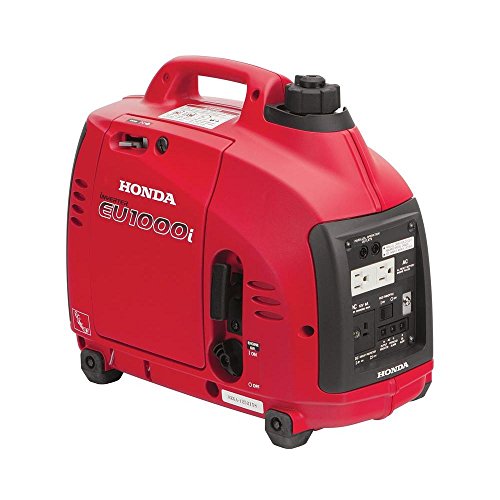
Honda EU1000T1A 1000W Inverter Generator

STARYLINE 1000W 1024Wh Portable Power Station

Westinghouse iGen2200 Inverter Generator
The Strengths Of Each Pick
The Honda EU2200i has been a default answer in the small generator world for years, and the EU2200ITAN variant keeps that reputation intact. An inverter generator (a unit that produces clean, stable power safe for electronics) outputs cleaner electricity than older open-frame designs, so plugging in a laptop or a modern fridge won’t make you nervous.
For most homes, this unit covers the realistic essentials: a fridge, a few lights, a phone charger, and a Wi-Fi router during a multi-hour outage. It’s quieter than a hair dryer at typical loads, which matters when you’re running it under a bedroom window at 2 a.m.
Points In Its Favor
- 2200W peak and 1800W running covers fridges, fans, and small kitchen appliances in one pass.
- Inverter-grade output keeps laptops, CPAP machines, and modern TVs safe from power fluctuation.
- Honda’s Eco-Throttle (a smart idle feature that slows the engine under light loads) stretches fuel and quiets things down when only a phone is plugged in.
- Compact body fits in a trunk or small shed without dedicated storage space.
- Parallel-ready, so two units can be linked together through a separate cable for double the output.
Things To Consider
- Doesn’t run a central AC or a 240V appliance; whole-home backup isn’t realistic.
- Owners commonly note the recoil start (a pull-cord starter) takes a firm pull, especially cold.
- No built-in CO sensor, unlike the EU2200iTAG bundle covered below.
Who Should Grab It
Homeowners and RV travelers who want quiet, reliable power for essentials during short outages or weekend trips.
Look Elsewhere When
If you want a unit you can safely run inside a garage or attached space, the Honda EU2200iTAG bundle with CO-Minder is a better match.
This is the first entry in this list that’s a battery power station rather than a gas generator, and that distinction changes everything about where you can use it. The LiFePO4 chemistry (lithium iron phosphate, a long-life battery type) means zero fumes, near-silent operation, and zero fuel storage headaches.
A 1024Wh capacity translates into meaningful real-world numbers: multiple phone and laptop charges, several hours of Wi-Fi router, and enough headroom for a mini-fridge during a short blackout. For an apartment dweller or anyone running CPAP equipment at night, the silence alone justifies the choice.
Real Benefits
- Silent operation makes it usable indoors and on nightstands.
- 1024Wh of capacity covers phones, laptops, lights, and small appliances through a typical evening outage.
- Multiple output ports let you charge a phone while running a small fan without juggling outlets.
- Optional solar panel pairing extends runtime far from any wall outlet.
Worth Noting
- 1000W output can’t run a hair dryer, microwave, or anything with a heating element at full power.
- Capacity drains faster than expected with anything above 500W, so planning matters.
Made For
Apartment residents, CPAP users, and digital nomads who want backup power without ventilation concerns.
Consider Something Else When
If you need to run a fridge plus a microwave simultaneously during an outage, the Honda EU2200i is a more capable match.
The EU2200iTAG takes the standard EU2200i and adds Honda’s CO-Minder system, which is a carbon monoxide sensor that shuts the engine down if fumes build up in an enclosed or semi-enclosed space. For homeowners who plan to run their generator close to a garage, carport, or open window, that single feature is the reason to choose this bundle.
The included parallel cables also future-proof the purchase. If your power needs grow, two of these can be linked for roughly double the output without replacing what you already own.
Useful Touches
- Built-in CO sensor adds meaningful protection in attached garages or covered patios.
- Parallel cables included, so expansion costs nothing extra later on.
- Same inverter-grade output as the standard EU2200i, safe for sensitive electronics.
- Compact frame fits easily behind a workbench or in a closet corner.
Room For Improvement
- Costs more than the standard EU2200i, which makes it less compelling if you only run it outdoors.
- The CO-Minder sensor requires occasional testing to stay reliable.
Best Suited To
Family households and suburban homeowners with attached garages who want an extra layer of safety during storm-season outages.
Skip It When
Outdoor-only users with plenty of clearance will save money with the standard Honda EU2200i instead.
The IGAN tent cover is an accessory, not a generator, but it earns its place on this list for a specific reason: it lets you run a small inverter generator in rain or snow without soaking the unit. The tarpaulin shell and metal base frame keep the sensitive top and exhaust areas dry while leaving enough airflow to prevent overheating.
It’s a smart companion piece to the Honda EU2200i or the Westinghouse iGen2200 covered below. For storm-prone regions, this cover turns a fair-weather backup into something you can actually rely on when weather hits.
Noteworthy Benefits
- 100% waterproof tarpaulin material shrugs off rain and wet snow during operation.
- Tool-free assembly makes setup and breakdown quick between uses.
- Compatible with most 1000 to 2300W inverter generators, so it pairs with several picks on this list.
- Bright orange color improves visibility in low-light or storm conditions.
Points To Note
- It’s an accessory, not a standalone power source; you’ll still need a generator.
- Ventilation is reduced compared to fully open-air operation, so high ambient temperatures may shorten runtime.
The Right Fit
Storm-prep households and rural homeowners in wet-weather regions who want year-round generator usability.
Reach For A Different Pick When
If you only run a generator in fair weather or only need indoor-friendly power, the STARYLINE LiFePO4 power station serves you better.
The EU1000T1A is Honda’s lightest inverter unit, and for tent campers, tailgaters, and anyone running just a couple of small devices, that weight difference matters more than raw wattage. At 1000W peak, it won’t power a microwave or a hair dryer, but it handles lights, phones, and small fans for hours on a single tank.
Compared to the larger EU2200i covered earlier, this model trades capacity for portability. If you’re loading gear into a truck bed or a kayak-camping setup, the smaller footprint is the deciding factor.
A Few Highlights
- Lightest Honda inverter option, easy for one person to carry short distances.
- Eco-Throttle keeps noise low and fuel use modest under light loads.
- Oil Alert protects the engine from damage during low-oil situations.
- Inverter-grade output is safe for laptops and phone charging without extra adapters.
Minor Gripes
- Won’t run a fridge plus anything else; one major appliance at a time is the rule.
- Recoil start pulls harder than expected when the engine is cold.
Who Will Love This
Solo campers, tent trailers, and anyone with low-wattage needs who values weight savings above all else.
Swap It Out When
If your goal is whole-room backup during a storm outage, the Westinghouse iGen2200 delivers more headroom for a similar footprint.
The second STARYLINE entry on this list differs mainly in styling and finish. Where the earlier LiFePO4 model is a more utilitarian package, this one ships in three color choices, which matters for shared spaces, living rooms, and visible corners where aesthetics count.
Performance matches the spec sheet: 1000W output and 1024Wh of storage handle phones, laptops, lights, and small kitchen appliances like kettles during shorter tasks. It’s well-suited to RV travel, multi-day camping, and short home emergencies.
Features That Help
- Three color options blend into living spaces and RV interiors without standing out.
- 1024Wh capacity covers a laptop workday with capacity to spare.
- Optional 200W solar panel bundle supports multi-day off-grid use.
- Multiple output ports let you run several small devices at once.
Less Ideal Details
- 1000W ceiling blocks anything with a high startup surge, like a microwave or heater.
- Recharging from a wall outlet takes several hours; solar input requires clear skies.
Perfect Match For
Style-conscious homeowners, RV travelers, and casual campers who want silent backup without the gas-and-oil routine.
Another Choice May Suit
For pure power capacity and gas-runtime reliability, the Honda EU2200i still wins on continuous wattage.
The Westinghouse iGen2200 occupies the same wattage class as the Honda EU2200i but at a more approachable footprint and weight. At just over 47 pounds, it’s noticeably easier for one person to move around the yard or load into a vehicle.
For a homeowner who wants reliable backup power without paying a premium for the Honda name, this unit covers the essentials. Two 120V outlets plus USB ports give you flexible plug-in options during an outage.
Notable Gains
- 1800 running watts and 2200 peak watts handle most home essentials during an outage.
- Weighs just over 47 pounds, lighter than several competitors in the same class.
- Two 120V outlets plus two USB ports cover a wide range of small devices at once.
- Parallel capability lets you connect a second unit for higher output when needed.
- Under 3% THD (total harmonic distortion, a measure of electrical cleanliness) keeps modern electronics safe.
Honest Caveats
- 4-stroke engine requires routine oil changes to stay reliable across years of use.
- Slightly louder than Honda’s equivalent, though still well within neighborhood-friendly levels.
- No built-in CO sensor, so outdoor placement with proper clearance is required.
Key Advantages
First-time generator shoppers and suburban homeowners who want solid backup without stepping into premium pricing.
A Better Fit Elsewhere
For tighter noise restrictions or garage-adjacent placement, the Honda EU2200iTAG with CO-Minder is the safer pick.
What Matters Most Before Choosing Small Home Generators
Match Wattage To Real Loads Running wattage matters far more than peak wattage once a generator is in your garage. Add up the watts of the appliances you actually plan to run, including refrigerators, phone chargers, and a fan, then add a 20% buffer. A 1000W unit handles a single fridge and small electronics; a 2200W unit covers more appliances at once but won’t touch a central AC. Honesty about your load list avoids the disappointment of buying something that trips its own breaker.
Think About Where It Will Run Gas generators produce carbon monoxide, a colorless toxic gas, so placement outdoors with proper clearance is non-negotiable. Battery power stations produce no fumes and can sit inside the house, but they trade runtime for that convenience. For covered patios or semi-enclosed spaces, the IGAN tent cover adds a layer of weather protection without enclosing the unit completely.
Weigh Noise Against Neighborhood Reality Decibel ratings under 60 dB (roughly the level of normal conversation) keep most neighbors happy during a multi-hour outage. The Honda EU2200i and the EU1000T1A both fall into that comfortable range. Quieter models cost a bit more, but the trade-off shows up the first time you run one at 2 a.m. and no one complains.
Plan For Fuel, Storage, And Maintenance Gas units need fresh fuel, oil changes, and occasional exercise runs (short periodic starts to keep the engine healthy). Battery stations need wall or solar recharging and no oil, but they lose capacity in extreme cold. Decide which maintenance style fits your routine before the storm hits, not during it.
Where Shoppers Go Wrong
Buying Peak Wattage Instead Of Running Wattage Peak wattage only lasts a few seconds during motor startup. Running wattage is what your fridge and lights actually pull hour after hour. Shoppers who ignore that gap end up with a generator that struggles under sustained load.
Ignoring The Clearance Question Every gas generator needs open airflow around the exhaust. Placing one too close to a window or garage door can push carbon monoxide back into the living space, which is exactly what the EU2200iTAG’s CO-Minder is designed to catch.
What The Upgrade Payoff Buys
Quieter Engines And Cleaner Power Stepping up to a premium inverter like the Honda EU2200i delivers cleaner electricity and noticeably less noise. For households running sensitive electronics or sleeping near the unit, that upgrade is worth the extra spend.
Built-In Safety And Convenience Higher-tier units often include CO sensors, Eco-Throttle efficiency, and parallel-ready designs. These features don’t change raw output, but they make ownership less of a chore across years of use, especially for first-time generator owners who want fewer surprises.
Frequently Asked Questions
How big of a generator do I need to run a refrigerator? Most modern refrigerators need 600 to 800 running watts, with a brief surge above that at startup. A 2000W-class inverter unit like the Honda EU2200i or Westinghouse iGen2200 covers a fridge plus a few lights with room to spare.
Are battery power stations as good as gas generators? They’re better for indoor use, silent operation, and electronics, but they fall short for high-wattage appliances and long outages. Gas still wins on continuous runtime and raw power per dollar.
Can I run a generator in the rain? Standard generators should never be run in rain without proper coverage. The IGAN tent cover lets you operate in wet weather while keeping airflow open, though fully enclosed spaces are still unsafe.
How long can a small generator run continuously? Most inverter models in this class run 4 to 10 hours on a single fuel tank at 25% load, depending on tank size and Eco-Throttle settings. Battery power stations vary widely based on the wattage being drawn.
Do I need to ground a portable inverter generator? Inverter generators are generally considered floating neutral (an ungrounded electrical configuration that doesn’t require a separate ground rod). Local codes vary, so checking with an electrician is the safest move.
The Takeaway
The right small generator depends less on specs and more on where you’ll run it, what you’ll plug in, and how much noise you can tolerate. For most households, a 2000W-class inverter hits the sweet spot between capability and portability. For apartment dwellers and indoor users, a quality battery power station covers the essentials without the ventilation concerns. Take a few minutes to map your real load list, and the right pick becomes obvious.
