

A fridge is the one appliance you can’t afford to lose, and choosing the right backup power turns a stressful outage into a forgettable one. I’ve put together ten options that range from weekend coolers to whole-home setups, all built to keep your refrigerator humming through storms, road trips, and remote workdays. My goal is simple: match you with a unit that fits your fridge size, run time needs, and tolerance for noise, weight, and refueling.
The Main Contenders

Jackery HomePower 3600 Plus Portable Power Station 3600W 3584Wh

Jackery Explorer 2000 v2 Portable Power Station 2042Wh 2200W

Honda EU2200i Companion 2200W Inverter Generator

EF ECOFLOW Delta 3 Portable Power Station 1024Wh 1800W
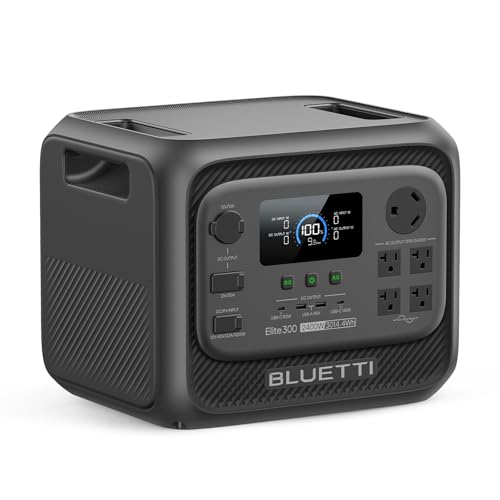
BLUETTI Elite 300 Portable Power Station 3014.4Wh

Jackery Explorer 1000 v2 Portable Power Station 1070Wh 1500W

BLUETTI AC200L Portable Power Station 2048Wh 2400W

BLUETTI Elite 100 V2 Portable Power Station 1024Wh 1800W

BLUETTI Solar Generator Elite 100 V2 with 200W Panel

BLUETTI Elite 200 V2 Portable Power Station 2073.6Wh 2600W
A Breakdown Of The Leading Choices
The HomePower 3600 Plus sits at the top of this list because it tackles the hardest problem in home backup: keeping a full-size refrigerator running through multi-day outages. Its 3600W continuous AC output and 3584Wh lithium iron phosphate (LFP) battery give it the muscle to handle compressor startup surges, which is where cheaper stations often stumble. For a three-person household, that translates to actual food safety, not just a glowing “on” indicator.
What separates this unit from the rest of the Jackery lineup is the expansion ceiling. Owners can stack batteries up to 21kWh per unit or link multiple units for 43kWh, meaning a family could stretch a single fridge through two weeks of grid downtime. The ceramic-membrane battery cell also tends to handle heat better than standard LFP cells, which matters when the unit sits in a garage or utility room during summer blackouts.
Everyday Wins
- 3600W output handles full-size fridges and small kitchen appliances at the same time
- LFP chemistry supports thousands of charge cycles, so daily cycling won’t wear it out fast
- Modular expansion lets you add capacity as your needs grow, rather than replacing the whole unit
- Compared to the smaller Explorer 2000 v2 below, this one is built for whole-room backup, not just a single appliance
Worth Noting
- The size and weight make it more of a stationary home unit than a grab-and-go companion
- Sticker shock is real; owners commonly report the upfront cost feels steep until the first outage proves its value
Key Specs
Whose Kitchen It Belongs In
Households in storm-prone regions who want a stationary, expandable backup that can carry a fridge plus a few essentials through multi-day outages.
Where Another Pick Suits Better
Shoppers who need a lighter, RV-friendly unit should look at the Jackery Explorer 1000 v2 further down the list.
The Explorer 2000 v2 hits a middle ground I appreciate: enough capacity to run a standard fridge for roughly a day, without the bulk of a home backup unit. Its 2042Wh LFP battery and 2200W output are sized for the sweet spot where most people actually live, between apartment emergency kits and full home systems. The 100W USB-C PD port (Power Delivery, a fast-charging standard for laptops and phones) is a thoughtful touch for anyone who wants to keep a work-from-home setup alive during an outage.
Where the HomePower 3600 Plus above is a stationary fortress, this unit is more of a daily companion. It can roll out for a weekend trip, sit ready for a storm, and recharge from a wall or panels without much fuss. Owners looking for balance between capacity and portability tend to land here.
What Helps Most
- 2200W output covers most mid-size refrigerators and a laptop or two simultaneously
- LFP battery holds up well to frequent cycling, which matters for anyone using it as a daily UPS (uninterruptible power supply)
- USB-C PD 100W port eliminates the need for a separate laptop charger brick
- Compared to the Honda EU2200i further down, it runs silently indoors with zero fumes
Points To Note
- 2042Wh won’t stretch across a multi-day outage without recharging or solar input
- Solar panel is sold separately, so off-grid recharging adds to the total cost
Built With In Mind
Apartment dwellers and RV owners who want enough capacity for a full-size fridge and a work setup, without the weight of a home backup unit.
Skip It When
Shoppers who need multi-day runtime for a household full of appliances should look at the BLUETTI Elite 300 instead.
The Honda EU2200i is the odd one out in this list, and that’s exactly why it earns its spot. It’s a fuel-powered inverter generator rather than a battery station, which means it can run as long as you have gasoline, not until a battery drains. For homeowners in rural areas facing week-long outages, that endurance is often the deciding factor. Its 30A outlet also makes it a natural fit for RV owners who want to plug in their coach and keep the residential fridge running.
The catch is the obvious one: this is a gas engine, so it needs ventilation, fuel storage, and outdoor placement. But Honda’s inverter technology keeps it quieter than open-frame generators, and parallel capability means you can pair two units if your needs grow. Compared to the silent battery stations above and below, this one trades convenience for unlimited runtime.
Good Reasons To Consider
- 2200W output handles refrigerators, microwaves, and small AC units without strain
- Fuel-based runtime means no recharging wait, just refill and keep going
- Built-in 30A RV outlet simplifies campsite and coach hookups
- Quieter than conventional generators, which neighbors tend to appreciate during extended outages
Trade Offs
- Produces exhaust and requires outdoor placement, so it isn’t suitable for indoor or apartment use
- Fuel storage, oil changes, and periodic maintenance add ownership effort that battery stations don’t require
Right Fit For
Homeowners and RV travelers with outdoor space and fuel access who prioritize unlimited runtime over silent operation.
Look Elsewhere When
Apartment dwellers or anyone needing silent, indoor operation should consider the Jackery Explorer 2000 v2 instead.
The Delta 3 is built for people who hate waiting around for batteries to fill back up. EcoFlow’s blend of 500W solar input and 1500W AC input gets the unit to 80 percent in about half an hour, and a full charge in under an hour. For anyone living through rolling blackouts or unpredictable weather, that quick turnaround keeps a fridge covered with minimal downtime between uses.
The 1024Wh capacity and 1800W output are modest compared to the Jackery units above, but the Delta 3 fits the gap where someone needs fridge coverage plus a few small devices without paying for capacity they won’t use. It’s also part of EcoFlow’s wider ecosystem, so adding extra batteries from the Delta 2 Max or Delta Pro 3 line is straightforward.
Bright Spots
- 56-minute full recharge is genuinely fast, which matters during multi-day outages
- 1800W output handles most refrigerators and a router or two at the same time
- Expansion compatibility with other Delta batteries protects the initial investment
- Solar input up to 500W makes it practical for off-grid recharging in good sun
Less Ideal Details
- 1024Wh won’t carry a fridge for a full day, so recharging cycles become routine
- Owners commonly report the fan runs audibly during fast charging sessions
Made For
Suburban households and frequent travelers who value fast recharge cycles over raw capacity and want a unit that can be topped off between short outages.
Reach For A Different Pick When
Shoppers needing longer runtime per charge should look at the BLUETTI Elite 300, which carries three times the capacity in a similar form factor.
What I like about the Elite 300 is how it shrinks a serious amount of capacity into a body that doesn’t dominate a closet or RV bay. The 3014.4Wh LFP battery is roughly 59 percent smaller than traditional 3kWh stations, which sounds like marketing until you actually try to lift one. For RV owners juggling limited cargo space, or apartment dwellers who need to tuck a unit behind a door, that footprint matters.
The output is sized for a refrigerator plus supporting loads, making it a strong middle-ground option. Compared to the bulkier HomePower 3600 Plus at the top of the list, this one is easier to deploy and reposition, while still covering multi-day fridge use for a small household.
Practical Pluses
- 3014.4Wh capacity carries a full-size fridge through a full day without recharging
- Compact body compared to other 3kWh stations, which helps in tight RV or apartment layouts
- LFP chemistry supports the daily cycling that backup scenarios demand
Soft Spots
- Output wattage isn’t listed in the source, so shoppers should confirm fridge compatibility before committing
- Premium capacity at a premium weight, even in the smaller body
Key Specs
Best Suited To
RV travelers and small-space households who want serious capacity without dedicating half a garage to a battery box.
A Better Fit Elsewhere
Shoppers who need whole-home runtime for multiple appliances should step up to the Jackery HomePower 3600 Plus.
At roughly 23.8 pounds with a foldable handle, the Explorer 1000 v2 is the unit I’d hand to someone who wants fridge coverage at a campsite, tailgate, or roadside picnic. The 1070Wh capacity and 1500W output are enough to run a compact fridge or a small chest freezer, plus a laptop or two, without dragging a cart across the parking lot. The one-hour fast charge is also a real convenience when you’re topping off between stops.
For emergency home use, it won’t carry a full-size kitchen fridge as long as the larger Jackery units above, but that’s a trade-off for portability. I see this as the grab-and-go option for people whose fridge coverage needs lean toward coolers, RVs, and short power blips rather than multi-day outages.
The Helpful Details
- 23.8 lb build with a foldable handle makes it the most portable option on this list
- 1500W output with 3000W surge handles fridge compressor startup without tripping
- One-hour fast charging is unusual at this size and price tier
- USB-C 100W output covers laptops and phones without a separate brick
Practical Considerations
- 1070Wh is on the light side for full-day fridge coverage in a household
- Solar panel is sold separately, so off-grid recharging adds cost beyond the base unit
Who Will Love This
Tailgaters, road trippers, and RV owners who want fridge power without hauling a heavy station across a campground.
Consider Something Else When
Homeowners facing multi-day outages will get more runtime from the BLUETTI Elite 300 above.
The AC200L is the unit I recommend to people who like the idea of starting modest and growing later. Its 2048Wh LFP battery and 2400W output are competitive on their own, but the real story is the expansion ecosystem. Owners can stack B300, B300K, B230, or B210 battery packs to push total capacity as high as 8192Wh, which is a meaningful runway for a full-size fridge and supporting loads.
Compared to the Jackery Explorer 2000 v2 earlier in this list, the AC200L trades some portability for a wider expansion path. If your power needs are likely to grow, whether from a home renovation, a new freezer, or just evolving habits, the modular design protects the initial investment.
A Few Highlights
- 2400W continuous output covers refrigerators plus a microwave or space heater
- Expansion up to 8192Wh with compatible BLUETTI battery packs
- 45-minute fast recharge cuts downtime between uses
- LFP battery supports the heavy cycling a backup role demands
Honest Caveats
- Heavier than the Jackery 2000 v2 with similar capacity, which affects portability
- Expansion batteries are sold separately, so the total system cost climbs quickly
Who Should Grab It
Homeowners who want a strong baseline now and the option to add capacity later, without swapping out the whole station.
Swap It Out When
Shoppers who want one self-contained solution with no expansion math should consider the BLUETTI Elite 200 V2 instead.
The Elite 100 V2 packs 11 output ports into a body that wouldn’t look out of place on a kitchen counter, which is the appeal. For campers and small-home users, the port variety matters as much as the raw specs, because the unit ends up charging lights, a phone, a laptop, a cooler, and a fan all at once. The 1024Wh capacity and 1800W output handle up to 90 percent of common household appliances, including compact fridges.
The 70-minute fast charging is a nice perk for anyone using solar alongside it. Compared to the ECOFLOW Delta 3, which sits in a similar capacity class, the Elite 100 V2 leans toward port density rather than absolute recharge speed.
Useful Touches
- 11 ports support a household of devices without juggling adapters
- 1800W rated output with 2700W Power Lifting mode handles brief surges from compressor fridges
- 70-minute AC recharge keeps downtime short between uses
- Up to 1000W solar input for off-grid recharging in good sun
Small Caveats
- 1024Wh means shorter fridge runtime than larger units on this list
- Owners commonly report the app connectivity can be finicky to pair on first setup
Perfect Match For
Campers, van lifers, and small households who want one station to cover a fridge plus a handful of personal devices at the same time.
Another Choice May Suit
Shoppers who prefer a solar panel included in the box should look at the BLUETTI Solar Generator Elite 100 V2 with 200W panel further down.
This bundle removes the most common friction point with solar generators: buying a panel separately and hoping it actually fits the unit. The Elite 100 V2 station paired with a 200W panel reaches 80 percent solar charge in about four hours and full charge in roughly seven hours under good sun, which is workable for cabin and RV use.
For off-grid cabins, remote work setups, or anyone wanting a self-contained kit they can deploy without extra shopping, this combination is hard to beat. The trade-off, of course, is that the 1024Wh station is the same one reviewed above, so the runtime ceiling is identical. The panel just makes that runtime renewable.
The Value In It
- 200W solar panel included in the box, ready to deploy
- All the Elite 100 V2 station benefits: 11 ports, 1800W output, 70-minute AC recharge
- One SKU simplifies buying for first-time solar generator shoppers
- Panel and station are matched for voltage and connector compatibility
Factors To Consider
- Solar recharge times assume good sun, which cabin and forest settings don’t always offer
- Bundle cost is higher than the station alone, even if the combined price beats piecing it together
Right Fit For
Off-grid cabin owners, RV travelers, and preppers who want a turnkey solar kit without matching panels and stations themselves.
Not Your Match When
Households needing longer runtime per charge should step up to the BLUETTI Elite 200 V2 below.
The Elite 200 V2 closes the list with the highest continuous output of any battery station covered here, 2600W with a 3900W Power Lifting mode for brief surges. That headroom matters for households running a full-size refrigerator alongside a coffee maker, hair dryer, or microwave, which would push smaller stations past their comfort zone. The 2073.6Wh capacity gives it a useful day-plus of fridge runtime before recharging.
What I appreciate about this unit is the attention to usable capacity rather than just headline numbers. BLUETTI’s design appears to focus on getting more of the stored energy into actual appliance runtime, which is what shoppers feel in practice. Compared to the Jackery Explorer 2000 v2, this one trades a little portability for significantly more output headroom.
Where It Delivers
- 2600W continuous and 3900W Power Lifting handle demanding compressor fridges plus extras
- Power up to 9 devices simultaneously, useful for home offices and family rooms
- 2073.6Wh capacity covers a fridge for a full day or more in most households
Some Limits To Know
- Heavier than mid-capacity options, so it’s better suited to a stationary home role
- Higher price point than the 1kWh-class options, even if justified by the output
Built With In Mind
Power-hungry households running a full-size fridge alongside other appliances, who want battery-based operation without the noise of a generator.
Where A Sibling Pick Shines
Shoppers wanting silent, expandable whole-home runtime should consider the Jackery HomePower 3600 Plus instead.
What Matters When Choosing a Refrigerator Backup Power Station
The first spec to understand is capacity, measured in watt-hours (Wh). That number tells you how long the station can run a load, and refrigerators typically draw 100 to 800Wh per day depending on size and ambient temperature. A 1000Wh station covers a small fridge for roughly a day, while 3000Wh extends that to a few days.
The second spec is output wattage, which needs to clear the fridge’s compressor startup surge. Compressors draw two to three times their running wattage at startup, so a 1500W station is a safe minimum for most residential fridges. Skip the surge rating and you risk the unit shutting off the moment the compressor kicks in.
The third consideration is chemistry. Lithium iron phosphate (LFP) batteries tolerate more charge cycles than standard lithium-ion, which matters for daily backup use. The trade-off is slightly higher cost and weight, but the longevity pays off over years of cycling.
Finally, decide between fuel and battery. The Honda EU2200i in this list offers unlimited runtime with gasoline, while battery stations run silent indoors with zero fumes. The right choice depends on whether your priority is endurance or convenience.
Pick The Right Match
How Many Watt-Hours Do You Really Need
Fridge runtime depends on three variables: the fridge’s daily draw, the station’s usable capacity, and how often you’ll recharge. A typical full-size fridge draws 1 to 2kWh per day, so a 2kWh station covers about a day, a 3kWh station stretches to a day and a half, and 3.5kWh plus gets you closer to two days without recharging.
Why Battery Stations Beat Generators Indoors
Battery stations run silent, produce no exhaust, and can sit in a living room or closet. The Honda EU2200i in this list is the right tool for outdoor, fuel-accessible scenarios, but for apartment dwellers, indoor workshops, and anyone sensitive to noise, battery is the only safe option indoors.
Common Buying Traps To Sidestep
Pitfalls Shoppers Hit
The most common mistake is matching the station’s continuous output to the fridge’s running wattage without checking the startup surge. A fridge that runs at 150W might briefly draw 600W when the compressor kicks in, which will trip a marginal station. Always check the surge rating.
The second trap is ignoring recharging time. A 3kWh station that takes 10 hours to refill from a wall outlet is a real liability during rolling blackouts. Look for fast-charge specs, and consider whether you’ll have solar or a generator backup for the station itself.
Where The Extra Money Goes
Higher-tier models in this list, like the Jackery HomePower 3600 Plus and the BLUETTI Elite 300, cost more because of LFP battery cells, more robust inverter electronics, and modular expansion paths. The upgrade buys you longer cycle life, more usable capacity per dollar over years, and the flexibility to grow with your needs.
For shoppers who cycle a station daily or live in outage-prone regions, that higher upfront cost typically pays back in longevity and reduced replacement frequency.
Frequently Asked Questions
How Long Can a Portable Power Station Run a Refrigerator?
A 1000Wh station runs a typical full-size fridge for roughly 8 to 12 hours, while a 3000Wh station stretches that to about 1.5 to 2 days. Runtime varies based on fridge size, ambient temperature, and how often the door opens.
Can a Power Station Damage a Refrigerator?
Modern stations with pure sine wave inverters (clean, grid-like power output) are safe for refrigerator compressors and electronics. Avoid older modified sine wave units, which can stress sensitive control boards over time.
Is LFP Better Than Standard Lithium for Backup Use?
LFP batteries typically last 3 to 5 times more charge cycles than standard lithium-ion, which makes them a better fit for daily or weekly backup cycling. The trade-off is slightly higher weight and cost per watt-hour.
Do I Need Solar Panels for Refrigerator Backup?
Solar isn’t required, but it extends runtime indefinitely during sunny weather. For multi-day outages without grid access, pairing a station with at least 200W of panels turns a one-day solution into a renewable weekly one.
What’s the Difference Between Running Watts and Starting Watts?
Running watts is the continuous draw once the compressor is going. Starting watts is the brief surge when the compressor kicks in, often 2 to 3 times the running figure. Stations need to clear the starting number, not just the running one.
The Takeaway
The right refrigerator backup depends on your fridge size, outage frequency, and tolerance for weight or noise. For whole-home peace of mind, the Jackery HomePower 3600 Plus sets the bar. For portable, grab-and-go coverage, the Jackery Explorer 1000 v2 is hard to beat. Match the capacity to your realistic runtime needs, and you’ll have a fridge that keeps humming through whatever the weather delivers.
