

Alkaline cells still have their place, but lithium AA batteries shine when you want fewer swaps, longer storage, and better cold-weather tolerance. I put this list together for people who are tired of remotes dying mid-show, trail cameras quitting in December, or game controllers eating through a four-pack every weekend. Each pick below is matched to a real-world use case, so the goal is simple: help you grab the right cell for the job without overspending on features you’ll never use.
The Picks In Brief
Duracell Coppertop AA Batteries, 24 Count

Duracell Alkaline Powerboost AA4, 4 Count

Energizer Alkaline Power AA Batteries, 20 Pack

Energizer Ultimate Lithium AA + AAA Variety Pack
Energizer Ultimate Lithium AAA Batteries, 8 Pack
BEVIGOR 1.5V Lithium AA Batteries, 16 Pack

BEVIGOR Upgraded High-Capacity Lithium AA, 24 Pack

BEVIGOR Lithium AA Batteries, 8 Pack

BEVIGOR Lithium AA Batteries, 16 Pack

Energizer Ultimate Lithium AA Batteries, 12 Count
More On The Choices That Made The List
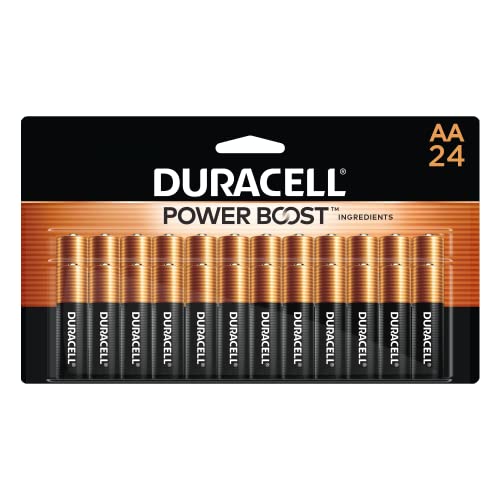
Starting with the familiar one. The Duracell Coppertop 24-pack is the alkaline workhorse most people reach for first, and it earns that reputation by showing up in the right places at the right time. It’s the kind of pack that quietly disappears from a junk drawer over six months and gets replaced without anyone thinking much about it. Compared with the smaller 4-count that follows, this is the “set it and forget it” size for households with multiple remotes, a few kids’ toys, and a wireless mouse or two.
The cells are built to handle typical living-room temperatures, and the long storage claim means a sealed pack can sit in a closet for years before reaching for a device. You won’t get the cold-weather performance of the lithium options later in this list, but for indoor electronics, that’s rarely a real concern.
Bright Spots
- 24-count format covers a typical household for months without restocking.
- Long shelf life keeps spares usable when an emergency finally arrives.
- Wide device compatibility, from TV remotes to game controllers to wireless mice.
- Familiar form factor that fits anything accepting AA/LR6 cells.
- Lower unit cost compared to lithium, useful for high-drain devices you replace often.
Trade Offs To Consider
- Alkaline cells lose capacity faster in cold conditions than lithium AA batteries.
- Heavier than lithium, which matters for outdoor sensors mounted high up.
- Higher self-discharge rate means spares lose charge faster on the shelf.
Who It Suits Best
Anyone running a busy household with mixed indoor electronics who wants a single affordable pack to cover remotes, toys, and small gadgets.
Look Elsewhere When
Shoppers stocking trail cameras or smart outdoor sensors should reach for the BEVIGOR Upgraded High-Capacity Lithium AA, 24 Pack instead, since cold weather and long idle periods favor lithium chemistry.
The 4-pack version of Duracell’s alkaline line is the right size when one device is dead and you don’t want to commit to a 24-count haul. It’s the format most people toss in a grocery cart alongside paper towels, and honestly, that’s exactly its sweet spot. Where the bigger Coppertop 24-pack is a stocking-up move, this smaller pack is a “fix it now” move.
Cells in this format are individually date-coded, which gives you a real answer when you ask whether the spare in your junk drawer is still good. For low-drain stuff like a wall clock or a simple TV remote, four cells last a long time, and buying smaller packs keeps fresh inventory rotating through.
Useful Touches
- Small pack size fits a single device swap without surplus clutter.
- Date-coded cells make shelf-life checks easy when digging through old stock.
- Wide operating range covers typical indoor and mild outdoor environments.
- Mercury-free formulation suits general household disposal rules.
Worth Noting
- Per-cell cost runs higher than the 24-count format.
- Alkaline chemistry still trails lithium in cold-temperature runtime.
- Not designed for high-drain smart-home gear that pulls steady current.
Made For
Someone replacing a dead pair of cells in a single remote or clock without committing to a bulk pack.
Consider Something Else When
Stocking a smart-home camera setup or outdoor sensor array, where the BEVIGOR 1.5V Lithium AA, 16 Pack offers far longer idle life.
Energizer’s mid-size alkaline pack slots in between the Duracell 4-count and the bigger 24-count formats, and it’s the format I tend to recommend to families with a steady battery appetite. Twenty cells is enough to cover a remote rotation, a couple of game controllers, and the occasional toy that mysteriously drains cells overnight. Compared with the 24-count Coppertop above, this is a smaller commitment that still beats the per-cell cost of the 4-pack.
The shelf-life claim here is solid for alkaline, and the cells are tuned for the everyday devices most people actually own. Flashlights, thermometers, and wireless mice all sit firmly in this battery’s comfort zone.
Notable Upsides
- 20-count format balances bulk savings against storage space.
- Solid shelf life means backup packs stay usable in a closet for years.
- Reliable output for low to moderate-drain household devices.
- Trusted brand recognition reduces guesswork when buying for someone else.
Points To Keep In Mind
- Still alkaline, so cold-weather performance lags behind lithium options.
- Not optimized for always-on smart sensors that sip current for months.
- Slightly fewer cells than the 24-pack alternatives for similar money.
Best Suited To
Families running a household full of remotes, game controllers, and small gadgets who want a single mid-size pack rather than frequent small top-ups.
Skip It When
You’re powering cold-weather outdoor gear, where the Energizer Ultimate Lithium AA Batteries, 12 Count deliver much steadier performance in freezing conditions.
This is the pack to grab when you want lithium AA batteries and lithium AAA batteries in one shot. The 48-count variety pack includes 24 of each size, which mirrors the messy reality that most homes don’t run just one battery format. It’s also the entry point on this list for anyone whose devices need cold-weather tolerance or extreme-temperature reliability, since lithium chemistry handles deep cold far better than the alkaline options above.
Each cell is built to resist leaks for a meaningful window after being fully used, which matters more than people think when a forgotten device sits in a drawer for a year. For mixed households juggling game controllers, smart remotes, and outdoor sensors, this format covers both formats without forcing two separate purchases.
Points In Its Favor
- Combined AA and AAA stock in one purchase simplifies household planning.
- Wide operating temperature range suits outdoor sensors and trail cameras.
- Lightweight lithium cells reduce strain on wall-mounted or wearable devices.
- Long shelf life lets unopened cells wait years before reaching for a gadget.
Honest Caveats
- Higher per-cell cost than alkaline, even for low-drain indoor remotes.
- Larger pack size takes up more storage space than a single-format pack.
Feature Card
Who Should Grab It
Households running both AA and AAA devices in mixed indoor and outdoor environments who want one combined lithium stock-up.
Reach For A Different Pick When
You only need AAA cells for slim travel gear, where the Energizer Ultimate Lithium AAA Batteries, 8 Pack is a smaller, more focused buy.
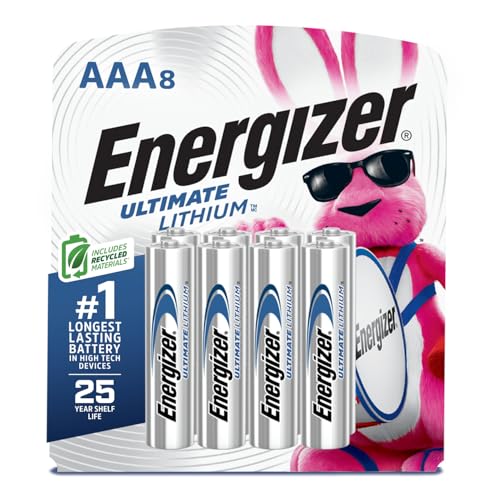
AAA cells don’t get the spotlight that AAs do, but they’re quietly powering everything from TV remotes to small flashlights to compact game controllers. This 8-pack of Ultimate Lithium cells focuses on that format and does it well. The lithium chemistry makes these noticeably lighter than alkaline AAA cells, which matters in handheld devices where a few grams per cell adds up.
Where this pack really shines is in outdoor and travel use cases. Headlamps, GPS units, and compact cameras all benefit from the wider operating temperature range and the long shelf stability. If you’re building a bug-out bag or a winter camping kit, lithium AAA cells earn their premium.
Positive Points
- Lighter than alkaline AAA, easing weight in handheld gear.
- Strong cold-weather performance for camping and outdoor lighting.
- Long storage life keeps spares ready in an emergency kit.
- Leak-resistant build protects small, hard-to-replace devices.
Things To Weigh
- Premium cost per cell compared to alkaline AAA.
- Overkill for low-drain devices that barely sip current.
Right Fit For
Outdoor enthusiasts, frequent travelers, and anyone building a reliable emergency kit with slim devices that need lightweight, cold-tolerant cells.
A Better Fit Elsewhere
Shoppers who need both AA and AAA stock should grab the Energizer Ultimate Lithium AA + AAA Variety Pack to cover both formats at once.
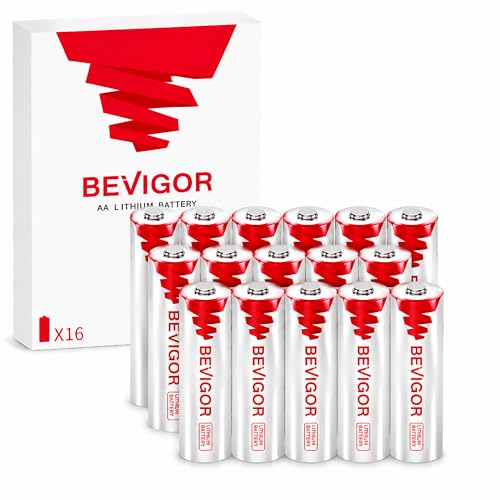
BEVIGOR has built a quiet reputation among smart-home owners, and this 16-pack is the entry point that makes sense for most households running a few battery-powered cameras or sensors. The chemistry is lithium, the shelf life is genuinely long, and the focus is squarely on devices that pull small amounts of current for months. That’s the use case where alkaline cells fall down and lithium shines.
For Blink cameras, trail cameras, and similar always-listening gear, this pack hits the sweet spot between bulk size and runtime. You may find the per-cell cost higher than familiar alkaline, but the swap frequency drops so dramatically that the math often works out over a year of ownership.
Reasons It Performs
- Long shelf life reduces waste when stocking emergency spares.
- Steady 1.5V output suits smart-home devices expecting consistent voltage.
- Wide temperature tolerance handles outdoor-mounted cameras year-round.
- Mid-size pack balances bulk savings with storage space.
Possible Compromises
- Newer brand with less long-term track record than the legacy names above.
- Higher per-cell cost than alkaline for low-drain indoor remotes.
Feature Card
Built With In Mind
Smart-home households running several battery-powered cameras, door sensors, or motion detectors that need steady voltage and long idle life.
Swap It Out When
You want a bigger bulk pack for a property with many outdoor sensors, where the BEVIGOR Upgraded High-Capacity Lithium AA, 24 Pack covers more ground per purchase.
The upgraded 24-pack is the bigger sibling in BEVIGOR’s lithium line, aimed at households or small properties running several outdoor devices at once. Trail cameras, weather stations, driveway sensors, and remote lighting controls all draw from this kind of pool. The “upgraded” framing reflects a refined internal design over the brand’s earlier generation, with a steadier voltage profile that smart devices prefer.
The 24-cell count is also where lithium AA batteries start making real economic sense for outdoor setups. Fewer battery swaps mean fewer ladder climbs and fewer mid-season camera outages. Owners commonly report the bulk format cutting yearly cell replacements dramatically compared to alkaline.
Advantages To Know
- Higher cell count supports multi-device outdoor setups with spares on hand.
- Refined voltage stability suits newer smart-home hardware.
- Long storage life suits seasonal gear that sits unused for months.
- Built-in leak protection reduces risk to expensive outdoor cameras.
Where It May Fall Short
- Bulk pack takes more storage room than smaller lithium options.
- Higher upfront cost than smaller 8- or 16-pack formats.
Feature Card
Whose Shelf It Belongs On
Owners of trail cameras, weather stations, and outdoor smart-home gear who want a single bulk lithium pack to cover an entire property.
Not Your Match When
You’re only running a couple of indoor devices, where the smaller BEVIGOR Lithium AA Batteries, 8 Pack is a more proportional buy.
The 8-pack format is BEVIGOR’s smallest lithium offering, and it serves a specific role: trying out lithium AA batteries without committing to a larger pack. That’s the use case I see most often, where someone owns a single smart camera or a temperature sensor and wants to see if the chemistry upgrade really delivers before scaling up.
The cells share the long shelf life and low self-discharge rate of the larger BEVIGOR packs, so even this small format can sit waiting without losing meaningful capacity. For travel kits or glove-box spares, the small count fits where a 24-pack simply won’t.
What Earns Its Place
- Compact pack fits in a drawer, travel kit, or glove box.
- Same lithium chemistry benefits as larger BEVIGOR packs.
- Long shelf life suits emergency or seasonal use cases.
- Reasonable entry price for first-time lithium AA shoppers.
Small Caveats
- Higher per-cell cost than buying the 24-pack format.
- Runs out fast if you stock multiple outdoor devices at once.
The Right Fit
First-time lithium AA shoppers testing the chemistry on a single smart camera or sensor, plus travelers who want a few spares without bulk.
Where Another Pick Suits Better
Anyone running more than a couple of outdoor devices should step up to the BEVIGOR Upgraded High-Capacity Lithium AA, 24 Pack for better long-run value.
The middle 16-pack sits in the practical middle of BEVIGOR’s lineup, sized for households with a few outdoor devices but not a full property’s worth of gear. Think a couple of backyard cameras, a smart doorbell, and a weather sensor. That’s exactly the setup where this pack makes sense without overshooting into 24-cell territory.
The upgraded internal design carries over the same voltage stability and storage claims as the larger pack, just in a more manageable count. It’s the format I suggest when someone already knows they want lithium but isn’t sure how many cells they’ll burn through in a year.
The Good Stuff
- Mid-size count suits a typical backyard smart-device setup.
- Refined lithium chemistry delivers consistent 1.5V output.
- Long shelf life keeps spare cells viable across seasons.
- Leak protection suits expensive outdoor hardware investments.
Factors To Consider
- Per-cell cost runs higher than bulk 24-pack options.
- Limited track record compared to legacy alkaline brands.
Feature Card
Perfect Match For
Homeowners with a few outdoor cameras or sensors who want lithium performance without committing to the largest bulk pack.
Where A Sibling Pick Shines
Shoppers running a larger property with many outdoor devices will find better long-run value in the BEVIGOR Upgraded High-Capacity Lithium AA, 24 Pack.
The 12-count Ultimate Lithium pack closes the list where it belongs: a focused, mid-size lithium option from a legacy brand with a long track record. For households that have moved beyond alkaline but don’t need a 48-count variety pack, this format hits a sensible middle ground. You get the same cold-rated lithium chemistry as the larger Energizer lithium options, just sized for a single device type.
This bundle combines an 8-pack and a 4-pack, which is a small but real convenience when you need to stage cells across multiple devices without opening a giant bulk pack at once. The wide operating temperature range also makes these a strong fit for any climate where winter regularly drops below freezing.
A Strong Showing
- Trusted legacy brand with established lithium chemistry.
- Wide operating temperature range handles freezing winters and hot summers.
- Lightweight cells reduce strain on wall-mounted devices.
- Leak protection continues after cells are fully used.
Details To Watch
- Premium per-cell cost compared to alkaline AA.
- Smaller count than the AA + AAA variety pack option.
Feature Card
Who Will Love This
Shoppers committed to a trusted brand who want focused AA-only lithium stock in a moderate size for cold climates or long-term storage.
Another Choice May Suit
Households running both AA and AAA devices should grab the Energizer Ultimate Lithium AA + AAA Variety Pack to cover both formats in one buy.
Choosing Lithium Aa Batteries That Match How You Actually Use Them
Match Chemistry To The Device, Not The Marketing
Alkaline cells still earn their slot in low-drain, indoor-only electronics like remotes and wall clocks. Lithium AA batteries earn theirs anywhere you want longer runtime, lighter weight, or reliable cold-weather performance. Pick alkaline for a TV remote drawer; pick lithium for a trail camera mounted on a tree in January.
Think About Shelf Time, Not Just Fresh Installs
Storage life is the underrated spec here. A pack rated for 10 to 20 years on the shelf means you can stock up once and forget about it until a device actually dies. For emergency kits or seasonal gear, that long shelf claim matters more than any runtime number. A cell that holds charge for two decades is worth more than one that runs 10% longer but dies in storage.
Match Pack Size To Your Real Replacement Rate
Buying a 48-count variety pack to feed two remotes is overkill. Buying a 4-pack to support five outdoor cameras is going to leave you scrambling. Look at how many cells you actually cycle through in a year and size the pack accordingly. For most households, a mid-size lithium pack hits the sweet spot between bulk savings and storage space.
Cold Tolerance And Leak Resistance Are Worth Paying For
For anything mounted outdoors or stored in an unheated garage, the wider operating temperature range of lithium chemistry is the difference between a working device and a dead one in February. Leak protection after full use also matters more than people realize, since a leaking cell in an expensive outdoor camera is an expensive lesson.
Things To Watch Before You Buy
Common Shopping Slip Ups
The most common mistake is grabbing alkaline for an outdoor smart camera because it costs less up front. The cells drain fast in cold weather, and the cost of repeated swaps plus the occasional leak damage usually exceeds the lithium premium within a year. Another trap is assuming all “lithium” cells are the same: lithium AA batteries built for smart devices typically have steadier voltage curves than generic lithium cells, which matters for hardware that monitors its own battery level.
What The Higher Tier Buys
The jump from alkaline to lithium gets you lighter cells, longer shelf life, wider temperature tolerance, and dramatically fewer swaps per year. For low-drain indoor remotes, that premium is hard to justify. For anything mounted outdoors, used seasonally, or stored long-term, the upgrade typically pays for itself in saved time, fewer ladder climbs, and reduced risk of device damage from leaks.
Frequently Asked Questions
How long do lithium AA batteries actually last in storage?
Most lithium AA batteries hold usable charge for 10 to 20 years on the shelf when stored at normal room temperature, with a self-discharge rate typically under 1% per year. That makes them a strong choice for emergency kits and seasonal gear that sits unused for long stretches.
Can I use lithium AA batteries in any device that takes AA cells?
In most cases, yes. AA is a standard size, and lithium AA batteries are designed as drop-in replacements for alkaline AA cells in typical household electronics. The main thing to check is devices that explicitly warn against lithium chemistry, which is rare but worth confirming in the manual for specialty equipment.
Do lithium AA batteries work better in cold weather?
Yes, lithium chemistry holds voltage far more reliably than alkaline in freezing conditions, often down to negative 40 degrees Fahrenheit depending on the brand. For outdoor cameras, trail cameras, and any device in an unheated garage or vehicle, that cold tolerance is the main reason to choose lithium.
Are lithium AA batteries safe to use in smoke detectors?
Lithium AA batteries can be used in many modern smoke detectors, and the long shelf life is actually a plus. The main caveat is to confirm your specific detector model accepts lithium cells, since some older units are calibrated for alkaline voltage curves.
Is it worth paying more for lithium over alkaline?
For low-drain indoor devices like remotes and clocks, alkaline is usually the more practical buy. For outdoor smart devices, high-drain electronics, emergency storage, or any cold-weather use case, the higher upfront cost of lithium typically pays back through fewer swaps and reduced risk of device damage.
Bottom Line
The right pick depends on what you’re actually powering. Alkaline still owns the indoor, low-drain drawer, while lithium AA batteries own the outdoor camera, the smart sensor, and the long-term emergency kit. Match the chemistry to the device, size the pack to your real replacement rate, and don’t overpay for premium lithium in places where a familiar alkaline cell does the job just fine.
