

A modern home’s relationship with electricity keeps changing, and the gear that manages, stores, or routes that power has become far more interesting than a plain breaker box. Whether the goal is keeping the fridge running during a storm, charging an RV at a campsite, or controlling a row of accessories from the driver’s seat, the right house power panels category covers an expanding mix of solar arrays, portable stations, interlock kits, and wireless switch controls. I put this list together for homeowners, RV travelers, workshop builders, and anyone tired of tangling with extension cords and confusing wiring.
Your Options, Compared

EF ECOFLOW Delta 3 Portable Power Station 1024Wh 1800W

MICTUNING P1s-AC Wireless RGB 8 Gang Switch Panel

MICTUNING P1s-W 8 Gang RGB Wireless Switch Panel 328FT

Flngr Generator Interlock Kit for GE Vertical Panels 150/200A

MICTUNING MS-W 6 Gang Wireless Switch Panel 208FT

MICTUNING MS-W 8 Gang Wireless Switch Panel 208FT
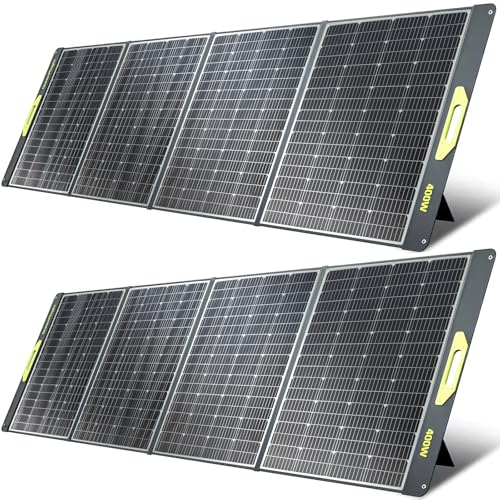
Greenmagic 800W Portable Solar Panel 2-Pack 23% Efficiency

Greenmagic 400W Foldable Solar Panel 39V

Siemens TL137US Talon Temporary Power Outlet Panel 125A
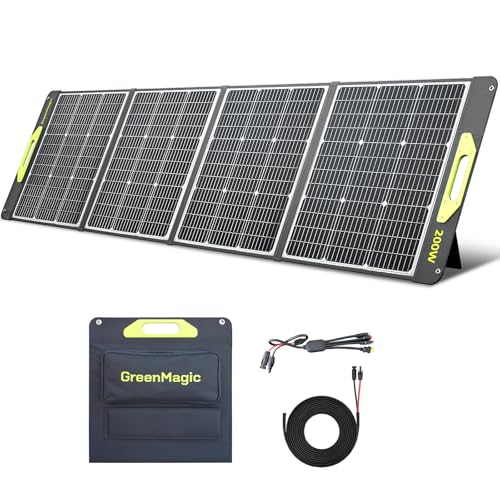
Greenmagic 200W Foldable Solar Panel 23.5% Efficiency
The Strengths Of Each Pick
The EF ECOFLOW Delta 3 sits at the heavier end of the portable power world, and that heft pays off in capability. With a 1024Wh (watt-hour) battery, which is roughly the energy stored in a laptop battery scaled up by a factor of fifty, and an 1800W AC output, it covers the kind of gear people actually reach for during a blackout: a fridge, a router, a CPAP machine, a laptop or two.
Unlike the MICTUNING switch panels later in this list, the Delta 3 is an energy source rather than a controller, so I think of it as the brain of an outage kit. Owners commonly pair it with portable solar panels like the Greenmagic 400W to refill capacity off-grid.
The Case For It
- 1024Wh capacity covers essentials through a typical eight-hour outage
- 1800W AC output runs kitchen appliances and small power tools
- Fast charging accepts 1500W AC input for quick turnarounds
- Modular design supports expansion batteries and solar chaining
- Multiple output types (AC, DC, USB) reduce the need for adapters
Things To Consider
- Weight makes it less suited to backpack-style travel
- Full charge speed depends on input source and ambient temperature
Key Specs
Best Suited To
Homeowners in storm-prone regions who want one unit that handles fridge, internet, and small appliances during multi-hour blackouts.
A Better Fit Elsewhere
Solo backpack travelers should look at the Greenmagic 200W foldable solar panel for a lighter off-grid setup focused on charging rather than whole-room backup.
The P1s-AC is the friendliest switch panel MICTUNING makes, and the friendliest part is the detachable design. The switch unit lifts out of its cradle and becomes a handheld remote, which is genuinely useful when troubleshooting a wiring bay at the back of a truck bed.
It controls up to eight accessories, with RGB backlighting that doubles as a status indicator. The included holder makes it as easy to install as sticking a panel to a flat surface, no drilling required.
Where It Delivers
- Detachable panel becomes a remote for handheld troubleshooting
- RGB backlight improves visibility at night
- Plug-and-play setup avoids splicing into existing wiring
- Eight switches cover most accessory clusters in a single panel
Worth Noting
- Remote range is shorter than the P1s-W sibling at 165 feet
- Battery recharges via USB, which means occasional downtime
Who Should Grab It
Truck owners who want a clean, no-drill accessory control panel that doubles as a handheld remote for the toolbox area.
Look Elsewhere When
Long-bed trailers and larger boats get better range from the MICTUNING P1s-W 8 Gang panel reviewed later in this list.
Where the P1s-AC trades range for a detachable cradle, the P1s-W leans into wireless reach. Operating on a 433MHz signal (a low-frequency radio band known for penetrating walls and vehicle bodies better than 2.4GHz alternatives), it pushes usable control out to roughly 328 feet in open air.
It supports up to four-panel synchronization, which means a single accessory can be triggered from the cab, the trailer tongue, and a workbench simultaneously. For multi-zone vehicles this changes the whole accessory layout.
What Works In Its Favor
- 328-foot control range covers most farm and marine layouts
- Four-panel sync lets multiple users control the same accessory
- 433MHz signal penetrates vehicle bodies and walls more reliably
- No drilling or wire splicing during installation
Trade Offs
- Fixed-mount design means no detachable handheld option
- 433MHz range in practice is shorter than the rated line-of-sight figure
Right Fit For
Boat and trailer owners with multiple zones who need reliable control from a long distance without re-wiring.
Reach For A Different Pick When
Anyone who wants a detachable remote should consider the MICTUNING P1s-AC panel reviewed earlier.
An interlock kit is one of those unglamorous pieces of hardware that does serious safety work. This Flngr kit is built for GE vertical 150 or 200 amp panels with a 2-1/4 inch breaker spacing, the most common residential configurations for DIY backup setups.
The interlock mechanism prevents the main breaker and the generator breaker from being on at the same time, which protects lineworkers and household wiring during a power outage. It is the difference between a safe, code-aware install and a dangerous one.
Useful Highlights
- Mechanical interlock keeps main and generator breakers mutually exclusive
- Direct fit for common GE vertical 150/200A panels
- Lower cost than a transfer switch for whole-home backup
- Compact hardware installs with basic tools
Points To Note
- Compatible only with GE vertical panels at the listed spacing
- Installation may require local electrical inspection for sign-off
- Not a substitute for a licensed electrician’s review
Feature Snapshot
Made For
DIY homeowners with compatible GE panels who want to backfeed a portable generator safely during outages.
Swap It Out When
Anyone needing whole-home backup without generator wiring should consider the EF ECOFLOW Delta 3 portable power station reviewed first.
The MS-W 6-gang panel sits in the middle of MICTUNING’s switch lineup. It skips the detachable cradle of the P1s series but keeps the slim profile that makes the MS line visually unobtrusive on a dashboard or console.
With six switches and 208 feet of wireless range, it covers smaller accessory arrays without leaving buttons unused. The dimmable 8-color backlight auto-adjusts in dark cabins, which is a small touch that prevents nighttime glare.
A Few Strong Suits
- Slim profile fits tight dashboard and console spaces
- Dimmable backlight reduces glare during night driving
- 208-foot range covers typical vehicle-to-trailer distances
- Multi-panel sync supports layered control across zones
Minor Gripes
- Six switches may run short for heavily accessorized builds
- Wireless pairing requires initial setup before first use
Whose Shelf It Belongs On
Jeep and overland owners running six or fewer accessories who want a low-profile dashboard switch panel.
Consider Something Else When
Builds with eight or more accessories benefit from the MICTUNING MS-W 8 Gang panel in the next slot.
The 8-gang MS-W panel is the natural step up from the 6-gang sibling, doubling down on capacity without adding bulk. The slim housing stays roughly the same footprint, and the additional two switches handle larger accessory clusters without forcing a second panel.
It uses the same 208-foot wireless range and multi-panel sync system, so existing MS-W 6-gang owners can pair them in the same build. That kind of ecosystem compatibility is rare in the aftermarket accessory space.
The Practical Payoff
- Eight switches cover light bars, compressors, fans, and inverters
- Syncs with other MS-W panels for layered control
- Backlight dimming prevents cabin glare at night
- No wire splicing or drilling for installation
Small Caveats
- 208-foot range falls short of the P1s-W’s 328-foot sibling
- Fixed-mount design lacks handheld remote flexibility
Perfect Match For
Overlanders and service truck operators running eight or more accessories who want a unified, slim dashboard control.
Not Your Match When
Anyone prioritizing range over switch count should consider the MICTUNING P1s-W 8 Gang panel reviewed earlier.
The Greenmagic 800W kit arrives as a pair of 400W foldable panels, and together they handle the kind of sustained off-grid draw that single panels cannot. At roughly 20 pounds per pair, transport is realistic for a vehicle-based setup but a stretch for backpackers.
The 23% conversion rate is competitive with the best portable solar cells available, and the IP67 rating (meaning the panels resist dust ingress and brief water immersion) holds up to morning dew and unexpected rain. Adjustable kickstands let users angle toward the sun without tools.
A Few Highlights
- 800W combined output supports large-capacity power stations
- 23% efficiency squeezes more energy from limited roof or ground space
- IP67 weather rating handles rain, dew, and dust
- Foldable design fits in most vehicle storage bays
Areas To Watch
- Pair configuration adds setup time compared to a single panel
- Real-world output drops below rated wattage in cloudy conditions
- Kickstands work best on flat ground rather than uneven terrain
Feature Snapshot
Built With In Mind
RV owners and extended-stay campers who need fast refills on a portable power station like the EF ECOFLOW Delta 3.
Skip It When
Weekend campers with smaller stations get more useful output from the lighter Greenmagic 200W panel reviewed last.
The Greenmagic 400W hits a sweet spot for travelers who want serious output without dragging two panels to the campsite. Its monocrystalline silicon cells (a premium cell type that converts sunlight more efficiently than the older polycrystalline style) reach 21.5 to 23.5% efficiency, and the panel supports parallel or series chaining for users who later want to scale up.
At 39V output, it pairs with most 40V-class portable power stations on the market, which keeps compatibility headaches low. The foldable form factor is the kind of detail that makes a difference when packing a vehicle.
What Pays Off
- Monocrystalline cells reach up to 23.5% efficiency
- Parallel and series chaining supports later expansion
- 39V output matches the most common portable station class
- Foldable design stores flat in vehicle cargo areas
Honest Caveats
- Single panel limits total daily harvest compared to the 800W kit
- Real output depends heavily on direct sun angle and weather
Who Will Love This
Road trippers and RV owners who want a single high-output panel they can expand into a chain later.
Where Another Pick Suits Better
Full-time off-gridders running large power stations should consider the Greenmagic 800W 2-pack reviewed just before this entry.
The Siemens Talon TL137US is a different kind of panel altogether, built for outdoor service rather than indoor control. It arrives with 20, 30, and 50-amp receptacles pre-installed, which is a meaningful time savings at a jobsite or RV pad where multiple amperages are needed.
A 125A main breaker and unmetered configuration make it common on construction sites and RV parks. The UL listing (an independent safety certification) and outdoor rating give inspectors and insurance adjusters one less thing to flag.
Where It Helps
- Three amperage receptacles cover tools, RVs, and welders
Right Fit For
Contractors and RV park operators installing temporary outdoor power pedestals.
Skip It When
Homeowners wanting portable indoor backup get more value from the EF ECOFLOW Delta 3 reviewed first.
The Greenmagic 200W is the entry-level choice in the lineup, and it is genuinely portable. The foldable form factor, IP67 weather rating, and multiple output connectors (DC, XT60, MC4, Anderson) cover the adapters that real-world portable stations ship with.
Useful Touches
- 23.5% efficiency from monocrystalline cells
- IP67 weather rating handles rain and dust
- DC, XT60, MC4, and Anderson outputs cover most stations
- Lightweight foldable design fits small vehicles
Less Ideal Details
- 200W output refills large stations slowly
- Single panel limits harvest on cloudy days
Built With In Mind
Weekend campers and homeowners wanting a small, stowable panel for light backup charging.
A Better Fit Elsewhere
Full-time off-grid users should consider the Greenmagic 800W 2-pack reviewed earlier in this roundup.
Picking The Right Setup For Your Home
The first decision is whether the panel sits inside a fixed breaker box or travels with the user. Fixed panels like the Siemens Talon serve permanent installations, while portable stations and solar panels handle mobility and outages.
Compatibility is the silent deal-breaker. Solar panels need to match the voltage class of the power station they feed (most modern stations accept around 39 to 40V input), and interlock kits only fit the breaker panels they are designed for. I always recommend confirming panel spacing, amperage, and connector types before purchase.
For wireless switch panels, range and gang count matter more than aesthetics. A 165-foot panel works fine in a single truck, but a multi-zone trailer benefits from 208 to 328 feet of reach. The number of switches should match the accessory list with one or two spares for future additions.
What Separates These Picks From Cheaper Alternatives
Higher-tier solar panels reach above 21% efficiency through monocrystalline cells, while budget panels often use polycrystalline designs that convert less sunlight per square inch. The difference is real during partial-shade or low-angle morning conditions.
For switch panels, the gap between budget and mid-tier is usually signal quality and synchronization. Premium wireless ranges (208 to 328 feet) hold up across metal vehicle bodies, while budget ranges drop off sharply inside enclosed trailers. Multi-panel sync is the feature that separates thoughtful ecosystems from standalone gadgets.
Frequently Asked Questions
What is an interlock kit used for? An interlock kit mechanically prevents a home’s main breaker and a generator breaker from being on at the same time, protecting utility workers and home wiring during outages.
How many watts of solar do I need to recharge a portable power station? A general rule is matching the station’s maximum solar input, often 200 to 500W, to avoid leaving charging capacity on the table. A 1024Wh station paired with a 400W panel refills meaningfully in a full sun day.
Can wireless switch panels control lights and accessories at the same time? Most 8-gang panels handle a mix of 12V accessories like LED lights, fans, compressors, and inverters through separate relay channels, but each switch typically controls one output.
Are foldable solar panels waterproof? Panels rated IP67 resist rain and brief splashes, though owners commonly avoid leaving them in standing water. The junction box is usually the most vulnerable component.
What is the difference between portable power stations and standby generators? Portable stations run silent, indoors safely, and require no fuel, but they have limited capacity compared to standby generators that wire into a home’s gas line.
Closing Remarks
The right house power panels category product depends entirely on the scenario. For whole-home backup, the EF ECOFLOW Delta 3 anchors a sensible kit. For accessory control in vehicles and trailers, the MICTUNING lineup covers nearly every gang count and range. For off-grid solar harvest, the Greenmagic panels scale from weekend camping to extended stays. Match the panel to the job, and the rest of the system tends to fall into place.
