

Swapping out an aging breaker can feel like a small job with outsized consequences. The right replacement keeps your panel safe, your circuits properly protected, and your home’s wiring aligned with the load center you already own. I pulled together nine solid options covering everyday plug-on breakers, a couple of specialty picks, and a few accessories that solve real headaches during a swap.
The Essentials At A Glance

Square D HOM120C 20A Single Pole Breaker

Leviton LB200 100A 2-Pole Branch Breaker

Siemens Q120 20A Single Pole QP Breaker

Auxbeam RA80 8-Gang Switch Panel

Square D HOM120 10-Pack 20A Breakers

Siemens 15A Arc Fault Breaker

Mollom 8-Way MCB Distribution Box

Square D S106 Panel Cover Screws
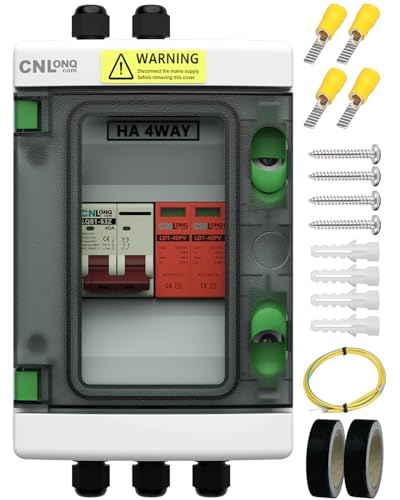
CNLonQcom 40A DC Solar Disconnect
A Closer Look At Each Pick
The Square D HOM120C is a 20-amp single-pole breaker built for Homeline load centers, which is the panel family found in a lot of newer American homes. It uses a magnetic trip mechanism, meaning it responds to sudden short-circuit surges by snapping the circuit open fast. For most living-room and bedroom circuits, this is exactly the protection you want without overthinking it.
Plug-on installation means the breaker clips directly onto the bus bar (the metal strip inside the panel that distributes power) inside a compatible Homeline panel. Most DIYers with a careful approach handle the swap themselves after killing the main breaker, though anyone unsure should call an electrician. It’s a routine replacement that solves the everyday “I need one more 20A slot” problem.
Why It Works Well
- Broad compatibility across Homeline panels, which simplifies stocking spares
- Magnetic trip handles short-circuit events quickly, adding a layer of safety
- Plug-on design speeds up installation once the main breaker is off
- Single-pole 20A rating covers most general lighting and outlet circuits
Things To Consider
- Will not fit QP, BR, or other non-Homeline panels, so verify your panel brand before buying
Made For
Homeowners with Square D Homeline panels replacing a single worn-out 20A breaker.
Where Another Pick Suits Better
The Siemens Q120 fits better for owners of Siemens PL or ES series load centers.
Leviton’s LB200 steps things up with a 100-amp, two-pole rating and a hydraulic-magnetic trip design. Two-pole breakers handle 240-volt loads, which means appliances like electric water heaters, dryers, or subpanel feeds. The hydraulic-magnetic trip responds more predictably across temperature swings, which matters in garages or utility rooms that run hot in summer.
All hot and neutral wiring terminates at custom lugs inside the panel rather than at the breaker itself, so rough-in wiring can be finished before the breakers are even installed. That detail saves time during new construction or panel upgrades. It’s a thoughtful design for anyone doing more than a one-for-one swap.
Points In Its Favor
- 100A capacity covers large dedicated appliances and subpanel feeds
- Hydraulic-magnetic trip performs consistently in temperature-variable spaces
- Plug-on design with handle color indicators for fast visual identification
- Lug-based panel wiring allows rough-in work before breakers arrive on site
Points To Keep In Mind
- Only fits Leviton-compatible panels, not Square D or Siemens enclosures
- Two-pole footprint takes two full slots in the panel
Right Fit For
Homeowners running 240V appliances on a Leviton panel who want stable thermal performance.
Consider Something Else When
The Square D HOM120C suits anyone with a Homeline panel needing a basic 20A circuit instead.
The Siemens Q120 is a 20-amp, single-pole QP breaker, and the QP designation refers to the bus style used in Siemens PL and ES load centers. It carries a 10,000 AIC interrupting rating (the maximum fault current the breaker can safely interrupt), which is plenty for residential service. The plug-in connection seats firmly with a satisfying click once it’s correctly aligned.
Siemens also builds in an insta-wire feature, which is a small time-saver when terminating wires at the breaker. For anyone with a Siemens panel doing a routine swap, the Q120 is the obvious match. It feels like a no-drama replacement, which is what you want when working inside a live electrical panel.
Useful Highlights
- 10,000 AIC rating covers typical residential fault levels comfortably
- Insta-wire feature trims minutes off each termination
- Plug-in mounting gives a secure, vibration-resistant connection
Honest Caveats
- Limited to Siemens PL and ES series panels, so cross-brand panels will not accept it
- No GFCI (ground-fault circuit interrupter) or arc-fault protection built in
Best Suited To
Shoppers with Siemens load centers replacing a single 20A general-purpose breaker.
A Better Fit Elsewhere
The Siemens 15A Arc Fault breaker makes more sense for bedroom circuits needing AFCI (arc-fault circuit interrupter) protection.
The Auxbeam RA80 is an 8-gang switch panel aimed at vehicles, boats, and off-grid setups rather than home breaker boxes. It runs on 12V to 24V DC power, with a 720W to 1400W handling range depending on system voltage. Eight switches in one tidy unit let you control light bars, compressors, fans, and accessory lighting without stacking separate rocker switches.
Operating temperature spans -40°F to 221°F, which covers everything from a frozen trailhead to an engine bay in summer. For someone wiring up an overland rig or a custom van build, this consolidates a messy switch array into one labeled panel. It is not a residential breaker, but it solves a related control problem.
A Strong Showing
- Eight switches replace a clutter of individual rocker switches
- Wide temperature tolerance handles engine-bay and exterior mounting
- Auto-dimming backlight reduces glare on nighttime drives
- Multiple operating modes including toggle, momentary, and pulsed
Trade Offs
- DC-only design means it does not replace a household AC breaker
- Hardwired install requires planning switch locations and wire routing in advance
Whose Shelf It Belongs On
Van builders and off-road enthusiasts consolidating accessory switches into one panel.
Look Elsewhere When
The Square D HOM120C fits standard home breaker panel replacements far better.
This listing bundles ten Square D HOM120 breakers into a single box, each one a 20A single-pole unit rated for 120-240V service. The bulk format makes sense for electricians stocking service trucks or homeowners tackling panel refreshes across multiple circuits at once. Each breaker uses the same plug-on mounting as the single-pack HOM120C covered earlier.
For a homeowner, a ten-pack feels like overkill until you count the circuits that need attention: kitchen outlets, bathroom GFCI, garage, outdoor, laundry. The math works out, especially when buying in bulk trims the per-unit cost versus singles. It’s a pragmatic pick when you know more than one breaker is on its last legs.
Strengths Worth Knowing
- Bulk format lowers the cost per breaker for larger projects
- Identical 20A HOM120 spec matches the single-pack version exactly
- Useful for staged replacements spread over several weekends
Small Caveats
- Brand listing reads “Generic,” though the breaker itself matches Square D form factor
- Ten breakers is more than most homeowners need for a single repair
Who Should Grab It
Contractors and homeowners replacing multiple circuits across a Homeline panel.
Swap It Out When
The single Square D HOM120C is the smarter choice for one-off 20A replacements.
This Siemens breaker is a 15-amp arc-fault (AFCI) unit rated for 120V service. Arc-fault protection detects the signature arcing patterns that happen when a wire is damaged but not yet shorting, which standard breakers can miss. Current electrical codes require AFCI protection on many bedroom and living-area circuits, so this is often a code-driven replacement rather than a discretionary one.
For older homes being brought up to code during a renovation, swapping in an AFCI breaker for the bedroom circuits is a common upgrade. The 15A rating matches the typical lighting circuit in most homes. It costs more than a standard breaker but adds a meaningful safety net against hidden wiring damage.
Where It Helps
- AFCI detection catches dangerous arcing events standard breakers ignore
- Helps bring older circuits up to current residential electrical code
- 15A rating suits typical bedroom and living-area lighting circuits
Room For Improvement
- Requires a compatible Siemens panel, so check fitment before ordering
- Sometimes trips on older appliance motors, which may require circuit evaluation
Key Specs
Perfect Match For
Code-compliance upgrades on bedroom and living-area circuits in Siemens-equipped homes.
Reach For A Different Pick When
The Siemens Q120 suits general 20A circuits that do not require arc-fault protection.
The Mollom 8-Way is an enclosure rather than a breaker itself, built to hold miniature circuit breakers (MCBs) in spaces where a full residential panel feels excessive. The shell is PC and ABS alloy, which holds up to impacts and outdoor UV. The IP65 rating means it is dust-tight and protected against water jets, so it handles rain and garden-hose splashes without issue.
Garage subpanels, shed power feeds, and outdoor workshop circuits are common uses. The compact 200x92x155mm footprint fits on a wall stud or between framing without eating floor space. It’s a tidy solution when you need a few protected circuits somewhere a full load center would be overkill.
Notable Gains
- IP65 sealed against rain and dust for outdoor installations
- Compact dimensions fit tight garage or shed wall locations
- IK08 impact rating resists bumps and tool knocks
Some Limits To Know
- Breakers are sold separately, which adds to total project cost
- Limited to eight MCB slots, so larger setups need additional enclosures
Built With In Mind
DIYers adding protected power to a shed, detached garage, or outdoor workshop.
Where A Sibling Pick Shines
The CNLonQcom Solar Disconnect covers outdoor solar arrays needing DC-rated protection.
The Square D S106 set includes six alloy-steel screws sized #10-32 x 1/2 inch, the standard dimension for Square D load center covers. Anyone who has opened a panel only to find a stripped or missing cover screw knows the frustration: the cover flaps loose, dust gets in, and the next inspection becomes a chore. These are the official-spec replacement fasteners.
The square-drive (also called Robertson, a screw head style that grips the driver tightly and resists cam-out) head stays put during installation, so the bit does not slip and chew up the screw. Owners commonly keep a spare set in a toolbox after losing one in the grass during a panel swap. Small item, surprisingly useful.
What It Does Well
- Square-drive head resists stripping during install
- Alloy-steel build holds up to repeated tightening cycles
- Six-pack covers typical loss-and-damage scenarios with spares left over
Small Caveats
- Not a universal fit, so confirm the screw size on non-Square D panels before ordering
Feature Snapshot
The Right Fit
Homeowners and electricians needing replacement cover screws for Square D panels.
Not Your Match When
The Square D HOM120C is the better choice for anyone needing an actual circuit breaker.
This CNLonQcom unit combines a 40-amp DC-rated breaker, a lightning surge protector, and an IP65 enclosure into one assembly aimed at outdoor solar arrays. It installs between the solar panel array and the inverter, isolating the DC side for safe servicing and protecting against overcurrent events. The 500V DC rating covers most residential string configurations.
The integrated surge arrester is a thoughtful inclusion. Standalone solar disconnects often leave surge protection as a separate purchase, but this combines the two into one weather-sealed box. For anyone building or expanding a small off-grid or grid-tied PV system, the consolidation saves both wall space and wiring complexity.
The Helpful Details
- DC-rated 500V handling covers most residential solar strings
- Built-in surge arrester saves buying a separate protector
- IP65 enclosure tolerates rooftop and pole-mount outdoor exposure
- Compact assembly reduces wall clutter versus separate components
Things To Weigh Up
- 40A limit caps the unit at smaller arrays, larger systems need higher-rated disconnects
- DC wiring has different safety rules than AC, so installation requires care
Quick Facts
Who Will Love This
Home solar installers wanting a single weatherproof disconnect plus surge protection.
Skip It When
The Mollom MCB box suits AC subpanel builds in garages and sheds better.
Factors To Consider When Choosing Breaker Box Replacements
Panel Compatibility Comes First
Every breaker brand locks into specific panel families, and mixing them is a safety issue, not a preference. Square D Homeline, Siemens QP, Leviton, and GE each use proprietary bus systems (the metal rails inside the panel that breakers clip onto) that physically reject the wrong breaker. Always open the panel door and check the brand label inside before ordering, or pull an existing breaker and read its markings. The replacement must match both the brand and the breaker series, otherwise it simply will not seat.
Amperage And Poles Match The Circuit
A breaker protects wiring from carrying more current than it can safely handle, so the amperage rating must align with the wire gauge on that circuit. Fifteen-amp circuits pair with 14-gauge wire, 20-amp circuits with 12-gauge, and so on. Single-pole breakers handle 120V loads like outlets and lights, while two-pole breakers handle 240V loads like dryers, ranges, and water heaters. Picking the wrong configuration either trips constantly or, worse, leaves wiring unprotected.
Specialty Protection For Modern Code
Arc-fault (AFCI) and ground-fault (GFCI) breakers detect dangerous conditions standard breakers miss. AFCI breakers sense arcing from damaged wires, while GFCI breakers trip on current imbalances that indicate electricity escaping to ground. Current code requires both on many circuits in newer homes, so an upgrade during a panel refresh is often required rather than optional. These breakers cost more but add meaningful safety, especially in older homes with aging wiring.
Enclosure And Environment
Breakers belong inside a listed enclosure rated for the location. Indoor panels typically need only a basic NEMA 1 (indoors, no special protection) rating, while garages, basements, and outdoor runs benefit from NEMA 3R (rainproof) or IP65 enclosures. The Mollom and CNLonQcom items in this list both address weather exposure for non-standard installations.
Key Considerations Across These Picks
Common Shopping Slip Ups
The most frequent mistake is buying a breaker based on amperage alone and skipping the panel brand match. A 20A Square D breaker will not fit a Siemens panel, regardless of how many it claims to be compatible with. The second mistake is overlooking code requirements: bedroom and living-area circuits in current code often require AFCI protection, and a standard breaker will not satisfy an inspector. Always match brand, amperage, poles, and protection type before pulling the trigger.
Where The Extra Money Goes
Higher-tier breakers earn their premium through better trip mechanisms, more accurate thermal response, and built-in specialty protection. An AFCI or GFCI breaker costs more than a standard magnetic breaker because it carries sensing electronics and a self-test routine. Surge-protected disconnects like the CNLonQcom consolidate two devices into one enclosure, which justifies the price for solar installs. The honest read is that the upgrade pays off when the circuit genuinely needs the extra protection; for a basic lighting run, a standard breaker is plenty.
Frequently Asked Questions
How do I know which breaker fits my panel?
Open the panel door and look for the manufacturer’s label, usually on the inside of the door itself. Match that brand and series to the breaker listing. Most breakers are clearly labeled with the compatible panel family on the packaging.
Can I replace a breaker myself?
Homeowners with electrical experience often handle single-pole breaker swaps after turning off the main breaker. Anyone uncertain about working inside a panel should call a licensed electrician, since mistakes can cause arc flashes or worse.
What is the difference between AFCI and GFCI breakers?
AFCI breakers detect arcing faults from damaged wiring, while GFCI breakers detect current leaking to ground. AFCI protection is common on bedroom circuits, while GFCI protection is required for bathrooms, kitchens, garages, and outdoor outlets.
Why are some breakers sold in bulk packs?
Bulk packs reduce the per-unit cost and suit electricians or homeowners replacing multiple circuits at once. For a single replacement, a single-pack breaker is usually the better value.
Do I need a special breaker for solar panels?
Yes, solar arrays require DC-rated disconnects because the current flows in one direction, unlike AC household power. Standard AC breakers are not rated for DC and can fail to safely interrupt the arc when tripped.
The Takeaway
A breaker box replacement only works when it matches the panel you already own, so identifying the brand and series is step one. From there, choose the amperage and pole configuration that match the circuit, and add AFCI or GFCI protection where current code requires it. The nine picks above cover the most common residential and specialty scenarios, so the right fit is almost certainly somewhere on this list.
