

I’ve lost count of how many tape rolls have come through my garage over the years. Some get used for a single splice under the workbench and stay sticky in the drawer for months. Others crack, ooze adhesive, or lose grip the moment a cold snap hits. The right blue roll, the kind that handles up to 600V insulation, color-codes neutrals cleanly, and stays flexible through a damp crawlspace, makes every wiring job smoother. I’ve narrowed down nine solid options that span weekend repairs, professional runs, and color-coding setups.
The Leading Options At A Glance
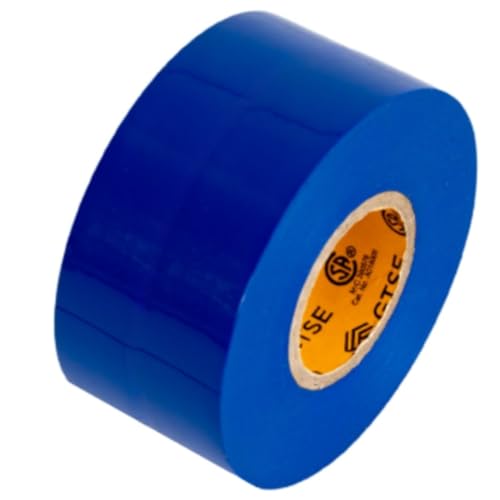
GTSE Blue Wide Electrical Tape 2in x 66ft, UL/CSA Listed

GTSE Mixed Colors Electrical Tape 10 Rolls, 3/4in x 66ft, UL/CSA Listed

Avery Dennison EE-100 General Use PVC Electric Tape, Blue, 3/4in x 66ft

3M Temflex Vinyl Electrical Tape 165, Blue, 3/4in x 60ft, 10 Roll Pack

Avery Dennison Pro-36C Professional Grade PVC Electric Tape, Blue, 3/4in x 66ft

GTSE Blue Electrical Tape 3 Rolls, 3/4in x 66ft, UL/CSA Listed
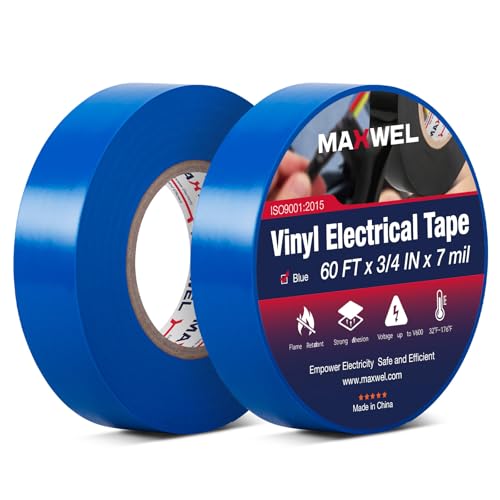
Maxwel Blue Electrical Tape, Professional Grade Vinyl Wire Insulating

NSI WarriorWrap General Blue Vinyl Electrical Tape, 3/4in x 60ft

NSI WarriorWrap Blue Vinyl Electrical Tape 3/4in x 60ft & WW-716-WT Combo
More On The Choices That Made The List
The GTSE wide-format roll earns its spot at the top of the list for anyone wrestling with broad conductors, bus bars, or grounding straps where a standard 3/4-inch strip just falls short. At two inches across, it covers more surface in a single wrap, which saves time on panel builds and large-junction splices. It’s a 7-mil PVC construction carrying both UL and CSA listings, so it holds up under inspection on professional job sites.
Compared to the narrower rolls later in this list, this one trades fine detail for raw coverage. Homeowners rewiring a ceiling fan don’t need it, but contractors pulling large-gauge feeder conductors or covering exposed bus work will appreciate the broader canvas.
Everyday Perks
- The 2-inch width lets you wrap a large terminal lug or bus bar in one or two passes instead of layering narrower strips.
- UL and CSA listings signal compliance for code-sensitive work, which matters for permits and inspections.
- Seven-mil thickness holds its body under tension, so it doesn’t stretch thin or snap mid-pull on heavier splices.
- The 66-foot length matches the standard roll format, so it integrates with familiar toolbag stocking habits.
Trade Offs
- The wide format is awkward for tight junction boxes and small-gauge wire nuts where precision matters more than coverage.
- It’s a single-color roll, so color-coding across a panel run means buying additional colors separately.
Who It Suits Best
Electrical contractors and industrial technicians handling panel work, bus bars, or large conductor insulation where wide coverage and code-listed materials are both essential.
Skip It When
DIYers handling small outlet or switch repairs will find the GTSE Mixed Colors Electrical Tape 10 Rolls a more practical fit, since narrower rolls and color variety matter more than width.
This ten-pack from GTSE shifts the conversation from a single roll to a complete color-coding system. It includes assorted colors, so a service truck or workshop drawer can stock blue for neutrals, red for secondaries, and so on without ordering separate rolls. Each roll keeps the same 3/4-inch by 66-foot dimensions and 7-mil build as the brand’s single-roll options, with both UL and CSA listings baked in.
The honest read is that this isn’t about premium performance, it’s about volume and labeling discipline. Techs running multi-circuit panels, AV installers managing low-voltage signal runs, or hobbyists labeling DC projects get a complete kit in one delivery.
The Helpful Details
- Ten rolls at once remove the hassle of reordering colors mid-project when a new circuit label comes up.
- Matching 3/4-inch width and 7-mil thickness across the pack keeps insulation behavior consistent regardless of color.
- UL and CSA listings on every roll mean color choice never compromises code compliance.
Points To Keep In Mind
- Buying ten rolls at once only makes sense for shops or projects that genuinely use multiple colors regularly.
- Storage in a warm truck cab can cause adhesive softening over time, so climate matters for long-term stockpiling.
Right Fit For
Field service electricians, AV installers, and serious DIYers who label multiple circuits or signal types and want every common color in one delivery.
Look Elsewhere When
Someone rewiring a single room or doing one-off outlet repairs would do better with the GTSE Blue Electrical Tape 3 Rolls, which offers enough stock without committing to ten rolls of assorted colors.
The Avery Dennison EE-100 is the kind of blue tape that quietly handles most residential jobs without drawing attention to itself. It’s a general-purpose PVC build with UL and CSA listings, sized at the familiar 3/4-inch by 66-foot format. The vinyl resists weather, water, and heat across a working range from 32 to 176 degrees Fahrenheit, which covers garage repairs, attic splices, and outdoor fixture work in temperate climates.
Where the wide GTSE roll above trades precision for coverage, this one stays in the lane of everyday outlet, switch, and lamp cord repairs. Homeowners who want one reliable roll in the junk drawer will land here.
Real-World Strengths
- General-purpose PVC holds up across the temperature range most homes actually experience, from unheated basements to attic heat.
- Strong sealing behavior helps wraps stay put over months rather than peeling at the edges.
- UL and CSA listings make it acceptable for permitted residential work, not just informal fixes.
- The 66-foot length matches industry standard sizing, so it works with existing bench organizers and tape dispensers.
Honest Caveats
- General-purpose dielectric strength is lower than the Pro-36C version below, so it’s not the first choice for high-voltage panel work.
- Single-roll packaging means repeat shoppers re-order often if a project goes through several wraps.
Best Suited To
Homeowners, renters, and DIYers who need one dependable blue roll for outlet repairs, cord splicing, and light fixture work without paying for pro-tier dielectric ratings.
Swap It Out When
Anyone tackling high-voltage splices or commercial panels should reach for the Avery Dennison Pro-36C instead, since professional-grade dielectric strength makes a real difference on those jobs.
The 3M Temflex 165 in a ten-roll blue pack targets the workshop or service-truck crowd that goes through tape faster than the average homeowner. It’s a 6-mil vinyl build, slightly thinner than the 7-mil options earlier, but it remains conformable down to 32 degrees and rated for ambient use up to 194 degrees. Flame-retardant construction and resistance to abrasion, moisture, alkalies, and acid round out the durability profile.
The honest read here is that 3M’s reputation does a lot of the selling, and for good reason. This is the kind of tape that gets pulled out of the drawer for daily splicing, equipment tagging, and quick repairs without much ceremony.
What Makes Sense
- Ten rolls at once suit high-volume users and remove the hassle of frequent reordering on busy jobs.
- Flame-retardant vinyl adds a layer of safety in panels and equipment housings where heat is a concern.
- Cold-weather conformability down to 32 degrees keeps the wrap flexible in unheated garages and winter outdoor work.
- 3M’s broad availability makes replacement rolls easy to source even in remote areas.
Small Caveats
- Six-mil thickness is slightly lighter than the 7-mil options elsewhere, so it may feel less substantial on heavy splices.
- The 60-foot roll length is shorter than the 66-foot standard, meaning slightly more frequent roll changes on big jobs.
Who Should Grab It
Maintenance technicians, workshop owners, and serious DIYers who use tape daily and want a bulk pack from a recognized brand without chasing down single rolls.
Consider Something Else When
Someone who only needs occasional repair tape will overbuy here; the Avery Dennison EE-100 single roll covers light-duty needs without the bulk commitment.
The Pro-36C is Avery Dennison’s step-up from the EE-100 reviewed earlier, aimed squarely at jobs where dielectric strength is non-negotiable. It’s a professional-grade PVC tape carrying UL and CSA listings, holding the same 3/4-inch by 66-foot format but pushing higher insulation ratings. The build supports demanding splices, equipment repair, and automotive wiring where a thin, general-purpose wrap would be a compromise.
Where the EE-100 above handles light residential fixes, the Pro-36C steps into territory where the work needs to pass inspection or stand up to sustained electrical load. Contractors and serious automotive hobbyists will see the value right away.
Positive Points
- Higher dielectric strength than general-purpose PVC makes it appropriate for professional splicing and equipment repair.
- UL and CSA listings keep it compliant on permitted residential and commercial work.
- Strong sealing and adhesion behavior prevents the slow edge-peel that frustrates users of cheaper wraps.
- Same 66-foot format means it fits existing tape dispensers and bench setups without adjustment.
Practical Considerations
- Pro-grade pricing sits above general-purpose tape, so it can feel like overkill for casual weekend repairs.
- Single-roll packaging means high-usage shops go through orders quickly.
The Right Fit
Licensed electricians, automotive technicians, and experienced DIYers working on equipment repair or permitted wiring where dielectric ratings matter and inspection compliance is required.
Reach For A Different Pick When
Homeowners handling simple outlet or lamp repairs get everything they need from the Avery Dennison EE-100, and the extra dielectric strength here goes unused.
This three-pack from GTSE lands in the sweet spot for homeowners who burn through a roll faster than they expect but don’t need ten rolls of mixed colors. Each roll sticks to the brand’s familiar 3/4-inch by 66-foot, 7-mil format with UL and CSA listings, so the multi-pack doesn’t sacrifice any of the code-listed credentials of the single-roll option.
Three rolls let one live in the garage, one in the basement workshop, and one in the kitchen junk drawer. That’s a small convenience that pays off the first time an emergency repair happens in an unexpected spot.
Advantages To Know
- Three rolls offer convenient multi-location stocking without committing to a full ten-pack.
- The 7-mil build and UL/CSA listings match the brand’s single-roll spec, so quality stays consistent across packs.
- Standard 66-foot rolls drop into existing bench organizers without a second thought.
Less-Strong Areas
- All three rolls are blue, so color-coding across multiple circuits requires buying separate colors elsewhere.
- Storing three rolls in a hot attic or uninsulated garage can shorten adhesive life if temperatures swing widely.
Whose Shelf It Belongs On
Homeowners and renters who want a backup roll in every workshop, garage, and drawer without buying ten rolls or mixing colors they don’t need.
Where Another Pick Suits Better
Anyone planning a color-coded panel installation will get more from the GTSE Mixed Colors Electrical Tape 10 Rolls, since varied colors matter more than backup stock in that scenario.
The Maxwel pro-grade vinyl tape targets the cost-conscious workshop crowd that still wants professional-grade behavior. It’s rated for electrical repairs, cable color coding, and DIY projects up to 600V, covering both home and light industrial applications. The adhesive quality aims to stick securely to varied surfaces without lifting over time, which matters for splices that sit undisturbed for months or years.
Where the Avery Pro-36C above leans on brand heritage, this one leans on value. For shop owners stocking a parts bin, the per-roll math tends to matter more than the label on the core.
Real Benefits
- The 600V rating supports a wide range of home and light-industrial wiring without rolling out specialized tape.
- Strong adhesive quality reduces the edge-lift that forces re-wraps on long-stored splices.
- Color-coding versatility makes it useful for cable labeling in AV racks and network closets.
Things To Consider
- Less established brand recognition means spec consistency can vary between batches, which is worth checking on arrival.
- Single-roll packaging means heavy users reorder frequently.
Built With In Mind
Workshop owners, hobbyists, and budget-conscious pros who want pro-grade voltage ratings and adhesive behavior without paying for premium-tier branding.
Not Your Match When
Contractors who need consistent spec compliance across large jobs should stick with the Avery Dennison Pro-36C, where brand traceability adds confidence on inspected work.
The NSI WarriorWrap general blue tape is built for the splices that have to survive weather swings, from below-freezing nights to hot summer afternoons. The 7-mil vinyl combines strong adhesion with enough elasticity to wrap irregular shapes, and it’s formulated to resist flagging, cracking, and adhesion loss across temperature extremes. Residential and commercial users both get coverage from simple repairs to more involved runs.
Compared to the indoor-focused rolls earlier, this one targets outdoor junction boxes, marine applications, and any wiring that sits exposed to the elements.
What Helps Most
- All-weather formulation keeps wraps intact through freeze-thaw cycles that destroy standard vinyl tape.
- Good elasticity helps the tape conform to irregular connector shapes without bunching or peeling.
- Resistance to flagging and cracking extends service life on outdoor splices that go untouched for months.
- The 7-mil build gives it a substantial feel in hand, similar to the GTSE options reviewed above.
Worth Bearing In Mind
- The 60-foot roll length is shorter than the 66-foot standard seen elsewhere, so heavy users replace rolls more often.
- Single-roll packaging means outdoor projects spanning multiple boxes add up in shipping and packaging waste.
Perfect Match For
Marine technicians, outdoor lighting installers, and homeowners with exposed wiring runs who need a wrap that survives rain, sun, and cold without constant reapplication.
A Better Fit Elsewhere
Someone rewiring indoor outlets and switches doesn’t need the weather-rated formulation; the Avery Dennison EE-100 handles interior work more efficiently.
This combo pairs the NSI WarriorWrap blue general tape with the WarriorWrap Select white variant in a single bundle, giving field techs two weather-rated rolls without separate orders. Both share the 7-mil build, flame-retardant vinyl, and resistance to UV, abrasion, and corrosion that define the WarriorWrap line. The blue roll handles standard splicing while the white one covers neutral identification or marking runs.
For service trucks that bounce between residential and light-commercial calls, having one of each color in the cab removes the “grab the wrong roll” problem on the first visit of the day.
Good Reasons To Consider
- Two rolls at once cover the most common color-coding pairing without separate orders.
- Flame-retardant construction and UV resistance extend service life on exposed outdoor runs.
- Strong adhesion and elongation keep wraps secure on irregular connectors in field conditions.
Possible Compromises
- Only two colors limits full circuit-labeling systems that need more variety.
- The 60-foot roll length is shorter than the 66-foot industry standard seen elsewhere on this list.
Who Will Love This
Field service electricians and HVAC technicians who want a weather-resistant two-color combo on the truck without committing to a full ten-pack of assorted colors.
Where A Sibling Pick Shines
Anyone running multi-circuit panel labeling needs more than two colors; the GTSE Mixed Colors Electrical Tape 10 Rolls covers that scope more completely.
What Matters Most Before Choosing Blue Electrical Tapes
Voltage Rating And Dielectric Strength
Dielectric strength refers to a tape’s ability to resist electrical breakdown across its thickness. For most household wiring at 120V or 240V, general-purpose PVC tape handles insulation reliably. For panel work, equipment repair, or commercial runs, pro-grade options like the Avery Pro-36C push higher ratings and give a wider safety margin. Always match the tape’s voltage rating (often printed on the core) to the job.
Width And Thickness
Width changes how a tape feels in the hand and how much conductor it covers per pass. The 3/4-inch format is the residential standard and fits most junction boxes and tape dispensers. The 2-inch GTSE wide roll covers bus bars and large terminals in fewer wraps. Thickness, measured in mils, generally runs 6 to 7 mils in this category. Heavier mils feel sturdier but reduce flexibility on tight bends.
Listings And Code Compliance
UL and CSA listings indicate that a tape has passed third-party safety testing. For permitted residential or commercial work, listings matter because inspectors check them. The GTSE, Avery Dennison, and 3M options on this list all carry these certifications. Unlisted tape may be fine for non-permitted DIY fixes but isn’t appropriate for code-sensitive projects.
Weather And Temperature Range
Outdoor splices, marine applications, and unheated spaces push tape into conditions where standard vinyl can crack or lose adhesion. Weather-focused options like the NSI WarriorWrap line resist flagging and cracking across freeze-thaw cycles. Check the temperature range on the packaging if the wrap will face attic heat, unheated garage cold, or direct sun exposure.
Key Considerations Across These Picks
Pitfalls Shoppers Hit
The most common slip is buying general-purpose tape for pro-grade splices and assuming “electrical tape” is all the same. Dielectric strength varies a lot between economy rolls and pro-grade vinyl, and that gap shows up the first time a splice sits under sustained load. Another trap is grabbing the cheapest non-listed tape for permitted work, only to fail inspection. Match the tape to the job’s actual electrical and code demands.
When Paying More Pays Off
The price jump from general-purpose to pro-grade tape is real, but it buys higher dielectric strength, better adhesive systems, and listings that hold up under inspection. For licensed electricians, automotive technicians, and DIYers tackling equipment repair, the upgrade pays for itself in avoided callbacks and safer splices. For occasional outlet fixes around the house, the general-purpose tier is plenty.
Frequently Asked Questions
What does the blue color mean on electrical tape?
Blue typically indicates a neutral conductor or a low-voltage signal wire in standard color-coding practice, though conventions vary by region and application. Some installers use blue for Phase B in 277/480V commercial systems, so context matters.
Can blue electrical tape handle outdoor use?
Only tapes formulated for outdoor exposure should go on exterior splices. The NSI WarriorWrap options resist UV, moisture, and temperature swings that destroy standard vinyl in weeks. Indoor general-purpose rolls break down quickly when exposed to rain or sun.
How wide should electrical tape be for most home projects?
The 3/4-inch width covers almost every residential outlet, switch, and splice scenario. The 2-inch wide GTSE roll is built for bus bars and large terminals, which most homeowners rarely encounter. Stick with 3/4-inch unless a specific job calls for wider coverage.
Is UL listing really necessary for DIY repairs?
For permitted work or any splice that an inspector might see, yes. For non-permitted, non-inspected DIY fixes like a lamp cord repair, unlisted tape is a calculated trade-off. The safer default is buying listed tape even for small jobs.
How long does electrical tape last once applied?
Indoor splices with stable temperatures can last decades. Outdoor or attic splices face UV, heat, and freeze-thaw cycles that shorten life. Most manufacturers suggest re-inspection every few years on exposed or high-vibration applications.
Wrap Up
The right blue roll comes down to matching the tape to the job. Contractors and panel techs lean toward the wide GTSE or the pro-grade Avery Pro-36C. Homeowners running occasional repairs get reliable coverage from the EE-100 or the three-pack. Outdoor and marine work points toward NSI WarriorWrap. Color-coding across circuits calls for the ten-pack kit. Whatever the project, a listed tape with the right dielectric rating makes the difference between a splice that lasts and one that fails at the worst moment.
