

If you’ve ever tried to run a CNC mill, a lathe, or an air compressor in a home shop with only single-phase power coming off the grid, you already know the frustration. A phase converter bridges that gap by generating a third leg of power so standard three-phase equipment can run on regular 240V single-phase service. I put this roundup together for hobby machinists, small fabrication shops, and anyone planning a serious home garage upgrade.
The Picks In Brief

American Rotary Phase Converter AR5 5 HP 1 to 3 Phase

American Rotary AR15 15HP 1 to 3 Phase Converter
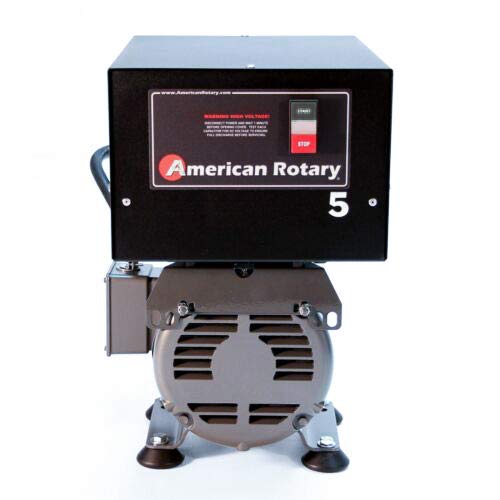
American Rotary AR5F Floor Unit 5HP Phase Converter

American DPS Digital Phase Converter 5HP 15A
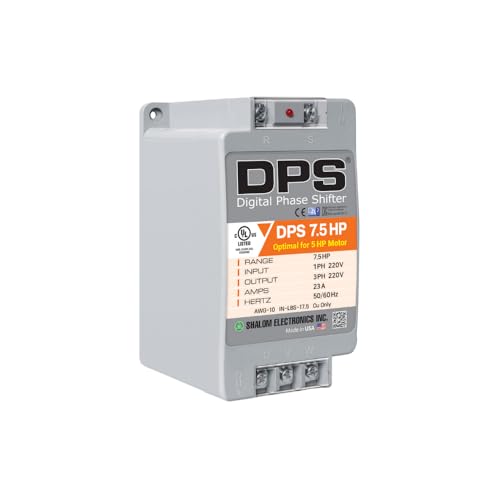
American DPS Digital Phase Converter 7.5HP 23A

American DPS Digital Phase Converter 10HP 30A
Meet The Standout Selections
The American Rotary AR5 sits in a comfortable middle spot in the rotary converter world, sized for someone who has graduated from bench-top tools and wants a proper Pro Series unit. It runs on standard single-phase 208-240V input and outputs three-phase power suitable for general-purpose motors, CNC machines, and combination loads up to about 7 amps resistive on the generated leg. That’s enough headroom for a small mill, a lathe, or a small air compressor without oversizing your electrical service.
Where the AR5 earns its Editor’s Choice spot is the balance between capability and accessibility. Pro Series construction means heavier-duty internal components than entry rotary builds, and the 5 HP rating covers the most common hobby-shop scenarios. For most backyards and one-car garages, this is the size that matches the tools people actually buy.
Real-World Strengths
- Sized correctly for the most common small-shop loads, including 2.5 HP CNC and 2.5 HP single-motor applications.
- Pro Series construction typically translates to longer component life under repeated start cycles.
- 208-240V single-phase input works with standard residential and light commercial service panels.
- Provides the rotary smoothness three-phase motors expect, so tooling runs at proper RPM without humming.
- Simpler to wire than static or digital alternatives, which makes installation approachable.
Trade Offs
- Only handles light-to-moderate loads, so heavy mills or large compressors need a step up.
- Rotary designs generate a constant low hum while running, which matters in attached garages.
- Floor placement requires some clearance around the cabinet for cooling airflow.
Feature Snapshot
Best Suited To
Home hobbyists and small-shop owners running a single CNC, lathe, or compressor up to about 2.5 HP on standard 240V service.
Consider Something Else When
Step up to the American Rotary AR15 if you regularly run multiple heavy tools or a larger compressor on the same circuit.
The American Rotary AR15 is the heavier sibling to the AR5 covered above, and it covers the workloads the smaller unit cannot touch. Rated for 15 HP input class with a 7.5 HP single-motor start, it generates a third leg capable of feeding a 21-amp resistive load. That’s the size most small fabrication shops actually need once they own more than one machine tool or a serious air compressor.
Where the AR15 earns its place is mid-range muscle. If you’re running a 5 HP table saw, a 7.5 HP air compressor, or stacking a CNC plus a lathe, the AR15 keeps everything fed from a single-phase service without voltage sag on startup. It’s a noticeable step up in physical size and weight from the AR5, so plan floor space accordingly.
The Practical Payoff
- Handles a 7.5 HP single-motor start, so most medium compressors and mills spin up cleanly.
- 21-amp generated-leg rating leaves headroom for combination loads running together.
- Pro Series rotary design protects tool motors from startup stress.
- One unit covers an entire small shop rather than requiring multiple converters.
Points To Note
- Larger and heavier than entry-level rotary converters, so smaller garages may feel crowded.
- Pulls more single-phase current on startup, requiring a properly sized breaker and wire run.
- Constant running hum is louder than a digital alternative, which can be a factor in attached workshops.
Feature Snapshot
Right Fit For
Small fabrication shops and serious home workshops running multiple three-phase tools or a single 7.5 HP load.
Reach For A Different Pick When
The American Rotary AR5 will serve you better if your largest tool is closer to 2-3 HP and space is tight.
The American Rotary AR5F takes the same Pro Series internals as the AR5 and wraps them in a floor-standing cabinet designed for garage and shop placement. The 5 HP rating, 2.5 HP single-motor start, and 7-amp resistive ceiling carry over from its sibling, so the electrical performance is identical. The change is mechanical: a floor-friendly form factor that sits directly on the slab rather than wall-mounting.
For shop owners who don’t want to drill into studs or hang a heavy box on a wall, the AR5F answers a practical concern. Some setup is still required, but the layout is meant for the kind of rough-and-tumble environment of a working garage. Compare it to the AR5 and the choice is really about installation preference, not capability.
What Pays Off
- Floor-standing cabinet removes the need for wall mounting in concrete shops.
- Same Pro Series performance envelope as the AR5.
- Compact enough for a one-car garage corner.
- 208-240V single-phase input matches common residential service.
Room For Improvement
- Some assembly required on arrival, which adds setup time.
- Takes up floor space that could otherwise hold a tool cart or workbench.
Built With In Mind
Garage-based hobbyists who want a rotary converter without mounting hardware and have standard 240V service available.
A Better Fit Elsewhere
The DPS Digital 5HP is the smarter pick if low hum and a sealed cabinet matter more than rotary design.
The American DPS Digital 5HP trades the spinning rotary mass of the AR-series for a solid-state digital design. It takes 200-240V single-phase in and outputs 200-240V three-phase at 15 amps, with a sealed cabinet that resists dust, moisture, and heat. For a tight workshop or a basement install where a rotary unit would feel oversized, the digital format makes a lot of sense.
The other big draw is silence. There’s no idler motor running constantly, so the cabinet hum that defines a rotary shop just isn’t there. Setup is described as extremely easy, and 3-phase power keeps continuing even after motor starts, which matters for CNC tooling with frequent on-off cycles.
Everyday Advantages
- Compact and light enough to fit on a bench or shelf in tight shops.
- Sealed enclosure keeps dust and shop grime out of the electronics.
- Quieter than a rotary converter because there’s no idler motor.
- Low power consumption compared to rotary designs at the same output.
- No high-frequency generation on the line, protecting sensitive electronics.
Honest Caveats
- Digital topology can be less forgiving with combined heavy motor starts than rotary.
- Higher repair complexity if the internal electronics ever fail.
Whose Shelf It Belongs On
Shop owners with a single small-to-medium three-phase tool who want a quiet, sealed unit in a dust-prone workspace.
Swap It Out When
Move up to the DPS Digital 7.5HP if your tool of choice sits closer to the upper edge of that rating.
The DPS Digital 7.5HP takes the same sealed, low-noise digital design covered in the 5HP model and pushes it to a 23-amp output. That extra current is what lets it run mid-size CNC spindles and heavier air compressors without complaint. Single-phase 200-240V input keeps the install simple, and the digital topology avoids the rotary hum that drifts through a house if the shop shares a wall.
For a shop that’s outgrown a 5 HP digital unit but doesn’t want the footprint or noise of a rotary, this is the natural next step. Compared to the rotary AR15 covered earlier, the DPS trades some raw single-start capacity for a quieter, more compact package. You may find it suits a CNC-focused shop better than the AR15 if CNC duty is the primary load.
Good Reasons To Consider
- 23-amp output handles mid-size CNC and compressor loads comfortably.
- Sealed enclosure shrugs off shop dust and humidity.
- Keeps the floor footprint small relative to a rotary of similar capability.
- Easy claims process if anything goes sideways after delivery.
Small Caveats
- Single-phase input current draw is high enough to require proper breaker sizing.
- Costs more than an equivalent rotary at this output level.
Who Should Grab It
Mid-size CNC operators and shop owners who need more than 5 HP output without rotary noise.
Not Your Match When
The AR15 is the more practical pick when raw single-motor starting capacity matters more than noise.
The DPS Digital 10HP tops out the digital lineup at 30 amps of generated-leg capacity. That puts it firmly in larger-machine-tool territory, suitable for 7.5 HP and up compressor or mill combinations. The sealed design, dust-blocking cabinet, and quiet operation all carry over from the smaller DPS units covered above.
This is the unit for shops that have moved beyond hobby territory and need digital-grade power delivery at a serious output level. For most home garages, it may be more converter than necessary, but for a working fabrication space it answers a real demand.
Notable Gains
- 30-amp output covers 10 HP class three-phase equipment comfortably.
- Sealed digital design keeps the cabinet safe from shop contamination.
- Significantly quieter than a rotary converter of equivalent rating.
- Compact relative to a rotary build that handles similar loads.
Worth Bearing In Mind
- Demands a properly sized single-phase feed, which may require electrical work.
- Investment is meaningful, so buyers running lighter loads may not recoup the cost difference.
Made For
Working fabrication shops and pro users running heavier three-phase machinery who want quiet digital operation.
Skip It When
The DPS Digital 5HP or 7.5HP is the smarter call if your largest tool sits below the 7 HP range.
What To Weigh Before Choosing A Phase Converter
A phase converter is essentially a power appliance, so matching it to your electrical service matters as much as matching it to your tools. The first thing to look at is the largest single motor you plan to start, since startup current is several times running current and is what trips undersized converters. Rotary designs handle single-motor starts more generously, while digital designs compensate with cleaner voltage at steady state.
Voltage class is the next check. Most home shops run 240V split-phase service, and every unit on this list targets 200-240V input. If your panel is only 120V, none of these will work without service upgrades. After that, look at the generated-leg amp rating, which is what determines whether combination loads can run together without sag.
Finally, weigh noise and footprint. Rotary converters run constantly while energized, so they add a low hum to the shop. Digital converters stay silent when idle, which can matter in attached garages or basement installs. Physical size matters too: floor-standing rotary cabinets need more clearance for airflow than a sealed digital box.
Key Considerations Across These Picks
Wrong Turns To Avoid
The most common slip-up is sizing to running watts instead of starting watts. A 3 HP motor pulls roughly 9 HP equivalent during startup, so a converter rated for that motor’s running load will trip every time it spins up. Match the converter to your largest motor’s HP, not its average draw.
Another trap is ignoring breaker and wire sizing. Phase converters draw heavy single-phase current, and undersized feeders create voltage drop that hurts both the converter and the tool. Make sure the electrical side is sized for the unit, not just the tool.
What Separates Premium From Basic
Higher-output models cost more because the internal components scale with current capacity. Bigger transformers, heavier busbars, and more robust contactors add real material cost. The upgrade also buys quieter operation in digital units, where higher-rated switching components run cooler and last longer.
For shops running one or two mid-size tools, the extra spend usually isn’t justified. For working spaces running heavier equipment daily, premium units pay back through longer service life and better startup behavior.
Frequently Asked Questions
What size phase converter do I need for a CNC mill?
Match the converter to the spindle’s largest HP rating, since startup current is several times the running draw. A 2.5 HP spindle is typically well served by a 5 HP class converter with overhead.
Can a phase converter run multiple tools at once?
Yes, as long as the combined single-motor-start HP stays below the converter’s rating and total running amps stay under the generated-leg ceiling. Many users sequence startup to avoid simultaneous surges.
Do rotary converters make a lot of noise?
They produce a constant low hum whenever energized because the idler motor is always spinning. Mounting on isolation pads and placing the unit away from living walls helps reduce perceived noise.
How is a digital phase converter different from a rotary one?
Digital converters use solid-state electronics to generate the third leg rather than a spinning idler motor. The result is quieter operation, a sealed cabinet, and no constant running hum, often with less tolerance for heavy simultaneous motor starts.
Is professional installation required?
Many owners wire these themselves, but if you’re not comfortable with panel work, hiring an electrician is the safer route. Either way, the single-phase feed must match the unit’s voltage and current requirements.
Closing Remarks
The right phase converter really comes down to your largest tool, your available service, and how much noise you can tolerate. The American Rotary AR5 and DPS Digital 5HP cover most hobby-shop needs, while the AR15 and DPS Digital 10HP step up for serious fabrication work. Match the unit to your workload, size your electrical service properly, and the rest of the shop tends to fall into place.
