

Whether I’m patching a panel, running a low-voltage lighting line in a workshop, or replacing frayed aircraft cable on a backyard rigging job, the right wire keeps the project moving instead of stalling. This roundup covers 10 picks spanning copper stranded electrical wire for hobbyist circuits and small repairs, plus stainless and galvanized steel aircraft cable for pulling, lifting, and structural runs. I’ll walk through what each one handles well, where it bends (or doesn’t), and who it’s built for.
The Picks In Brief
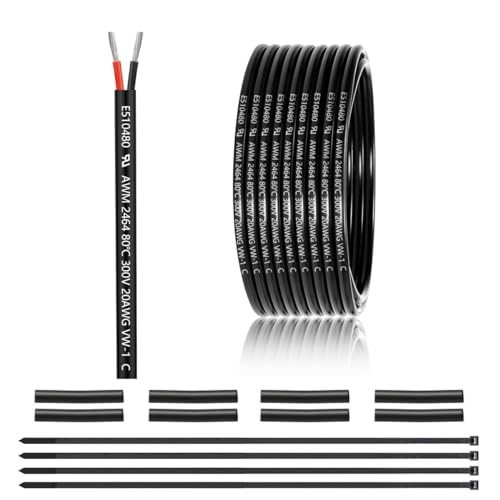
ENERJOUR 20 Gauge 2 Conductor Electrical Wire 25FT

Lesnlok 14 Gauge Wire 2 Conductor 100FT

ENERJOUR 16 Gauge 4 Conductor Electrical Wire 25FT

Mariocsa 3/32 Stainless Steel Cable 1000ft
ENERJOUR 18 Gauge 5 Conductor Electrical Wire 25FT
Groove Industrial 1/4” 7×19 Galvanized Aircraft Cable 100ft

Groove Industrial 1/8” 7×19 Galvanized Aircraft Cable 300ft

Mariocsa 1/2″ Stainless Steel Cable 100FT

Mariocsa 5/16 Stainless Steel Cable 100FT
Groove Industrial 3/16” 7×19 Galvanized Aircraft Cable 100ft
Meet The Standout Selections
This 20 AWG two-conductor cable is the kind of compact wire I reach for when a project only needs two paths and a short run. Tinned copper strands (26 per conductor) sit inside a black PVC jacket that bends without complaint, so it threads cleanly through a tight LED housing or a model railcar.
The 300V rating covers a wide swath of low-voltage DC circuits, and the VW-1/FT1 flame-retardant jacket is a quiet plus if the wire ends up tucked behind a panel. For beginners patching a desk lamp or running a 12V fan lead, the 25-foot length is forgiving without leaving a lot of waste.
Standout Benefits
- Tinned copper strands resist corrosion, which matters in workshops where humidity drifts up in summer.
- The PVC jacket stays flexible down to -40°F, so cold garage floors won’t make it crack on installation day.
- Comes with heat-shrink tubing and cable ties, which removes a second shopping trip for small repairs.
- UL Listed feel for an entry-level cable gives DIYers a small safety cushion.
Things To Consider
- At only 5A maximum, this wire is not the right match for anything pulling serious current like a small inverter.
- The 25-foot spool is short for whole-room runs, so plan on buying multiples for bigger layouts.
Who It Suits Best
Hobbyists working on short LED runs, model electronics, or simple DC repairs under 300V who want a tidy, well-spec’d copper wire.
Look Elsewhere When
DIYers wiring a long LED strip install should consider the Lesnlok 14 Gauge Wire 2 Conductor 100FT, which gives more reach and a thicker gauge for the same job.
The jump from 20 AWG to 14 AWG changes what a wire can carry, and this Lesnlok cable leans into that extra headroom. Two conductors of stranded oxygen-free copper give low resistance over long distances, which matters when a 12V LED strip fades toward the end of a 30-foot run.
The 100-foot spool covers most room-scale lighting projects and automotive accessory wiring without forcing a splice. Compared with the ENERJOUR 20 AWG cable above, this one trades the small-project friendliness for serious current capacity.
Where It Helps
- 14 AWG carries meaningfully more current, which protects voltage-sensitive LED strips from dimming at the far end.
- Oxygen-free copper construction is more oxidation-resistant than plain copper, helping joints stay clean over time.
- PVC insulation peels and cuts cleanly, so a hobbyist won’t fight the jacket during termination.
- The 100-foot length handles multi-room LED layouts and most automotive add-on circuits in one purchase.
Worth Noting
- It’s a heavier, stiffer cable than 20 AWG, which makes it harder to tuck into very tight model-scale projects.
- Two conductors limit it to single-color LED or basic power runs; RGB setups need something with more cores.
Made For
Installers running longer LED strip layouts, automotive accessory circuits, or low-voltage lighting projects that need current headroom.
Skip It When
Anyone wiring an RGB or addressable LED project should reach for the ENERJOUR 16 Gauge 4 Conductor Electrical Wire 25FT instead, since it carries the extra channels those setups need.
RGB LED strips need four wires, and this ENERJOUR cable is sized for that exact job. Four stranded tinned copper conductors share a single black PVC jacket, which keeps the wire bundle tidy behind a TV or under a shelf.
The 16 AWG rating pushes the current ceiling up to 11A, enough for mid-length RGB runs without voltage drop creeping in. Compared with the two-conductor ENERJOUR cable reviewed earlier, this one trades flexibility for channel count.
Good Reasons To Consider
- Four conductors support RGB LED strips and basic audio signal lines in one cable.
- 11A capacity handles most consumer LED projects without forcing a thicker gauge.
- VW-1/FT1-rated jacket offers flame-retardant insurance behind furniture or in-wall cavities.
- Stranded tinned copper keeps stripping clean, which makes soldering or screw-terminal work faster.
Trade Offs
- 25 feet can vanish quickly on multi-zone RGB projects, so larger installs may need extra spools.
- The 7.3mm outer diameter is noticeably bulkier than the 20 AWG cable, and tight corners can be a fight.
Best Suited To
Hobbyists installing RGB LED strips, addressable pixel runs, or basic low-voltage signal wiring in a single room.
Consider Something Else When
Anyone wiring RGBW strips or addressable LEDs needing five lines should step up to the ENERJOUR 18 Gauge 5 Conductor Electrical Wire 25FT for the extra conductor.
Sometimes a project needs a lot of thin cable rather than a little of thick. This Mariocsa spool ships 1,000 feet of 3/32-inch stainless steel wire rope, which is enough thin-gauge line for many model builds, sail rigging, or craft projects from a single purchase.
The 7×7 construction (seven strands of seven wires each) gives a balance of flexibility and durability. Compared with the copper cables above, this one trades electrical conductivity for mechanical strength and corrosion resistance.
Positive Takeaways
- The 1,000-foot length means most shops won’t run out mid-project.
- 304 stainless steel construction handles humid basements and outdoor exposure without rust spots.
- 7×7 strand layout bends smoothly around small pulleys and model fittings.
- The 920 lb tension rating covers most craft and small rigging jobs.
Some Limits To Know
- 920 lb of tension is fine for craft use but limits serious load-bearing rigging.
- Cutting stainless cleanly requires proper cable cutters; dull tools fray the ends.
The Right Fit
Model builders, RC hobbyists, and crafters needing a long spool of thin corrosion-resistant cable.
Swap It Out When
Anyone rigging a heavier load should reach for the Mariocsa 1/2″ Stainless Steel Cable 100FT, which is built for much higher tension.
RGBW strips and addressable LEDs need five conductors, and this ENERJOUR cable provides them in a single jacket. It’s a niche pick, but it’s exactly the right niche for the projects it’s built around.
The 41-strand tinned copper construction gives flexibility without sacrificing conductivity, so installers can route the cable around corners without it springing back. Compared with the 4-conductor ENERJOUR cable earlier, this one trades gauge for an extra channel.
A Strong Showing
- Five conductors cover RGBW strips, addressable pixels, and complex control wiring.
- 18 AWG handles 7.5A, which is plenty for most LED projects with a margin.
- VW-1/FT1 jacket rating adds flame-retardant protection behind walls or ceilings.
- Stranded tinned copper resists corrosion in humid rooms like bathrooms or kitchens.
Honest Caveats
- 25 feet runs out fast on whole-home addressable LED installs, so plan on multiple spools.
- The 7.3mm outer diameter is bulky and harder to hide than thinner 2-conductor cable.
Quick Facts
Who Will Love This
DIYers installing RGBW LED strips, addressable pixel runs, or any project that needs five independent lines in one jacket.
Where Another Pick Suits Better
Anyone wiring a long-distance run should consider the Lesnlok 14 Gauge Wire 2 Conductor 100FT, which offers more length and current capacity for single-channel installs.
A 1/4-inch aircraft cable is serious line for serious loads, and Groove Industrial’s galvanized version leans into that role. The hot-dip galvanization (a process that dips the steel into molten zinc to bond a thicker protective coating) is tougher than electroplated finishes, which matters in wet or coastal settings.
With 7,000 lb of breaking strength, this cable handles boat hoists and structural runs without complaint. Compared with the thinner Mariocsa stainless cable above, this one trades corrosion resistance of stainless for the rugged abrasion tolerance of galvanized steel.
What Helps Most
- 7,000 lb minimum breaking strength covers most residential hoisting and rigging tasks.
- Hot-dip galvanization is more corrosion-resistant than electro-galvanized finishes in wet environments.
- 7×19 strand construction (seven strands of 19 wires) keeps the cable flexible around tight bends and pulleys.
- 100-foot length suits many single-boat hoist and rigging installations.
Points To Note
- Not certified as aircraft control cable, so it should stay on workshop and rigging duty.
- 0.11 lb per foot adds up quickly, so a 100-foot spool is a heavy item to ship and store.
Feature Snapshot
Perfect Match For
Boat owners, garage builders, and rigging hobbyists needing a heavy-duty galvanized cable for hoists or structural runs.
A Better Fit Elsewhere
Anyone working in a coastal or chemical-exposed environment should consider the Mariocsa 5/16 Stainless Steel Cable 100FT for better corrosion resistance.
Cable railing projects eat up cable, and a 300-foot spool of 1/8-inch galvanized aircraft cable keeps the math simple. Groove Industrial wraps 300 feet into a single purchase, so installers can finish a multi-section deck railing without splicing mid-run.
The 2,000 lb breaking strength covers typical railing loads with a healthy safety margin. Compared with the thicker Groove 1/4″ cable reviewed earlier, this one trades raw load capacity for easier handling and concealment.
Everyday Wins
- 300-foot spool covers multi-section deck railings and long fence runs.
- Hot-dip galvanization handles rain, sun, and humidity over years of outdoor exposure.
- 7×19 strand layout feeds cleanly through cable railing hardware without fraying.
- 1/8-inch diameter is slim enough to keep railing lines visually quiet.
Less Ideal Details
- Not certified for aircraft control use, so it stays in the structural and decorative category.
- 2,000 lb breaking strength limits it to light rigging and railing, not heavy hoisting.
Built With In Mind
DIYers building deck railings, fence runs, or other outdoor projects needing a long, weather-resistant galvanized line.
Not Your Match When
Anyone needing a thinner craft cable for model work should consider the Mariocsa 3/32 Stainless Steel Cable 1000ft, which offers finer gauge at a much longer length.
This is the heavyweight of the roundup. Mariocsa’s 1/2-inch 304 stainless cable carries a 23,000 lb tension rating, which puts it firmly in structural and serious-load territory. For marine applications, structural tie-downs, or large-scale rigging, this is the size I think of first.
The 7×19 construction balances strength and flexibility, and 304 stainless steel shrugs off saltwater spray better than galvanized finishes. Compared with the galvanized Groove cables earlier, this one trades zinc coating for stainless corrosion resistance.
What Makes Sense
- 23,000 lb breaking strength is more than most residential or light commercial jobs require.
- 304 stainless steel stands up to marine environments without the rust streaks common to galvanized cable.
- 7×19 strand layout feeds through thimbles and rigging hardware without kinking.
- 100-foot length suits most single-project installations.
Practical Considerations
- The 1/2-inch diameter is overkill for typical deck railing, so confirm the load requirement first.
- Stainless cable is noticeably heavier than galvanized cable of the same diameter, so spool handling takes planning.
Feature Card
Whose Shelf It Belongs On
Marine workers, structural fabricators, and serious riggers needing the strongest corrosion-resistant cable in the roundup.
Reach For A Different Pick When
DIYers doing residential cable railing should consider the Groove Industrial 1/8” 7×19 Galvanized Aircraft Cable 300ft, which is properly sized for the lighter load.
Between the heavy 1/2-inch cable and the thinner craft sizes sits a practical middle ground. The Mariocsa 5/16-inch stainless cable handles garage door lines, winch cables, and moderate marine rigging without paying for overkill.
Its 9,000 lb tension rating covers most homeowner-scale heavy-lift applications, and 304 stainless steel handles coastal air better than galvanized finishes. Compared with the 1/2-inch Mariocsa cable reviewed earlier, this one trades capacity for easier handling.
Practical Advantages
- 9,000 lb breaking strength suits garage doors, winches, and boat lifts.
- 304 stainless steel resists corrosion in humid garages and coastal installations.
- 5/16-inch diameter is easier to handle and terminate than heavier 1/2-inch cable.
- 7×19 strand layout keeps the cable flexible for pulley-style mechanisms.
A Few Limitations
- Stainless cable costs more per foot than galvanized, which adds up on long runs.
- Still not certified for aircraft control use, so it stays in structural and mechanical applications.
Right Fit For
Homeowners needing a corrosion-resistant cable for garage doors, winches, or moderate marine rigging.
Where A Sibling Pick Shines
Anyone needing a longer galvanized spool for cable railing should consider the Groove Industrial 1/8” 7×19 Galvanized Aircraft Cable 300ft, which offers more length at lower cost.
The 3/16-inch Groove cable is the kind of mid-weight galvanized line I think of for general outdoor projects. It sits between the thin railing cable and the heavy 1/4-inch hoist line, giving a balance of strength and ease of handling that suits mixed jobs.
With 4,200 lb of breaking strength, it covers light rigging, small hoists, and fence bracing without oversizing. Compared with the heavier Groove 1/4″ cable reviewed earlier, this one trades capacity for a more friendly weight.
What Stands Out
- 4,200 lb breaking strength covers light rigging and small hoisting jobs.
- Hot-dip galvanized coating resists weather better than electroplated finishes.
- 7×19 strand layout keeps the cable flexible enough to wrap around standard thimbles and turnbuckles.
- 100-foot length handles most single-project installations.
Points To Keep In Mind
- Not certified for aircraft control use, so it stays in structural and mechanical applications.
- 0.065 lb per foot still adds weight across a long pull, so plan anchoring accordingly.
Spec Overview
Who Should Grab It
Homeowners and small-shop fabricators handling light rigging, fence runs, or general-purpose outdoor cable projects.
Another Choice May Suit
Anyone needing a longer run for cable railing should consider the Groove Industrial 1/8” 7×19 Galvanized Aircraft Cable 300ft, which fits thinner railing profiles.
What Matters Most Before Choosing Aircraft Electrical Wires
For copper electrical wire, gauge is the number that drives most decisions. Lower AWG numbers mean thicker wire and higher current capacity, so 14 AWG handles more load than 20 AWG but is also stiffer. Conductor count matters equally: two conductors suit single-color LEDs, four handle RGB, and five cover RGBW or addressable pixels.
For steel aircraft cable, diameter and breaking strength steer the choice. The 7×19 strand construction (seven bundles of 19 wires) is the flexible standard for most non-control applications, while 7×7 is stiffer and often used in push-pull setups. Galvanized cable costs less and resists abrasion well, but stainless steel is the right call in saltwater or chemical-heavy environments.
Voltage rating, temperature range, and jacket flame ratings (VW-1 and FT1 indicate the jacket self-extinguishes within a set time during a vertical burn test) matter when wire runs through walls, ceilings, or vehicle cabins. UL Listed copper wire carries a third-party safety review that DIYers often appreciate for insurance and peace of mind.
Picking The Right Specs Without Second-Guessing
Where Shoppers Go Wrong
The most common slip is choosing wire by spool length instead of gauge. A long spool of undersized wire still drops voltage across distance, leaving LEDs dim at the far end of a run. Another trap is mixing galvanized and stainless cable in the same assembly, which causes galvanic corrosion (an electrochemical reaction where the two metals eat each other) at the contact points. Picking cable by breaking strength without checking diameter also backfires when the cable won’t fit standard railing hardware.
When Paying More Pays Off
The extra cost of stainless steel over galvanized is justified in marine, coastal, and chemical-exposed environments where zinc coatings break down faster. Higher-strand-count copper (like oxygen-free or tinned variants) earns its premium in humid spaces, since bare copper oxidizes and adds resistance over time. Thicker-gauge wire costs more upfront but saves headaches from voltage drop on longer runs, especially for low-voltage LED installations.
