

Solar charging changes the way you think about a flashlight, especially during outages, camping weekends, and long drives where outlets are a memory. The right pick gives you light, backup power, and a calmer night stand or glove box, without adding much fuss. Some models lean toward emergency radio duty, others focus on throw, lantern-style spread, or pack-friendly convenience. That mix is useful, because your needs at home are rarely the same as your needs on the trail.
Quick Look At The Shortlist

Mesqool Solar Radio Emergency Hand Crank 12000mAh

yeatem Multifunctional Solar Flashlight

VOETIR LED Solar Flashlight 1500 Lumens

Lichamp 4-Pack Solar Camping Lantern
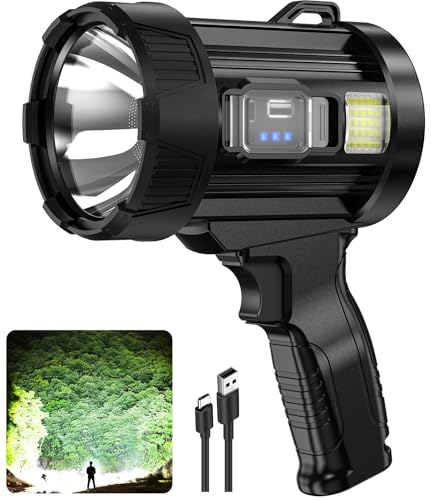
Kmivo Rechargeable Spotlight
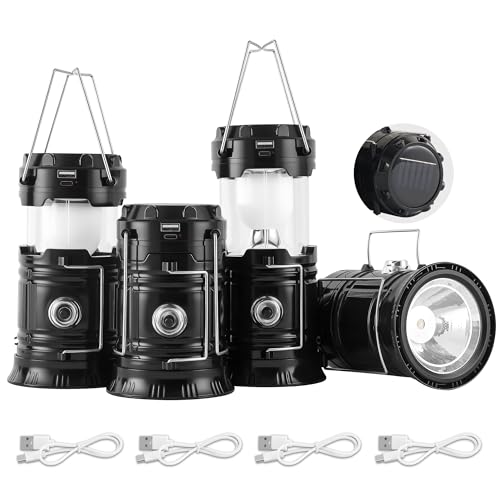
Lichamp Collapsible Portable Solar Camping Lantern

E-SHIDAI Solar Flashlight

Mudder 4 Pack Hand Crank Solar Powered Flashlight

GEEBONFLUGENS Solar Handheld Flashlight
More Details On Our Top Picks
This one stretches beyond flashlight duty, which matters during storms or roadside delays. The 12,000mAh battery is a large-capacity rechargeable pack, so the body is built to carry more than a basic torch. You also get AM, FM, and NOAA weather radio coverage, plus dual outputs and an SOS function for emergency planning.
The trade-off is size and complexity, since this is more of a preparedness hub than a pocket light. For a home emergency shelf, that’s useful, because one device can cover alerts, light, and phone charging without much fuss. It makes the most sense for storm prep, RV use, and anyone who wants fewer separate gadgets.
Strong Points
- Combines radio, lighting, and phone charging in one unit.
- The high-capacity battery supports longer use between top-ups.
- Dual outputs help share power with more than one device path.
- SOS mode adds a clear emergency signal option.
- Useful on a prep shelf, in a vehicle, or during outages.
Points To Note
- It takes up more space than a plain flashlight.
- More functions mean more controls to learn.
- The extra capability also adds some weight for carry-everywhere use.
Feature Snapshot
Who It Suits Best
Households building a storm kit or anyone who wants a multi-purpose emergency radio with lighting will get the most out of this model.
Where A Sibling Pick Shines
GEEBONFLUGENS Solar Handheld Flashlight suits someone who wants a simpler light for daily carry instead of a preparedness hub.
The yeatem model keeps the idea simple, a solar flashlight with a USB charging port that can also help power a phone. That kind of dual charging suits commutes, fishing trips, and an emergency drawer near the front door. Compared with the Mesqool unit, it stays closer to the core flashlight role and skips the radio layer.
The honest read is that this is a practical, no-drama choice for light use and backup charging. The solar panel helps when you’re away from a wall outlet, though the speed and convenience of solar charging usually depend on available light. You get the best fit when you want a basic tool that can live in a car, pack, or kitchen drawer.
What We Like
- Solar and USB charging give you two ways to refill it.
- The phone-charging function adds real backup value in outages.
- Compact flashlight styling suits grab-and-go storage.
- Works well as a straightforward everyday emergency light.
Softer Spots
- It does not add the radio functions found on Mesqool’s model.
- Solar charging can feel slower in weak light.
- The plain layout is handy, though it offers fewer extras.
Details At A Glance
Built With In Mind
Shoppers who want a simple solar flashlight with backup charging for a phone or power bank will find this one easy to place in daily life.
Another Choice May Suit
VOETIR LED Solar Flashlight fits better for someone who cares more about brightness and beam control than charging extras.
Brightness is the calling card here, and 1500 lumens is the kind of figure that matters for campsite paths, shed work, and roadside visibility. It also adds four modes, including high, low, SOS, and side light, so you can adjust the beam instead of settling for one setting. Unlike the yeatem flashlight, this one leans harder into illumination rather than charging convenience.
The IP65 rating means it’s built to handle dust and splashes in day-to-day outdoor use. That matters on wet ground or during sloppy weather, though a rating like that still doesn’t make it a diving light. The two-pack format also helps households that want one in the car and another in the home kit.
Highlights
- 1500 lumens gives you a strong beam for outdoor tasks.
- Four light modes add better control over the output.
- The side light broadens usefulness for close work.
- Two-pack packaging helps spread units across more than one location.
- IP65 protection suits rougher weather and dusty storage spaces.
Minor Gripes
- The brighter focus means less emphasis on power-sharing extras.
- Two units take more drawer or bag space than a single light.
- The mode options are useful, though they add a little learning curve.
Core Details
The Right Fit
Outdoor users who want a brighter handheld light for emergencies, camping, or utility jobs will get the most from this two-pack.
Skip It When
Kmivo Rechargeable Spotlight fits better for long-distance beam needs on water or open ground.
Lichamp takes a different path from the handheld lights above, because this is a lantern set meant to spread light through a room or campsite. The pop-up shape is useful in a blackout, where you want broad illumination rather than a tight beam. Four pieces also make this one appealing for families, shared cabins, or a truck and home combo.
USB rechargeable design gives you a second charging route beside solar use, which helps in bad weather or after a long storage stretch. The trade-off is obvious, though, since lanterns are less pocketable than the compact flashlights in this roundup. In most homes, that’s a fair exchange for room-filling light.
Bright Spots
- Four lanterns cover several rooms or gear bags at once.
- The pop-up form helps spread light over a wider area.
- Solar and USB recharge support varied charging habits.
- Well suited to power cuts, camping, and indoor backup use.
Room For Improvement
- Lantern styling takes more storage space than a flashlight.
- It’s better for area lighting than distance lighting.
- Four units can feel like more than some solo users need.
Feature Card
Whose Shelf It Belongs On
Households that want several lanterns for outage prep, family camping, or cabin storage will get strong value from this set.
Look Elsewhere When
VOETIR LED Solar Flashlight suits you better for a smaller handheld shape and more direct beam control.
Kmivo leans into throw, which means it’s built for seeing far rather than washing a whole room in light. The cob light, or chip-on-board panel, adds a broader glow for nearby tasks, so you get both reach and local fill. That makes it a strong match for boating, docks, and wide outdoor spaces where a focused beam helps more than a lantern shape.
The huge lumen claim signals a very bright spotlight style, but the practical value comes from how the beam is used rather than the headline number alone. Compared with VOETIR’s two-pack, this one feels more specialized and more likely to suit a single serious outdoor role. It also includes solar panels, which is useful for topping off between outings.
Reasons To Buy
- Spotlight form suits long-range viewing.
- Cob light adds a softer nearby beam for close work.
- Solar panels help support off-grid charging habits.
- Works well around water, docks, and open yards.
- The handheld shape keeps it easy to carry.
Areas To Watch
- The size and output focus make it less casual than a standard torch.
- Specialized beam style matters most in open spaces.
- The strong light output can be more than small indoor jobs need.
Spec Overview
Made For
Boaters, dock users, and anyone working across a large dark space will get the most from this spotlight-style format.
Where A Sibling Pick Shines
Lichamp 4-Pack Solar Camping Lantern suits households that need broad, shared light rather than a long beam.
Collapsible lanterns shine when storage space is tight, because they flatten down instead of hogging room in a drawer or pack. This 4-pack follows that logic closely, making it handy for emergency kits, weekend bags, and spare storage around the house. The shape feels less rigid than a classic flashlight, but that’s exactly why it works so well for broad backup lighting.
USB recharge support gives the set a useful backup path, especially when you want a fast top-up after a long shelf stretch. Compared with the larger Lichamp lantern set above, this one feels more packable and easier to tuck away. The compromise is that collapsible lanterns are more about convenience than aggressive light throw.
Best Bits
- Collapsible shape saves storage space.
- Four-pack format helps cover several bags or rooms.
- USB recharge adds a familiar top-up method.
- Good match for emergency kits and travel storage.
Small Caveats
- It is built more for area light than focused reach.
- Collapsible parts can feel less substantial than fixed shells.
- The pack format may be more than one person needs.
Quick Facts
Who Should Grab It
Travelers and emergency planners who want compact lanterns that disappear neatly into a kit will appreciate this set.
A Better Fit Elsewhere
Mesqool Solar Radio Emergency Hand Crank 12000mAh suits you better when you want a radio and flashlight in the same preparedness tool.
E-SHIDAI pushes brightness harder than the basic solar flashlight crowd, with a high-output LED core and stepless dimming. Stepless dimming means you can raise or lower brightness smoothly instead of jumping through fixed levels, which is useful around sleeping spaces or late-night chores. The main light and side light arrangement makes it feel more adaptable than a simple torch.
The 8000-lumen figure is a lot of light on paper, so the practical upside shows up in spaces that need visibility more than delicacy. For home backup, storm prep, and long power outages, that kind of output can feel reassuring. The trade-off is that stronger output usually asks more from battery management, so a model like this suits someone who pays attention to recharging habits.
Upsides
- 8000 lumens gives you strong illumination for large dark spaces.
- Stepless dimming makes it easier to tune brightness.
- Main and side light design broadens how you can use it.
- Good fit for home backup, camping, and emergencies.
Worth Noting
- High output tends to make charging habits more important.
- Brightness is a bigger focus than compact simplicity.
- The extra control may feel like more than some casual users need.
Feature Rundown
Perfect Match For
Homeowners and campers who want a bright solar flashlight with smooth dimming and more flexible output control will get the most from it.
Swap It Out When
yeatem Multifunctional Solar Flashlight suits you better when backup charging matters more than very high brightness.
Mudder’s hand crank setup gives this set a classic emergency feel, and that matters when you want light even after a long storage stretch. Solar support adds another off-grid option, so you are not tied to one charging method. The four-pack format makes the whole bundle easy to spread across backpacks, vehicles, and a home prep shelf.
Compared with E-SHIDAI’s brighter, more adjustable model, this set looks more like a readiness tool than a high-output torch. That is a good thing for families or group kits, because the value comes from having several units ready at once. Yellow and black color coding also helps you spot them quickly in a crowded bag or drawer.
Positives
- Hand crank charging gives you another backup path.
- Solar support adds flexibility for off-grid storage.
- Four units work well for shared emergency kits.
- Easy to distribute across cars, packs, and rooms.
Honest Caveats
- Emergency-style units usually focus on readiness over polish.
- Four packs need a bit more storage space.
- The design is practical, though not especially refined.
Core Details
Who Will Love This
Families, preparedness kits, and hikers who want multiple self-powered flashlights in one set will find this format especially useful.
A Better Fit Elsewhere
Kmivo Rechargeable Spotlight suits you more when a single long-range beam matters more than a four-piece backup set.
GEEBONFLUGENS lands in a useful middle ground, because it blends handheld flashlight use with a work-light style body. Four lighting modes give you enough flexibility for chores, outages, and campsite jobs without pushing into overcomplicated territory. USB-C charging is a nice practical touch, especially for households that already keep that cable style around.
Solar power adds a second charging path, which helps when the light lives in a vehicle or emergency drawer for long stretches. Compared with the brighter E-SHIDAI model, this one sounds easier to live with for routine tasks around the house. It suits anyone who wants one light for utility work, backup use, and casual outdoor carry.
Reasons To Buy
- Four modes make the light adaptable to several tasks.
- USB-C support fits common charging habits.
- Solar power adds backup convenience for storage and travel.
- The work-light style suits chores better than a tiny torch.
Trade Offs
- The hybrid style sits between flashlight and lantern, so neither role is extreme.
- People seeking a long-range beam may want a spotlight instead.
- The utility shape is handy, though it may feel less pocketable.
At A Glance
Right Fit For
Home users and campers who want one versatile light for chores, outage backup, and everyday carrying will find this model easy to live with.
Reach For A Different Pick When
Lichamp Collapsible Portable Solar Camping Lantern suits you better when you want a pack of space-saving lanterns instead of a single utility light.
How To Choose The Right Solar Power Flashlights
Charging Paths Matter More Than Most Shoppers Think
Solar charging sounds simple, but the details shape how useful a light feels in daily life. A flashlight with USB, USB-C, or hand crank backup gives you a second route when sunlight is weak or storage has been long. That matters most for outage kits, cars, and travel bags, where a dead battery is usually a timing problem, not a design problem.
Battery capacity also deserves attention because it affects how often you reach for a cable or panel. Larger packs suit homes and emergency shelves, while smaller lights are easier to keep in a pack or drawer. The trade-off is familiar, more reserve usually means more size and weight.
Beam Style Should Match The Space You Light
Handheld flashlights, lanterns, and spotlights solve different problems. A lantern spreads light across a table or room, while a spotlight reaches farther across a yard, dock, or road shoulder. That’s the difference between reading in a blackout and checking a fence line after dark.
For mixed use, a model with multiple modes or a side light gives you more flexibility. A plain beam is fine for quick tasks, though it can feel narrow in a campsite or utility room. Match the shape to your space, not just to the word “flashlight” on the page.
Emergency Extras Help When Plans Go Sideways
Some solar lights do more than shine, and that can be useful in a storm kit or vehicle. Radios, SOS modes, and phone charging can reduce the number of separate items you need to store. The catch is that added features usually mean more controls and a larger body.
You get the most value from those extras when the light sits in a home emergency spot or a car console, not in a jacket pocket. If your use is mostly camping or chores, a simpler model often feels easier to live with. Complexity only earns its keep when you’ll actually use it.
Size, Storage, And Weather Fit Shape Long-Term Use
Compact lights are easier to keep close, but larger lanterns and radios can be easier to find in a scramble. Water resistance, pack count, and collapsible parts also matter because storage conditions shape reliability over time. Dusty garages and damp camp bins are hard on gear that isn’t meant for them.
For daily carry, pick the lightest form that still covers your task. For a home prep shelf, the bigger unit often makes more sense, especially when it shares power or includes radio coverage. A little planning here keeps the flashlight useful instead of forgotten.
What To Weigh Before You Click
Mistakes Worth Dodging
One common miss is choosing a solar light with only one charging path and then expecting it to stay ready in cloudy weather. Another is picking a huge lumen figure without checking whether you actually need a spotlight or a room light. A storage box full of the wrong shape helps nobody during a blackout.
It also helps to think about where the light will live. A lantern suits a house shelf or campsite table, while a handheld beam works better in a glove box or backpack. That small placement decision saves you from buying something that feels awkward from day one.
The Upgrade Payoff
More expensive models usually spend that extra cost on larger batteries, stronger housings, more light modes, or extra functions like radio and charging outputs. Those additions matter most when you depend on the light during storms, travel, or extended outdoor use. In that setting, the upgrade is less about luxury and more about fewer compromises.
For casual walk-around use, a simpler solar flashlight may be enough. The extra spend makes sense when you want backup power, broader coverage, or a more durable build for rough storage. In other words, pay for the features you’ll reach for under stress, not the ones that just sound impressive.
Frequently Asked Questions
Do solar flashlights need direct sun to work well?
Direct sun usually charges faster, but many models can still gather power in bright daylight. The real difference shows up in speed, not whether the light can charge at all.
Which style fits a home emergency kit best?
Larger lanterns and flashlight-radio hybrids usually make the most sense for home prep. They cover rooms, outages, and backup power better than a tiny carry light.
Are higher lumen numbers always better?
Higher lumens help with distance and wide visibility, but they are not always the best match for close indoor work. A softer lantern or lower mode can be more comfortable in a small room.
What charging option is most convenient?
USB-C or USB charging is usually the easiest for routine top-ups. Solar and hand crank options are valuable as backup paths when outlets are unavailable.
Can one light handle both camping and outages?
Yes, but the body style matters. A lantern or flexible handheld light usually covers both jobs better than a narrow spotlight.
Closing Thoughts
You get the best results from solar power flashlights when you match the shape to the job, not just the charging method. A household prep kit points toward the Mesqool radio unit or a lantern set, while campers may prefer a lighter handheld model with simple charging backup. For long-range outdoor visibility, the Kmivo spotlight stands apart, and for everyday utility, GEEBONFLUGENS feels easier to live with. Choose the one that fits where you’ll store it and how you’ll actually use it.
