

Home backup power gets a lot easier once you match the battery to your actual setup, not just the biggest spec sheet. Some homes need a compact 12V pair for RV-style flexibility, while others need a rack battery that can sit beside an inverter and carry a serious storage load. The choices below lean on capacity, battery chemistry, expansion style, and practical install fit, so you can narrow things down without guesswork.
The Shortlist At A Glance

Jackery Explorer 2000 v2 Portable Power Station 2042Wh

12V 600Ah LiFePO4 Lithium Battery with 200A BMS

ECO-Worthy Cubix100 48V 600Ah Server Rack Battery LiFePO4 6 Pack
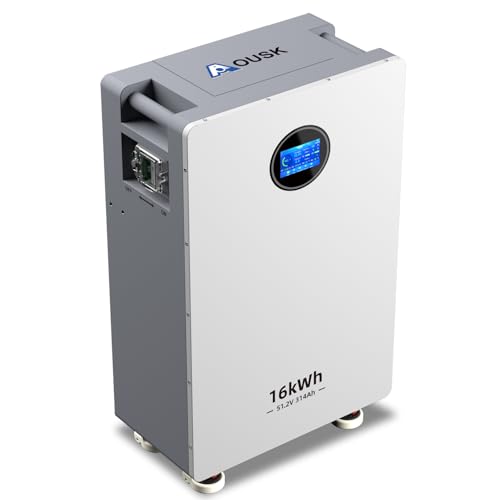
48V 314Ah LiFePO4 Lithium Battery 16.07kWh
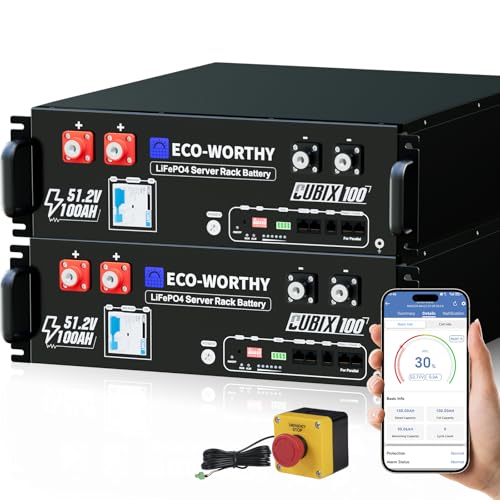
ECO-WORTHY Cubix100 48V 200Ah LiFePO4 Battery 2 Pack
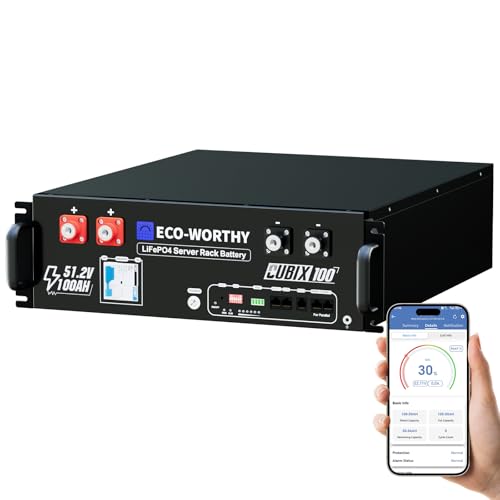
ECO-WORTHY Cubix100 48V 100Ah LiFePO4 Battery

Dyness 12V 100Ah LiFePO4 Lithium Battery 2 Pack

ECO-WORTHY Powermega 48V 314Ah LiFePO4 Battery 16.1kWh
More Details On Our Top Picks
For homes that want portable backup without giving up serious output, this Jackery sits in a useful middle ground. The LiFePO4 battery, which is a lithium iron phosphate cell type known for steadier long-term cycling, pairs with 2200W AC output, so it can cover a wider spread of appliances than small travel stations.
The 2042Wh capacity gives you enough stored energy for outage basics, weekend camping, or a workbench setup that needs room to breathe. Compared with the rack-style batteries later in this list, it’s easier to move and easier to understand, though you’ll want to think about how much runtime you really need before settling on a portable format.
Strong Points
- 2042Wh gives you meaningful stored energy for short outages and mobile use.
- 2200W AC output supports a broader range of household gear than smaller stations.
- USB-C PD 100W helps modern devices charge without a tangle of adapters.
- LiFePO4 chemistry usually suits frequent cycling better than older battery styles.
- Portable format keeps it useful for camping, backup closets, and garage storage.
Things To Consider
- Portable power stations still have finite runtime, so whole-home use needs careful load planning.
- The solar panel is optional, so a solar setup requires separate planning and hardware.
- Larger storage rooms may favor fixed rack batteries instead of a moveable unit.
Feature Snapshot
Who It Suits Best
You’ll get the most from this one as a home user who wants backup power that can also travel to campsites or job sites. It suits you especially well when you value portability more than a wall-mounted, permanently installed setup.
Where A Sibling Pick Shines
ECO-WORTHY Cubix100 48V 100Ah LiFePO4 Battery works better for a fixed solar room where rack mounting and expandability matter more than mobility.
This 12V battery leans into brute capacity, which matters in cabin builds, RV banks, and off-grid storage where 12V compatibility still rules the system. A 200A BMS, meaning battery management system, helps regulate charge and discharge behavior, so the battery is set up for heavier current handling than lighter-duty packs.
The IP65 sealing points to protection against dust and low-pressure water exposure, which is handy in garages, sheds, and utility spaces that are not climate-controlled. Compared with the Jackery, this is far less portable but much more fitting for a fixed installation that needs serious storage and a more conventional battery-bus layout.
Upsides
- 7680Wh of storage gives you room for large 12V energy banks.
- 200A BMS suits heavier load demands in a fixed system.
- IP65 sealing helps it fit rougher utility spaces.
- Low-temperature cutoff matters in colder garages or seasonal cabins.
- 12V format keeps it familiar for RV and off-grid wiring.
Softer Spots
- This size makes more sense in a permanent setup than in a portable one.
- Large capacity also means you need enough space, cabling, and system planning.
- Water resistance helps, but it still belongs in a properly installed battery area.
Core Details
Right Fit For
You’ll appreciate this most in a cabin, RV bank, or workshop setup where 12V compatibility and large capacity both matter. It suits you best when your system is designed around fixed, high-storage operation rather than carrying the battery around.
Look Elsewhere When
Jackery Explorer 2000 v2 Portable Power Station fits better for travel, tailgates, or short outage backup that needs easy moving.
Server-rack batteries like this one are built for people who want a tidy, modular battery wall rather than a loose stack of boxes. With 6 units and 30.72kWh of total storage, it suits a home backup room where the inverter, wiring, and expansion plan all live together.
The listed UL9540, UL1973, and CEC references matter because they speak to a more formalized system profile, though the install still needs the right electrical planning. Compared with the 12V dumfume battery, this one lives much closer to a whole-home solar architecture and makes less sense for casual, mobile use.
Reasons To Buy
- 6-pack configuration gives you a large storage block for fixed systems.
- 30.72kWh total capacity suits whole-home backup planning better than small packs.
- Server-rack form keeps the install orderly in a dedicated utility space.
- Listed standards help this feel suited to more structured solar projects.
- Good fit for homeowners building around expansion and clean cable management.
Points To Note
- The scale makes this a project item, not a grab-and-go battery.
- Transportation is treated as hazardous-material handling, so delivery and placement need care.
- The non-returnable status means you want to confirm fit before purchase.
Details At A Glance
Who Should Grab It
You’ll suit this best if you’re building a dedicated backup room and want serious storage in a rack format. It also fits a household that expects to expand the system over time instead of starting small.
Skip It When
Jackery Explorer 2000 v2 Portable Power Station makes more sense for smaller homes, temporary backup, or situations where you need mobility.
Some homes want one large battery instead of a stack of smaller units, and this AOUSK model answers that need directly. The 48V format works well for solar systems built around higher-voltage storage, which can simplify current handling in a properly matched setup.
Built-in breakers and the LCD touchscreen make day-to-day checking easier, while RS485, CAN, and RS232 connections point to broader communication options with compatible gear. Compared with the ECO-WORTHY rack set, this feels more like a single high-capacity centerpiece than a modular multi-battery wall.
Highlights
- 16.07kWh capacity gives you a very large single-battery reserve.
- 200A BMS suits demanding home storage arrangements.
- Breakers add a practical layer for managing the system.
- LCD touchscreen makes status checks more straightforward.
- RS485, CAN, and RS232 widen compatibility with supported equipment.
Room For Improvement
- A battery this size belongs in a planned install with space set aside.
- Communication options matter most when your inverter or controller supports them.
- For smaller backup needs, the scale may feel larger than necessary.
Feature Rundown
The Right Fit
You’ll get the most from this one in a home solar setup that wants one large storage block and clear monitoring. It suits you especially well when you value a cleaner single-unit install over multiple smaller batteries.
Another Choice May Suit
ECO-WORTHY Cubix100 48V 200Ah LiFePO4 Battery 2 Pack is easier to stage in smaller increments for a household that wants to expand gradually.
This two-pack sits in a sensible middle zone for home backup, especially for someone who wants rack-style batteries without jumping straight to the largest build. Bluetooth support gives you another way to monitor the system, which is handy in a utility room where quick status checks matter.
At 10.24kWh total, it’s more manageable than the 30.72kWh set above and easier to place in a growing setup. The trade-off is simple, you get less total storage than the larger rack options, but you also get a cleaner entry point for a solar storage cabinet.
Positives
- Two-battery setup makes the system easier to stage and place.
- 10.24kWh total storage suits mid-size backup plans.
- Bluetooth adds convenience for checking status nearby.
- Rack format keeps the layout organized in a dedicated space.
Small Caveats
- Less storage than larger rack sets means shorter backup runway.
- The rack format still asks for dedicated installation space.
- Pairing with the right inverter remains important for the setup.
Technical Sheet
Whose Shelf It Belongs On
You’ll fit this best in a home that wants rack batteries but doesn’t need a giant wall of storage on day one. It works well for a careful planner who expects to grow the system later.
Reach For A Different Pick When
ECO-WORTHY Cubix100 48V 600Ah Server Rack Battery LiFePO4 6 Pack suits a larger utility room and a more ambitious whole-home layout.
Among the rack-style options, this one makes the entry point easier to manage because the footprint stays smaller while still keeping the 48V structure. Bluetooth support is useful for checking on the battery without walking into the utility area every time you want a quick update.
The 5120Wh capacity is a practical size for a starter storage cabinet or a more modest backup bank. Compared with the 2-pack Cubix100 above, it gives you a single battery path instead of a paired setup, which can simplify placement in tighter rooms.
Bright Spots
- Smaller rack footprint suits tighter equipment rooms.
- 5120Wh gives you a manageable storage base.
- Bluetooth adds easy local monitoring.
- 48V format keeps it aligned with modern solar storage layouts.
Areas To Watch
- Single-battery storage may feel modest next to larger rack arrays.
- You still need a proper rack or dedicated placement plan.
- Expansion-minded homes may outgrow this size faster than expected.
Quick Facts
Built With In Mind
You’ll benefit most from this battery in a compact rack setup where space is tighter and monitoring convenience matters. It suits a homeowner building a first solar storage wall without jumping into a much larger array.
Where A Sibling Pick Shines
ECO-WORTHY Cubix100 48V 200Ah LiFePO4 Battery 2 Pack is the smarter fit for a household that wants more storage from the start.
For RV owners and smaller solar setups, the Group 31 format is the first thing that stands out, because fit matters as much as chemistry. You get a two-pack of 12V 100Ah batteries, plus low-temperature protection and a built-in 100A BMS, which makes the set feel well suited to common road and home-energy layouts.
This is the least intimidating choice in the group for someone stepping into lithium storage from a basic lead-acid arrangement. Compared with the bigger 48V racks, it’s easier to place and easier to think through, though you do give up the massive storage headroom that the larger systems bring.
Positives
- BCI Group 31 fit helps with common RV and utility installations.
- Two batteries give you a familiar starting point for a small bank.
- Low-temperature protection suits cooler storage conditions.
- Built-in 100A BMS supports everyday system protection and control.
Worth Noting
- Capacity is far below the large rack units in this roundup.
- The pair works best in compact or mid-size systems.
- Careful wiring and placement still matter for long service life.
Feature Card
Made For
You’ll like this most in an RV, a small solar bank, or a modest backup setup where the battery shape has to fit a known compartment. It suits you well when straightforward installation matters more than huge storage.
Swap It Out When
Jackery Explorer 2000 v2 Portable Power Station works better for portable backup and occasional travel use.
Powermega is aimed at a more serious home storage setup, with 16.1kWh on tap and a 48V architecture that fits larger solar plans. The 200A active balancing BMS, which helps keep cells aligned during charge and discharge, adds a layer of system management that matters most in bigger battery banks.
The 7-inch LCD and Bluetooth give you more direct visibility into the battery’s status, while the breakers and aerosol fire protection point to a design built with bigger installs in mind. Compared with the AOUSK battery, this one leans harder into monitoring and protective hardware, which will matter more to you as the system grows.
Best Bits
- 16.1kWh capacity suits larger backup and storage plans.
- Active balancing BMS helps manage cell alignment in use.
- 7-inch LCD gives you a larger status display.
- Bluetooth adds easier monitoring from nearby devices.
- Breakers and fire protection point to a more complete system design.
Honest Caveats
- The scale makes sense only in a planned installation.
- Non-returnable shipping raises the need to confirm fit early.
- Hazardous-material transport can complicate handling and placement.
Core Details
Perfect Match For
You’ll fit this best if your home backup plan is already moving into larger storage territory and you want strong monitoring built in. It suits a committed solar setup where a single premium battery can anchor the system.
Where Another Pick Fits Better
48V 314Ah LiFePO4 Lithium Battery 16.07kWh from AOUSK makes more sense for a household that wants similar capacity with a different control layout and communication set.
How To Choose The Right Solar Batteries For Home
Start With System Voltage And Space
Voltage sets the shape of the whole setup. A 12V battery works well in RV-style or smaller off-grid systems, while 48V models fit more modern home solar storage and usually make better sense once the system grows. The trade-off is simple, higher-voltage gear asks for the right inverter and more planning, but it can keep wiring cleaner in a dedicated battery room.
Space matters just as much as voltage. A portable power station tucks into a closet or garage shelf, while rack batteries and large stationary units want a dedicated spot with enough clearance for cabling and maintenance.
Match Capacity To Real Use, Not Guesswork
Capacity, usually shown in watt-hours or kilowatt-hours, tells you how much energy sits inside the battery. A few thousand watt-hours can carry lights, networking gear, and short appliance use, while 10kWh and up starts to feel like a serious home reserve. You’ll get the best fit by thinking through the loads you actually want to keep alive during an outage.
Big numbers can be tempting, but extra storage only helps when the rest of the system is ready for it. Smaller homes may do fine with a portable station or a pair of 12V batteries, while larger homes with transfer switches and solar gear usually justify rack-style storage.
Look Closely At Protection And Monitoring
BMS, or battery management system, is one of the most important parts to check because it helps regulate charge, discharge, and cell behavior. Low-temperature protection matters in colder garages or cabins, while Bluetooth, LCD panels, and breaker hardware make daily use easier in a real utility space. These details do not look flashy, but they shape how comfortably you live with the battery month after month.
Monitoring features also help you spot system status without digging through a dark storage room. That matters most for households that want a battery room to feel orderly rather than mysterious.
Think About Expansion Before You Start
Some battery setups are meant to grow in steps. A single 48V battery can make sense now and leave room for another unit later, while a rack battery kit can become the backbone of a larger backup wall. The honest read is that a planned path forward usually saves frustration later, especially in solar systems where every added unit affects the rest of the hardware.
That’s why the right choice depends on your ceiling, not just your current need. You want enough capacity for today, plus enough compatibility to avoid redoing the whole install next year.
Things Worth Knowing First
Wrong Turns To Avoid
Many shoppers focus on capacity alone and forget the installation reality. A battery can look impressive on paper, yet still miss the mark if the voltage, mounting style, or communication options do not fit the rest of your system.
Another common slip is underestimating space and handling. Large rack units and heavy stationary batteries call for planning, and the transport notes on some listings are a reminder to think through delivery, placement, and access before you commit.
What The Higher Tier Buys
Higher-end batteries usually cost more because they bundle more than raw storage. You often get larger displays, active balancing, stronger management systems, better monitoring, and layout features that make a serious solar room easier to live with.
That upgrade makes the most sense for homes that rely on backup power often, or for systems that already include an inverter, rack, and dedicated wiring. Smaller households can stay comfortable with simpler gear, but larger homes tend to benefit from the extra control and headroom.
Frequently Asked Questions
What voltage makes the most sense for home solar storage?
For smaller or RV-style setups, 12V remains familiar and easy to understand. For bigger home solar systems, 48V usually fits the architecture better.
How much capacity do you actually need?
That depends on the loads you want to keep running during an outage. Lights and networking need far less storage than a system meant to carry refrigerators or multiple appliances.
What does LiFePO4 mean?
LiFePO4 stands for lithium iron phosphate, a battery chemistry used in many solar and backup products. It’s valued for stable everyday use and frequent cycling.
Why do some batteries have Bluetooth?
Bluetooth gives you a simpler way to check battery status from nearby. It helps in a utility room where a display panel might not always be easy to reach.
Which style suits a growing home setup?
Rack batteries and large 48V units usually suit a growing system best. They leave more room for expansion than a small portable power station.
Final Thoughts
Your best match comes down to space, voltage, and how permanent the setup needs to be. A portable station like the Jackery works for flexible backup, while 12V and 48V batteries make more sense for fixed solar storage and larger home systems. Once you tie the battery type to the way you actually live, the choice gets a lot clearer, and the whole system feels easier to trust.
