

RV power needs are rarely glamorous, but they shape every trip. A good solar setup keeps lights, charging, and backup power steadier, whether you park for a weekend or settle into a longer stay. Some kits suit roof-mounted installs, others make more sense for battery maintenance, backup cameras, or bigger off-grid builds. The list below helps you sort the compact add-ons from the full systems without wasting time on mismatched gear.
Quick Look At The Shortlist

Renogy 400 Watt 12 Volt Solar Kit with 40A MPPT Controller

SOLPERK 30W 12V Solar Battery Charger with MPPT Controller
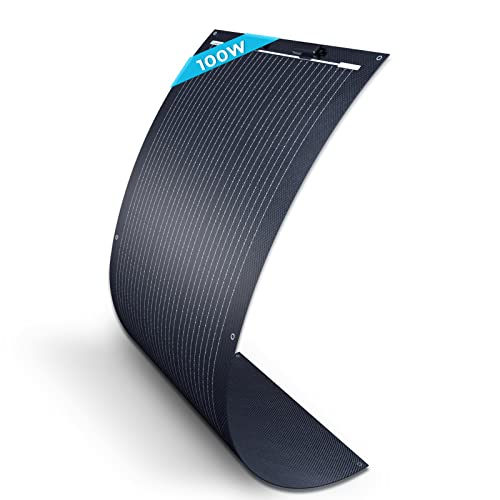
Renogy Flexible 100W Solar Panel, Black

ZEROXCLUB BD102 Magnetic Solar Wireless Backup Camera

ECO-WORTHY 400 Watt 12 Volt Solar Panel Kit with Bluetooth

Jackery HomePower 3600 Plus Portable Power Station with Solar Panels

ECO-Worthy 1.6KWH Complete RV Solar Kit with Batteries

ECO-WORTHY 1200W 24V Lithium Battery Solar System
That 400-watt layout makes sense for an RV roof that needs steady day-to-day charging without jumping into oversized hardware. The 40A MPPT controller matters here, because MPPT means maximum power point tracking, a control method that helps the array work closer to its usable output as light changes. The trade-off is simple, the package asks for a more involved install than a compact maintainer kit. For couples or small families parked off-grid on weekends, it feels like a sensible middle ground.
Compared with the SOLPERK 30W charger, this Renogy kit is built for real house-style use rather than battery upkeep alone. The four 100W panels, mounting Z brackets, adaptor kit, tray cables, Bluetooth module, and fuse point toward a more complete roof setup, so you spend less time piecing parts together. The honest read is that this fits best on rigs where you want a cleaner, more permanent solar setup.
Strong Points
- Four-panel layout gives you room for stronger daily charging than a small maintainer kit.
- 40A MPPT controller helps the system stay efficient as sun conditions shift through the day.
- Bluetooth monitoring makes it easier to check system behavior without opening everything up.
- Included mounting and cable pieces reduce the odds of a half-finished parts run.
- Works well for roof-based RV use, where tidy routing and fixed placement matter.
Things To Consider
- Roof installation takes planning, especially around cable paths and mounting locations.
- The kit is more involved than a simple portable panel, so first-time installers may want help.
- Cleaning and checking the roof hardware becomes part of regular ownership.
Feature Snapshot
Who It Suits Best
You get the most from this pick when your RV needs a permanent roof-mounted solar setup with enough capacity for routine camping power.
Where A Sibling Pick Shines
SOLPERK 30W12V Solar Battery Charger suits storage batteries and seasonal vehicles better, because it focuses on maintenance rather than full roof-based charging.
This one is aimed at battery care, not cabin-level power. The 30W panel and waterproof trickle-charging approach suit a parked RV, boat, motorcycle, or car that sits more than it moves. MPPT control helps squeeze more usable charging from modest sunlight, but the trade-off is obvious, it’s a maintainer, not a replacement for a larger roof array. For storage vehicles, that narrow focus is a strength.
Compared with the Renogy 400W kit, this SOLPERK option asks for far less space and far less commitment. The adjustable mount bracket makes placement easier, and that matters in a garage, driveway, or storage lot where a fixed roof install would be overkill. The honest read is that you’ll appreciate it most on equipment that needs steady attention rather than daily energy production.
What We Like
- Small panel size keeps placement simple in tight parking spots.
- Battery maintainer role fits seasonal vehicles and long storage periods.
- Waterproof design suits exposed outdoor use better than many indoor-only chargers.
- Adjustable bracket helps you aim the panel without much fuss.
Points To Note
- 30W output is modest, so you should expect maintenance use rather than heavy charging.
- Mounting angle matters more here than it does on larger roof systems.
- Regular cleaning keeps dust from eating into already limited output.
Core Details
Made For
You’ll get the best fit from this charger when your main goal is maintaining a 12V battery on a stored RV, boat, or motorcycle.
Another Choice May Suit
Renogy 400 Watt 12 Volt Solar Kit with 40A MPPT Controller suits travelers who need a roof-mounted power source rather than a small upkeep charger.
Curved roofs, vans, and boats are exactly where a flexible panel starts to make sense. This Renogy panel bends up to 240 degrees, and that matters on surfaces where a rigid frame would be awkward or hard to mount cleanly. At 0.1 inch thick, it keeps a low profile, almost like a sheet laid flat against the build. The trade-off is durability planning, because a flexible panel usually asks for more careful handling than a framed panel.
Compared with the rigid Renogy 400W kit, this one is the easier fit when the roof shape does the arguing for you. It also feels more at home on a cabin top or marine setup than a bulky roof array, and that makes installation options wider. The honest read is that you’re paying for mounting flexibility more than raw system depth.
Bright Spots
- Flexible build helps it fit curved or awkward surfaces.
- Thin profile keeps visual bulk low on a roof or deck.
- 100W size works well for lighter charging needs or add-on use.
- Black finish blends in better on darker surfaces.
Softer Spots
- It needs careful mounting, especially on surfaces that flex or vibrate.
- Output is modest beside larger multi-panel RV kits.
- Cleaning should stay gentle to protect the panel surface.
At A Glance
Whose Shelf It Belongs On
This fits you best when your RV, van, or boat needs a low-profile panel that can follow the shape of the surface.
Look Elsewhere When
ECO-WORTHY 400 Watt 12 Volt Solar Panel Kit suits you better when your priority is larger roof output instead of a single flexible panel.
Backing a travel trailer or fifth wheel gets a lot less stressful when the camera system is built around the hitch-tow routine. This ZEROXCLUB kit pairs a 10-inch DVR monitor with dual RV cameras, and the magnetic mount means you aren’t locked into one permanent setup. The built-in 9,600mAh battery and solar panel reduce the need for constant charging, which is handy during long travel days. The trade-off is that camera systems need clean placement and a clear line of sight, so the install still matters.
Compared with the solar charging kits above, this item solves visibility rather than power storage. That makes it a better match for long trailers, campers, and 5th wheels where blind spots are the bigger headache. The honest read is that it’s more about safer maneuvering than energy supply, and that’s exactly why it earns a spot here.
Reasons To Buy
- 10-inch monitor gives you a larger in-cab view for backing and lane checks.
- Dual camera layout suits longer rigs with more blind spots.
- Magnetic mounting makes placement less permanent than a hardwired setup.
- Solar support and internal battery reduce charging chores on travel days.
Areas To Watch
- Camera placement needs a clean angle to be useful.
- Magnetic mounting is convenient, but it still needs regular checking for secure positioning.
- The system solves visibility, not solar charging for appliances or lights.
Details At A Glance
Built With In Mind
You’ll appreciate this most when your RV or trailer needs a clearer rear view during towing, parking, and tight campsite turns.
A Better Fit Elsewhere
Renogy Flexible 100W Solar Panel, Black suits shoppers who need rooftop energy generation, not a camera system for maneuvering.
Like the Renogy 400W kit, this ECO-WORTHY package sits in the useful middle zone for RV roof power. The four 100W panels and 40A MPPT controller give you the same general size class, but the Bluetooth module adds a monitoring layer that matters to owners who like quick checks from inside the rig. That convenience comes with the usual trade-off of a more complete install, since roof hardware and cable routing still need attention. For hands-on RV setups, that extra visibility can feel worthwhile.
Where this one stands apart is the panel design language and the broader kit format for RV, camper, and vehicle use. The Z brackets make fixed mounting more straightforward, and owners who like watching charging behavior from a phone tend to value that clarity. The honest read is that it suits you best when system awareness matters as much as raw panel count.
Highlights
- Four-panel layout supports a practical mid-size roof install.
- Bluetooth module helps you keep an eye on charging status without opening hardware.
- 40A MPPT controller gives the kit a serious control layer.
- Z brackets make the fixed installation approach more straightforward.
Small Caveats
- Roof setup still needs planning and careful cable routing.
- Bluetooth features are most useful when you actually monitor them often.
- Cleaning and checking mounts should stay part of routine upkeep.
Quick Facts
Who Should Grab It
This suits you well when you want a 400W RV solar kit with app-based monitoring and a fixed roof layout.
Swap It Out When
Renogy 400 Watt 12 Volt Solar Kit with 40A MPPT Controller is the better fit for anyone who prefers a similarly sized setup from a different brand path.
Portable power stations solve a different problem from roof-mounted solar kits, and that difference matters in a lot of RV setups. This Jackery unit brings 3,584Wh of LFP storage, which means lithium iron phosphate, a battery chemistry known for stable everyday use and long service planning. The 3,600W AC output and included 2 x 200W solar panels push it into serious backup territory, so you’re looking at a system that can handle more than phone charging and lights. The trade-off is size and cost, because bigger backup capacity usually comes with more to carry and think through.
Compared with the ECO-WORTHY 400W roof kits, this is less about a permanent install and more about portable control. The fact that it can expand up to 21kWh matters for households or RV owners who want to scale later, though that kind of growth isn’t necessary for everyone. The honest read is that it fits best when your RV power plan doubles as home backup planning.
Upsides
- Large storage capacity supports longer backup use than small solar chargers.
- 3,600W AC output gives you room for heavier appliances.
- Included solar panels make the kit more immediate out of the box.
- Expandable design helps you grow the system later.
Room For Improvement
- The setup is larger than a simple RV roof kit.
- Expansion planning can take more thought than a fixed panel package.
- Portability is relative here, since higher capacity usually means more bulk.
Feature Rundown
Perfect Match For
You’re the right fit for this unit when RV use and home backup planning overlap in the same power plan.
Where Shoppers Go Wrong
ECO-WORTHY 400 Watt 12 Volt Solar Panel Kit with Bluetooth suits simpler roof installs better, because a power station is a different style of ownership.
This kit moves beyond panels and controller into a fuller off-grid setup. You get four 100W panels, a 40A MPPT controller, two 12V 100Ah lithium batteries, a 2000W inverter, and Bluetooth support, which means the package is built for people who want energy storage and AC conversion in the same bundle. The upside is obvious, fewer separate purchases and a more complete starting point. The catch is that systems like this need more physical space and more planning than the smaller picks above.
Compared with the Jackery HomePower station, this ECO-WORTHY kit feels more like a fixed RV build than a portable power block. That matters for extended stays, workshop-style rig projects, or vehicles that need a deeper electrical base. The honest read is that it suits RV owners who want a true installed system rather than a carry-anywhere backup unit.
Best Bits
- Solar panels, batteries, controller, inverter, and Bluetooth all land in one package.
- Two lithium batteries give the setup a stronger storage base than panel-only kits.
- 2000W inverter adds AC power support for compatible gear.
- Bluetooth monitoring helps with everyday system awareness.
Honest Caveats
- Installation is more involved than with simpler solar kits.
- More components mean more space to plan for.
- Routine checks on connections and battery placement stay important over time.
Spec Overview
Who Will Love This
This fits you best when you want an RV-ready solar bundle that already includes batteries and inverter hardware.
Skip It When
Renogy 400 Watt 12 Volt Solar Kit with 40A MPPT Controller suits you better when you want a simpler roof install without a full battery bank.
This is the largest setup in the list, and it behaves like it. Six 195W panels, two 12.8V 280Ah lithium batteries, a 60A MPPT controller, and a 3000W pure sine wave inverter create a serious off-grid foundation for power-heavy RV use. Pure sine wave means the inverter outputs a smoother AC waveform, which matters for some electronics and appliances that prefer cleaner power. The trade-off is straightforward, this kind of system asks for space, planning, and a clear reason to go this large.
Compared with the ECO-WORTHY 1.6KWH kit, this one reaches farther for long stays and bigger electrical loads. The 24V structure and larger battery bank give you more headroom, which is useful for owners building a semi-permanent energy setup. The honest read is that it belongs with serious off-grid rigs, not casual weekend add-ons.
Standout Traits
- Large panel count gives the system a strong solar foundation.
- Two 280Ah batteries create a substantial storage reserve.
- 3000W pure sine wave inverter supports a wider range of AC devices.
- 24V architecture suits larger, more demanding RV electrical plans.
- 60A MPPT controller helps manage a bigger solar array.
Points To Note
- The scale is more than many casual RV owners need.
- Planning space, cabling, and mounting routes takes real effort.
- Battery and panel upkeep become part of regular ownership.
- It makes the most sense in rigs built around off-grid living.
Technical Sheet
The Right Fit
You’re the right fit for this system when your RV build needs large-scale solar storage and a more capable inverter path.
Reach For A Different Pick When
ECO-Worthy 1.6KWH Complete RV Solar Kit with Batteries makes more sense for a smaller off-grid setup that needs less room and fewer large components.
How To Choose The Right Rv Solar Systems
Match Output To Your Travel Pattern
Your usage pattern should lead the choice, not panel count alone. Weekend campers can often get by with a smaller maintainer or a compact panel, while longer off-grid stays usually call for 400W-class roof kits or larger battery-backed systems. The useful question is whether you need light support for batteries or a full setup that runs regular loads. That split keeps you from overbuying hardware that never gets used properly.
Think Through Mounting And Space First
Roof width, cable paths, and available flat space matter more than most listings make clear. Flexible panels suit curved surfaces, while rigid kits with Z brackets suit flatter roofs and cleaner permanent installs. Portable stations skip roof drilling, but they ask for storage room inside the rig. The right shape for your RV often matters as much as the wattage on the box.
Controller Type And Monitoring Matter More Than They Sound
MPPT controllers are worth close attention because they manage solar input more efficiently than simpler approaches in many real setups. Bluetooth monitoring helps too, especially for owners who want to check charging behavior without opening a compartment. On smaller systems, those extras can feel optional, but on larger kits they make ownership easier to live with. You’ll notice the difference most on mixed-weather trips and partial-sun parking spots.
Separate Power Supply From Visibility Gear
Not every RV product with a solar panel is a solar power system for appliances. The backup camera in this list uses solar support for its own battery, which is useful for towing and parking, but it won’t run your fridge or lights. That distinction saves you from choosing the wrong category. It also helps you budget for the gear that actually solves your main problem.
A Quick Reality Check Before You Commit
Common Shopping Slip Ups
Many shoppers focus on wattage alone and skip the controller, battery, or inverter side of the setup. That leaves a system that looks complete but falls short in day-to-day use. Another common miss is ignoring roof shape, which makes some rigid panels awkward to place. A cleaner match between hardware and rig usually matters more than a bigger number on the page.
Maintenance also gets overlooked. Dust, loose mounts, and cable wear can cut into long-term usefulness, especially on roof installs and exterior camera gear. A little routine checking goes further than people expect.
Where The Extra Money Goes
Higher-tier kits pay for larger battery banks, stronger inverters, more intelligent charging, and better monitoring. That matters when your RV stays off-grid for long periods or runs more than just lights and phone charging. The bigger systems also tend to come with more complete parts lists, which reduces guesswork during install. For power-hungry travel, that extra structure can be worth it.
Portable power stations add another layer of convenience because they shift some of the work out of the roof and into a self-contained unit. You’re paying for flexibility, stored energy, and easier relocation from one setup to another. That’s the right move for mixed home-and-RV use.
Frequently Asked Questions
What size RV solar setup suits weekend use?
A small maintainer or a modest 100W panel can suit light weekend needs. For more appliances and longer stays, a 400W kit makes more sense.
Does MPPT matter on a small solar kit?
Yes, especially when sunlight changes through the day. MPPT helps the system make better use of available input than a simpler controller.
Are flexible panels worth it on an RV roof?
They make sense on curved or awkward surfaces. Rigid panels are usually better for flatter roofs and more permanent mounting plans.
Can a portable power station replace a roof solar kit?
It can cover many backup needs, but it serves a different purpose. A roof kit keeps charging going while you travel, while a station gives you portable stored power.
What should you check before installing any RV solar kit?
Check roof space, cable routing, and where the controller or batteries will sit. Those details affect both performance and day-to-day convenience.
Final Thoughts
The right Rv Solar Systems choice depends on how you camp, how much gear you run, and how permanent you want the setup to be. Small maintainers handle storage duty, 400W roof kits cover steady RV charging, and larger battery-backed systems step in when you want true off-grid capability. Flexible panels help on tricky surfaces, while portable power stations suit mixed home and travel use. Match the system to your actual routine, and the rest gets much easier.
