

Solar Portable Generators make the most sense when you want quiet backup power without committing to a gas unit. You might be covering a weekend campsite, a van setup, a shed tool charge, or a home outage that only needs the essentials. The right pick depends on battery size, AC output, panel pairing, and how often you’ll carry it from place to place. This roundup keeps the focus on practical fit, not hype.
Quick Look At The Shortlist
Apowking Portable Solar Generator 300W with 40W Panel

Anker SOLIX C300 Portable Power Station with 60W Panel

Jackery HomePower 3000 with 2x200W Solar Panels

Jackery Solar Generator 300 with 40W Solar Panel

Jackery HomePower 3600 Plus with 2x200W Solar Panels
FOSSiBOT F3600 Portable Power Station

STARYLINE 1000W Portable Power Station 1024Wh

ZeroKor Portable Solar Generator 300W with 60W Panel
More Details On Our Top Picks
Apowking keeps the footprint small, which makes sense for car camping, short van trips, and backup charging on a patio table. The 220Wh battery and 300W pure sine wave AC outlet point to light electronics rather than bigger appliances, so the honest read is that you’d want it for phones, tablets, lights, and similar gear.
The 40W panel gives you a starter solar setup without adding much bulk. Compared with the larger Jackery and FOSSiBOT units in this roundup, this one is easier to carry and store, but you give up runtime and headroom.
Highlights
- 220Wh capacity fits small daily charging jobs.
- Pure sine wave output is gentler for sensitive electronics.
- 40W solar panel keeps the kit simple.
- Light build suits trunk storage and quick carry-outs.
Small Caveats
- Smaller capacity means less cushion during longer outages.
- The low output ceiling rules out heavier tools and appliances.
- You’ll need to keep the panel and cables organized to avoid clutter in tight storage spaces.
Feature Snapshot
Who It Suits Best
It suits campers, van travelers, and casual users who want a small solar kit for phones, lamps, and modest electronics.
Where A Sibling Pick Shines
Jackery Solar Generator 300 with 40W Solar Panel fits you better for similar portability with a more established ecosystem feel.
Anker’s C300 leans into useful capacity without getting bulky, and the 288Wh LiFePO4 battery gives you a more modern long-life chemistry than basic lithium packs. LiFePO4 means lithium iron phosphate, a battery type valued for steadier cycling and a calmer temperature profile, which matters for regular home and travel use.
The 140W two-way fast charging is the practical hook here, because it helps the unit refill quickly and also keeps the setup flexible for daily use. Compared with Apowking’s lighter package, this one feels better suited to frequent charging routines, though the panel-ready approach still keeps it in the portable lane.
What We Like
- LiFePO4 chemistry suits repeated charge cycles.
- 140W two-way fast charging helps shorten downtime.
- 300W output covers common small electronics cleanly.
- 60W solar panel pairing keeps the kit travel-friendly.
- The size makes sense for day-to-day carry.
Worth Noting
- The capacity still sits in the smaller class, so longer outages call for careful load planning.
- Solar panel-ready use still depends on how you build out the rest of the setup.
Core Details
Who Will Love This
It suits commuters, weekend campers, and apartment dwellers who want a compact unit that feels ready for regular use.
A Better Fit Elsewhere
Jackery HomePower 3000 with 2x200W Solar Panels suits you better for house backup and bigger appliances, while this Anker stays focused on portability.
This one moves from portable backup into serious home-readiness territory. The 3072Wh battery and 3600W AC output, plus 7200W surge support, give you the kind of headroom that matters for fridges, routers, lights, and other essentials during a long outage.
The included 2x200W solar panels make the system feel complete rather than pieced together. Compared with the smaller Jackery 300, you trade portability for a much stronger backup role, and that trade is hard to miss in a garage or utility room.
Positives
- Large 3072Wh capacity supports extended household use.
- 3600W AC output opens the door to bigger loads.
- 7200W surge support helps with startup spikes.
- Two 200W panels add a substantial solar base.
- LFP battery chemistry suits repeat backup duty.
Areas To Watch
- The size makes this a storage commitment, not a grab-and-go kit.
- It feels best at home, so van life and short carry trips are not the sweet spot.
At A Glance
Made For
It suits households that want a solar-backed reserve for outages, RV owners with larger electrical needs, and anyone planning around more than phone charging.
Another Choice May Suit
FOSSiBOT F3600 fits you better for a multi-outlet heavy-use setup, while this Jackery puts more emphasis on a polished home-backup package.
The 7.5-pound weight is the headline here, and that matters a lot when you’re moving between campsites, trail stops, or the back seat of a packed car. The integrated handle and 300W output give you a tidy package for laptops, drones, cameras, and other smaller devices.
Unlike the Anker C300, this Jackery leans hard into simple portability over charging speed or expanded battery chemistry. The pure sine wave AC outlet is a useful detail for sensitive electronics, though the smaller class still asks you to manage expectations on runtime.
Bright Spots
- 7.5-pound weight keeps carry effort low.
- Integrated handle helps the unit move easily.
- 300W output covers common travel electronics.
- Two AC outlets plus USB and car charging add flexibility.
Softer Spots
- Lightweight design means you’re working with a smaller battery reserve.
- It makes more sense for short outings than long backup runs.
- Travel use also means you’ll want to keep cables and panel pieces packed neatly.
Technical Sheet
Perfect Match For
It suits hikers, weekend campers, and road-trippers who care more about carry comfort than long runtime.
Swap It Out When
Apowking Portable Solar Generator 300W with 40W Panel suits you better when you want a similar lightweight setup with a more budget-conscious profile.
Jackery pushes this model toward the serious end of home solar backup, starting with a 3584Wh LFP battery and a 3600W AC output. That combination gives you real breathing room during power cuts, especially for households that want more than a short-term buffer.
The expandable design is the key differentiator, because capacity can grow up to 21kWh as needs change. Compared with the HomePower 3000, this is the better long-view option, though it’s also the kind of system that asks you to think through placement, wiring, and storage before the first outage arrives.
Reasons To Buy
- 3584Wh battery offers a large backup reserve.
- 3600W AC output supports substantial household loads.
- Expandable design gives you room to grow.
- Two 200W panels help anchor the solar side.
- LFP battery chemistry suits repeated home use.
Points To Note
- The scale makes sense for planned backup, not casual transport.
- Expansion only matters once you’ve mapped out your full setup.
Feature Card
Who Should Grab It
It suits homeowners, RV planners, and off-grid hobbyists who want one platform that can grow over time.
A Better Fit Elsewhere
Jackery HomePower 3000 with 2x200W Solar Panels fits you better when you want strong backup without planning for expansion.
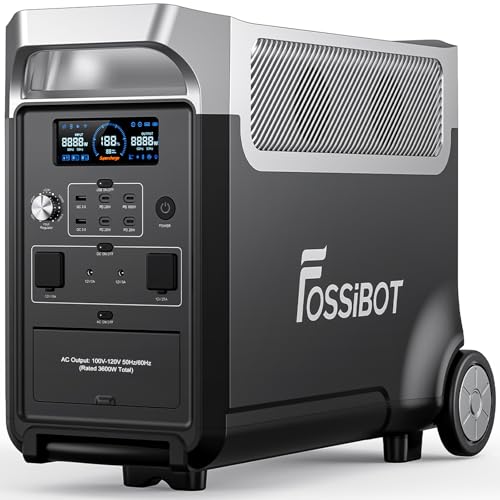
FOSSiBOT aims squarely at high-load users, starting with five 120V AC outlets and a 3600W output rating. The 3840Wh LiFePO4 battery gives you a lot of reserve, and the expandable design to 11520Wh shows that this is built for more than a weekend kit.
It makes sense in garages, off-grid cabins, and RV setups where multiple plug-in items may need power at the same time. Compared with the Jackery HomePower 3000, it leans harder into outlet count and expansion range, though that also makes it more of a station than something you casually move around.
Best Bits
- Five AC outlets help with multi-device setups.
- 3840Wh capacity supports substantial reserve power.
- Expandable to 11520Wh for larger planning horizons.
- LiFePO4 chemistry suits repeated charging cycles.
- High output fits garage and RV demands.
Room For Improvement
- The larger build asks for dedicated storage space.
- Multiple outlets help, though cable management becomes more important as your setup grows.
Details At A Glance
Built With In Mind
It suits off-grid households, RV owners, and garage setups that need many outlets and a deep reserve.
Look Elsewhere When
Jackery Solar Generator 300 with 40W Solar Panel fits you better for lighter carrying and simpler day trips.
STARYLINE lands in the middle ground, which is often where a lot of real households want to live. The 1024Wh LiFePO4 battery, 1000W output, and 2000W peak rating give you more breathing room than the smaller kits, without jumping straight into the larger home-backup class.
The 60W USB-C PD output and one-hour fast-charge claim make this feel tuned for mixed use, from travel to backup duty around the house. Compared with the smaller Jackery and Apowking options, it offers more capacity for the money, though it still won’t replace a full-size backup station.
Upsides
- 1024Wh capacity gives you a useful middle ground.
- 1000W output opens up more everyday gear.
- 2000W peak rating helps with brief startup spikes.
- 60W USB-C PD suits modern charging needs.
- Fast charging is handy for frequent use.
Minor Gripes
- It sits between compact and heavy-duty, so exact fit depends on the load you plan to run.
- That middle position can still leave you wanting a larger reserve for longer outages.
Quick Facts
Right Fit For
It suits households, van travelers, and campers who want a stronger portable reserve without jumping to a huge unit.
Where Another Pick Suits Better
Anker SOLIX C300 Portable Power Station with 60W Panel fits you better for a smaller carry-around option with fast-charging focus.
ZeroKor keeps the formula familiar, but the orange finish helps it stand out in a packed trunk or campsite bin. The 280Wh battery, 300W output, and pure sine wave AC outlet put it squarely in the light-gear category, which suits phones, small electronics, and a modest RV setup.
The USB QC3.0, DC, and AC outlet mix gives you enough flexibility for basics without making the unit feel complicated. Compared with the Apowking pick, this one is close in role, so the difference comes down to the exact accessory mix and the look you prefer.
Standout Traits
- 280Wh battery fits short charging sessions.
- Pure sine wave AC output suits sensitive gear.
- USB QC3.0 adds a useful quick-charge lane.
- Orange color makes the unit easy to spot.
Honest Caveats
- The smaller battery keeps this in the light-duty lane.
- You’ll want to keep the panel and cords stored together so the kit stays easy to grab.
Feature Rundown
Whose Shelf It Belongs On
It suits casual campers, RV travelers, and first-time solar users who want a simple setup for phones, lights, and small devices.
Reach For A Different Pick When
Anker SOLIX C300 Portable Power Station with 60W Panel fits you better for a more refined charging and battery chemistry profile.
How To Choose The Right Solar Portable Generators
Start With The Load You Actually Need
Battery capacity, measured in watt-hours, tells you how much energy you have in reserve. A 220Wh or 280Wh unit works for phones, lights, and a laptop, while 1000Wh and up starts making more sense for longer weekends or mixed home use.
AC output matters just as much, because it sets the ceiling for what can run at the same time. Pure sine wave AC is the cleaner type for sensitive electronics, so that detail matters if you plan to charge laptops, camera gear, or office equipment.
Match Portability To Real Use
Carry weight changes the whole experience. A 7.5-pound unit is easy to move with camping gear, while a 3000Wh class station belongs more in a garage, RV bay, or utility area.
Think about storage, too. A compact station with one panel is easier to keep tidy in a car trunk, but larger systems need space for panels, cables, and the unit itself.
Look Closely At Solar Input And Charging Style
A solar panel bundled with the station simplifies the first setup, though the panel wattage still shapes recharge pace. Higher panel wattage usually helps more when you camp often or use the unit through the day.
Two-way fast charging and USB-C PD output add convenience for modern devices. Those details matter most for commuters, van travelers, and anyone who wants the station ready again without long idle time.
Choose Chemistry And Expansion For The Long Haul
LiFePO4 batteries are a strong fit for frequent cycling and home backup use. That chemistry usually belongs on the more serious side of the category, where the unit sees regular charging and discharge rather than occasional use.
Expandable systems cost more because they’re built to grow with your setup. That extra headroom pays off for households planning around outages, tool use, or off-grid living.
What To Weigh Before You Choose
Common Shopping Slip Ups
One frequent miss is focusing only on battery size and ignoring output. A large battery with a modest AC ceiling can still fall short for the gear you actually want to run.
Another is treating portability like a side note. A heavier station can be fine in a garage, but it gets old fast in a campsite or van aisle.
The Upgrade Payoff
Higher-tier models usually cost more because they bring bigger batteries, stronger AC output, faster charging, and more capable battery chemistry. Expansion options also push the price up because they create a system instead of a single box.
That extra spending makes sense for home backup, RV life, and frequent use. For casual trips or short outages, a smaller kit often gives you enough function without extra bulk.
Frequently Asked Questions
What size Solar Portable Generator works for a weekend trip?
A compact 220Wh to 300Wh unit usually covers phones, lights, and a few small electronics. Larger gear or longer stays call for a bigger reserve.
What does LiFePO4 mean in a power station?
LiFePO4 stands for lithium iron phosphate, a battery chemistry used in many modern stations. It’s commonly chosen for frequent cycling and steady everyday use.
Do solar panels in a bundle make setup easier?
Yes, a bundled panel removes some guesswork from the first setup. You still need enough panel wattage for the charging pace you want.
Is a pure sine wave outlet worth caring about?
It matters most for sensitive electronics like laptops and camera gear. That output shape gives you a cleaner match for devices with delicate power needs.
What’s the difference between portable and home-backup models?
Portable models focus on carry weight and smaller loads, while home-backup units prioritize capacity and output. The right choice depends on whether you need a camping companion or a more serious reserve system.
Final Thoughts
The best Solar Portable Generators depend on how you live, not on one big spec sheet number. Small units suit travel and light charging, while larger stations make more sense for outages, RVs, and heavier household needs. Jackery and FOSSiBOT cover the upper end well, while Apowking, Anker, and ZeroKor keep the portable side approachable. Pick the size that fits your day-to-day routine, and the setup will feel useful instead of cumbersome.
