

Solar backup power matters most when the lights go out and you still need a fridge running, a modem online, or a CPAP battery charged through the night. For a small apartment, a family home, an RV setup, or a storm-prone garage, the right unit feels less like gear and more like quiet insurance. The shortlist below leans toward capacity, output, and practical backup value, so you can match a power station to the way you actually live.
The Shortlist At A Glance

EF ECOFLOW DELTA Pro 3600Wh Portable Power Station

Jackery HomePower 3000 with 2x200W Solar Panels

Jackery Explorer 2000 v2 with 2x200W Solar Panels

Jackery HomePower 3600 Plus Portable Power Station

Jackery Solar Generator 300 with 40W Solar Panel

Jackery HomePower 3600 Plus with 2x200W Solar Panels
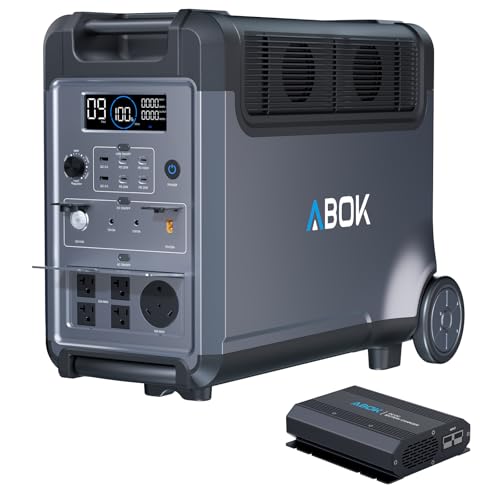
ABOK Ark3600 Portable Power Station 3840Wh
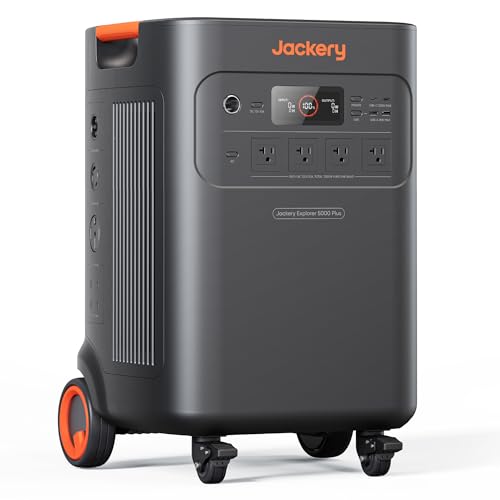
Jackery Solar Generator 5000 Plus Portable Power Station
More Details On Our Top Picks
That 3600Wh battery pack puts this unit in serious backup territory, and the 3600W AC output gives you room for larger household loads than most compact stations. The expandable design matters too, because your needs can grow from fridge support to broader home coverage without replacing the core unit.
For homes that deal with storm season or frequent outages, the fast-charge angle is more than a spec line, it shortens the wait between a drained pack and a usable one. The trade-off is size and weight, so this suits a fixed spot in a house, garage, or RV storage bay better than a grab-and-go setup.
Strong Points
- Large 3600Wh capacity supports longer backup runs for essential home gear.
- 3600W AC output gives you more flexibility with appliances and tools.
- Expandable architecture helps you scale the setup as your household changes.
- Fast charging is useful after a short outage or a day of heavy use.
Things To Consider
- The physical footprint is better suited to a dedicated corner than a shelf.
- Full advantage comes from planning your load list ahead of time.
- For light travel, it feels like far more machine than you need.
Feature Snapshot
Who It Suits Best
Homeowners who want a scalable backup hub for outages, garage use, or RV support will get the most from this model.
Where A Sibling Pick Shines
Jackery HomePower 3000 with 2x200W Solar Panels fits a household that wants a bundled setup with panels already in the box.
Because this bundle includes two 200W panels, it speaks directly to the person who wants a more complete starting point instead of piecing a system together later. The 3072Wh capacity and 3600W AC output give it a solid middle ground, which is exactly why it feels practical for home outage coverage and RV living.
The 7200W surge figure helps with startup bursts from some appliances, though that does not mean every heavy device belongs on the same circuit at once. Compared with the EF ECOFLOW DELTA Pro, this one feels more like a ready-made package, while the trade-off is that the bundle format may be less flexible for custom builds.
What We Like
- Two included panels make the initial setup more straightforward.
- 3072Wh gives you meaningful support for common outage needs.
- 3600W AC output offers strong everyday versatility in a home setting.
- The package suits RV use without needing a separate solar hunt.
Worth Noting
- The bundle format is handy, yet it can lock you into a fixed starting layout.
- Large-panel kits need outdoor space and sensible placement.
- People who want a tiny carry system will find it oversized.
At A Glance
Made For
You get the most from this bundle if you want a home backup starter kit with solar panels already matched to the station.
Another Choice May Suit
Jackery Solar Generator 300 with 40W Solar Panel fits travelers who care more about low carry weight than household-scale reserve.
This model looks smaller on paper than the big 3kWh and 3.6kWh units above, yet its 2200W AC output and 2042Wh capacity still land it in useful backup territory. The 20ms UPS function, where UPS means uninterruptible power supply, matters for gear that dislikes even a brief power gap, and the 100W USB-C PD port makes high-output device charging feel less fussy.
That balance works well for home office corners, router backup, and camping setups where speed and responsiveness matter more than sheer reserve. The honest read is that it does not match the largest stations for duration, but it makes up some ground with a leaner profile and faster-feeling utility.
Highlights
- 20ms UPS support helps keep sensitive electronics from noticing a quick outage.
- 100W USB-C PD is useful for modern laptops and fast-charging devices.
- 2042Wh capacity stays practical without moving into the very largest class.
- 2200W AC output covers a useful spread of home and travel gear.
Areas To Watch
- Longer household outages will favor larger-capacity stations.
- The feature set feels more focused than the bigger Jackery home units.
- Solar panels still need space and sensible sun exposure.
Technical Sheet
Best Suited To
You’ll appreciate this most in a home office, compact apartment, or weekend-camping setup where quick response matters.
Look Elsewhere When
Jackery HomePower 3600 Plus Portable Power Station suits a home that needs a larger reserve and more headroom for prolonged outages.
With 3584Wh on tap and a 3600W AC output ceiling, this unit sits in the same serious-home-backup conversation as the ECOFLOW pick, just with Jackery’s own approach to scaling. The expandable design up to 21kWh makes sense for households that want to start with a large base and grow later, instead of jumping straight to a full house system.
Solar panel optionality keeps the entry path flexible, which suits a garage install or a backup corner where you may add panels later. The trade-off is straightforward, you are paying for headroom and expansion, so smaller homes or short outage use might not need this much machine.
Upsides
- Large 3584Wh reserve supports substantial backup planning.
- 3600W AC output handles serious household loads with room to spare.
- Expansion to 21kWh gives you a long runway for scaling.
- Solar-panel optional setup leaves you room to build in stages.
Softer Spots
- The size makes the unit better for fixed placement than frequent moving.
- Some homes will never use the full expansion potential.
- Adding panels later takes planning, space, and a bit of patience.
Core Details
Whose Shelf It Belongs On
This fits households that want a large, expandable emergency power center with room for future growth.
Swap It Out When
EF ECOFLOW DELTA Pro 3600Wh Portable Power Station suits you better when a bundled expansion path and slightly different ecosystem feel matter more.
This is the easiest carry in the group, and at 7.5 lb it clearly aims at people who want backup power without dragging around a heavy box. The 300W rated output, 600W peak surge, and pure sine wave AC outlet matter because they give laptops, cameras, and similar electronics a cleaner-feeling match than a rougher power profile might.
The smaller battery and lighter build are the obvious trade-off, so this is more for travel, day trips, and light campsite work than for home outage coverage. Compared with the big Jackery home stations, it feels almost featherweight, and that makes it a very different kind of solar backup choice.
Bright Spots
- 7.5 lb weight keeps transport easy for travel and camping.
- Two AC outlets plus USB and car ports cover several device types.
- Pure sine wave AC output suits sensitive electronics more comfortably.
- The included 40W panel helps you start with a simple portable setup.
Small Caveats
- 292Wh is modest, so long outages are not its lane.
- The lower output ceiling narrows what you should plug in.
- Lightweight design is handy, though it also means less reserve.
Details At A Glance
Right Fit For
This suits travelers, campers, and weekend road trippers who want a light solar setup for phones, cameras, and laptops.
Where Shoppers Go Wrong
Jackery HomePower 3600 Plus Portable Power Station makes more sense for home outage coverage, where capacity matters far more than easy carry.
This version of the HomePower 3600 Plus keeps the large 3584Wh reserve and 3600W AC output, then adds two 200W solar panels for a more complete starting bundle. That matters for people who want backup power and charging hardware in one purchase, especially in a home where you’d rather not build the setup piece by piece.
In real use, the appeal is convenience, because the system arrives closer to a working solar path than the panel-optional version above. The trade-off is simple, a bundle like this asks for more setup space and planning than a compact travel station, but it pays that back with less guesswork.
Positives
- The included panels reduce the work of assembling a solar-ready setup.
- Large capacity helps keep key home devices running longer.
- The output rating supports a wider range of common household loads.
- It suits people who want a more complete package from the start.
Room For Improvement
- The bundle takes more storage room than smaller portable systems.
- Panel placement still affects how useful the solar side feels.
- It can be more setup than a light weekend travel user needs.
Feature Rundown
Who Will Love This
You’ll like this bundle most if you want a home backup system that already includes solar panels in the box.
A Better Fit Elsewhere
Jackery Solar Generator 300 with 40W Solar Panel suits you better for light travel and easier carry.
The Ark3600 leans hard into capacity and outlet count, with 3840Wh of storage, 15 outlets, and a 3600W output ceiling. That combination suits a garage, hurricane prep area, or RV base camp where you want several devices available at the same time instead of playing outlet shuffle.
The 3H fast charge and 10ms UPS backup feature make it feel more responsive than many large stations in this class, and the expandable path to 11,520Wh gives it long-term room to grow. The trade-off is that this is clearly a serious-use machine, so the practical sweet spot sits closer to fixed backup than casual portable charging.
Reasons To Buy
- 15 outlets give you plenty of room for mixed devices.
- 3840Wh capacity suits heavier household backup planning.
- 10ms UPS support helps reduce interruption for sensitive gear.
- Expansion to 11,520Wh leaves a broad path for growth.
- Fast charging helps shorten turnaround after deep use.
Points To Note
- The many outlets are useful, though they can encourage overloading habits.
- Large capacity means you’ll want a dedicated storage spot.
- It feels better matched to planned backup than casual carry.
Core Details
Built With In Mind
This fits households or RV owners who need a high-outlet, high-capacity station for planned backup use.
Where Shoppers Go Wrong
Jackery Solar Generator 300 with 40W Solar Panel makes more sense for light travel where carrying less matters more than outlet count.
This is the largest-capacity option in the list, and the 5040Wh battery paired with 7200W 120V/240V AC output puts it in a different class from the mid-size stations above. The 240V support matters for homes that need broader appliance compatibility, though the scale also means you should think of it as a real backup hub rather than portable convenience gear.
Expandability to 60kWh is the kind of figure that points toward long-range home planning, not casual weekend use. The honest read is that the 4.2-star public sentiment reflected in the source data suggests more mixed satisfaction than the rest of the field, so this makes most sense for large-home needs where its scale is the main reason to choose it.
Best Bits
- 5040Wh capacity gives you the largest reserve in this roundup.
- 7200W output opens the door to more demanding household loads.
- 120V/240V support adds flexibility for broader home use.
- Expansion to 60kWh gives you serious room for long-term planning.
Trade Offs
- The scale is more than many homes will ever need.
- Large systems usually call for careful placement and planning.
- For smaller outage setups, a mid-sized unit will feel easier to live with.
Quick Facts
The Right Fit
This belongs with you if your home backup plan needs the biggest reserve and broader appliance support in the group.
Another Choice May Suit
Jackery HomePower 3600 Plus Portable Power Station fits a large household that still wants a slightly smaller and easier first step.
How To Choose The Right Solar Backup Generators
Match Capacity To Real Outage Needs
Battery capacity, measured in watt-hours, tells you how much energy sits inside the unit before you start stretching it thin. A 292Wh station fits phones and laptops for short stretches, while 3,000Wh-plus models support refrigerators, routers, and more demanding house loads for much longer.
The right number depends on what you want to keep alive during an outage, not on the biggest figure you can find. A larger battery costs more and takes more room, so the sweet spot is usually the smallest reserve that still covers your essentials with a little breathing room.
Check Output Before You Check Features
AC output is the amount of continuous power the station can deliver, and it matters as much as battery size. A 300W travel unit handles small electronics, but a 3,600W class machine can support far more of the equipment people actually use at home.
Surge output also matters because appliances sometimes draw extra power at startup. That’s why a higher surge figure helps with refrigerators or pumps, while lower-output models stay better suited to charging and lightweight gear.
Think About Charging And Expansion
Fast charging is a real convenience during storm season, especially for households that lose power more than once a year. Expansion options matter too, because a system that can grow with extra batteries gives you more room to adapt later.
Solar panel bundles are useful when you want a clearer starting path, while panel-optional models let you build at your own pace. For many homes, that choice matters more than one extra feature line on the product page.
Things Worth Knowing First
Common Shopping Slip Ups
One common mistake is buying for headline wattage and ignoring the devices you actually use. A second slip-up is overlooking weight, since a station that stays in one room needs very different handling than one you’ll move often.
Panel space is another easy miss, especially for people planning to recharge in a yard, driveway, or RV site. A tidy fit starts with knowing where the unit and any panels will actually live.
The Upgrade Payoff
Higher-tier units cost more because they usually bring larger batteries, stronger output, faster recharge paths, and more expansion headroom. That extra room matters most in homes with fridges, networking gear, medical-adjacent electronics, or longer outage windows.
Spending up makes sense when backup power has to act like a real household system instead of an emergency convenience. For lighter travel or weekend camping, a smaller station often gives you the better balance of weight and utility.
Frequently Asked Questions
What Size Solar Backup Generator Fits A Home?
A smaller home office setup can work with a compact station, but full-home essentials usually need a much larger battery. Start by listing the devices you want to keep on during an outage, then match capacity to that total.
Is A Bigger Watt Number Always Better?
Not for every use case. Bigger output helps with heavier appliances, but it also usually means more size, more cost, and less portability.
Do Solar Panels Need To Be Included?
No, though a bundle can simplify the first setup. Panel-optional models are useful when you already own panels or want to choose them separately.
What Does LiFePO4 Mean?
LiFePO4 stands for lithium iron phosphate, a battery chemistry used in many modern power stations. It’s commonly chosen for stable long-term use and a practical cycle life profile.
Can You Use These For RV Travel?
Yes, many of the picks here suit RV owners well, especially the mid-size and portable options. The best match depends on how much power you need and how much space you have for storage.
Closing Thoughts
The right solar backup generator should feel tailored to your space, your appliances, and your tolerance for size. A compact unit works for travel and light device charging, while a large expandable station makes more sense for outages that affect the whole house. The best choice is the one you can store, charge, and use without friction. Pick the amount of backup you’ll actually rely on, not the biggest number on the page.
