

Power outages feel a lot smaller when your home has the right backup plan. This roundup focuses on house-sized generators and backup power stations that fit different needs, from a compact RV-ready unit to whole-home systems with transfer-switch support and app-based monitoring. You’ll see clear trade-offs in fuel type, output, portability, and installation style, so you can match the machine to the way you actually live.
Some options are better for keeping key circuits alive, while others are built to carry more of the house without constant juggling. The goal here is simple, give you a practical way to sort through the noise and land on a unit that makes sense for your space, your appliances, and your outage routine.
Quick Shortlist For Home Backup Needs

Oxseryn Power Equipment 4400 Watts Inverter Generator Gas Powered, Portable Open Frame Generator
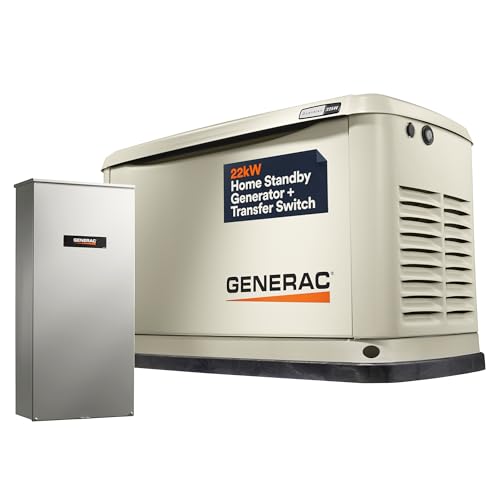
Generac Guardian 22kW Home Generator, Transfer Switch & WiFi Monitoring

DuroStar DS13000MX 13,000-Watt 500cc Dual Fuel Portable Generator

Westinghouse 18000 Peak Watt Tri-Fuel Home Backup Portable Generator

Jackery HomePower 3600 Plus Portable Power Station with 2X 200W Solar Panels

Westinghouse 28000 Peak Watt Tri-Fuel Home Backup Portable Generator

Oxseryn 4400-Watts Inverter Generator, Open Frame Generator Gas Powered

Generac 18kW Whole Home Generator, Cellular Capability
More Details On Our Top Picks
That 4400-watt class sits in a useful middle ground for home backup, tailgate duty, and RV weekends. The open-frame design keeps it straightforward, while ECO mode usually matters most in lighter-load moments, where the engine does less unnecessary work.
In a house, this kind of unit makes the most sense for essentials, not every appliance at once. You may find the size easier to place than a larger standby system, though the trade-off is obvious, you still need to manage fuel, cords, and load limits with some care.
Strong Points
- 4400-watt output suits essential circuits and smaller backup jobs.
- Open-frame layout keeps the unit practical for garage or yard storage.
- ECO mode can help stretch fuel use during lighter demand.
- RV-ready positioning makes it useful beyond outage duty.
Things To Consider
- Open-frame construction is usually louder than enclosed inverter styles.
- Portable gas power asks for routine fuel handling and stored-space planning.
- It fits partial-home support better than full-house coverage.
Feature Snapshot
Who It Suits Best
Small households, RV owners, and property owners who want a practical backup option without going into standby installation territory will get the most from it.
Where A Sibling Pick Shines
Oxseryn 4400-Watts Inverter Generator, Open Frame Generator Gas Powered is a better fit for you than the home standby models here, especially when portability matters more than whole-house automation.
Whole-home standby power changes the experience entirely, and this 22kW Generac sits squarely in that lane. Transfer-switch support and WiFi monitoring matter because they reduce the day-to-day friction of checking status, especially for households that travel or live with frequent outages.
The catch is installation and scale, which naturally push it toward permanent home setups rather than casual backup use. That makes it a strong match for larger homes with several essential loads running together, while smaller homes may never need this much capacity.
Highlights
- 22kW output is built for broad whole-home support.
- WiFi monitoring gives you a simpler way to check status remotely.
- Transfer-switch pairing fits permanent backup setups.
- Natural gas or propane flexibility helps match local fuel access.
- Automatic transfer support is a major convenience during outages.
Room For Improvement
- Permanent installation is a bigger commitment than a portable generator.
- Its scale can feel excessive for a small house or apartment-style setup.
- Regular inspection and service planning matter with standby systems.
Core Details
Whose Shelf It Belongs On
Homeowners who want automatic whole-house backup and are ready for a permanent install will benefit most from this model.
Another Choice May Suit
Jackery HomePower 3600 Plus Portable Power Station with 2X 200W Solar Panels suits you better for indoor-friendly backup and simpler placement, especially in homes where a standby install is too much.
Once you move past the smaller 4400-watt class, the DuroStar starts looking like a serious outage tool for larger homes and longer disruptions. Dual fuel support is the useful part here, because propane can be a cleaner storage story for some properties while gasoline remains the familiar fallback.
Remote electric start adds convenience that matters more than people expect during bad weather or night-time outages. It still stays portable, though it’s the kind of portable that suits a garage floor or shed corner more than a quick grab-and-go setup.
What We Like
- 13,000 watts gives you much more room for heavy home loads.
- Dual fuel operation adds flexibility around storage and supply.
- Remote electric start saves effort during outage conditions.
- Transfer-switch readiness makes it easier to fold into a backup plan.
Minor Gripes
- Dual fuel convenience still means you manage fuel and upkeep yourself.
- Its larger footprint calls for more storage space than compact portable units.
- The output level can be more than a small home really needs.
At A Glance
Right Fit For
Households that want a powerful portable backup unit with more flexibility than a single-fuel model will feel right at home here.
Swap It Out When
Westinghouse 18000 Peak Watt Tri-Fuel Home Backup Portable Generator is the better match for you when propane, natural gas, and a little more headroom all matter in the same package.
This Westinghouse lands in a useful middle space, larger than the 13,000-watt portable pick above, but still not locked into a permanent standby install. Tri-fuel support is the real draw, because natural gas, propane, and gasoline all give you different ways to handle outages depending on what’s available.
CO sensor support adds another layer of practical thinking for home placement, especially in garages or near living areas where monitoring matters. The honest read is that this is a serious machine, so it suits homeowners who want capacity and fuel flexibility more than a lightweight portable.
Upsides
- Tri-fuel support gives you uncommon fuel flexibility.
- Remote electric start keeps operation simple in rough weather.
- Transfer-switch readiness helps it fit a home backup layout.
- 18000 peak watts leaves more breathing room for larger loads.
- CO sensor support adds a useful layer of monitoring awareness.
Points To Note
- Tri-fuel convenience can mean a more complex setup and storage plan.
- Its size suits garages and utility spaces better than tight sheds.
- Portable form still asks you to manage placement and connection details.
Feature Rundown
The Right Fit
You’ll like this most if you want a portable generator with near-standby flexibility and three fuel paths to choose from.
Look Elsewhere When
Generac Guardian 22kW Home Generator, Transfer Switch & WiFi Monitoring is the stronger fit for you when you want automatic whole-house coverage and remote status checks instead of a portable layout.
Battery backup changes the feel of home outage planning because it skips fuel handling and the noise profile that comes with combustion units. This Jackery package pairs a 3600W AC output with 3584Wh of LFP capacity, where LFP means lithium iron phosphate, a battery chemistry commonly valued for stable long-cycle home storage.
Two 200W solar panels add another route for charging, which is useful for cabins, long outages, or homes that want a quieter setup near living spaces. The trade-off is plain, this kind of system suits essential loads and indoor-friendly use far better than whole-house power for large appliances.
Best Bits
- Battery-based operation stays quiet compared with fuel generators.
- Solar panels broaden charging options for backup or off-grid use.
- 3584Wh capacity gives meaningful support for essential devices and appliances.
- Expandable design opens the door to larger storage later.
- The form factor suits homes that want cleaner indoor-adjacent staging.
Areas To Watch
- Battery systems need capacity planning before you assume full-home use.
- Solar charging depends on weather and panel placement.
- It is a different fit from fuel units like the Westinghouse standby-style options.
Details At A Glance
Perfect Match For
You’ll get the most from this if you want quieter backup for essential devices, apartment-style flexibility, or a home setup that leans on solar charging.
Reach For A Different Pick When
DuroStar DS13000MX 13,000-Watt 500cc Dual Fuel Portable Generator fits you better when larger appliances and longer fuel-based runtime matter more than indoor-friendly battery use.
This is the most serious portable unit in the list, and the 28,000 peak watt figure makes that clear right away. For larger homes with demanding appliances, the extra output can feel like breathing room, especially during storm season or longer utility interruptions.
Tri-fuel support keeps it adaptable, and remote electric start helps once the unit is staged where you need it. The trade-off is weight, space, and a setup routine that belongs to homeowners ready to manage a larger backup machine rather than a casual emergency tool.
Reasons To Buy
- 28,000 peak watts gives you substantial headroom for big household loads.
- Tri-fuel operation offers a flexible path through fuel shortages or supply issues.
- Remote electric start reduces hassle in rough weather.
- Transfer-switch readiness makes it better suited to a fixed home backup plan.
Softer Spots
- The larger chassis needs real storage and placement space.
- It is more machine than many small homes need.
- Handling a unit this size usually means more planning around maintenance and movement.
Core Details
Who Should Grab It
Large households and property owners who need the most portable output in this roundup will feel the strongest pull toward this model.
Skip It When
Generac 18kW Whole Home Generator, Cellular Capability suits you better when you want automatic whole-house coverage with remote monitoring instead of a manually staged portable unit.
This Oxseryn keeps things simple, and that works in its favor for emergency backup, RV use, and lighter household demands. The 30A outlet is the practical detail that matters most for connection planning, since it broadens the unit’s usefulness for compatible setups.
Compared with the larger portable generators in this roundup, it asks for less space and usually feels easier to place. The trade-off is obvious, though, because 4400 watts can cover essentials well but will not stand in for the big tri-fuel units above it.
Bright Spots
- 4400-watt inverter design fits lighter backup jobs and RV use.
- 30A outlet helps with compatibility in the right setup.
- Open-frame format keeps the overall footprint manageable.
- Gas-powered operation is straightforward for familiar backup routines.
Worth Noting
- It suits essential loads more than whole-house coverage.
- Open-frame generators tend to be less enclosed than quieter premium standby options.
- Fuel storage and routine upkeep still sit on your side of the equation.
Core Details
Built With In Mind
This suits you best when you want a compact generator for selective home backup, camping, or RV power rather than a system for the whole house.
Where Shoppers Go Wrong
Westinghouse 28000 Peak Watt Tri-Fuel Home Backup Portable Generator is the better match for you when you need much more output for a bigger home and do not want to compromise on fuel flexibility.
This Generac is aimed at homeowners who want a more connected standby setup, not just a bigger box in the yard. WiFi and cellular monitoring are the details that make it feel modern, because status checks and weather-triggered behavior matter when you don’t want to babysit a generator during outages.
It sits in the same whole-home lane as the 22kW Generac above, but cellular capability adds another layer of remote awareness. The trade-off is that this makes the most sense in a property with a permanent install plan and a real need for automatic backup, not as a temporary solution.
Positives
- 18kW capacity suits whole-home backup planning.
- WiFi and cellular monitoring add flexible remote status checking.
- Weather-activated behavior fits hands-off backup expectations.
- Natural gas or propane readiness gives you fuel-path flexibility.
Small Caveats
- Permanent installation is part of the package here.
- It makes more sense for larger homes than compact properties.
- Connected features help, but they do not replace regular upkeep.
Quick Facts
Made For
Homeowners who want automatic whole-house backup with connected monitoring will get the clearest value from this unit.
A Better Fit Elsewhere
Generac Guardian 22kW Home Generator, Transfer Switch & WiFi Monitoring is the smarter choice for you when the extra 4kW and transfer-switch focus matter more than cellular monitoring.
How To Choose The Right Size Generators For House
Match Output To Real Loads
Start with the appliances and circuits you actually need during an outage. Refrigerators, sump pumps, well pumps, furnace fans, internet gear, and a few lights can fit into a very different power envelope than an entire kitchen and laundry room running together.
A 4400-watt portable unit works for essentials, while 13,000 watts and up opens the door to heavier household use. Whole-home standby systems in the 18kW to 22kW range suit properties that want less juggling and more automatic coverage.
Choose Fuel Based On How You Live
Gasoline is simple and familiar, but storage and refill habits matter. Propane and natural gas change the equation, especially for longer outages or homes already set up with a gas line and tank.
Tri-fuel units give you more flexibility, though they usually ask for a little more planning. Battery power stations remove fuel handling from the picture, which helps in quieter, indoor-adjacent, or apartment-friendly setups.
Think About Installation And Placement
Portable generators need floor space, ventilation, and a path for cords, so they work best when you’re comfortable staging equipment during an outage. Standby generators are a larger commitment, because transfer switches, wiring, and placement all shape the final setup.
Noise matters too, especially in close neighborhoods or on small lots. Open-frame models tend to be more audible than enclosed systems, while battery stations usually suit homes that want calmer operation.
Look Past Output Alone
Features like remote electric start, WiFi monitoring, cellular control, and CO sensing can change how easy a generator feels to live with. Those details don’t replace power capacity, but they do change daily convenience, especially in rough weather or during long outages.
Maintenance habits matter just as much. Fuel systems need storage discipline and periodic attention, while battery systems need charging discipline and realistic expectations about run time.
Things Worth Knowing First
Common Shopping Slip Ups
People often focus only on peak wattage and forget the shape of the load. A generator can look large on paper and still fall short if your home has a well pump, central HVAC, or several startup-heavy appliances.
Another easy miss is the fuel plan. A portable unit sounds simple until you need a place to store gasoline or a reason to prefer propane or natural gas.
Where The Extra Money Goes
Higher-tier models usually cost more because they add automation, larger output, and monitoring features that make backup power easier to live with. Whole-home standby systems also need more engineering in the cabinet, transfer support, and control hardware.
You pay for less manual effort too. Remote start, WiFi or cellular visibility, and weather-aware behavior are the parts that feel ordinary only after you already have them.
Frequently Asked Questions
How many watts does a house generator usually need?
That depends on whether you want essentials or nearly everything in the home running. Smaller portable units can cover limited loads, while whole-home standby models usually sit far higher.
Is a portable generator enough for a house?
For lights, refrigeration, and a few key devices, yes. For central HVAC and larger appliance groups, a standby unit or a much larger portable is a better match.
What’s the advantage of tri-fuel models?
Tri-fuel units let you choose from three fuel paths, which helps during shortages or long outages. The trade-off is a more involved setup and more parts to keep track of.
Is battery backup better than gas backup?
Battery backup is quieter and usually easier to place near living spaces. Gas backup usually gives you longer runtime and broader heavy-load support.
Do whole-home generators need professional installation?
Whole-home standby systems are built around transfer equipment and fixed wiring, so they belong in a planned install. Portable units are simpler to stage, but still need careful placement and connection habits.
Closing Thoughts
The right home generator depends less on brand hype and more on how your house actually loses power. A small portable model can handle key rooms, a tri-fuel unit can give you more flexibility, and a standby system can make outages feel far less disruptive. That’s why the best match is the one that fits your space, your fuel access, and your tolerance for setup work. Choose the size that matches your real routine, and you’ll feel the difference the next time the lights go out.
