

RV power has a way of becoming urgent the moment lights go dim or a roof A/C gets picky. You want enough output for camping comfort, a 30A RV hookup where needed, and a machine that fits your storage space without turning every trip into a lift-and-wrestle exercise. The five picks below cover that spread, from lighter inverter models to a heavier gas unit with a CO sensor.
Quick Look At Our Top Rv Generator Picks
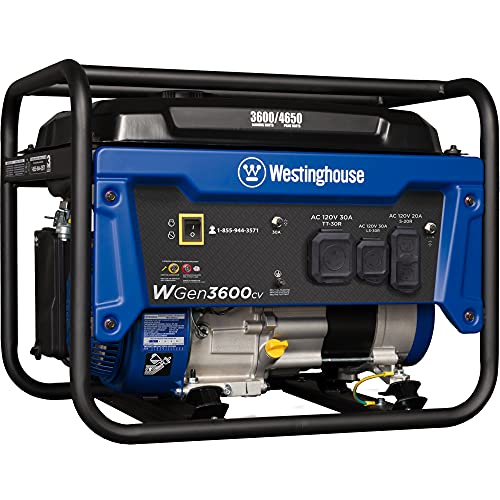
Westinghouse 4650 Peak Watt Portable Generator

Oxseryn Power Equipment 4400 Watts Inverter Generator

WEN 3600-Watt Portable Inverter Generator 56360i

WEN Quiet and Lightweight 3600-Watt Dual Fuel RV-Ready Portable Inverter Generator DF360iX

Champion Power Equipment 4000-Watt RV Ready Portable Inverter Generator
More Details On Our Top Picks
The Westinghouse leans into straightforward RV utility, with a 30A outlet that suits a standard campground hookup and a gas-powered layout that keeps fuel sourcing simple. The CO sensor adds a useful layer of awareness for enclosed or tight setups, which matters more than it sounds when you’re parked close to other rigs.
It sits at the heavier, more substantial end of this group, so it makes more sense for base camp use than for frequent hand-carry moves. You’ll probably appreciate it most on weekend trips where steady output matters more than minimalist weight, and that’s a fair trade for the added capability.
Strong Points
- RV-ready 30A outlet fits common trailer power needs.
- Gas power keeps refueling simple on longer stays.
- CO sensing is a practical addition for campsite awareness.
- More output headroom than the smaller WEN 3600-watt models below.
Things To Consider
- Portability matters less here, since this is the bulkier style of generator.
- Gas units usually ask for a bit more storage care between trips.
- It’s less travel-friendly than the lighter inverter options in this roundup.
Feature Snapshot
Who It Suits Best
Campers who want a sturdier RV generator for a parked setup, especially around a 30A connection, fit this one well.
A Better Fit Elsewhere
WEN 3600-Watt Portable Inverter Generator 56360i suits solo travelers or light-duty campers who care more about easier carrying than extra output.
The Oxseryn takes a different route from the Westinghouse, using an open-frame inverter layout instead of a more enclosed travel-style shell. That usually makes it feel more like a practical power station for mixed use, especially for camp trips that can spill into emergency backup at home.
ECO mode is the detail that helps it feel less wasteful in lighter-load situations, though the open-frame form still looks more utility-first than sleek. For many households that camp part of the year and want one machine to cover both roles, that balance makes sense.
What We Like
- 4400-watt output gives you solid room for RV and backup use.
- Inverter design is better suited to electronics than basic open generators.
- ECO mode helps match engine effort to smaller loads.
- Good crossover choice for camping and emergency household needs.
Room For Improvement
- The open-frame build takes up more visual and physical space than the compact WEN 56360i.
- Less appealing for campsites where a softer acoustic profile matters most.
- Storage can feel less tidy than with the more enclosed inverter picks.
Core Details
Built With In Mind
You fit this best when RV trips and emergency backup both sit on the same shopping list.
Swap It Out When
Champion Power Equipment 4000-Watt RV Ready Portable Inverter Generator is the cleaner match for campers who want a more travel-focused form factor.
Weight and footprint are the whole point here, and the WEN 56360i makes that clear before you even get into the feature list. Quiet operation and the fuel shut off add comfort for campground use, especially for travelers who don’t want a bulky machine taking over the storage bay.
Compared with the Oxseryn, this one feels much more travel-minded and less like a hybrid backup unit. The honest read is that its lower output suits smaller RV setups, but that restraint also keeps it easier to live with on short trips.
Positives
- Lightweight build makes loading and unloading less of a chore.
- Quiet operation suits campground use better than louder utility-style units.
- RV-ready design keeps hookup planning simple.
- Fuel shut off helps reduce stale-fuel issues during storage periods.
- Compact size is easier to tuck beside gear, bins, or a trailer wall.
Softer Spots
- 3600 watts suits lighter RV needs more than energy-hungry rigs.
- It gives up some output headroom to stay more portable.
- Owners who want one machine for larger home backup may want more capacity.
At A Glance
Right Fit For
Solo campers and smaller RV setups benefit most from the lighter body and simpler storage needs.
A Better Fit Elsewhere
WEN Quiet and Lightweight 3600-Watt Dual Fuel RV-Ready Portable Inverter Generator DF360iX suits you better when fuel flexibility matters more than absolute weight.
The DF360iX keeps the portable, quiet character of the WEN 56360i, then adds dual-fuel flexibility for situations where one fuel source may be easier to find than another. That can matter on longer trips, or during shoulder-season camping when you want a little more planning room.
It also carries CO Watchdog, WEN’s carbon-monoxide monitoring feature, which is useful to understand in plain language as a sensor that tracks dangerous exhaust buildup and can shut the unit down. The trade-off is that dual-fuel convenience and extra safeguards can make the purchase feel more serious than the simpler 56360i.
Highlights
- Dual-fuel support gives you more fueling flexibility on the road.
- RV-ready setup makes campground use straightforward.
- Quiet, lightweight design keeps it easier to transport than heavier open-frame units.
- Fuel shut off helps with storage and routine maintenance.
- CO Watchdog adds a thoughtful safety-minded feature for enclosed-use awareness.
Worth Noting
- Dual-fuel capability can add cost and complexity compared with the simpler WEN 56360i.
- 3600 watts still places it in the lighter-duty class.
- More feature depth means a little more to learn before first use.
Details At A Glance
Who Should Grab It
You fit this best when you want a lightweight RV generator but also want the backup comfort of dual-fuel operation.
Reach For A Different Pick When
Westinghouse 4650 Peak Watt Portable Generator makes more sense for campers who care more about stronger RV output than about fuel choice.
Champion’s 4000-watt inverter leans into the middle ground that works for a lot of RV trips, enough output for common campsite use without drifting into the bulkier class. Quiet technology matters here because campground neighbors notice the difference, and the more measured operation helps the unit feel less intrusive.
Compared with the Westinghouse, this one gives you a slightly different balance point, with a lighter travel-minded inverter setup instead of a heavier-duty gas machine. That makes it a sensible everyday option for campers who want dependable utility without going oversized.
Reasons To Buy
- 4000-watt output gives you a practical middle ground for RV use.
- Inverter design is well suited to electronics and campground comfort.
- Quiet technology helps keep noise more manageable in close quarters.
- RV-ready setup simplifies connection to common trailer gear.
- More compact than the bulkier Westinghouse pick above.
Areas To Watch
- It does not bring the dual-fuel flexibility of the WEN DF360iX.
- Campers needing a heavier output cushion may prefer the Westinghouse 4650-watt model.
- The value here depends on whether you care more about quiet operation or added fuel options.
Feature Rundown
Whose Shelf It Belongs On
Campers who want a balanced RV inverter for regular trips and a reasonable carrying load will feel at home with this one.
Look Elsewhere When
WEN Quiet and Lightweight 3600-Watt Dual Fuel RV-Ready Portable Inverter Generator DF360iX is the smarter pick for you when fuel flexibility matters more than simple all-gas use.
How To Choose The Right Rv Generators
Output And RV Hookup Match
Start with the power needs of your actual setup, not a wish list. A 30A RV outlet is a meaningful detail because it lines up with many travel trailers, while wattage tells you how much breathing room you have for lights, chargers, fans, and larger appliances. That difference matters on hot nights, especially if you plan to run more than the basics.
Inverter Versus Open-Frame Design
Inverter generators usually make more sense for RV use because they’re built around steadier power and a friendlier noise profile. Open-frame designs, like the Oxseryn, often lean toward broader utility and easier access, but they usually take up more space and feel less campground-friendly. That trade-off suits some mixed-use owners, though not everyone wants the extra bulk.
Fuel Type And Storage Habits
Gas-only models are simpler in the short term, while dual-fuel options give you more flexibility during travel or weather-related planning. Fuel shut off features help with storage, since they make it easier to manage leftover fuel between trips. That’s a small detail on paper, but it pays off for anyone who doesn’t run the generator every week.
Portability And Real-World Handling
Weight and size matter more than many spec sheets suggest. A lighter unit like the WEN 56360i is easier to move from truck bed to campsite, while a larger unit is better suited to a parked, stay-put setup. You want the generator to fit your space, your storage hatch, and your back, all at once.
A Quick Reality Check Before You Choose
Common Shopping Slip Ups
A frequent mistake is chasing wattage alone and ignoring the RV connection you actually need. Another is overlooking storage and handling, which turns a good spec sheet into an awkward ownership experience fast. Noise also gets ignored too often, and that’s the part your campsite neighbors notice first.
The Case For Spending Up
Higher-tier RV generators usually cost more because they package more than raw output. You’re paying for inverter electronics, quieter operation, dual-fuel flexibility, and practical extras such as fuel shut off or CO monitoring. That extra spend makes sense for frequent travelers, but it’s less compelling for occasional weekend use.
Frequently Asked Questions
What size generator works for an RV?
A 30A RV-ready setup fits many campers, but wattage should still match the appliances you plan to run. Smaller travel rigs can live comfortably with less output than larger trailers or coach-style setups.
Is an inverter generator better for camping?
For most RV trips, inverter models are the cleaner fit because they’re quieter and more suitable for electronics. Open-frame units still have a place, especially for mixed home-and-road use.
Why does CO monitoring matter?
CO monitoring adds an extra layer of awareness around exhaust buildup. It matters most in tighter camping setups or any situation where the generator sits near living space.
Should you choose dual fuel over gas only?
Dual fuel helps when fuel flexibility matters, especially on longer trips or during backup planning. Gas-only models stay simpler, so the right choice depends on how often you’ll use the generator and where you’ll store it.
How much portability do you really need?
That depends on how often you move the unit. A lighter generator makes sense for frequent loading and unloading, while a heavier one works better as a parked power source.
Closing Thoughts
The best RV generator for you comes down to where you camp, how much power you need, and how often you’ll move the unit. The Westinghouse suits stronger RV demands, the WEN 56360i keeps things light, and the DF360iX adds fuel flexibility without drifting into bulk. Champion and Oxseryn sit in the middle with balanced output and useful utility. Choose the one that fits your storage space and your trips, and the rest gets a lot easier.
