

A remote start generator takes a lot of friction out of backup power. You get easier starts for storm prep, RV trips, tailgates, and jobsite use, without leaning over a hot machine every time. For households that want cleaner-running inverter models, or families who need more wattage for appliances, the details matter fast. Fuel type, outlet setup, runtime approach, and portability can change the whole ownership experience.
The Shortlist At A Glance

Westinghouse 4000 Peak Watt Super Quiet Dual Fuel Portable Inverter Generator
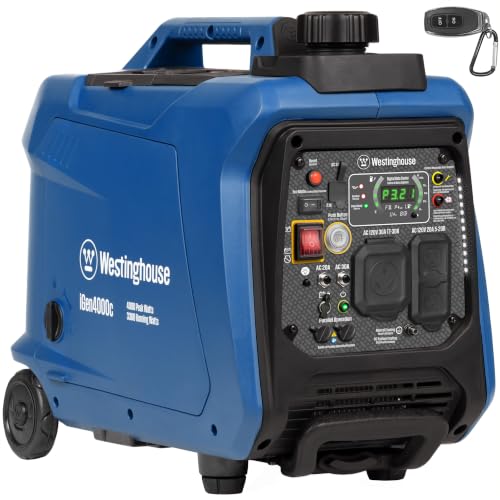
Westinghouse 4000 Peak Watt Super Quiet Portable Inverter Generator

AIVOLT 4300W Dual Fuel Inverter Generator

Westinghouse 6600 Watt Dual Fuel Home Backup Portable Generator

Champion Power Equipment 4000-Watt Dual Fuel RV Ready Portable Inverter Generator

Westinghouse 4650 Peak Watt Dual Fuel Portable Generator

Westinghouse 6600 Watt Home Backup Portable Generator

Westinghouse 8200 Peak Watt Tri-Fuel Portable Inverter Generator
More Details On Our Top Picks
Dual fuel gives this Westinghouse a lot of day-to-day flexibility, since you can run it on gas or propane without changing the overall class of machine. The remote electric start trims away one of the bigger annoyances of portable power, especially during storm prep or late-evening RV setup.
Compared with the gas-only Westinghouse later in this list, this one fits more mixed use because fuel choice can matter more than raw output. The trade-off is that dual-fuel machines usually ask for a little more storage planning, and that matters in a packed garage or trailer bay.
Strong Points
- Remote start keeps startup simple from a distance.
- Gas and propane support gives you more fuel options.
- Inverter design suits electronics and quieter campsite use.
- Parallel capability helps you grow output later.
- RV-ready setup makes trailer power less fussy.
Things To Consider
- Dual-fuel gear usually takes more space than a simpler gas unit.
- You still need to plan fuel storage and changeover habits.
- Higher-output home backup loads call for a larger model.
Feature Snapshot
Who It Suits Best
You want portable backup power for an RV, a cabin, or a home setup that benefits from fuel flexibility and easier starting.
Where A Sibling Pick Shines
Westinghouse 4000 Peak Watt Super Quiet Portable Inverter Generator fits better for you when gas-only operation and auto choke matter more than dual-fuel flexibility.
This version keeps the Westinghouse 4000-class shape but strips the fuel choice down to gas, which makes it easier to understand at a glance. Auto choke helps with cold starts, and that can be handy on a weekend cabin run or during a rough-weather outage.
Compared with the dual-fuel model above, this one is the cleaner fit for anyone who wants fewer moving parts and less fuel juggling. The honest trade-off is obvious, you give up propane flexibility, so it suits a garage setup where gas is already your plan.
What We Like
- Auto choke lowers the fuss around startup.
- RV-ready 30A outlet supports trailer hookups.
- Parallel capability leaves room for future expansion.
- Inverter output is a calmer fit for electronics.
Points To Note
- Gas-only use narrows fuel flexibility.
- Single-fuel ownership asks you to keep one fuel plan in place.
- It sits below larger backup models for heavy household loads.
Details At A Glance
Who Will Love This
You want a simpler gas-only inverter generator for camping, tailgating, or backup power in a home that already runs on gasoline.
Swap It Out When
Westinghouse 4000 Peak Watt Super Quiet Dual Fuel Portable Inverter Generator suits you better when propane backup and fuel flexibility matter more.
The AIVOLT leans into portability more openly than the Westinghouse pair above, with wheels and a 64-pound build called out in the listing. That matters for anyone rolling gear from a truck bed to a campsite or moving it around a yard after a storm.
The 53 dB quiet rating, as listed, points it toward camp-friendly use rather than harsh jobsite duty, and the long propane runtime can reduce how often you refuel during a weekend stay. You may still want the bigger Westinghouse 6600s for heavier house loads, but this one feels easier to live with on the move.
Upsides
- Wheels make transport easier than bare-handle units.
- Remote and electric start both support easier startup.
- Dual fuel gives you a gas or propane path.
- Parallel readiness leaves room for a larger setup later.
- CO auto-shutoff adds a useful protective control for enclosed-adjacent use.
Room For Improvement
- Wheeled portability helps, but it still takes floor space in storage.
- The quiet focus is helpful, though very heavy loads still need a bigger class.
- Long runtime claims depend on the fuel and load pattern you choose.
Core Details
Right Fit For
You want a quieter dual-fuel inverter with wheels for camping, tailgates, or easier yard-side backup moves.
A Better Fit Elsewhere
Westinghouse 6600 Watt Dual Fuel Home Backup Portable Generator suits you better for larger household backup needs and transfer-switch use.
This 6600-watt Westinghouse moves out of camp-first territory and into home-backup territory with less hesitation. Transfer switch readiness matters here, because it’s the kind of feature that makes a generator feel planned rather than improvised during outage season.
Compared with the smaller 4000-watt units, this one gives you more breathing room for appliances and household circuits, though it also asks for more space and a bit more confidence in handling a larger machine. For most garages, that trade is worth it only when you want serious backup coverage rather than light recreational power.
Bright Spots
- Dual fuel lets you choose between gas and propane.
- Transfer switch readiness suits planned home backup setups.
- Remote electric start keeps operation straightforward.
- RV-ready support broadens the use cases beyond home backup.
- Higher output gives more room for household essentials.
Small Caveats
- Larger output usually means a larger footprint in storage.
- Home-backup use works best with a clear power plan.
- It’s more generator than casual weekend carry.
Feature Rundown
Built With In Mind
You want stronger backup power for a house, cabin, or garage setup where transfer-switch compatibility matters.
Where A Sibling Pick Shines
Westinghouse 4000 Peak Watt Super Quiet Dual Fuel Portable Inverter Generator fits better for lighter RV use and a quieter, more compact footprint.
Champion’s 4000-watt dual-fuel layout sits in the same portable class as the smaller Westinghouse models, but it leans on a quiet-technology framing that suits campgrounds and neighborhood backup use. A three-year warranty note in the listing gives it a more comfort-oriented pitch, though the real value here is the mix of RV readiness and flexible fuel use.
You may find this especially sensible for a first generator purchase, since the output is approachable without feeling underbuilt. The compromise is that it stays in the lighter power tier, so whole-house ambitions belong with the larger 6600 and 8200 options.
Positives
- Dual fuel adds a practical second fuel choice.
- RV-ready setup supports trailer power without extra fuss.
- Quiet-tech framing suits campsites and shared spaces.
- Portable size keeps it friendlier for storage and transport.
Areas To Watch
- It stays in a smaller output class than the home-backup units.
- Dual-fuel ownership still means planning around two fuel options.
- Quiet operation helps, but placement still matters near tents or patios.
Quick Facts
The Right Fit
You want a compact dual-fuel inverter for RV trips, backyard use, or lighter home backup tasks.
Look Elsewhere When
Westinghouse 6600 Watt Home Backup Portable Generator suits you better for a bigger transfer-switch-ready home setup.
This Westinghouse sits just above the 4000-watt class, so it makes sense for someone who wants a little more cushion without jumping all the way to the larger home-backup units. Auto choke and remote electric start make the daily experience easier, especially for a cabin, workshop, or outage-ready garage.
It’s a good middle step for households that want extra capacity but don’t need the full footprint of the 6600-watt models. The trade-off is simple: you gain useful headroom, yet you still stay in the portable-generator lane rather than stepping into bigger backup territory.
Best Bits
- Extra wattage over the 4000-class units gives you more margin.
- Remote electric start makes operation less awkward.
- Auto choke helps startup feel more straightforward.
- RV-ready outlet supports travel use.
Honest Caveats
- It remains smaller than the 6600-watt home backup models.
- Dual fuel means handling two fuel paths and their storage.
- Portable format still asks you to think about where it lives between uses.
At A Glance
Made For
You want a step-up portable generator for RV travel, jobsite-style hauling, or backup use with more headroom than a 4000-watt model.
Another Choice May Suit
AIVOLT 4300W Dual Fuel Inverter Generator fits better for campers who want a quieter, wheeled option with a mobility-first layout.
This one is the cleaner home-backup twin in the Westinghouse 6600-watt pair, since it keeps the remote start and auto choke but focuses the pitch more tightly on standby-style use. That kind of layout suits a homeowner who wants a generator that feels ready for planned outage prep rather than weekend wandering.
Compared with the dual-fuel 6600-watt version, this model stays more streamlined on the fuel side and may feel simpler to manage. The honest read is that it belongs in homes where transfer-switch planning and dependable startup matter more than propane flexibility.
Reasons To Buy
- 6600-watt output gives you room for bigger household loads.
- Remote electric start makes outage use less awkward.
- Auto choke reduces startup friction.
- Transfer switch readiness fits planned home wiring setups.
Worth Noting
- It gives up the fuel flexibility of the dual-fuel sibling.
- Home-backup sizing means you’ll want a clear storage spot.
- It’s less travel-friendly than the smaller inverter picks.
Feature Card
Best Suited To
You want a home backup generator with stronger output and less day-to-day fuss than lighter portable models.
Reach For A Different Pick When
Westinghouse 6600 Watt Dual Fuel Home Backup Portable Generator suits you better if propane backup matters alongside transfer-switch readiness.
The 8200-watt tri-fuel design is the most flexible fuel setup in the group, and that shows up fast for homes or properties where fuel access can change. Gas, propane, and natural gas support gives you more ways to keep it running, while the low-THD inverter design makes it the most electronics-friendly pick here.
It also stands apart from the other Westinghouse models because it combines transfer-switch readiness, parallel capability, and remote electric start in a single higher-output package. For larger homes, or for someone who wants one generator to cover several use cases, this is the most complete option in the list.
Highlights
- Tri-fuel support gives you the widest fuel flexibility in this roundup.
- Low THD helps it suit sensitive electronics better than basic units.
- Remote electric start keeps operation convenient.
- Parallel capability can expand output later.
- Transfer switch readiness supports a more complete backup setup.
Softer Spots
- Higher flexibility usually comes with more setup thinking.
- The larger format is less casual to move around than the smaller inverters.
- Tri-fuel planning makes storage and connection habits more important.
Technical Sheet
Whose Shelf It Belongs On
You want a higher-output inverter for home backup, electronics-heavy use, or a property where fuel choice can change over time.
Skip It When
Westinghouse 4000 Peak Watt Super Quiet Dual Fuel Portable Inverter Generator makes more sense for lighter RV use and a smaller storage footprint.
How To Choose The Right Remote Start Generators
Fuel Choice Matters More Than Most Shoppers Expect
Gas-only models are simpler, but dual-fuel and tri-fuel designs give you backup paths during outages or fuel shortages. That matters most for homes that see storm seasons, cabins with stored fuel, or RV owners who like flexibility on the road.
The trade-off is storage and setup. More fuel options usually mean more things to manage, from propane tanks to hose connections, so a simpler unit can make more sense for casual use.
Start Type, Choke, and Real Convenience
Remote electric start is the main quality-of-life feature here, especially when the generator sits outside in bad weather or behind a trailer. Auto choke helps cold starts by handling part of the startup sequence for you, which saves effort on frosty mornings or after long storage periods.
Those details matter most when you use a generator often enough to notice friction. A machine that starts easily gets used more often, and that’s the whole point.
Match Output To The Job
A 4000-watt inverter covers lighter backup needs, RV use, and smaller appliance loads. Step up to the 6600- or 8200-watt class when you want more household coverage, transfer-switch planning, or the headroom that keeps startup loads from feeling cramped.
That bigger output usually comes with a bigger footprint and less casual portability. For apartment patios, compact garages, or frequent camping moves, smaller models stay easier to live with.
Don’t Ignore Portability And Storage
Wheels, manageable weight, and a shape that fits a garage shelf can matter as much as wattage. A 64-pound unit with wheels feels very different from a larger backup generator that you only roll out during outages.
That’s why use case should drive the choice. Campers tend to value smaller, quieter inverters, while homeowners often care more about transfer-switch readiness and output margin.
A Quick Reality Check
Wrong Turns To Avoid
One common mistake is buying only for peak wattage and overlooking outlets, fuel type, and startup method. Another is treating a home backup machine like a camp generator, since size, storage, and connection planning change fast once the unit gets larger.
Why Top Tier Costs More
Higher-tier models usually bring tri-fuel support, better power quality, stronger output, and more complete backup features like transfer-switch readiness. That extra hardware and flexibility can matter a lot for larger homes or electronics-sensitive setups.
You’ll feel the difference most during long outages or mixed-use ownership. For occasional weekend power, the simpler 4000-watt units still make plenty of sense.
Frequently Asked Questions
What makes a remote start generator worth it?
Remote start saves effort and keeps the unit easier to use in bad weather or awkward placements. That convenience becomes more noticeable the more often you run the generator.
Is dual fuel better than gas only?
Dual fuel gives you a second fuel option, which helps during supply changes or long outage stretches. Gas-only models stay simpler and usually take less planning.
Do you need inverter power for electronics?
Inverter generators are the safer-style fit for sensitive electronics because they deliver cleaner power. That matters for phones, laptops, routers, and similar gear.
How much wattage is enough for home backup?
Light home backup can start around the 4000-watt class, while bigger household needs often point toward 6600 watts or more. Your actual appliance list matters more than a headline number.
Does a CO sensor change how you use a generator?
A CO sensor is a built-in monitor for carbon monoxide risk, and it can shut the unit down based on the listing’s design. You still need sensible outdoor placement and normal generator precautions.
Closing Thoughts
You’ve got a clear split here: smaller inverter models suit camping and lighter backup, while the 6600- and 8200-watt units fit more serious household planning. Dual fuel gives you flexibility, tri-fuel gives you even more, and remote start keeps the whole experience less clumsy. Start with your storage space, then match the fuel type and output to the way you actually live. That approach keeps the choice grounded, and it usually leads you to the right machine.
