

Sorting through generator prices is easier once you match output, outlet layout, and starting method to the way you actually use power. A small RV setup, a storm-ready home, and a jobsite with heavier tools all call for different trade-offs, and the wrong size usually feels cramped fast. You’ll see that pattern here, from compact inverter picks to larger home-backup models with remote start and transfer-switch support.
Quick Look at the Shortlist
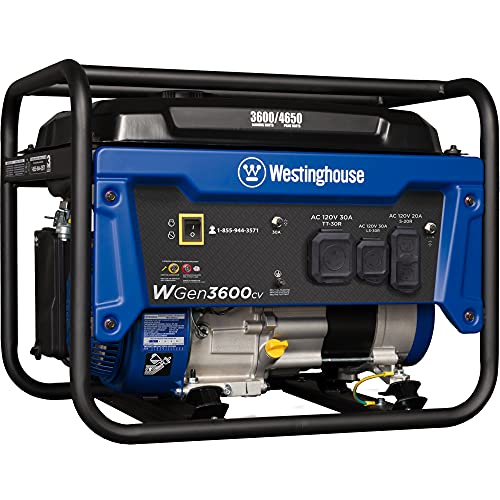
Westinghouse 4650 Peak Watt Portable Generator

Oxseryn Power Equipment 4400 Watts Inverter Generator

Westinghouse 12500 Peak Watt Home Backup Portable Generator

DuroMax Gas Powered Portable 12000 Watt Electric Start Home Back Up

Oxseryn 4400-Watts Inverter Generator

AMERISUN 4500W Open Frame Gas Inverter Generator

Champion Power Equipment 4000-Watt Dual Fuel RV Ready Portable Inverter Generator
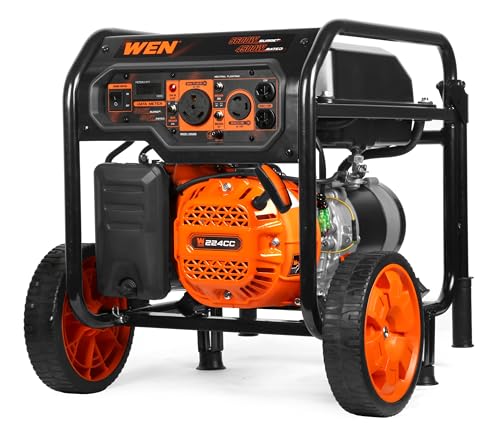
WEN 5600-Watt Portable Generator (GN5600)
The 30A RV outlet makes this Westinghouse feel aimed at practical weekends, not just emergency storage. You get enough headroom for camp essentials and home basics, while the gas-powered setup keeps it familiar for anyone who already knows small-engine maintenance.
The trade-off is size, because a 4650-peak-watt class machine is less nimble than the smaller Oxseryn picks above. Still, for a driveway backup setup or a travel trailer, that extra margin helps the unit feel less strained.
What We Like
- RV-ready 30A outlet suits trailer use without extra fuss.
- CO sensor adds a useful layer of shutdown awareness for enclosed-space mistakes.
- The output range gives you more breathing room than the smaller inverter-style options.
- Gas power keeps refueling straightforward during longer outages.
Points To Note
- It’s still a portable generator, so storage space matters.
- Gas upkeep asks for a little routine attention between uses.
- The larger frame is less convenient for frequent moving.
Feature Snapshot
Who It Suits Best
Weekend campers and homeowners wanting a middle-ground backup option get the most from this layout.
Another Choice May Suit
Westinghouse 12500 Peak Watt Home Backup Portable Generator makes more sense for households that want a larger reserve for heavy-use outage planning.
This Oxseryn sits in the useful middle lane between a compact travel unit and a heavier backup machine. The open-frame layout usually means a more rugged, jobsite-style footprint, while ECO mode trims engine demand during lighter loads.
That makes it a sensible fit for occasional outages, tailgates, and RV setups that need enough output without jumping straight to a larger house-backup class. You may still want a quieter enclosure-style option for packed campgrounds, but for open spaces it keeps the job simple.
Reasons To Buy
- 4400 watts gives you a workable cushion for small backup plans.
- ECO mode helps the engine ease down during lighter use.
- The RV-ready angle fits travel and campsite power needs.
- Open-frame construction often feels easier to place in a garage or shed.
Room For Improvement
- Open-frame generators usually take up more visual and physical space than enclosed inverter units.
- It is less compact than the Westinghouse 4650 Peak Watt Portable Generator.
- Noise expectations still matter in tight neighborhoods or close-camp setups.
Core Details
Made For
Travel campers, casual tailgaters, and homes wanting a modest emergency supply are the clearest match.
Look Elsewhere When
Champion Power Equipment 4000-Watt Dual Fuel RV Ready Portable Inverter Generator suits anyone who wants fuel flexibility in a quieter inverter-style package.
Once you move into this power tier, the use case shifts toward home backup first and portability second. The remote electric start is especially helpful during storms or cold mornings, and auto choke trims part of the startup hassle you’d otherwise deal with on a gas unit.
Transfer-switch readiness matters because it makes the generator a more natural match for home circuits than a plain outlet-only machine. The honest read is that this is less about casual camping and more about keeping essentials online with fewer awkward workarounds.
Highlights
- Remote electric start cuts down on manual pull-start effort.
- Auto choke supports easier starting conditions.
- Transfer-switch readiness fits planned home backup setups.
- High output gives you a broader buffer for essentials.
- CO sensor adds another useful layer for shutdown awareness.
Small Caveats
- Its size makes casual moving more of a chore.
- Routine fuel care still applies, as with any gas generator.
- The stronger output can feel like overkill for small campsite loads.
Technical Sheet
Right Fit For
Homeowners planning for outage backup with a serious power cushion will get the clearest value here.
Swap It Out When
WEN 5600-Watt Portable Generator (GN5600) is the easier fit for someone who wants a simpler transfer-switch-ready machine without stepping as far up in output.
DuroMax pushes into the higher-output category with a setup that makes sense for households balancing backup and RV use. The electric start is a welcome convenience, especially compared with older-style pull-start machines that can feel clunky when you’re in a hurry.
The 50-state approval note also broadens where the generator fits from a listing standpoint, though the practical benefit still comes down to your power plan and storage space. Compared with the Westinghouse 12500 Peak Watt Home Backup Portable Generator, this one reads a bit more versatile for mixed use.
Upsides
- Electric start removes some of the hassle from setup.
- High wattage suits larger home backup loads.
- RV-ready design helps it serve more than one role.
- Dual-purpose styling makes it easier to justify storage space.
Worth Noting
- Larger output usually means larger physical footprint.
- Gas upkeep and storage planning still come with the territory.
- Its size makes it less grab-and-go than the Oxseryn 4400 Watts Inverter Generator.
Details At A Glance
The Right Fit
Households that want a versatile high-output machine for outages and travel stop here most comfortably.
Where A Sibling Pick Shines
Westinghouse 4650 Peak Watt Portable Generator is the easier match for lighter RV-first use with less bulk to manage.
This second Oxseryn keeps the same usable 4400-watt class but trims the pitch into a simpler emergency-and-RV formula. That makes it appealing for garages, sheds, and travel setups where you want enough output without paying for a bigger frame or extra feature layers.
The EPA note appears in the title, though the important part for you is the shape of the machine itself: open frame, gas powered, and RV ready with a 30A outlet. It’s a straightforward choice, and the trade-off is that straightforward usually means less refinement than the quieter inverter units in the list.
Best Bits
- 4400-watt output handles common emergency loads well.
- RV-ready 30A outlet improves travel compatibility.
- Open-frame design keeps the format simple and familiar.
- Good fit for backup storage in a garage or utility area.
Areas To Watch
- Open-frame styling tends to be less compact than enclosed inverter models.
- Noise expectations matter more in close quarters.
- It shares the same size logic as the Oxseryn Power Equipment 4400 Watts Inverter Generator, so your real decision may come down to feature preference.
Feature Card
Whose Shelf It Belongs On
Practical shoppers wanting a no-nonsense portable backup option will feel right at home with this layout.
Reach For A Different Pick When
AMERISUN 4500W Open Frame Gas Inverter Generator suits you better when parallel readiness and Eco Mode matter more than keeping the build as plain as possible.
AMERISUN stands out because it layers in parallel readiness and Eco Mode without losing the portable, open-frame format. Parallel ready means you can connect a second compatible unit later for more output, which is useful for campers who start small and grow the setup over time.
The 30A RV outlet keeps it relevant for trailers, while the CO alert feature adds a practical safety cue for camp or backup use. Compared with the two Westinghouse picks, this one feels more travel-minded and a little easier to picture moving from site to site.
Bright Spots
- Parallel readiness leaves room for future expansion.
- Eco Mode helps the machine back off during lighter jobs.
- CO alert is a useful extra for portable use.
- 30A RV outlet supports trailer hookups.
- Lightweight positioning makes it easier to place and store than bulkier backup units.
Softer Spots
- Parallel use only helps once you add a second matching unit.
- Open-frame construction still asks for a bit more storage space than a fully enclosed inverter model.
- The travel-first setup may not feel as substantial as the Westinghouse 12500 Peak Watt Home Backup Portable Generator for heavy home backup plans.
Quick Facts
Best Suited To
Campers, trailer owners, and storage-conscious households wanting room to expand later are the clearest fit.
Look Elsewhere When
WEN 5600-Watt Portable Generator (GN5600) suits a home-backup shopper who wants a more direct transfer-switch-ready option without planning for parallel pairing.
Dual fuel is the headline here, and that matters more than it may sound at first glance. Being able to run on two fuel types gives you more flexibility during outages and road trips, especially when one fuel source is easier to store or source than the other.
The quiet-technology note also points this pick toward campgrounds and tighter neighborhoods where noise is part of the equation. Compared with the open-frame Oxseryn units, this one feels more polished and easier to live with for regular recreational use.
Positives
- Dual fuel setup gives you more operating flexibility.
- RV-ready design fits travel trailer power needs.
- Quiet technology suits shared spaces better than louder open-frame models.
- Portable inverter format is a strong match for lighter electronics and recreation use.
- The feature mix feels broader than the simpler Oxseryn 4400-watt picks.
Trade Offs
- More features usually mean a more complex ownership experience.
- Dual-fuel convenience can add planning around fuel storage.
- It may feel smaller in raw backup capacity than the Westinghouse 12500 Peak Watt Home Backup Portable Generator.
Core Details
Who Should Grab It
RV owners and frequent campground users who value quieter operation and fuel flexibility are the best match.
Another Choice May Suit
Westinghouse 4650 Peak Watt Portable Generator is the simpler fit for a shopper who wants a single-fuel setup with a more straightforward layout.
WEN keeps the pitch simple, and that’s part of the appeal. The 224cc engine and 5600-watt rating make it a practical middle path for backup-minded homes that want enough output for core needs without jumping to the biggest machines in the list.
Transfer-switch and RV-ready support gives it useful flexibility, especially for homeowners who want one generator that can handle planned outage use and occasional travel duty. Compared with the Champion dual-fuel model, this one is less about fuel choices and more about a direct, familiar setup.
Best Bits
- 5600 watts gives you a respectable backup cushion.
- 224cc engine size suggests a straightforward gas-powered format.
- Transfer-switch readiness is handy for home circuit use.
- RV-ready support broadens the number of setups it can serve.
Honest Caveats
- It lacks the dual-fuel flexibility of the Champion Power Equipment 4000-Watt Dual Fuel RV Ready Portable Inverter Generator.
- Gas upkeep and storage still need your attention.
- The format is practical, though not as travel-friendly as the lighter AMERISUN 4500W Open Frame Gas Inverter Generator.
Core Details
Built With In Mind
Homeowners wanting a reliable, mid-size backup machine with RV utility will find the fit natural.
Where A Sibling Pick Shines
DuroMax Gas Powered Portable 12000 Watt Electric Start Home Back Up is the stronger choice for households that need a bigger reserve and electric starting convenience.
How To Choose The Right Prices For A Generator
Match Output To The Way You Use Power
Generator pricing rises quickly with output, so the first question is not what looks impressive, but what you actually need to run. RV users, tailgaters, and storm-prep households sit in different lanes, and a 30A RV outlet or transfer-switch support can matter more than a few extra watts on paper.
Smaller inverter-style units tend to suit light electronics and campsite basics, while larger gas units are better for fridge, sump pump, and lighting coverage at home. That’s the real trade-off, because more capacity usually brings more weight, more space, and more fuel planning.
Look At Starting Method And Noise Behavior
Electric start and remote start are worth attention for anyone who expects frequent use, especially during outages or cold-weather mornings. Pull-start machines still make sense, but convenience often pays off when the generator lives in a garage or shed and has to be ready fast.
Noise matters just as much in close neighborhoods or packed campgrounds. Inverter units and models with quiet technology usually cost more than open-frame builds, yet the quieter experience can be worth it when your setup sits near people, pets, or a sleeping trailer.
Choose Portability With Storage In Mind
Portability is more than carrying handles. It also means how easily the machine fits a garage shelf, rolls through a side gate, or loads into an RV bay without turning the process into a project.
Open-frame units often offer strong utility for the money, but they can feel bulky compared with compact inverter designs. That’s why many homeowners land on a mid-size model first, then step up only when their backup plan grows.
Check The Connection Style Before You Commit
RV-ready outlets, 30A plugs, and transfer-switch readiness solve different problems, and they’re not interchangeable. A homeowner wired for outage backup needs a different setup than someone powering a trailer for long weekends.
Dual-fuel support adds flexibility, but it also adds another layer to fuel storage and maintenance. You usually pay more for that flexibility, though for frequent travelers or storm-season planners, the extra headroom can feel worth it.
Before You Click Amazon
Hidden Buying Traps
One common mistake is focusing on peak wattage alone and ignoring the outlet setup. A strong output number means little if the unit doesn’t match your RV plug, home circuit plan, or storage space.
Another trap is treating open-frame and inverter styles as the same thing. They solve different problems, and the quieter inverter route usually asks for a higher outlay.
The Upgrade Payoff
More money in this category usually buys easier starting, quieter operation, stronger outlet flexibility, and better fit for heavier use. It can also mean a more stable ownership experience in mixed conditions, especially for households that rely on the machine during storms or planned outages.
The upgrade makes the most sense when the generator sees regular duty, not just rare emergencies. For occasional backyard or campsite use, a simpler mid-tier machine can still cover the job without the extra complexity.
Frequently Asked Questions
How many watts do you need for basic home backup?
For basic backup, you usually want enough capacity to cover refrigeration, lighting, and a few essentials. Bigger homes or heavier appliance plans call for a stronger output class.
Are inverter generators worth the higher cost?
They make sense when quieter operation and cleaner power behavior matter. That matters most for travel, smaller electronics, and shared spaces.
What does RV-ready actually change?
RV-ready means the unit includes an outlet type that matches common trailer power needs. It can save you from juggling adapters and mismatched cords.
Is electric start a real advantage?
Yes, especially during outages or cold mornings. It cuts down on the effort of getting the machine running.
Why do some models mention transfer-switch readiness?
That note points toward home hookup convenience. It helps the generator fit a planned backup setup more cleanly.
Closing Thoughts
You get the best result by matching the generator to the way you live, not the loudest spec line on the page. For RV trips, a quieter inverter with the right outlet can feel smoother to own, while a bigger home-backup unit makes more sense once you’re planning around outages with real load demands. The shortlist above gives you both paths, so your final choice can stay practical instead of complicated.
