

Home backup power looks different in a storm, during a long outage, or on a weekend that ends with a dark kitchen and a warm fridge. You want enough output for the essentials, a shape that fits your space, and a fuel or battery setup that matches how you actually live. The picks below focus on that real-world fit, from apartment-friendly battery stations to whole-home gas units.
Quick Look At The Shortlist

Jackery Explorer 2000 v2 Portable Power Station
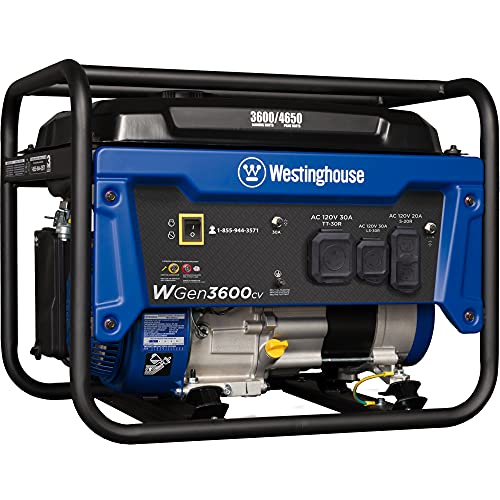
Westinghouse 4650 Peak Watt Portable Generator

Oxseryn Power Equipment 4400 Watts Inverter Generator

EF ECOFLOW Portable Power Station DELTA Pro

Oxseryn 4400-Watts Inverter Generator

Champion Power Equipment 4000-Watt Dual Fuel Portable Inverter Generator

DuroStar DS13000MX 13000-Watt Dual Fuel Portable Generator

Jackery HomePower 3600 Plus Portable Power Station
More Details On Our Top Picks
A battery station like this makes sense for homes that want indoor-friendly backup without fumes or startup fuss. The 2042Wh capacity gives you a solid reserve for lights, Wi-Fi, phones, and small appliances, while the 2200W AC output is the number that tells you how much household gear it can support at once. The LiFePO4 battery, a lithium iron phosphate design, usually matters because it leans toward long service life and steadier storage behavior. The trade-off is simple, it’s not the lightest kind of backup power to move around.
You may find the USB-C PD 100W port especially handy for modern laptops and tablets, which is a practical touch that the gas models in this list don’t match as neatly. Solar-panel compatibility also gives you a path for longer outages, though the panel itself is optional, so that flexibility comes with another purchase decision. For apartment dwellers, campers, or households that only need essential circuits, it feels measured rather than oversized.
What We Like
- Strong 2042Wh reserve for core household electronics.
- 2200W AC output handles a useful spread of appliances.
- LiFePO4 battery chemistry is a sensible long-term choice.
- USB-C PD 100W helps charge laptops quickly.
- Works well indoors since it avoids exhaust and fuel storage.
Small Caveats
- Heavy battery format makes moving it less casual.
- Solar panel is optional, so panel-based use takes extra planning.
Feature Snapshot
Who It Suits Best
You fit this pick best if you want quiet backup power for essentials, a home office, or occasional camping.
A Better Fit Elsewhere
Jackery HomePower 3600 Plus Portable Power Station suits you better when your home backup needs are larger and you want more stored energy in a similar battery-first format.
Gas-powered backup still makes sense for many houses because refueling is faster than waiting on a wall outlet. This Westinghouse unit leans into that familiar setup, and the RV-ready 30A outlet makes it useful for a trailer or a transfer-style home setup that needs a straightforward connection. The CO sensor is a notable safety-related feature on the listing, which matters in garages and other semi-enclosed spaces. The trade-off, naturally, is fuel storage and the upkeep that comes with a combustion unit.
Compared with the Jackery Explorer 2000 v2, this pick suits you better when runtime can be extended with fuel and you want a more traditional portable generator. It fits practical households, weekend campers, and RV owners who want a middle-ground unit that does not feel excessive. The honest read is that gas noise and maintenance are part of the package, so it works best when that trade makes sense.
Highlights
- RV-ready 30A outlet supports common travel trailer needs.
- Gas power keeps refueling simple during extended outages.
- CO sensor adds an extra layer of awareness indoors or near doors.
- Useful middle-size output for basic home circuits and tools.
Points To Note
- Fuel storage and routine upkeep are part of ownership.
- Gas operation brings more noise than battery stations.
- Best used with open-air placement, not tucked away in tight spaces.
Core Details
Whose Shelf It Belongs On
You fit this generator best if you want a plainspoken fuel-powered backup for an RV, garage, or home essentials.
Swap It Out When
Jackery Explorer 2000 v2 Portable Power Station suits you more when indoor use, quiet operation, and lower upkeep matter more than fuel runtime.
An inverter generator is built to smooth power output, which helps with electronics that prefer steadier electricity. That makes this Oxseryn model a sensible step up from basic open-frame units in the same output neighborhood, especially for home backup plus occasional RV duty. ECO mode, a fuel-saving throttle strategy, matters because it can ease noise and consumption during lighter loads. The trade-off is that you still need to manage gasoline and routine engine care.
Compared with the Westinghouse 4650 Peak Watt unit, this one should appeal more to people who want inverter-style behavior and a quieter-feeling setup. It’s a good match for suburban homes, tailgates, and backup use where you don’t want every circuit screaming for attention. One practical note, open-frame designs are usually easier to access for maintenance, but they also tend to look and sound more utilitarian.
Upsides
- Inverter design is friendlier to electronics and mixed loads.
- ECO mode helps stretch fuel use during lighter demand.
- 4400 watts gives you room for useful home essentials.
- RV-ready setup broadens what you can connect.
Things To Consider
- Gas upkeep remains part of regular ownership.
- Open-frame styling is practical, but not subtle.
Quick Facts
Made For
You fit this pick best if you want a quiet-leaning gasoline backup for household essentials and RV use.
Another Choice May Suit
Westinghouse 4650 Peak Watt Portable Generator suits you better when you want a more traditional portable-gas setup with a CO sensor and straightforward RV utility.
This is the sort of battery station that makes a serious home backup plan feel more structured. With 3600Wh of storage and 3600W AC output, it can support more demanding household loads than smaller stations, and the 2.7-hour fast-charge claim points to a shorter wait between uses. Expandability up to 25kWh matters because it lets the system grow with a larger home or longer outage plan. The trade-off is clear, it’s a bigger commitment in both space and budget than Jackery Explorer 2000 v2.
For homes that want a cleaner indoor setup than gas, this one feels especially compelling. The battery-first design suits offices, kitchens, and rooms where exhaust simply isn’t an option. You may find it most appealing if you want a central backup unit rather than a grab-and-go station.
Reasons To Buy
- 3600Wh capacity supports a broader home backup plan.
- 3600W AC output handles more demanding appliances.
- Fast charging helps reduce downtime between power interruptions.
- Expandable architecture gives you room to scale later.
- Battery operation keeps the experience indoor-friendly.
Room For Improvement
- Larger footprint needs more storage and placement planning.
- Higher-capacity systems usually ask for a bigger budget.
Technical Sheet
Best Suited To
You fit this pick best if you want a high-capacity battery backup for home use, RV trips, or outage planning.
Where A Sibling Pick Shines
Jackery HomePower 3600 Plus Portable Power Station suits you better when you want a similar battery-based setup with a different capacity and expansion path.
Another Oxseryn option appears here, but this one stays closer to a straightforward open-frame gas generator than the inverter-first pick above. That makes it a practical fit for outage prep, garage storage, and homes that value simple operation over a sleeker, quieter profile. The RV-ready 30A outlet gives it extra flexibility, and the EPA note on the listing signals a cleaner regulatory fit in the background. The catch is the same as most gas units, you’ll want to stay on top of fuel handling and periodic upkeep.
For a household that wants a routine backup machine rather than a premium battery system, this choice is easy to understand. It looks especially sensible alongside Westinghouse 4650 Peak Watt Portable Generator, with both leaning into familiar portable power habits. The honest read is that it’s less elegant than a station like Jackery Explorer 2000 v2, but that can be exactly the point.
Best Bits
- Open-frame format keeps the design straightforward.
- RV-ready 30A outlet broadens household and travel use.
- Useful for backup duty without a complex setup.
- Gas power makes refueling simple in longer outages.
Worth Noting
- Noise and fuel care come with the gas format.
- Open-frame styling is functional rather than refined.
- Storage space matters more than it does with compact battery stations.
At A Glance
The Right Fit
You fit this model best if you want a simple gasoline generator for home backup, garage use, or RV support.
Look Elsewhere When
EF ECOFLOW Portable Power Station DELTA Pro suits you better when a battery-based system and indoor use matter more than fuel refills.
Dual fuel gives you flexibility, and that matters more than people expect during a prolonged outage or a road trip with changing fuel access. This Champion inverter generator pairs that flexibility with RV readiness and quiet-leaning operation, so it covers both household essentials and travel use with less fuss than a basic open-frame gas unit. A three-year warranty is part of the listing, which helps frame it as a more settled long-term purchase. The trade-off is that dual-fuel convenience usually comes with a bit more setup complexity.
Compared with Oxseryn Power Equipment 4400 Watts Inverter Generator, this pick speaks more to shoppers who want a more established-feeling inverter package and the backup of dual-fuel flexibility. It suits RV owners, suburban homes, and anyone who wants a generator that feels a little more polished in daily handling. The honest read is that it’s not the simplest unit in the lineup, but it does bring useful range.
Positives
- Dual-fuel support gives you more than one fueling path.
- Inverter design helps with electronics and mixed loads.
- RV-ready setup works well for travel and backup use.
- Quiet Technology aims for a calmer operating experience.
- Three-year warranty adds confidence to the ownership picture.
Minor Gripes
- Dual-fuel convenience can mean a more involved setup.
- Size and storage needs still deserve a look before purchase.
Feature Rundown
Built With In Mind
You fit this generator best if you want dual-fuel flexibility for RV trips, outages, or mixed home use.
Reach For A Different Pick When
Westinghouse 4650 Peak Watt Portable Generator suits you better when you want a simpler gas-only approach with a CO sensor.
For whole-home backup, this DuroStar sits in a different class from the smaller inverter and battery picks above. The 13,000-watt output and 500cc engine point toward larger loads, while dual-fuel support gives you gasoline or propane flexibility, which many households appreciate during longer outages. Remote electric start is a comfort feature that matters more than it sounds, especially when the unit may live in a garage or outside storage area. The trade-off is size, noise, and the planning that comes with serious home backup equipment.
Transfer-switch readiness makes this model a better match for homes that already have, or plan to have, a more integrated backup setup. Compared with Champion Power Equipment 4000-Watt Dual Fuel Portable Inverter Generator, it aims far higher on load coverage and far less on portability. The honest read is that it suits a different kind of household, one that wants capacity first and convenience second.
Strong Points
- 13,000 watts gives you room for major household loads.
- 500cc engine signals a serious backup-oriented build.
- Dual-fuel support adds flexibility in long outage planning.
- Remote electric start is helpful from a distance.
- Transfer-switch readiness suits integrated home setups.
Areas To Watch
- Larger generators take more storage space and setup planning.
- Noise and fuel use matter more than they do with battery stations.
- Best suited to homes that are comfortable with heavier equipment.
Details At A Glance
Who Should Grab It
You fit this generator best if you want a serious whole-home backup unit and can handle its size and setup needs.
Where Another Pick Fits Better
EF ECOFLOW Portable Power Station DELTA Pro suits you better when indoor-friendly battery backup and modular expansion matter more than raw gasoline capacity.
This Jackery moves into larger-home battery territory without the noise and fuel habits that come with gas. The 3584Wh LFP battery, a lithium iron phosphate pack, is paired with 3600W AC output, so the numbers line up for more ambitious home backup needs than the Explorer 2000 v2. Expandability up to 21kWh is the headline that changes the story, because it gives you a path toward a bigger backup system over time. The trade-off is the same as any modular battery setup, you’re paying for a more serious structure.
For households that want an emergency power station for home use, RV travel, and outage planning, this one feels deliberate and well thought through. Compared with EF ECOFLOW Portable Power Station DELTA Pro, it sits in a similar conversation but gives you a different expansion ceiling and layout. You may find it especially appealing if you want one battery system to anchor several use cases.
Bright Spots
- 3584Wh capacity offers a strong base for home backup.
- 3600W AC output supports a wide range of household loads.
- LFP battery chemistry fits long-term ownership planning.
- Expandable up to 21kWh gives the system room to grow.
- Battery design keeps indoor use much simpler than gas.
Softer Spots
- Higher-capacity battery systems need thoughtful placement.
- Expansion planning can take a bit more research up front.
Core Details
Who Will Love This
You fit this pick best if you want a large battery backup system for home essentials, emergency planning, or RV use.
Skip It When
Jackery Explorer 2000 v2 Portable Power Station suits you better when you want a smaller, easier-to-place battery backup for lighter needs.
How To Choose The Right Power Generators For Home
Start With The Job You Need Done
Home backup only works well when the output matches the load. A small battery station can cover routers, phones, and lighting, while a larger gas generator or high-capacity power station is better for refrigerators, sump pumps, and a few rooms at once.
Think in terms of the appliances you need to keep alive during a real outage. The number on the label matters less than the mix of starting surge, running load, and how long you want that support to last.
Choose The Fuel Path That Fits Your House
Battery stations suit indoor use, apartments, and homes that want quieter operation with less upkeep. Gas generators still have a place when runtime needs to stretch and refueling is part of the plan.
Dual-fuel models add flexibility, especially for longer outages or mixed storage habits. The trade-off is usually more complexity, more weight, or more maintenance than a single-mode battery unit.
Look At Placement, Noise, And Handling
A generator that sits in the garage all year may be a poor fit if it’s too heavy to move or too loud for your space. Battery stations usually win on convenience here, while open-frame gas units bring more raw power at the cost of refinement.
Check outlet types, wheel setups, and transfer-switch readiness before you decide. A machine that fits your storage area and hookup style will feel far more useful than one that only looks strong on paper.
Plan For Expansion Before The Next Outage
Some homes need a simple backup for a few essentials, and that’s enough. Others eventually want more runtime, more circuits, or a transfer setup, so expandable battery systems and higher-wattage generators make more sense.
Paying more usually gets you larger capacity, stronger output, better portability features, or a more polished inverter design. That upgrade matters most when outages last longer than you expect, or when you want one unit to serve more than one use case.
What To Weigh Before You Decide
Mistakes Worth Dodging
Small generators often look tempting, then fall short the first time a refrigerator and a fan start at the same time. Another common miss is ignoring fuel storage, space for ventilation, or the weight of the unit once it’s out of the box.
Matching the machine to a real outage plan avoids those problems. Count the essentials, then compare that list with the output and outlet layout.
Where The Extra Money Goes
Higher-tier units usually pay for more storage, faster charging, dual-fuel support, or stronger inverter delivery. That is why battery systems like EF ECOFLOW DELTA Pro and Jackery HomePower 3600 Plus sit in a different lane from simpler portable models.
You notice the upgrade most during longer outages and repeated use. The added cost makes more sense when the generator is part of your regular home plan, not just an emergency afterthought.
Frequently Asked Questions
What size generator works for a home outage?
The right size depends on the appliances you want to keep running. Small backup needs can fit a compact power station, while larger homes usually need a stronger gas generator or a bigger battery system.
Are battery power stations good for home backup?
Yes, especially for indoor-friendly backup and quieter operation. They suit electronics, lighting, and essential small loads very well.
Why choose an inverter generator instead of a basic portable model?
An inverter generator is a better fit for devices that prefer steadier output. It also tends to feel more suitable for mixed home and RV use.
Does dual fuel really help in emergencies?
It helps because you have more than one fueling option. That flexibility can matter when one fuel type is harder to find or store.
What matters more, wattage or stored energy?
Both matter, but in different ways. Wattage tells you how much can run at once, while stored energy tells you how long a battery unit can keep going.
Closing Thoughts
You get the best match by starting with the way your home loses power, not by chasing the biggest number on the page. Jackery and EF ECOFLOW make the strongest case for quiet indoor backup, while Westinghouse, Oxseryn, Champion, and DuroStar lean into fuel-driven range and stronger whole-home coverage. The right choice is the one that fits your space, your storage habits, and the appliances you actually need during an outage. That’s the part worth getting right.
