

Backup power feels a lot less abstract once the lights go out and the fridge hum starts sounding optional. This roundup focuses on portable solar generators that fit real home backup needs, from keeping phones and routers alive to running heavier loads during longer outages. You’ll also see where compact units make sense for apartments or travel, and where a larger station earns its keep in a house with more demanding essentials.
Quick Look At The Shortlist

Jackery Explorer 2000 v2 Portable Power Station 2042Wh

EF ECOFLOW DELTA Pro Portable Power Station 3600Wh

Jackery HomePower 3000 and 2x200W Solar Panels 3072Wh

Jackery Solar Generator 300 and 40W Solar Panel 292Wh

Jackery HomePower 3600 Plus Portable Power Station 3584Wh
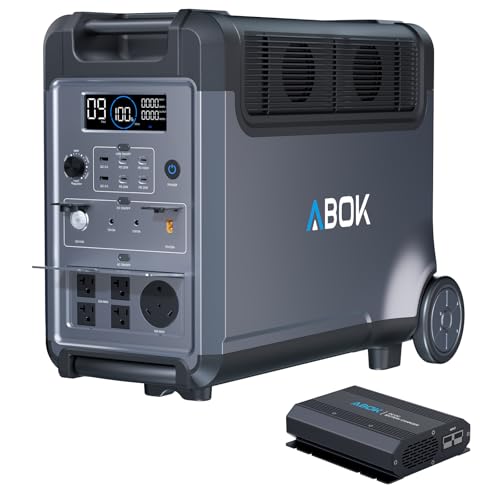
ABOK Ark3600 Portable Power Station 3600W 3840Wh
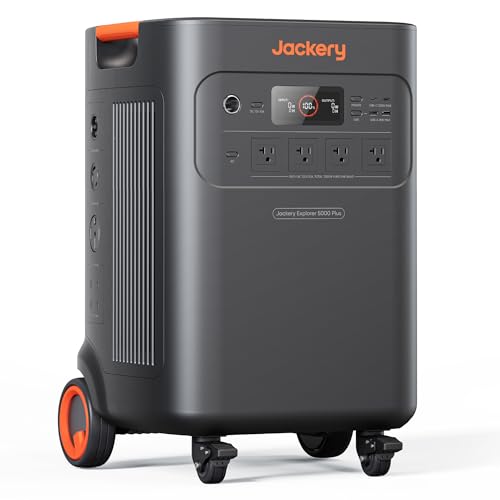
Jackery Solar Generator 5000 Plus Portable Power Station 5040Wh

BROWEY 1600W Portable Power Station 1024Wh
More Details On Our Top Picks
That 2042Wh battery class lands in a useful middle zone for home backup, because it’s large enough to keep essentials moving without feeling like a permanent installation. The 2200W AC output also gives you a better shot at handling ordinary household gear, while the LiFePO4 battery chemistry, a lithium iron phosphate cell format known for steadier long-term use, suits the kind of ownership that stretches beyond a single season.
You may find it especially sensible for a commute-day household that wants a backup station near the kitchen or home office, not tucked away in the garage until storm season. Compared with the larger Jackery and ECOFLOW units later in this list, this one feels more approachable, though the trade-off is obvious: you give up some ceiling for portability and easier storage.
What We Like
- 2042Wh capacity gives you room for core devices, not just emergency phone charging.
- 2200W AC output suits many everyday household loads, which helps during short outages.
- LiFePO4 battery construction tends to fit repeat use better than older battery styles.
- USB-C PD at 100W is handy for modern laptops and fast top-ups.
- Size and output stay more manageable than the bigger home-backup stations in this roundup.
Points To Note
- The solar panel is optional, so the full setup depends on how you plan to charge it.
- It still weighs enough to feel like a real station, not a grab-and-go charger.
- For whole-house ambitions, the larger Jackery and ECOFLOW models offer more breathing room.
Feature Snapshot
Who It Suits Best
Households that want a serious backup station for essentials, but still need something that fits in a closet or utility area, will get the most from this size.
A Better Fit Elsewhere
Jackery Solar Generator 5000 Plus Portable Power Station suits you better when you want far more capacity for longer outages and larger home circuits.
The standout here is scale, because 3600Wh and 3600W AC output move this station into a very different lane from the Jackery Explorer 2000 v2. A fast-charge path that the listing describes as a 2.7-hour charge is useful in any home where outages can come and go, and the expandable design matters if you plan to build a larger backup setup over time.
In a busy house with a fridge, modem, lights, and a few work-from-home devices, this kind of reserve feels reassuring without being tied to a fixed generator platform. The honest read is that it’s a bigger, heavier commitment than the smaller picks, so apartment users or people who only want light emergency coverage may find it more than they need.
Strong Points
- 3600Wh capacity gives you a wide buffer for essential home gear.
- 3600W AC output raises the ceiling for tougher everyday appliances.
- Expandable architecture gives the station room to grow with your setup.
- Fast recharge support helps you recover quicker between outages or cloudy stretches.
- The size makes more sense for homes than for casual travel use.
Softer Spots
- It asks for more storage space than the mid-size Jackery models.
- The larger body is less convenient for people who move gear around often.
- Expansion only pays off when your backup plan is already fairly serious.
Core Details
Whose Shelf It Belongs On
Homes that want a serious backup anchor and expect to expand later will get the clearest value from this machine.
Where A Sibling Pick Shines
Jackery Explorer 2000 v2 Portable Power Station suits you better when storage space is tight and you want a simpler, easier-to-manage station.
This one stands out because the two 200W panels are part of the package, so you’re not piecing together a setup after the fact. The 3072Wh battery and 3600W AC output place it above the Explorer 2000 v2, while the 7200W surge figure adds some room for startup spikes, which matters with certain appliances that draw more for a moment than they do while running.
For a home that wants a more complete backup plan from the start, that bundled approach is genuinely practical. You may find it more reassuring than smaller stations for storm prep, though the trade-off is less about performance and more about storage, because panels and power station together take more room than a compact unit.
Upsides
- The included panels make setup easier for home backup planning.
- 3072Wh capacity gives you a strong reserve for key rooms and devices.
- 3600W AC output supports a wider range of household equipment.
- 7200W surge rating helps with short startup draws from some appliances.
- The kit format saves you from matching panels and station separately.
- It fits well for households that want a more complete package in one purchase.
Minor Gripes
- The full bundle takes more storage room than a station-only setup.
- Panel placement still matters, so you’ll need a sensible charging spot.
- It makes less sense for quick grab-and-go travel than the Jackery Solar Generator 300.
Details At A Glance
Made For
Households that want an all-in-one backup package with less guesswork will appreciate the bundled panels and bigger storage.
Swap It Out When
EF ECOFLOW DELTA Pro Portable Power Station suits you better when expandability and faster recharge planning matter more than a bundled panel kit.
The small size here changes the whole conversation, because 292Wh and 300W AC output place this pick far below the home-first units above it. That said, the 7.5-pound weight and integrated handle make it easy to carry in one hand, and the pure sine wave AC outlet is a useful detail for electronics that prefer smoother power.
For travel, RV use, or a compact emergency kit, this is the kind of station that stays out of your way until you need it. It won’t cover the same ground as the larger Jackery HomePower models, and that’s the point, since this is more about portability and less about backing up a whole house.
Bright Spots
- 7.5-pound weight keeps moving it around pleasantly simple.
- 300W AC output covers small electronics and light everyday gear.
- Pure sine wave AC power suits many sensitive devices better than rougher output.
- Two AC outlets, USB-C PD, USB-A ports, and a car port add flexibility.
- The included solar panel gives you a starter-friendly setup for trips or backup kits.
Areas To Watch
- Capacity stays modest, so longer outages call for something larger.
- It fits light loads better than home appliances with bigger draw.
- The compact design is helpful, but it also means less reserve.
Quick Facts
The Right Fit
Travelers, RV users, and anyone building a light emergency kit will get the most from this compact setup.
Reach For A Different Pick When
Jackery Explorer 2000 v2 Portable Power Station suits you better when home backup matters more than easy carrying.
Compared with the Explorer 2000 v2, this one moves further into house-first territory with 3584Wh and 3600W AC output. The included 2x200W solar panels matter here too, because a backup station only feels useful for home use when recharging is part of the plan, not an afterthought.
That makes this a strong fit for homes that want a larger battery bank without jumping all the way to the biggest unit in the roundup. The trade-off is size and commitment, so you’re getting a more serious setup that’s better parked in one place than carried around often.
Reasons To Buy
- 3584Wh capacity gives you a generous reserve for longer home outages.
- 3600W AC output supports more household gear than mid-range stations.
- Two 200W solar panels are included, which simplifies the setup path.
- Expandable design creates room for a much larger future system.
- It suits home backup better than travel-first portable stations.
Small Caveats
- The full package asks for more storage than a station-only pick.
- It makes less sense for casual camping than the lighter Jackery Solar Generator 300.
- Expansion only matters if you actually plan to grow the system later.
At A Glance
Best Suited To
Homeowners who want substantial backup power and a solar starter bundle will get the clearest value here.
Another Choice May Suit
Jackery Solar Generator 5000 Plus Portable Power Station fits you better when your backup plan needs even more capacity and 120V/240V flexibility.
Some stations are built around one big number, but this one leans on breadth: 3840Wh capacity, 3600W output, 15 outlets, and a 10ms UPS, which is a near-instant switching feature that helps keep connected gear from dropping out during power changes. That mix makes it feel especially practical for homes with several devices spread across different rooms.
Fast charging and expansion up to 11520Wh push it further into serious backup territory, though the real-world payoff depends on how much of that headroom you’ll actually use. You may find it especially useful in a storm-prone area where you want both outlet variety and a steadier backup workflow than a smaller station can offer.
Highlights
- 3840Wh capacity supports substantial backup time.
- 3600W output gives the station a strong everyday ceiling.
- 15 outlets make it easier to spread power across multiple devices.
- 10ms UPS support helps with smoother handoff during outages.
- Expandability to 11520Wh gives you serious growth room.
Worth Noting
- The feature set is broad, so setup can take a little more thought.
- It is more station than travel gear, which matters for storage.
- Expansion only helps fully if your home backup plan is built around it.
Core Details
Built With In Mind
Households that run many devices at once and want a more connected backup setup will appreciate this layout.
Where Shoppers Go Wrong
Jackery Explorer 2000 v2 Portable Power Station fits better when you want a simpler, lighter unit that still covers the core essentials.
This is the largest Jackery in the roundup, and the 5040Wh capacity backed by 7200W output makes that clear from the start. The 120V/240V split gives it broader home compatibility than the smaller stations, and expandability to 60kWh is the sort of number that belongs in a serious backup conversation, not a casual camping chat.
For larger homes, or households where outages can stretch long enough to make smaller stations feel thin, the extra headroom is the entire point. The honest trade-off is size and commitment, because a unit like this is about planning ahead and living with a bigger footprint, not tossing something in the trunk for the weekend.
Best Bits
- 5040Wh capacity gives you very large energy reserve for home backup.
- 7200W AC output opens the door to heavier everyday loads.
- 120V/240V compatibility broadens how it fits into home power needs.
- Expandable to 60kWh, which gives major room for future growth.
- It makes sense for long outages where smaller stations would feel cramped.
Honest Caveats
- The footprint is substantial, so storage needs planning.
- It’s far beyond what most casual travel setups need.
- The scale makes the Jackery Explorer 2000 v2 look much easier to move around.
Feature Rundown
Who Should Grab It
Large households and long-outage planners who want real backup depth will get the strongest match here.
Skip It When
Jackery Solar Generator 300 and 40W Solar Panel fits you better when portability matters more than large-scale home coverage.
The built-in solar panel is the twist here, because it reduces the amount of extra gear you need to think about right away. With 1024Wh of LiFePO4 storage, 1600W output, and a 100W USB-C PD port, this pick lands in a practical middle ground between the ultra-compact Jackery Solar Generator 300 and the much larger home stations.
For a garage shelf, RV cabinet, or emergency corner in the house, that self-contained setup feels easy to understand. You may find the built-in panel less flexible than separate panels, though, so it suits people who value simplicity more than modular expansion.
What We Like
- Built-in solar panel keeps the setup simple.
- 1024Wh capacity gives you more breathing room than tiny emergency units.
- 1600W output covers a solid range of everyday backup loads.
- LiFePO4 battery design fits repeated home use well.
- 100W USB-C PD helps with newer laptops and devices.
Things To Consider
- The built-in panel trades flexibility for convenience.
- It still sits below the larger home-focused Jackery and ECOFLOW stations in reserve.
- For big outage plans, a higher-capacity model gives you more margin.
Technical Sheet
Perfect Match For
Shoppers who want a simpler backup station with less separate gear to track will like this approach.
Look Elsewhere When
EF ECOFLOW DELTA Pro Portable Power Station suits you better when you want a much larger capacity and a more expandable home setup.
How To Choose The Right Portable Solar Generators For Home Backup
Match Capacity To The Jobs You Actually Need Covered
Battery capacity, usually shown in watt-hours, tells you how much energy the station stores. For home backup, that matters more than flashy output numbers, because you want enough reserve for a fridge, lights, modem, or a CPAP-style setup without micromanaging every device.
A small station works for short interruptions and device charging. A larger unit fits longer outages and more essential loads, especially in homes where several things need power at the same time.
Look Closely At AC Output And Surge Headroom
AC output is the continuous power the station can provide, while surge is the brief extra burst some appliances need at startup. That difference matters for anything with a motor or compressor, since a load that looks modest on paper can still ask for more at the first second.
For most households, the smart move is to size for the hardest job you expect to run, not the easiest. A station with more output headroom feels calmer in real use, especially when you’re managing an outage and don’t want to guess.
Think About Charging Speed, Expansion, And Storage
Fast charging becomes valuable the moment your power returns in short windows or your solar setup only has a narrow stretch of good sun. Expansion ports add long-term flexibility, which makes sense for homes planning to grow into a larger backup system rather than replacing the station later.
Storage and weight matter too. A compact 292Wh unit can live in a closet or vehicle, while a 5000Wh-class station needs a real home base, and that’s a fair trade only when the extra capacity is worth the footprint.
Things Worth Knowing First
Hidden Buying Traps
Many people focus on total capacity and forget output limits, then end up with a station that stores plenty of power but cannot run the devices they hoped to cover. Another common miss is overlooking the full charging setup, which matters just as much as the battery size once you start relying on solar.
Panel placement also deserves attention. A bundled kit can simplify life, but a separate panel setup can be easier to position around shade, roof angle, or porch space.
Where The Extra Money Goes
Higher-tier stations usually pay for more battery storage, stronger AC output, and better expandability. You also tend to see faster charging options, more outlets, and more flexible voltage support, which all matter once you move from phone backup to household backup.
That upgrade makes sense when outages are long, your appliance list is real, or you want fewer compromises in how you use the station. For lighter backup use, the extra spend can be hard to justify.
Frequently Asked Questions
How much capacity do you need for home backup?
Small outages and basic device charging can work with a compact station. For fridge coverage, multiple rooms, or longer interruptions, a larger battery makes life much easier.
What does LiFePO4 mean?
LiFePO4 stands for lithium iron phosphate, a battery chemistry used in many modern power stations. It’s popular in this category because it suits repeated charging well and tends to hold up to regular backup use.
Is a built-in solar panel enough?
A built-in panel helps with simplicity, but it usually won’t match the flexibility of a larger external panel setup. It works best when you want convenience first and modular expansion second.
Do you need 240V support?
240V support matters most for homes that want broader appliance compatibility or a backup plan that reaches beyond small electronics. For lighter backup use, 120V-only stations can still make sense.
Which size is easiest to store?
The smallest stations in this roundup are the easiest to tuck away in a closet or vehicle. Larger home-backup units need more dedicated space, so storage should be part of the decision from the start.
Final Thoughts
The right portable solar generator depends on how much of your home you want to keep moving during an outage, not just on the biggest number on the listing. Compact units suit travel and quick emergency coverage, while the larger Jackery, ECOFLOW, and ABOK stations make far more sense for homes that want serious reserve and room to expand. The best fit is the one that matches your space, your appliances, and the way you actually live.
