

Portable RV power gets a lot easier once you know how much output, noise control, and fuel flexibility actually matter at a campsite. You may want a compact inverter for short weekend stays, or a larger dual-fuel unit for longer trips and backup use at home. This roundup keeps the focus on RV-ready outlets, portable handling, and the kind of runtime that fits real travel days. It also separates lighter camp-friendly picks from heavier options that make more sense beside the trailer.
Quick Look At The Shortlist

Westinghouse 2550 Peak Watt Super Quiet Lightweight Portable Inverter Generator 30A Outlet

Westinghouse 4000 Peak Watt Super Quiet Dual Fuel Portable Inverter Generator, Remote Start
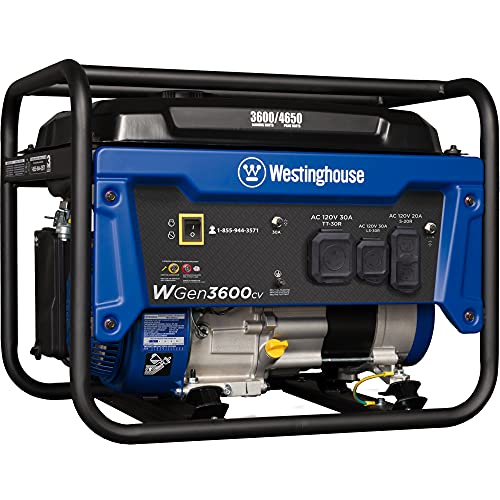
Westinghouse 4650 Peak Watt Portable Generator 30A Outlet, Gas Powered

Oxseryn Power Equipment 4400 Watts Inverter Generator Gas Powered, Portable Open Frame Generator

WEN 3600-Watt Portable Inverter Generator RV-Ready Quiet and Lightweight Fuel Shut Off 56360i

WEN Quiet and Lightweight 3600-Watt Dual Fuel RV-Ready Portable Inverter Generator CO Watchdog DF360iX

AIVOLT 1600W Super Quiet Inverter Generator 28lbs Portable for Camping Gas Generator
More Details On Our Top Picks
Campers who want a lighter carry will notice the appeal right away. The 30A RV outlet makes this a cleaner fit for small trailers, and the gas plus propane setup gives you a useful backup path on the road.
Compared with the heavier Westinghouse units later in this roundup, this one feels more weekend-friendly than all-purpose. The trade-off is simple enough, you give up some output headroom for easier handling and a less demanding setup.
Strong Points
- RV-ready 30A outlet keeps trailer hookup straightforward.
- Dual-fuel support adds flexibility on longer trips.
- Parallel capability lets you plan for more power later.
- Lightweight positioning suits frequent loading and unloading.
Things To Consider
- Smaller output makes it better for lighter loads than for full-house backup.
- Dual-fuel ownership still means managing two fuel paths and extra storage discipline.
Key Specs
Who It Suits Best
Weekend RV travelers and first-time generator shoppers who want a lighter, simpler setup will get the most out of this model.
Swap It Out When
WEN Quiet and Lightweight 3600-Watt Dual Fuel RV-Ready Portable Inverter Generator DF360iX suits you better when fuel flexibility and a little more output matter more than shaving weight.
Remote electric start changes the day-to-day feel here, especially when you’re setting up camp alone or reaching for a unit that sits a little farther from the trailer. Dual fuel support keeps the setup flexible, and the RV-ready layout keeps it aligned with travel use.
Compared with the 2550-watt Westinghouse above, this one gives you more breathing room for heavier campsite needs. It still stays in the portable inverter lane, so the trade-off is better convenience and output without drifting into bulky territory.
Highlights
- Remote start trims hassle during setup and shutdown.
- Dual fuel design fits longer trips and fuel variety.
- RV-ready wiring supports straightforward trailer use.
- Parallel capability leaves space for future expansion.
Worth Noting
- More features usually mean a little more to keep track of, including remotes and fuel choices.
- It makes more sense for campers who need convenience than for those chasing the lightest carry.
Feature Snapshot
Who Should Grab It
RV owners who want push-button convenience and a flexible fuel choice will find this a strong match.
Where A Sibling Pick Shines
Westinghouse 2550 Peak Watt Super Quiet Lightweight Portable Inverter Generator 30A Outlet makes more sense for lighter campers who want a smaller, easier carry.
This is the step-up choice in the Westinghouse group for campers who want more output without moving to a different brand. The 30A RV outlet keeps it travel-friendly, and the gas-only setup keeps fuel planning straightforward on longer stays.
Compared with Item 1 and Item 2, the appeal here is less about convenience extras and more about stronger output for heavier campsite loads. The honest read is that it suits people who expect to run more gear, even though the single-fuel format gives you less flexibility than the dual-fuel models.
Reasons To Buy
- Higher output suits more demanding RV setups.
- 30A outlet keeps trailer hookup direct.
- Gas-only design keeps fuel handling simple.
- CO sensor adds a useful layer of awareness in enclosed-use scenarios.
Points To Note
- Single-fuel operation leaves you with one fuel path to manage.
- Its stronger output usually means a less casual carry than the smaller Westinghouse picks.
Core Details
Built With In Mind
Travel trailer owners who prioritize higher output and straightforward fueling will find this the most practical Westinghouse step-up.
Another Choice May Suit
Westinghouse 4000 Peak Watt Super Quiet Dual Fuel Portable Inverter Generator, Remote Start makes more sense for campers who value remote convenience and fuel flexibility more than raw output.
The open-frame design sets this one apart from the quieter inverter-style boxes above. That structure usually makes more sense for home backup or a more open campsite setup, where access and output matter more than carrying comfort.
Its ECO mode points toward lighter fuel use during smaller loads, which is useful in a weekend cabin or emergency kit. The trade-off is obvious, though, because open-frame units tend to feel less compact than the travel-first picks in this list.
Best Bits
- 4400-watt class suits backup-minded use.
- ECO mode helps match output to lighter demand.
- RV-ready design supports trailer-oriented use.
- Open-frame format can feel easier to access for routine checks.
Room For Improvement
- Open-frame styling takes up more space than the compact inverter picks.
- It feels more at home in open areas than beside a small travel rig.
Technical Sheet
The Right Fit
Campers who also want a backup unit for home use will get more value here than someone shopping only for a light trailer companion.
Look Elsewhere When
WEN 3600-Watt Portable Inverter Generator RV-Ready Quiet and Lightweight Fuel Shut Off 56360i suits you better for smaller RV trips and easier lifting.
For many RV trips, this is the kind of generator that keeps things calm and straightforward. The fuel shut off feature is practical for storage and routine care, and the lightweight framing makes it easier to move than the heavier Westinghouse options.
It sits in a sweet spot for campers who want a plain, reliable power source without chasing extra features. Compared with the dual-fuel WEN DF360iX, this one gives up fuel flexibility, but it also keeps the setup simpler.
Positives
- RV-ready layout keeps trailer use simple.
- Quiet inverter design suits campground etiquette.
- Lightweight build helps during loading and storage.
- Fuel shut off supports cleaner carburetor care between trips.
Small Caveats
- Single-fuel operation is less flexible than the dual-fuel WEN nearby.
- It fits light to moderate RV use better than heavy, all-day demand.
Feature Rundown
Whose Shelf It Belongs On
Weekend campers and casual RV owners who want a simple, lighter inverter generator will appreciate this one most.
Reach For A Different Pick When
Westinghouse 4000 Peak Watt Super Quiet Dual Fuel Portable Inverter Generator, Remote Start fits you better when remote starting and dual-fuel use matter more than keeping things basic.
Compared with the single-fuel WEN above, this version is the smarter pick for travelers who want more fueling flexibility without jumping to a much larger machine. CO Watchdog, a shutdown system that responds to harmful exhaust buildup risk, adds a practical layer of awareness for RV use and storage areas.
You may find the dual-fuel setup most valuable on longer trips, since propane and gas each solve different supply problems. The balance here is nice: it stays compact enough for travel while giving you more options than a basic inverter generator.
Bright Spots
- Dual-fuel design gives you two fueling paths.
- CO Watchdog adds an important awareness feature.
- RV-ready format keeps it easy to pair with a trailer.
- Quiet, lightweight framing suits frequent moving and loading.
Areas To Watch
- Dual-fuel operation asks for a little more fuel planning than a gas-only unit.
- It still makes more sense for travel and camp use than for very large backup loads.
Details At A Glance
Perfect Match For
RV travelers who want more flexibility than a single-fuel inverter can offer, while still keeping size and weight in check, will like this model most.
Skip It When
AIVOLT 1600W Super Quiet Inverter Generator 28lbs Portable for Camping Gas Generator suits lighter pack-outs and short trips where tiny weight matters more than fuel variety.
This is the light travel option in the group, and the 28-pound weight makes that clear fast. The 1260W running figure points to modest needs, so it suits small camping loads, simple charging, and short stays better than larger RV systems.
Its 57dBA noise figure and pure sine wave output make it a practical choice for compact setups, especially where you want steadier power for sensitive electronics. Compared with the WEN and Westinghouse models above, the honest trade-off is smaller capacity in exchange for much easier carrying.
Upsides
- 28-pound weight keeps it easy to move.
- 57dBA noise level suits close-quarter camping.
- Pure sine wave output helps with electronics that want steadier power.
- ECO mode supports longer use in light-load situations.
Softer Spots
- Smaller output means it fits light duty rather than RV-heavy demand.
- Compact power output leaves less room for future expansion.
Core Details
Who Will Love This
Solo campers, light pack-out travelers, and anyone who wants a small portable generator for modest power needs will get the most value here.
Where Shoppers Go Wrong
Westinghouse 2550 Peak Watt Super Quiet Lightweight Portable Inverter Generator 30A Outlet suits RV owners better when trailer hookup and extra capacity matter more than carrying the lightest unit.
How To Choose The Right Portable Rv Generators
Start With Your Trailer’s Real Load
The right generator starts with the appliances and charging needs you actually plan to run. A small travel trailer with lights, fans, and phone charging can live comfortably with a lighter inverter, while a bigger rig with more demand benefits from more output headroom.
That’s why the Westinghouse 2550 and WEN 3600 models feel travel-friendly, while the 4650-watt Westinghouse and the Oxseryn start looking more serious. Match the generator to your everyday campsite load, not to the biggest scenario you can think of.
Choose Fuel Flexibility With Intent
Dual-fuel units give you two ways to keep power moving, and that matters on long trips or during storage between seasons. Gas-only models are simpler, but they leave you with one path to manage.
The WEN DF360iX and Westinghouse 4000 dual-fuel pick make sense for travelers who want options. By contrast, the gas-only WEN 56360i and Westinghouse 4650 are easier to keep mentally organized.
Noise, Weight, And Setup Shape Daily Use
Quiet operation matters in a campground, especially when your unit sits near another site or close to sleeping space. Weight matters too, because a generator that sounds fine on paper can become a chore every time you lift it into the truck bed.
The AIVOLT keeps things light and compact, while the open-frame Oxseryn leans toward access and output rather than easy carrying. For most RV owners, the sweet spot sits between those extremes, where the machine feels manageable without turning underpowered.
Look For RV-Ready Details, Not Just Wattage
RV-ready usually means the outlet setup lines up better with trailer use, which saves time and guesswork. Parallel capability matters for some setups because it lets you pair compatible units later, and CO protection features add useful awareness in enclosed or close-use settings.
Those details separate a travel-friendly generator from a generic portable unit. A model can have decent wattage and still feel clumsy for RV use if the outlet layout or feature set is wrong.
Things Worth Knowing First
Wrong Turns To Avoid
Plenty of shoppers focus only on wattage and miss the outlet type, fuel format, or total carry weight. That usually leads to a unit that looks strong on paper but feels awkward beside a trailer.
Another common slip is oversizing a generator for small trips, then dealing with extra bulk for no real payoff. The cleaner approach is to match the machine to the way you camp most often.
When Paying More Pays Off
Higher-tier RV generators usually cost more because they add convenience features, dual-fuel flexibility, or stronger output in a more polished package. Remote start, CO-aware features, and better portability all take engineering and materials, and that shows up in the product structure.
The upgrade makes sense when you camp often, want easier starts, or need a little more power room than the basics provide. For occasional weekend use, a simpler inverter can be enough.
Frequently Asked Questions
What size generator works for a small RV?
A smaller inverter in the 2500 to 3600 class often fits light trailer use well. The exact match depends on what you plan to run at the same time.
Why do some RV generators use inverter design?
Inverter generators are built to produce steadier power for electronics and sensitive gear. They also tend to suit campground use better than heavier open-frame units.
Does dual fuel actually matter for travel?
It matters most on longer trips, or when you want more fuel options during storage and planning. Single-fuel units stay simpler, so the value depends on how often you camp.
What does RV-ready mean on a generator?
It usually means the outlet arrangement is set up with trailer use in mind, often with a 30A connection. That makes hookup easier and more direct.
How much should noise factor into the choice?
Noise matters a lot in campgrounds because your generator sits near people, pets, and sleeping space. A quieter unit usually feels better for daily use, even when output is similar.
Final Thoughts
The right portable RV generator feels like part of the rig, not an awkward extra. For lighter weekends, the small Westinghouse and WEN picks keep things simple and manageable. For longer trips or heavier needs, the dual-fuel Westinghouse and WEN DF360iX bring useful flexibility, while the Oxseryn makes more sense as a backup-minded option. Choose the one that matches your usual trip, and the rest tends to fall into place.
