

Power outages, campsite setups, RV trips, and jobsite backup all ask for different kinds of dependable power. This roundup keeps the focus on output, fuel flexibility, runtime, noise control, and the kind of features that matter once the lights go out or the road gets long.
You’ll see compact inverter picks alongside heavier standby-style choices, so you can match the unit to your space and load. The right model feels less like a gadget and more like a reliable utility bench sitting in the corner.
Quick View Of The Shortlist

Jackery Explorer 2000 v2 Portable Power Station 2042Wh 2200W AC Output
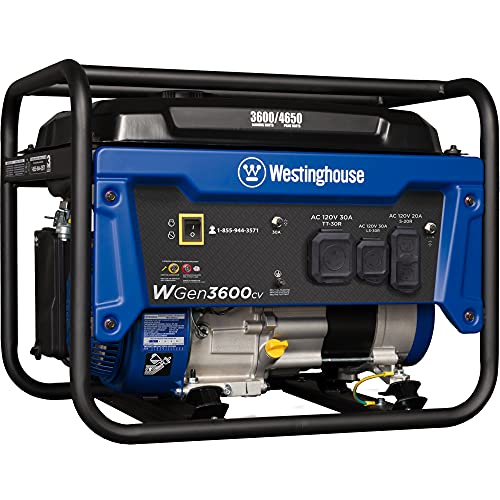
Westinghouse 4650 Peak Watt Portable Generator RV Ready 30A Outlet

Oxseryn Power Equipment 4400 Watts Inverter Generator Gas Powered

Westinghouse 12000 Peak Watt Dual Fuel Portable Inverter Generator

DuroMax XP13000HXT 13,000-Watt 500cc Tri Fuel Portable Generator

Champion Power Equipment 4000-Watt RV Ready Portable Inverter Generator

PowerSmart 3600 Watt Portable Inverter Generator

Champion Power Equipment 4000-Watt Dual Fuel RV Ready Portable Inverter Generator
More Details On Our Top Picks
For home backup without gas fumes, this Jackery lands in a useful middle ground between compact power stations and louder fuel units. The 2042Wh battery stores enough energy for essential devices, while the 2200W AC output gives you three outlets to spread the load across appliances or electronics.
The USB-C PD 100W port helps you top up modern laptops and phones without extra adapters, which is handy during travel or long outages. Its LiFePO4 battery chemistry, a lithium iron phosphate design, matters because it usually supports longer service life than older battery types, though the trade-off is weight and a higher entry point than smaller stations.
Strong Points
- Large 2042Wh capacity suits short home outages and extended camping use.
- 2200W AC output gives you room for multiple essentials at once.
- USB-C PD 100W keeps newer laptops and tablets more convenient to charge.
- Silent Charging mode stays under 30dB, which fits bedrooms and study spaces.
- 20ms transfer switching helps keep sensitive devices from dropping out.
Things To Consider
- It is still a battery station, so run time depends on what you plug in.
- The solar panel is separate, so solar use adds another purchase and setup step.
- At this capacity, storage space and carry effort matter more than with smaller units.
Feature Snapshot
Who It Suits Best
Homeowners and campers who want quiet backup for electronics, routers, lights, and small appliances will get the most out of it.
Where A Sibling Pick Shines
Westinghouse 12000 Peak Watt Dual Fuel Portable Inverter Generator suits you better when whole-home loads and fuel flexibility matter more than quiet battery operation.
Compared with the Jackery, this Westinghouse moves back into fuel-based territory and brings more conventional outage coverage. The RV-ready 30A outlet is the key detail, because it gives travel trailers and similar setups a direct connection point instead of a patchwork of adapters.
The CO sensor adds a safety layer by detecting dangerous carbon monoxide conditions and shutting the unit down, which matters in garages, side yards, and any tight outdoor setup. For RV owners and homeowners who want a straightforward gas generator without a complicated feature set, it keeps the emphasis on practical output.
What We Like
- RV-ready 30A outlet fits trailer and camper power needs neatly.
- Gas power gives you a familiar setup for longer outages.
- CO sensor adds a meaningful layer of operating protection.
- Broad utility suits backup duty better than a small battery station.
Worth Noting
- Noise and exhaust are part of the equation, as with most gas units.
- Fuel storage and maintenance matter more than they do with battery models.
- It is less convenient for indoor spaces than a zero-emission power station.
Core Details
Who Will Love This
RV owners and homeowners who want a no-frills fuel generator with a proper trailer connection will appreciate the fit.
Look Elsewhere When
Jackery Explorer 2000 v2 Portable Power Station 2042Wh 2200W AC Output suits quieter indoor-friendly backup better than this gas model.
This Oxseryn sits in the useful lane for home backup and RV use, especially when you want inverter-style power without jumping to a much larger machine. An inverter generator conditions the output so sensitive electronics usually get cleaner current than they would from a basic open-frame unit, and that matters for phones, laptops, and control boards.
The ECO mode is the feature to watch because it lets the engine back off under lighter loads, which helps with fuel use and noise in typical evening setups. Compared with the Westinghouse 4650, this one reads as a more flexible everyday portable choice, though it still asks you to live with gas upkeep and outdoor operation.
Highlights
- 4400 watts gives you decent headroom for everyday backup jobs.
- Inverter design is friendlier to electronics than a plain open-frame layout.
- ECO mode supports lighter-load efficiency in ordinary use.
- RV-ready positioning broadens its role beyond a simple campsite unit.
Areas To Watch
- Open-frame construction usually takes more storage space than enclosed inverter designs.
- Gas maintenance still applies, including fuel rotation and periodic checks.
- Noise can be better managed than with older open-frame styles, but it is not silent.
Technical Sheet
Best Suited To
Campers and homeowners who want cleaner power in a mid-size gas generator will find the fit straightforward.
Another Choice May Suit
PowerSmart 3600 Watt Portable Inverter Generator suits lighter backup needs better, especially where lower output and smaller footprint matter more.
For bigger homes and heavier loads, this Westinghouse is the first pick in the list that really feels built around backup duty instead of travel convenience. Dual fuel support gives you the choice of gas or propane, which is useful during long outages or for households that prefer to store more than one fuel source.
Remote electric start and transfer-switch-ready design make setup easier in real emergency use, especially for you if the generator will sit near a garage or service entrance. Low THD, or low total harmonic distortion, matters because it helps keep the output friendlier to electronics, while parallel capability gives you room to expand later.
Best Bits
- Dual fuel support gives you more refill flexibility.
- Remote electric start reduces the hassle of startup.
- Transfer-switch-ready setup suits whole-house backup planning.
- Low THD is a strong match for electronics-heavy homes.
- Parallel capability leaves room for a larger future setup.
Softer Spots
- Its size makes storage and movement more demanding than compact inverter units.
- Dual fuel convenience brings more parts and more operating decisions.
- Household backup use still benefits from proper installation planning.
Details At A Glance
Built With In Mind
Homeowners planning for extended outages and transfer-switch use will get the most from this setup.
Skip It When
Champion Power Equipment 4000-Watt RV Ready Portable Inverter Generator suits lighter camping or weekend use better, especially where portability matters more than capacity.
This DuroMax is the heavy hitter in the group, and the tri-fuel setup is its main card. Gas, propane, and natural gas support give you more paths to keep it running, which can matter during long outages or for properties with an existing gas supply line.
The 500cc engine points to serious capacity, so this is the kind of machine that makes sense for larger homes, workshops, or people who expect a generator to handle more than a few lights and chargers. The trade-off is straightforward, size and complexity rise with the output, so it’s less casual than the smaller inverter picks above.
Upsides
- Tri-fuel flexibility gives you multiple fueling paths.
- Large output suits big loads and broader backup plans.
- Natural gas support can be convenient for fixed installations.
- CO alert adds a useful safety-oriented alerting feature.
Minor Gripes
- Its scale makes it less convenient for simple tailgate or campsite use.
- More output usually means more storage and upkeep responsibility.
- You may find the larger footprint awkward in tighter garages.
Core Details
Whose Shelf It Belongs On
This suits homeowners and property managers who need high-capacity backup with fuel flexibility.
Reach For A Different Pick When
Westinghouse 4650 Peak Watt Portable Generator RV Ready 30A Outlet is the better match for RV use and smaller backup demands.
This Champion is the sort of generator that makes sense for campers, weekend hosts, and RV setups that need a tidy inverter format. Quiet Technology is the line to notice, because it points toward lower operating noise than a conventional contractor-style unit, and that matters around campsites, patios, and shared spaces.
The RV-ready output keeps it aligned with mobile living, while the 3-year warranty mention helps signal how the brand frames long-term ownership support. Compared with the Westinghouse 4650, this one feels more compact and easier to live with, though it gives up the broader capacity of the bigger fuel units.
Reasons To Buy
- Quiet Technology suits campground and neighborhood use.
- RV-ready design works cleanly with travel setups.
- Compact inverter styling is easier to store and move.
- Good fit for small backup loads and weekend power needs.
Small Caveats
- It is better suited to moderate loads than house-wide backup.
- Inverter convenience usually comes with a more specialized use profile.
- Owners often prefer a larger fuel unit for extended outage coverage.
Feature Rundown
Made For
Campers and RV users who want a quieter, more portable generator will find the profile familiar.
Swap It Out When
Westinghouse 12000 Peak Watt Dual Fuel Portable Inverter Generator is the stronger choice for larger home backup loads.
The PowerSmart keeps things restrained in a good way, with output that suits lighter backup duties, camping gear, and a few household essentials. The 59dBA noise figure, a decibel rating that signals moderate sound output, helps explain why it is easier to place near a cabin, RV, or backyard setup than a louder open-frame machine.
Parallel ready support matters because it gives you a path to more power later without replacing the whole unit. That makes it a sensible starting point for people who want a straightforward inverter now and a growth path later, though the 3600W ceiling still draws the line for larger appliances.
Positives
- 3600 watts covers modest backup and outdoor power needs.
- 59dBA rating keeps the noise profile easier to live with.
- Parallel readiness gives you expansion flexibility later.
- Digital display helps you track operation at a glance.
- Eco mode supports more measured fuel use under light demand.
Points To Note
- It is a lighter-duty option, so big appliances sit outside its comfort zone.
- Parallel use requires planning and the right companion unit.
- Small, efficient designs often trade some raw capacity for convenience.
Spec Overview
The Right Fit
Apartment-adjacent homes, campers, and anyone backing up a few essentials will get the most from this profile.
Where Another Pick Suits Better
DuroMax XP13000HXT 13,000-Watt 500cc Tri Fuel Portable Generator suits larger properties and higher load demands more effectively.
This Champion lands close to the 4000W inverter sweet spot, but the dual fuel angle gives it a cleaner edge for flexible ownership. Being able to run on gas or propane makes storage and trip planning easier, especially for weekend travel, seasonal cabins, or backup kits that sit unused for stretches.
The RV-ready layout keeps it aligned with mobile power needs, while Quiet Technology helps it feel less intrusive than conventional generators of similar size. Compared with the single-fuel Champion above, this one gives you more fuel choice, though that advantage comes with the usual dual-fuel trade-off of a slightly more involved setup.
Plus Points
- Dual fuel support adds practical flexibility.
- RV-ready design suits travel and campsite power.
- Quiet Technology helps with shared outdoor spaces.
- Compact inverter format stores more easily than larger fuel units.
Honest Caveats
- Dual fuel convenience comes with a bit more setup thought.
- It still sits in the moderate-output class, not the heavy-duty class.
- For long outage coverage, a larger whole-home unit may be a better match.
Core Details
Perfect Match For
RV owners and weekend campers who want fuel flexibility without moving up to a much larger generator will like this fit.
A Better Fit Elsewhere
Jackery Explorer 2000 v2 Portable Power Station 2042Wh 2200W AC Output works better for quiet indoor-friendly backup and electronics charging.
How To Choose The Right Most Dependable Portable Generators
Start With The Power Job
Portable generators split quickly into two camps, battery stations and fuel-powered units. Battery stations suit electronics, light appliances, and indoor-adjacent backup, while fuel models cover larger loads and longer outage windows.
That choice matters more than brand familiarity. A 2042Wh power station and a 13,000-watt tri-fuel generator solve very different problems, so your appliance list should decide the category before anything else.
Match Output To Real Use
Output size should line up with the items you actually want to run, not with the biggest number in the row. Routers, laptops, lamps, and phones need far less than a refrigerator, sump pump, or RV air conditioner.
For weekend travel, 3600W to 4000W inverter models make sense because they stay more manageable. For household backup, higher output and transfer-switch readiness move to the front of the line.
Noise, Fuel, And Placement Matter
Noise becomes a bigger deal in campsites, backyard patios, and tight neighborhoods. Inverter models usually stay easier on the ears than open-frame units, and that difference can shape where you place the generator as much as runtime does.
Fuel choice matters too. Gas is common, propane stores differently, and natural gas only helps when the property already supports it, so the more options a generator offers, the more planning flexibility you get.
Think About Ownership, Not Just Startup
Storage, movement, and upkeep are part of the real purchase. A compact power station needs less fuel handling, while a large generator asks for periodic checks, safe placement, and more room in the garage or shed.
For many homes, the best fit is the unit you can store cleanly, start confidently, and connect without a scramble. That practical fit usually matters more than chasing extra output you won’t use.
Things Worth Knowing First
Where Shoppers Go Wrong
One common mistake is oversizing for the sake of comfort, then ending up with a machine that is hard to move and harder to store. Another is underestimating fuel handling, especially for gas units that need periodic maintenance and a safe outdoor location.
Noise gets overlooked too. A generator that sounds fine on paper can feel intrusive on a patio or campsite, so compact inverter formats deserve a hard look for shared spaces.
The Upgrade Payoff
Higher-tier models usually cost more because they bring more output, dual-fuel or tri-fuel flexibility, cleaner power for electronics, and easier starting features. Transfer-switch support, remote start, and parallel capability also add hardware and design complexity.
That upgrade makes sense for you when the generator is part of your emergency plan rather than a once-a-year convenience item. For lighter travel use, a smaller inverter often gives a better balance of size, sound, and storage.
Frequently Asked Questions
What size generator works for a basic outage kit?
A smaller inverter or power station usually fits lights, phones, routers, and a few small appliances. Larger home loads need more output and a stronger fuel-based unit.
Are inverter generators a better fit for electronics?
Inverter models are generally the safer match for laptops, televisions, and similar gear because they provide cleaner output. That makes them a smart choice for home offices and travel setups.
Does dual fuel really help in practice?
Dual fuel gives you another fueling path, which can be useful during long outages or supply changes. The trade-off is more setup planning and another system to manage.
What does RV ready actually mean?
It usually means the generator includes an outlet designed for RV connection. That makes hookup simpler and keeps the setup cleaner for travel use.
Why do some portable generators feel easier to live with?
Quiet operation, manageable size, and simpler start-up all shape day-to-day ease. A unit that fits your storage space and power needs tends to feel far more dependable over time.
Closing Thoughts
The right portable generator depends on the kind of backup you actually need, not the biggest output number in the lineup. Battery stations suit quiet indoor-friendly power, while fuel units make more sense for longer outages and larger loads. RV owners usually land on compact inverter models, and households with bigger demands should look hard at dual-fuel or tri-fuel options. Pick the model that fits your space, your fuel plan, and the devices you want to keep moving.
