

Power outage gear has to earn its keep in ordinary life, not just on a spec sheet. You need something that keeps a fridge, modem, lights, or a medical device running without turning your garage into a hassle zone. That usually means choosing between quiet battery backup, gas-powered runtime, or a smaller portable station for lighter loads.
Below, you’ll find eight options that suit different homes, campsites, and backup setups. Some are compact and easy to move, while others are built for heavier household loads. The right match depends on your space, noise tolerance, and how many essentials you want to keep on.
The Shortlist At A Glance

Jackery Explorer 2000 v2 Portable Power Station 2042Wh 2200W
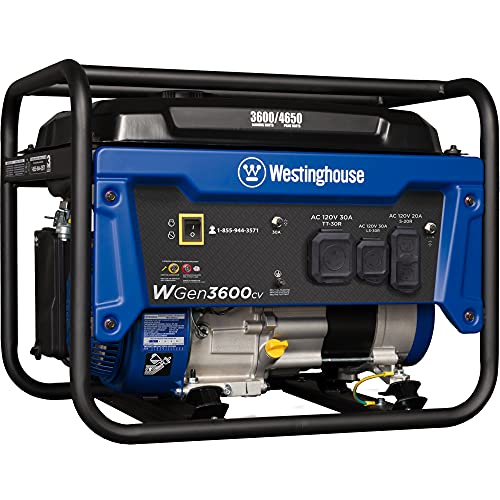
Westinghouse 4650 Peak Watt Portable Generator RV Ready 30A

Oxseryn Power Equipment 4400 Watts Inverter Generator

AIVOLT 1600W Super Quiet Inverter Generator 28lbs

Oxseryn 4400-Watts Inverter Generator Open Frame

DuroStar DS13000MX 13,000-Watt 500cc Dual Fuel Portable Generator

LIBRIDS Portable Power Station C600 640Wh LiFePO4 Battery

Portable Power Station 192Wh Outdoor Generator with AC Outlet
More Details On Our Top Picks
Jackery’s larger battery pack makes sense for households that want calm, clean backup power during an outage. The 2200W AC output gives you room for several essentials at once, and the USB-C PD 100W port helps modern phones, tablets, and laptops charge without extra adapters.
The trade-off is size and cost of commitment, since a unit this capable is not the grab-and-go choice for light camping. Compared with the smaller LIBRIDS C600 later in this list, this one leans harder into long-duration support and bigger household jobs.
Strong Points
- 2042Wh capacity gives you breathing room for lights, networking gear, and other everyday necessities during a longer blackout.
- 2200W AC output supports several household items at once, which matters more than raw capacity alone.
- USB-C PD 100W keeps newer devices topped up without hunting for a separate charging brick.
- LiFePO4 battery chemistry, a lithium iron phosphate style battery, is built for long service life and steady storage behavior.
- Silent charging mode around 30dB is a real comfort in a bedroom, apartment, or study space.
Things To Consider
- It takes up more space than a compact station, so storage planning matters.
- The bigger capacity is great for backup, but it also means a more serious upfront commitment.
- Solar support depends on panels you already have or plan to add.
Feature Snapshot
Who It Suits Best
Households that want quiet, indoor-friendly backup for several essentials will get the most from this Jackery.
A Better Fit Elsewhere
DuroStar DS13000MX suits you better when you need far more whole-home reach and plan to run heavier appliances.
Westinghouse lands in the useful middle ground for RV owners and emergency backup users who want gas power without moving into oversized territory. The 30A RV outlet matters because it simplifies hookup for travel trailers and similar setups.
Compared with the battery-first Jackery above, this one fits a different kind of outage plan, one that assumes fuel on hand and outdoor operation. That’s normal for gas units, but it also means you’ll want a place to store fuel safely and a routine for starting it up.
What We Like
- 4650 peak watts gives you more starting headroom than a small portable station.
- RV-ready 30A outlet supports straightforward trailer use.
- Gas power suits longer outage stretches where charging would be less convenient.
- Its size sits in a practical zone for many garage or shed setups.
Worth Noting
- Fuel-based operation brings routine maintenance and storage planning with it.
- Noise and exhaust make this an outdoor-only solution.
- It is less convenient for quick indoor backup than a battery station.
Quick Facts
Best Suited To
Travel trailer owners and home users who want a straightforward gas backup option will appreciate this Westinghouse.
Where A Sibling Pick Shines
LIBRIDS C600 is the easier carry for lighter outage support and quicker indoor-style convenience.
This Oxseryn sits closer to the everyday utility end of the gas-generator spectrum. Inverter design matters here because it generally provides steadier power for electronics than a basic open-frame unit, and the ECO mode helps reduce fuel burn when the load is light.
The honest read is that it makes more sense for mixed use than for a tiny apartment backup plan. Against the Westinghouse, it trades a bit of RV-centric clarity for a broader, more flexible role around home backup and outdoor use.
Highlights
- 4400 watts gives you a workable cushion for several household tasks.
- Inverter design is friendlier for sensitive electronics than standard output.
- ECO mode supports quieter, thriftier operation under lighter loads.
- Open-frame construction often fits utility-focused garages and jobsite storage better than enclosed models.
Room For Improvement
- Open-frame styling usually brings more noise than compact battery gear.
- Gas upkeep is part of the ownership routine.
- It is less discreet than the AIVOLT 1600W if quiet camping is your main concern.
Core Details
Whose Shelf It Belongs On
Homeowners who want a practical gas inverter for outages and RV trips will find this fit useful.
Look Elsewhere When
AIVOLT 1600W suits you better for lighter camping and a smaller footprint.
AIVOLT is the kind of unit that makes sense when portability matters more than brute force. At 28 pounds, it stays in the zone where moving it around a campsite, tailgate, or storage shelf feels manageable rather than awkward.
The 57dBA rating, which is a sound level measure in decibels, points to a quieter experience than many gas models in this class. Compared with the Oxseryn 4400-watt inverter, it gives up a lot of output, but that trade pays off in easier carry and a calmer presence nearby.
Best Bits
- 28-pound weight keeps transport simple.
- 57dBA output is easier to live with around campsites and close quarters.
- Pure sine wave output, meaning smoother AC electricity, is a strong fit for electronics.
- CO auto-shutoff adds an extra layer of awareness around exhaust exposure.
- Eight-hour ECO mode suits lighter, intermittent use.
Softer Spots
- Running output is much lower than the larger gas units in this roundup.
- It suits small essentials better than major household loads.
- Gas maintenance is still part of ownership.
Technical Sheet
Who Will Love This
Campers and casual backup users who want a lighter gas inverter will get the most from this AIVOLT.
Another Choice May Suit
Jackery Explorer 2000 v2 fits you better for indoor-friendly outage backup with a much larger stored-energy reserve.
This second Oxseryn leans toward the same middle ground as the earlier 4400-watt model, but the exact framing here is more about everyday backup and RV readiness. For a garage-stored emergency unit, that combination makes sense because it keeps the conversation focused on utility rather than style.
There’s a practical upside to that approach: you get a generator that can sit in reserve without feeling oversized for ordinary household use. The catch is the same one that comes with most gas open-frame gear, namely noise, fueling, and the usual maintenance rhythm.
Reasons To Buy
- 4400-watt class output works for a useful slice of outage tasks.
- RV-ready 30A outlet supports trailer connections.
- Open-frame layout keeps the design straightforward for storage and service access.
- Good fit for households that want a gas backup without moving into oversized territory.
Minor Gripes
- Open-frame generators are usually less quiet than enclosed battery units.
- Fuel handling and routine upkeep remain part of the deal.
- It is less convenient than the Jackery Explorer 2000 v2 for indoor-style emergency power.
Details At A Glance
The Right Fit
Shoppers who want a straightforward backup generator with RV support will find this one easy to place in a plan.
Swap It Out When
Westinghouse 4650 Peak Watt Portable Generator fits you better when you want the same general role from a different brand and layout.
DuroStar moves into the serious end of the backup category. The 13,000-watt class and 500cc engine point to a generator built for much bigger home loads, which is the kind of setup that matters during extended outages or for homes that want to keep more circuits active.
Dual fuel operation, meaning it can run on gas or propane, adds flexibility that smaller picks do not offer. That versatility does make it more involved to own, though, especially once you factor in storage space, fuel planning, and the weight class you’d expect from a machine this size.
Positives
- Very high output suits broader home backup plans.
- Dual fuel design lets you choose between two common fuel types.
- Remote electric start is handy when the unit sits in a fixed outdoor spot.
- Transfer-switch readiness helps it fit a more formal backup setup.
- RV and emergency support widen the use case beyond a single role.
Areas To Watch
- Its size makes storage and placement more demanding than the lighter models here.
- Higher-output gas gear brings more maintenance attention.
- It is overbuilt for small apartments, car camping, or occasional phone charging.
Feature Rundown
Built With In Mind
Homes that want serious standby-style coverage and have space for a large machine will benefit most here.
Reach For A Different Pick When
Jackery Explorer 2000 v2 makes more sense for quieter indoor backup and simpler storage.
LIBRIDS is the small-format option that still brings a lot of useful backup features. A 640Wh battery and 600W output place it in the sweet spot for phones, routers, lights, and modest appliances rather than heavy household loads.
The 10ms UPS feature, a very quick switchover for uninterruptible power, gives it a practical edge for gear that dislikes even brief interruptions. Compared with the Akiisolo unit below, this one offers a much larger energy reserve and far more output headroom, which is why it suits outage planning better.
Upsides
- 640Wh capacity gives you useful runtime for essential small electronics.
- 600W output, with 1200W peak support, broadens what it can handle briefly.
- 1.5-hour fast charge claim helps the battery get back into service sooner.
- 10ms UPS support is valuable for gear that needs a quick switchover.
- Four AC outlets make the layout convenient for household-style plug use.
Points To Note
- It is still a compact power station, so large appliances are outside its comfort zone.
- Eight ports are handy, but that many connections can make cable management busy.
- Battery stations need periodic charging so they’re ready during outages.
Core Details
Perfect Match For
Households wanting a compact backup station for networking gear, lights, and device charging will get strong value here.
Where Another Pick Suits Better
AIVOLT 1600W is the better call for lighter carry needs, while Jackery Explorer 2000 v2 is the stronger move for larger outage reserves.
Akiisolo is the most portable-feeling option in this list, and that’s the point. At 3.9 pounds, it is easy to move around for a nightstand, car kit, or a very small backup need where a larger station would be overkill.
The included LED lights and music-player function make it feel more like a compact utility box than a full outage workhorse. Compared with LIBRIDS C600, it gives you much less capacity and output, so it fits lightweight use, not whole-room backup.
Bright Spots
- 3.9-pound weight keeps it easy to carry.
- 192Wh capacity is enough for small electronics and brief backup tasks.
- AC outlet gives you a simple plug-in option.
- LED lights are useful during dark outages or camping stops.
- LiFePO4 battery chemistry gives it a durable-feeling power core for its size.
Small Caveats
- 100W output is only for very light loads.
- It is not the right call for larger appliances.
- The extra media-style features are handy, but they do not change its small capacity.
Spec Overview
Whose Shelf It Belongs On
Casual campers, van users, and anyone wanting a tiny backup station for light tasks will find this a comfortable fit.
Skip It When
LIBRIDS C600 suits you better once you need a more serious outage reserve and a much higher output ceiling.
How To Choose The Right Generators For Power Outage
Match Output To The Loads You Actually Need
The first number to respect is output, because it decides how much you can run at once. A phone charger and modem are a very different story from a refrigerator or sump pump, so the bigger gas units matter most when your outage plan includes heavier appliances.
Battery stations work well for smaller essentials, especially indoors where quiet operation matters. A larger model like Jackery Explorer 2000 v2 gives you a stronger reserve than LIBRIDS C600, while DuroStar DS13000MX moves into whole-home territory.
Choose The Fuel Style That Fits Your Space
Gas generators suit longer outages, but they need outdoor placement, fuel storage, and regular upkeep. That makes them better for garages, sheds, and yards than for apartments or tight patios.
Battery power stations avoid exhaust and are easier to keep inside a home or van. The trade-off is runtime and recharge planning, so you want to think in terms of hours of use, not just watt figures.
Pay Attention To Noise And Convenience
Noise becomes a real issue fast during storms or overnight outages. A model like AIVOLT, with its 57dBA rating, is easier to live near than a heavier open-frame gas generator, and Jackery’s silent charging mode is useful in a bedroom or office.
Convenience also includes ports, start method, and how fast the unit refills. Remote electric start, USB-C PD, RV outlets, and quick charge claims each change how painless the backup routine feels once the lights go out.
Plan For Storage, Mobility, And Maintenance
Weight and size are easy to ignore until you have to move the unit in the dark. A 3.9-pound station is a very different proposition from a 13,000-watt gas generator, so storage access matters as much as output.
Maintenance is the final check. Battery units usually ask for charging discipline, while gas models ask for fuel care, engine upkeep, and a little more hands-on attention.
Things Worth Knowing First
Common Shopping Slip Ups
Many people start with peak wattage and stop there, but running output is the number that tells you what the unit can sustain. Another common miss is buying a gas generator for indoor backup, then realizing the placement and ventilation demands are far more involved than expected.
USB ports, RV outlets, and transfer-switch readiness also matter more than they first appear. A compact station can look tidy on paper, yet still feel short once you add a fridge, router, and a few lights to the mix.
What The Higher Tier Buys
Higher-tier models usually cost more because they store more energy, support heavier loads, and add more hardware around safety, charging, or starting convenience. That extra spend also tends to buy more flexibility, such as dual fuel support, stronger AC output, or a more complete home backup setup.
The upgrade makes sense when outages are frequent, your household relies on several active circuits, or you need quieter indoor-friendly operation. For light camping or occasional phone charging, the simpler picks in this roundup already cover the job.
Frequently Asked Questions
What Size Generator Works Best For A Power Outage?
The right size depends on the appliances you want to keep running, not just the label on the box. Small battery stations handle phones, routers, and lights, while larger gas units suit fridges and broader home backup.
Are Battery Power Stations Better Than Gas Generators?
Battery stations are quieter, easier to store, and more convenient indoors. Gas generators offer longer runtime and heavier output, but they also bring fuel storage and outdoor placement needs.
Do I Need An Inverter Generator For Electronics?
Inverter models are usually the safer fit for electronics because they provide steadier AC power. That matters for laptops, routers, and modern devices that do not love rough output.
How Important Is A Quiet Generator During An Outage?
Quiet operation matters a lot in apartments, close neighborhoods, and overnight situations. A lower-noise model is easier to live with, especially when the outage lasts beyond a few hours.
What Should You Check Before Storing One For Emergency Use?
Charge level, fuel condition, and storage space are the big three. A unit that sits unused for months still needs a simple readiness routine so it’s prepared when you need it.
Final Thoughts
For generators for power outage use, the best choice is the one that fits your home, your noise tolerance, and the amount of backup you actually need. Jackery Explorer 2000 v2 stands out for quiet, indoor-friendly support, while DuroStar DS13000MX is the serious option for bigger coverage. Smaller picks like AIVOLT, LIBRIDS, and Akiisolo make more sense for lighter loads and easier storage. Keep your real outage routine in mind, and the right match becomes much easier to spot.
