

Power cuts expose weak spots fast, especially when you need lights, internet, refrigeration, or a way to keep tools running. This roundup narrows the field to portable and home-backup choices that fit real households, from compact battery units for apartment use to heavier dual-fuel machines for larger properties. You’ll see where each model fits best, what kind of upkeep it asks for, and where the trade-offs show up. That makes the shortlist easier to read without turning your garage into a guessing game.
Quick Look At The Shortlist

Oxseryn Power Equipment 4400 Watts Inverter Generator

EF ECOFLOW DELTA Pro Portable Power Station 3600Wh

Oxseryn 4400-Watts Inverter Generator 30A Outlet

AMERISUN 4500W Open Frame Gas Inverter Generator

Champion Power Equipment 4000-Watt Dual Fuel Inverter Generator

Westinghouse 6600 Watt Home Backup Portable Generator
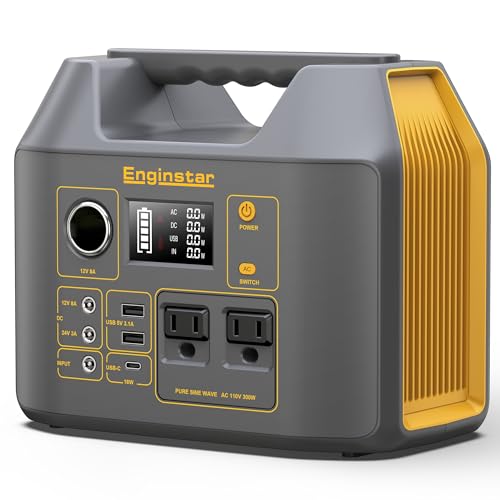
EnginStar 296Wh Portable Solar Generator

DuroStar DS13000MX 13,000-Watt Dual Fuel Portable Generator
More Details On Our Top Picks
Oxseryn’s 4400-watt inverter layout makes sense for a home that needs backup without jumping straight to a huge frame. ECO mode is the useful detail here, because it aims to trim engine effort during lighter loads, which can matter during evening outages or a long weekend at the cabin.
The open-frame build keeps it straightforward, though it won’t disappear quietly into the background the way a compact battery station like the ECOFLOW DELTA Pro can. You’ll probably appreciate this more for garage storage, RV support, or a house that only needs select circuits covered.
Strong Points
- ECO mode helps the engine avoid unnecessary strain during lighter use.
- 4400-watt class output suits common backup needs without feeling oversized.
- Portable frame design keeps placement simpler in a garage or shed.
- Good fit for RV support and basic household continuity.
Things To Consider
- Open-frame construction usually asks for more space than a sealed battery unit.
- Gas-powered operation brings fuel storage and periodic upkeep into the picture.
- It is less suited to indoor-friendly use than a battery station.
Feature Snapshot
Who It Suits Best
Households that want a gas-powered backup option for outages, RVs, or a detached workspace should feel at home with this one.
A Better Fit Elsewhere
EnginStar 296Wh Portable Solar Generator suits light charging jobs and short trips better, especially for anyone who wants a smaller carry-along option.
This is the cleanest fit for home backup among the battery-based choices, especially around living spaces where fumes and noise are poor companions. The 3600Wh battery means a large energy reserve, and the 120V, 3600W AC output gives you enough muscle for more serious household appliances than the smaller EnginStar unit can handle.
The big trade-off is weight, size, and price tier, so it makes more sense for a fixed home setup than for casual camp chores. Expandability up to 25kWh also pushes it into a different class, which is useful for serious backup planning, though most homes won’t need that much expansion on day one.
Highlights
- Large 3600Wh capacity supports extended backup planning.
- 3600W AC output covers demanding household gear more comfortably.
- Battery-powered operation suits indoor use and quieter spaces.
- Expandable design leaves room for a larger setup later.
Worth Noting
- Heavier battery architecture is less grab-and-go than compact portable units.
- Expansion paths can add cost and complexity over time.
- For very simple charging needs, this may be more system than you need.
Core Details
Who Should Grab It
Homeowners who want a battery-backed setup for outages, indoor-safe use, and a more permanent backup strategy are the clearest match.
Reach For A Different Pick When
Westinghouse 6600 Watt Home Backup Portable Generator makes more sense for a larger home that wants a gas-powered machine with remote start and transfer-switch readiness.
Compared with the first Oxseryn, this version leans more clearly into RV readiness thanks to the 30A outlet. That matters because a 30-amp connection is a practical fit for many trailers and camper setups, and it keeps the conversation focused on usable output instead of marketing fluff.
The open-frame design is still straightforward and easy to place in a garage or side yard, though the gas-powered setup asks for the usual fuel and storage routine. For someone who wants a backup source that can pull double duty at home and on the road, the balance here is sensible.
Upsides
- 30A outlet helps it line up neatly with RV power needs.
- 4400-watt class output covers modest home backup jobs.
- Open-frame shape keeps the footprint familiar and practical.
- Good bridge between home use and travel use.
Points To Note
- Gas maintenance remains part of ownership.
- It is less discreet than a battery power station.
- Open-frame styling needs a sensible storage spot.
Details At A Glance
Whose Shelf It Belongs On
RV owners and homeowners who want one gas generator for both travel and emergency use will get the most from this model.
Swap It Out When
Champion Power Equipment 4000-Watt Dual Fuel RV Ready Portable Inverter Generator fits better for anyone who wants fuel flexibility between gas and propane.
AMERISUN leans into portability in a way the heavier Westinghouse and DuroStar models do not. The parallel-ready setup matters because it lets you pair two compatible units for more output later, which is a smart path for RV trips or a growing backup plan.
The CO alert feature adds a welcome layer of awareness in enclosed-adjacent spaces, though you should still treat generator placement seriously and follow the product guidance closely. For jobsites, campsite power, or a home emergency setup that may move around, this one has a nice mix of flexibility and restraint.
Best Bits
- Lightweight profile is easier to move than larger home-backup units.
- Parallel readiness gives you room to scale later.
- 30A RV outlet supports trailer use neatly.
- ECO mode can help soften fuel use during lighter demand.
- CO alert feature adds a useful safety-focused detail.
Small Caveats
- Parallel setups work best only with matching compatible equipment.
- Like other gas units, it needs regular storage care.
- It suits flexible use more than whole-home duty.
Technical Sheet
Built With In Mind
RV travelers, campsite users, and homeowners who value a lighter gas generator with upgrade room are the best match here.
Look Elsewhere When
Westinghouse 6600 Watt Home Backup Portable Generator is the stronger choice for a larger house that wants more dedicated backup muscle and remote electric start.
Dual fuel is the headline here, and that’s useful because fuel flexibility can make a generator feel less rigid over time. Compared with the single-fuel Oxseryn units above, this Champion gives you a second path for fueling the machine, which can matter during extended outages or when one fuel type is easier to source.
The quiet technology label points toward a more neighborhood-friendly experience, though no portable generator is truly silent. For most households, the sweet spot is a setup that can run back-up essentials without making the whole yard feel like a work zone, and this one sits in that lane.
Positives
- Dual-fuel design adds flexibility during longer backup periods.
- 4000-watt output fits smaller emergency loads well.
- RV-ready positioning makes it practical for trips.
- Quiet-tech focus is helpful around homes with close neighbors.
- Portable format keeps it useful for mixed-use owners.
Areas To Watch
- Dual-fuel ownership still means storage and upkeep planning.
- 4000 watts suits essentials, not a whole-house load.
- Quiet operation depends on load and placement.
Spec Overview
Right Fit For
Households that want a smaller dual-fuel backup generator with RV use in the mix will get the most value here.
A Better Fit Elsewhere
DuroStar DS13000MX 13,000-Watt 500cc Dual Fuel Portable Generator is a stronger match for larger homes that need much more output and whole-home planning.
This Westinghouse sits closer to a true home-backup machine than the smaller Oxseryn and Champion units. Remote electric start is the convenience feature that stands out most, because starting from a distance is handy when the machine lives in a side yard or shed area and the weather is unkind.
Auto choke helps with starting behavior, and transfer-switch readiness makes the generator easier to envision in a more permanent household setup. The trade-off is size and the normal maintenance that comes with a larger gas unit, so this makes the most sense for people who want backup power to feel organized rather than improvised.
Bright Spots
- 6600-watt class output suits larger household backup needs.
- Remote electric start adds real convenience.
- Auto choke supports easier startup flow.
- Transfer-switch readiness helps with a more structured installation plan.
- RV readiness broadens its day-to-day usefulness.
Room For Improvement
- Larger gas generators usually need more storage space.
- Ongoing fuel care is part of ownership.
- It is more of a fixed backup tool than a casual carry-around unit.
Feature Rundown
The Right Fit
Homeowners planning for more serious outage coverage and wanting easier startup will find this model appealing.
Where A Sibling Pick Shines
EF ECOFLOW DELTA Pro Portable Power Station 3600Wh is the cleaner choice for indoor-friendly backup and quieter spaces where a battery system makes more sense.
EnginStar is the most travel-friendly option in the group, and it’s the one that feels easiest to stash in a van, camper, or closet. Pure sine wave output matters because many electronics prefer cleaner AC power, so this suits phones, laptops, small fans, and similar gear better than bigger household appliances.
The 296Wh capacity and 300W AC outlet keep expectations grounded, which is a good thing here. You’ll feel the limits faster than you would with the ECOFLOW or Westinghouse picks, but that’s also why it’s so easy to carry, recharge for lighter needs, and live with during short trips.
Positives
- Compact size makes transport and storage simple.
- Pure sine wave output is friendlier to many electronics.
- 296Wh capacity is practical for lighter charging chores.
- 300W AC outlet suits small-device backup well.
Honest Caveats
- Capacity is modest compared with the larger home-backup picks.
- It is not built for major appliance support.
- Lightweight units still need sensible cable and storage care.
Core Details
Who Will Love This
Campers, van travelers, and anyone needing a light power bank for basic devices will appreciate the scale of this unit.
Another Choice May Suit
Champion Power Equipment 4000-Watt Dual Fuel Inverter Generator fits better for households that want a more serious emergency backup path and fuel flexibility.
DuroStar sits at the heavy end of this roundup, and that’s exactly the point. A 13,000-watt class generator with dual fuel support and remote electric start belongs in the conversation when you’re trying to keep a large home, several appliances, or a more complex backup plan moving through an outage.
Compared with the Westinghouse 6600-watt model, this one points more aggressively toward whole-home backup and larger power needs. The trade-off is obvious, it takes more space, asks for more storage discipline, and is far less casual than the compact battery options above.
Positives
- Large output class suits broader household backup planning.
- Dual fuel setup adds flexibility during long outages.
- Remote electric start makes startup easier.
- Transfer-switch readiness supports home integration.
- RV and emergency readiness widen its use cases.
Softer Spots
- Its size makes storage and placement more demanding.
- Big gas units naturally call for more upkeep.
- It is far more machine than light-duty households need.
Feature Card
Made For
Large households and property owners who want serious backup capacity and dual-fuel flexibility are the best match here.
Skip It When
EnginStar 296Wh Portable Solar Generator is the better path for small device charging, lighter travel use, and much easier carrying.
How To Choose The Right Electric Generators At Home
Match Output To The Rooms You Actually Plan To Run
Start with the load, not the slogan. A small battery station like the EnginStar works for charging phones and laptops, while the Westinghouse and DuroStar picks move into larger household territory.
Wattage, which is the amount of electrical power a machine can supply, matters because it tells you whether the generator can cover a few essentials or a broader set of appliances. For a typical outage plan, the right number depends on whether you want lights and internet or refrigerators, sump pumps, and more.
Choose Fuel Type Based On Routine, Not Romance
Gas models give you strong output and broad familiarity, but they also bring storage, refueling, and maintenance. Dual fuel adds flexibility, and that can be a real comfort during longer outages, though it also adds another layer of upkeep.
Battery stations stay cleaner and easier to place near living spaces, which is why the ECOFLOW DELTA Pro stands apart from the gas units. The trade-off is that battery capacity runs out, so you want honest expectations about runtime and recharge access.
Think About Placement, Noise, And Storage
Open-frame generators usually take more visual and physical space than enclosed battery stations. That’s fine for a garage, shed, or side yard, but it can feel clunky in tighter homes.
Noise also matters more than many shoppers expect, especially around neighbors or during night use. ECO mode, quiet-tech labels, and remote start features can help, but the real fit comes from where you’ll keep the unit and how often you’ll move it.
Look For Backup Features That Match Your Setup
Transfer-switch readiness points toward a more formal household connection, while RV-ready outlets matter most for travel and camper power. CO alert features, remote electric start, and parallel readiness all solve different ownership headaches, so the best pick is the one that reduces friction in your actual routine.
That’s the useful filter: pick the machine that matches your space, your fuel comfort level, and your backup plan. A generator should feel like a tool you can live with, not a puzzle you store in the corner.
Things Worth Knowing Before You Decide
Where Shoppers Go Wrong
Many people focus on peak output alone and ignore how the generator will be stored, started, and fueled. That usually leads to a unit that looks impressive on paper but feels awkward in a driveway or garage.
Another common miss is buying a machine that suits the wrong scale. A compact battery station is great for light loads, but it won’t replace the job of a larger home-backup generator.
The Upgrade Payoff
Higher-tier models usually cost more because they bring larger batteries, stronger engines, remote start systems, transfer-switch readiness, or dual-fuel flexibility. Those details add convenience and range, which is exactly where the money goes.
The upgrade is worth it when you need a generator to do more than charge devices. A larger home, a regular RV routine, or frequent outage planning all make the better-equipped models easier to justify.
Frequently Asked Questions
What size generator suits a home outage kit?
That depends on the appliances you want to keep running. Small charging tasks call for compact stations, while whole-home backup usually needs a much larger gas unit.
Are battery stations useful for home backup?
Yes, especially for indoor-friendly support and quieter operation. They work best for electronics, lights, routers, and other lower-draw essentials.
Is dual fuel worth paying extra for?
It often is for outage planning because it adds a second fueling path. That extra flexibility matters most during longer interruptions or supply hiccups.
What does transfer-switch ready mean?
It means the generator is set up to connect into a home backup arrangement more cleanly. That is useful for households that want a more organized installation path.
Do inverter generators help with sensitive electronics?
Inverter designs usually provide steadier power for devices like laptops and phones. That makes them a smart fit for mixed-use backup and travel setups.
Bottom Line
The best electric generators at home are the ones that match your actual backup routine, not your most ambitious outage fantasy. A compact station can keep essentials alive with far less fuss, while a larger gas generator makes more sense for homes that want broader coverage and longer runtime. You’ll get the cleanest result by matching output, fuel type, and storage reality to the space you live in. That’s the difference between a useful tool and an expensive corner item.
