

Cheap generators earn their keep when the power goes out, a camper needs a little more breathing room, or a workshop just needs a dependable way to keep the essentials running. You are not shopping for glamour here, you are shopping for the right mix of output, portability, and fuel use. That means the right choice depends on how much you need to power, how often you move it, and whether inverter quietness matters more than raw output.
Quick Look At The Shortlist
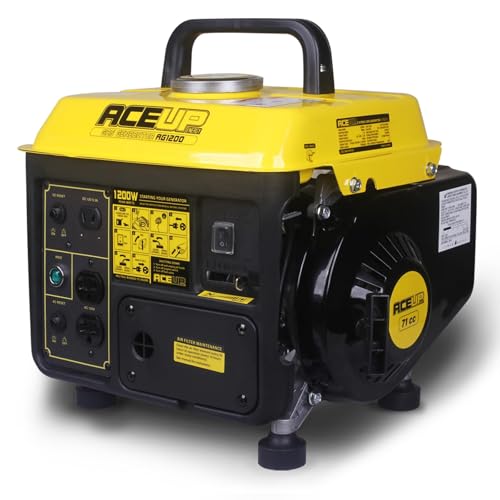
Aceup Energy 1,200W Gas Powered Generator

WEN 3600-Watt Portable Inverter Generator (56360i)

Oxseryn 2800-Watts Portable Inverter Generator
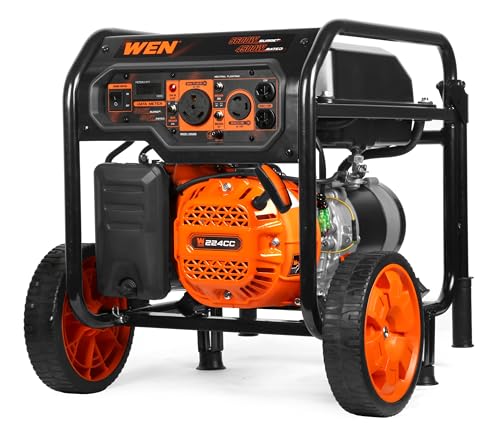
WEN 5600-Watt Portable Generator (GN5600)

Pulsar G1200SG 1,200W Portable Generator

Oxseryn 5000-Watts Portable Inverter Generator

Akiisolo 192Wh Portable Power Station

Mutaomay 4400 Watt Gas Powered Generator
More Details On Our Top Picks
That small 1,200W format makes sense for light household backup, a patio setup, or a shed where you only need the basics. Compared with the larger WEN and Oxseryn units later in this list, this Aceup Energy model leans hard toward portability rather than heavy appliance support, which keeps it simple to store and move.
The trade-off shows up in output headroom, so this is not the pick for running a refrigerator and several other loads at once. For weekend use, occasional outages, or jobs where a compact frame matters more than raw power, it fits cleanly.
Strong Points
- Small footprint makes storage easier in tight garages.
- Lightweight build helps you move it without much strain.
- Good match for basic tools and short backup tasks.
- Compact size suits apartments, cabins, and small sheds.
Things To Consider
- Lower output keeps it in a modest-use lane.
- Not the right fit for larger appliance groups.
- Gas-powered upkeep still means fuel handling and routine care.
Core Details
Who It Suits Best
You get the most from this pick in a small home, cabin, or garage where light backup power matters more than long runtime.
A Better Fit Elsewhere
WEN 3600-Watt Portable Inverter Generator (56360i) suits campers and RV users who need more output plus inverter-style power handling.
This WEN lands in a useful middle zone, stronger than the tiny Aceup and easier to live with than the bigger 5,600W frame. The inverter design means the output is shaped for more sensitive gear, which matters during RV trips, tailgates, or home use where you want steadier power behavior.
Fuel shut off is a practical detail that helps with storage, since it lets the carburetor run dry before sitting. You may find it especially sensible for occasional users who want fewer storage headaches and a generator that feels less bulky than a larger open-frame model.
What We Like
- RV-ready setup fits travel and campsite power needs.
- Inverter design better suits electronics and lighter household gear.
- Quiet-leaning profile helps in campgrounds and neighborhoods.
- Fuel shut off adds convenience for off-season storage.
- Lightweight format keeps transport easier than heavier backup units.
Worth Noting
- It still sits below larger home-backup options in raw output.
- Inverter units usually ask for a little more upfront spend.
- Compact size limits how much heavy equipment you can run together.
Feature Rundown
Made For
You suit this model well when you travel with an RV, split time between camping and home backup, or want a portable inverter step-up without going huge.
Another Choice May Suit
Oxseryn 5000-Watts Portable Inverter Generator fits homeowners who need more output and a 30A outlet for heavier backup planning.
Oxseryn’s 2,800W inverter setup slots neatly between the smaller 1,200W units and the larger home-backup machines. The 1.1-gallon fuel tank and 39-pound weight point to a machine that stays practical for camping, cabin visits, and short outage coverage without turning into a chore to move.
For most garages and weekend rigs, that balance feels more useful than chasing bigger numbers alone. The fuel shut off adds storage convenience, and the lighter weight helps when you need to load it into a trunk, trailer, or RV compartment.
Highlights
- Midrange output covers more than the smallest portable picks.
- 39-pound weight keeps transport more manageable.
- 1.1-gallon tank gives a sensible fuel reservoir for short outings.
- Inverter design works better for sensitive electronics than basic open-frame units.
- Good fit for camping, backup lighting, and smaller appliances.
Small Caveats
- Still not a full-house backup solution.
- Tank size favors shorter jobs over marathon runtime expectations.
- Gas upkeep means regular storage and fuel attention.
At A Glance
Whose Shelf It Belongs On
You fit this generator well when portability matters, but you still want more headroom than the smallest 1,200W models give you.
Where A Sibling Pick Shines
WEN 3600-Watt Portable Inverter Generator (56360i) suits RV users who want a bit more output and travel-friendly framing.
The GN5600 steps into real backup territory, especially for homes that want a transfer-switch path instead of just a camping generator. Its 224cc engine gives it a more substantial feel than the inverter-style WEN 3600, and that matters when the goal is keeping core household circuits running.
You will notice the trade-off in size and portability, because this is less about tossing it into a trunk and more about staging it for dependable home use. For a garage, driveway, or planned outage setup, that is often the right compromise.
Upsides
- Higher output suits more demanding household backup needs.
- Transfer-switch readiness simplifies fixed-home planning.
- RV-ready outlet adds flexibility for travel use.
- 224cc engine signals a stronger-duty class than compact portables.
Areas To Watch
- Bulk and weight make it less friendly for frequent transport.
- Open-frame style usually takes more storage space.
- Fuel and maintenance habits matter more as the machine size rises.
Technical Sheet
Best Suited To
You fit this machine best when your backup plan centers on a house, not a campsite, and you want more substantial circuit coverage.
Swap It Out When
Aceup Energy 1,200W Gas Powered Generator makes more sense for light, mobile, space-saving use around a small home or shed.
The Pulsar G1200SG plays the same light-duty role as the Aceup Energy model, but the carry-handle design gives it a more straightforward grab-and-go feel. That kind of setup suits a shed, small patio, or emergency kit where you care more about easy handling than about powering a pile of appliances.
Owners commonly value this style for simple storage and quick movement, though the lower wattage keeps expectations modest. It is a sensible match for short errands, small tools, or backup lighting, and the black-gray finish keeps the look plain and tidy.
Bright Spots
- Carry handle makes transport feel direct and simple.
- Small footprint suits tight storage shelves.
- Light-duty output works for limited backup needs.
- Gas power gives you familiar refueling habits.
Honest Caveats
- Best kept to modest tasks and brief power needs.
- Fuel-based upkeep still asks for routine attention.
Details At A Glance
Who Should Grab It
You suit this generator well when you want a compact, no-frills backup option for light tasks around the home or garage.
Look Elsewhere When
WEN 5600-Watt Portable Generator (GN5600) is the smarter route for home backup plans that need far more output.
This Oxseryn stretches into a more serious class, where inverter handling, a 30A outlet, and RV readiness start to matter together. Compared with the smaller Oxseryn 2,800W unit, it gives you more breathing room for home backup and a better fit for setups that need a firmer electrical connection.
The 60-pound weight is still manageable for a generator in this class, though it is clearly more of a staged home or RV machine than a casual carry-around. ECO mode is the practical detail here, since it points toward lower output demand during lighter loads, which can feel useful in ordinary outages.
Reasons To Buy
- Higher output supports larger backup planning than compact options.
- 30A outlet helps with RV and more structured hookup needs.
- Inverter design is friendlier for sensitive electronics.
- ECO mode gives you a more measured operating profile.
- Weight stays within a workable range for the class.
Room For Improvement
- It asks for more storage room than lighter units.
- Higher-output gear usually comes with more maintenance attention.
- Weight still makes it less casual than the smallest portables.
Feature Card
Built With In Mind
You fit this generator best when home backup and RV use sit at the same priority level.
Where A Sibling Pick Shines
WEN 3600-Watt Portable Inverter Generator (56360i) suits travelers who want less weight and a more compact travel profile.
This Akiisolo stands apart from the gas generators because it is a power station, not an engine-driven unit. That means a 192Wh battery pack, a 100W AC outlet with 200W surge support, and a 3.9-pound body that makes far more sense for phones, lights, small devices, and van or camping trips than for heavy appliances.
The LiFePO4 battery type is worth noticing too, since lithium iron phosphate usually appeals to shoppers who want a different long-term battery chemistry than standard consumer packs. The built-in music player and LED lights add convenience, but the smaller capacity keeps this firmly in the light-device lane.
Best Bits
- Very light body makes it easy to carry.
- Battery-based design skips fuel storage concerns.
- AC outlet adds flexibility beyond USB-style charging.
- Useful for RV, van, hunting, and emergency kits.
- LED lights and music player add everyday convenience.
Points To Note
- Small capacity limits what you can power for long.
- Not a substitute for gas backup in larger outages.
- Power station use works best with modest electronics.
Core Details
Who Will Love This
You suit this model best when you travel light and need compact power for devices, not appliances.
Consider Something Else When
Oxseryn 2800-Watts Portable Inverter Generator fits better for camping trips that also need gas-powered backup strength.
Mutaomay’s open-frame inverter setup is a strong middle path for home backup, because it blends a higher headline wattage with a 30A RV-ready outlet and a stated 3,400 running watt level. That running figure matters more than the peak number for day-to-day planning, especially for refrigerator, freezer, and other essential loads.
Compared with the smaller Aceup and Pulsar units, this one is aimed squarely at serious household use. It still stays more approachable than some larger permanent-style setups, which makes it a sensible option for garages, driveways, and planned outage prep.
Positives
- Running wattage gives you a clearer picture of everyday use.
- RV-ready 30A outlet broadens setup flexibility.
- Open-frame inverter design balances output and usable power behavior.
- Good fit for essential home appliances in an outage.
- Strong middle ground between small portables and heavier backup gear.
Softer Spots
- Open-frame construction takes more room than compact inverter boxes.
- Gas upkeep still applies, especially for long storage periods.
- Heavier home-backup gear is less convenient to move often.
Feature Snapshot
The Right Fit
You suit this generator best when your backup plan centers on major home appliances and you want a portable unit with real household reach.
Reach For A Different Pick When
Akiisolo 192Wh Portable Power Station suits light travel use and small-device charging far better than a gas generator does.
How To Choose The Right Cheap Generators
Match Output To The Job
Wattage is the first number that deserves your attention, because it shapes what the generator can realistically support. Smaller 1,200W units are sensible for lights, chargers, and a few small tools, while 3,000W to 5,000W models move into refrigerator, RV, and broader backup territory.
Running watts matter more than peak watts for everyday use, since that figure reflects the steadier load the machine can hold. A larger headline number can look impressive, but a lower running rating tells you the honest story of what stays on during an outage.
Choose The Right Fuel And Format
Gas generators fit shoppers who want familiar refueling and stronger output per pound, though they ask for fuel storage and routine upkeep. Inverter generators usually cost more, but they tend to make more sense for electronics, campground use, and anyone who values steadier output behavior.
Power stations are a different animal altogether, because they use a battery instead of an engine. That makes them quiet and simple for small devices, but the smaller capacity keeps them away from fridge-level backup work.
Think About Noise, Weight, And Storage
For apartment patios, campsites, and close neighbors, a quieter inverter design often feels worth the extra money. On the other hand, a basic open-frame machine can be the better call for a garage or shed where space and sound are less pressing.
Weight also changes the ownership experience more than many shoppers expect. A 39-pound unit behaves very differently from a 60-pound one, and both are easier to live with than a larger home-backup generator that stays parked most of the time.
Look At Outlet And Connection Needs
RV-ready outlets and 30A connections are not minor details, they decide whether a unit actually fits your setup. A transfer-switch-ready generator suits a more structured home plan, while a simple carry-handle unit works better for occasional use and easy storage.
That is why it helps to picture the room, the trunk, or the driveway before you focus on brand names. The right port layout can matter just as much as raw output.
What To Weigh Before You Choose
Common Shopping Slip Ups
A lot of people focus on peak watts and miss the running number, which is the one that better reflects daily use. Another common miss is choosing a generator that is too heavy for the spot where it will actually live, whether that is a shed shelf or an RV compartment.
Storage habits matter too. Gas-powered units need a little more attention after use, while a power station avoids fuel handling but gives up a lot of capacity.
The Upgrade Payoff
More money usually buys an inverter design, stronger outlet support, or a larger engine that handles more household load. That extra spend can be worth it for RV travel, longer outages, or electronics that deserve steadier power behavior.
For lighter backup jobs, a basic compact unit often makes more sense. The step up is worth paying for only when you can name the appliance, the campsite, or the circuit it needs to serve.
Frequently Asked Questions
What size generator works for light home backup?
A 1,200W model works for small tasks such as charging, lighting, and a few modest devices. A 2,800W to 3,600W unit gives you more breathing room for travel or short outage coverage.
Are inverter generators worth it for casual use?
They usually make sense when you care about steadier output for electronics or want a quieter feel around neighbors and campsites. For basic tools and simple emergency use, a standard generator can still be a reasonable match.
What does RV-ready mean?
It means the generator includes an outlet setup meant to connect with RV power needs. That saves you from hunting for adapters that may not fit your rig properly.
Is a power station a good substitute for a gas generator?
It works well for phones, lights, and small electronics. It does not stand in for a gas unit when you need longer runtime or larger appliance support.
How do you store a generator between uses?
Keep it dry, clean, and in a spot with enough room around it. Gas models also need fuel attention before storage, while battery units need charge care and periodic check-ins.
Final Thoughts
The right cheap generator depends less on brand hype and more on the kind of interruption you expect to face. For a small home, a compact 1,200W unit keeps things simple, while RV travel and outage planning point you toward inverter models with better outlet support. Bigger home backup needs are where the 5,000W and 5,600W machines start earning their place. Choose for the load you actually need, not the one that sounds exciting on paper, and you will be much happier with the box sitting in your garage.
