

Power cuts feel minor until the fridge warms up, the modem drops, and the house goes quiet in the wrong way. This roundup helps you sort through portable stations and fuel-powered generators for homes, so you can match capacity, fuel type, noise, and outlet count to your space and routine. Some picks lean toward apartment-friendly backup, while others make more sense for whole-house transfer setups or long outage coverage. You’ll find the differences that matter before the lights go out.
The Shortlist At A Glance

Jackery Explorer 2000 v2 Portable Power Station 2042Wh 2200W

Oxseryn Power Equipment 4400 Watts Inverter Generator

Oxseryn 4400-Watts Inverter Generator 30A Outlet

Jackery HomePower 3000 and 2x200W Solar Panels 3072Wh

Champion Power Equipment 4000-Watt Dual Fuel Portable Inverter Generator

DuroStar DS13000MX 13,000-Watt 500cc Dual Fuel Portable Generator
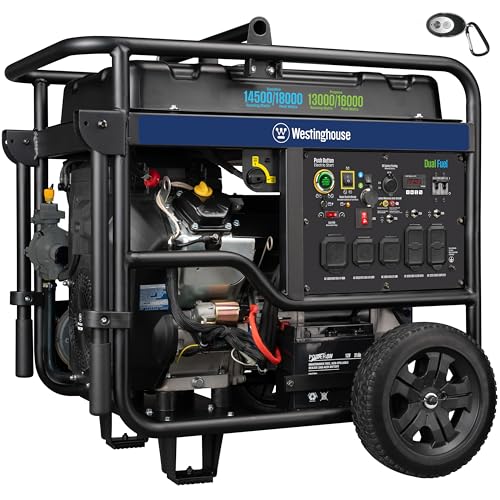
Westinghouse 18000 Peak Watt Dual Fuel Home Backup Portable Generator
More Details On Our Top Picks
Jackery’s 2042Wh capacity gives you enough headroom for the gear that matters most during a short outage, and the three AC outlets plus 100W USB-C port make it easier to cover mixed household devices. The honest read is that this sits in the portable-power-station lane, so it suits apartment backups, shared rooms, or a garage setup better than a whole-home transfer plan.
The LiFePO4 battery chemistry, which is a lithium iron phosphate design, points to long service life and steadier day-to-day use than older battery styles. You may appreciate the quiet charging mode in a bedroom or home office, because a low-noise unit feels less like machinery and more like a background helper.
What We Like
- 2200W AC output covers a solid spread of essentials without feeling cramped.
- 2042Wh storage gives you meaningful runtime for phones, lights, Wi-Fi gear, and selected appliances.
- USB-C PD at 100W is handy for modern laptops and fast phone charging.
- Silent charging mode suits overnight use or a quiet work space.
- 20ms switching helps keep connected essentials from dropping during an outage.
Small Caveats
- It still depends on battery storage, so very large appliances will outgrow it quickly.
- Solar charging depends on panel setup, which is sold separately here.
- For long outages, you’ll want a clear plan for recharge timing and load management.
Feature Snapshot
Who It Suits Best
You get the most from this model in a home office, apartment, or small household that needs clean indoor backup for electronics and a few essentials.
A Better Fit Elsewhere
Jackery HomePower 3000 and 2x200W Solar Panels suits you better if you want a larger solar-backed setup with more sustained home coverage.
This Oxseryn lands in the sweet spot for homes that want gasoline power without jumping to a much larger frame. The open-frame layout usually keeps cost and weight in a friendlier zone, while the inverter design makes it a better fit for electronics than a plain contractor-style unit.
The trade-off shows up in comfort and convenience, because open-frame generators tend to be louder and less tidy to store than enclosed station-style backup. For a garage, workshop, or storm kit, though, that’s often an acceptable swap for more immediate output.
Bright Spots
- 4400W class output gives you room for a broader set of emergency loads.
- Inverter design supports a cleaner power profile for sensitive devices.
- ECO mode helps the engine work less hard during lighter loads.
- Portable framing makes it easier to move between storage and use spots.
Areas To Watch
- Open-frame construction usually takes more space than enclosed alternatives.
- Gas storage and routine maintenance add ownership chores.
- Noise will matter more here than it does with a battery station like the Jackery pick.
Quick Facts
Who Should Grab It
You fit this generator well if you want a gas-powered backup source for a garage, small home, or RV setup and don’t mind routine fuel handling.
Swap It Out When
Jackery Explorer 2000 v2 Portable Power Station 2042Wh 2200W is the smoother match for indoor-friendly backup and quieter operation.
You’re looking at a very similar power class to the previous Oxseryn, but this version puts the RV-ready 30A outlet front and center. That makes a difference for campers, trailer owners, and home backup users who want a direct path into compatible equipment.
There’s also a practical upside in how plainly it’s set up: gas in, power out, and a port layout that covers both emergency home use and mobile trips. The catch is the same one most open-frame units carry, meaning it asks for more storage space and a little more patience with noise.
Upsides
- RV-ready 30A outlet improves compatibility for travel and backup use.
- 4400W class output gives you a respectable emergency power buffer.
- Inverter setup is a better match for electronics than a basic generator.
- Open-frame format is easier to move than larger whole-home units.
Points To Note
- Open-frame form takes up more room than a closed unit.
- Gas upkeep remains part of the ownership routine.
- EPA compliance is mentioned in the listing, but you still need to check local setup needs before purchase.
Details At A Glance
Best Suited To
You get the clearest fit here if you split time between home backup and RV trips, especially with gear that can take a 30A connection.
Where A Sibling Pick Shines
Oxseryn Power Equipment 4400 Watts Inverter Generator suits you better if ECO mode and a more general-purpose portable layout matter more than the RV outlet.
This Jackery bundle moves into a more serious backup bracket than the Explorer model above, thanks to 3072Wh of storage and 3600W of AC output. The paired 200W solar panels matter just as much, because they give you a direct path to longer off-grid recovery after an outage or a stormy weekend.
For most homes, the appeal is less about raw spec bragging and more about having a compact solar-ready system that can sit in reserve until you need it. The honest read is that you’re paying for capacity and flexibility, so it makes most sense when your outage planning is more deliberate than casual.
Reasons To Buy
- 3072Wh capacity gives you more breathing room than smaller stations.
- 3600W AC output can support a broader set of home essentials.
- 7200W surge headroom helps with start-up spikes from certain appliances.
- Solar panels are part of the package, which simplifies a backup plan.
- LFP battery chemistry is a good sign for long-term ownership.
Room For Improvement
- The bundle takes more space than a single compact power station.
- Solar use depends on sunlight and panel placement.
- It’s more system-like than grab-and-go, so setup planning matters.
Core Details
Perfect Match For
You suit this pick best if you want a home-focused solar backup setup with room for longer interruptions and a more deliberate storage plan.
Look Elsewhere When
Jackery Explorer 2000 v2 Portable Power Station 2042Wh 2200W is easier to live with for lighter indoor backup and simpler charging needs.
Dual-fuel flexibility is the main reason this Champion stands out in a crowded field. That matters in real homes because it gives you options during fuel shortages or storage planning, and the inverter format is a better match for electronics than a basic open-frame unit.
The quieter-tech angle also makes sense for campground use or neighborhood backup, where a loud engine can become part of the problem. For your average garage setup, the trade-off is that you’re still dealing with fuel, upkeep, and more storage planning than you would with a battery station.
Best Bits
- Dual-fuel setup gives you more flexibility in how you run it.
- 4000W capacity covers a practical emergency load range.
- Inverter design is friendlier to sensitive electronics.
- Quiet technology helps keep the sound profile more manageable.
Worth Noting
- Fuel handling and storage are part of ownership.
- It won’t match the output of the larger DuroStar or Westinghouse units.
- Regular maintenance still matters for dependable long-term use.
Feature Rundown
Whose Shelf It Belongs On
You fit this generator best if you want a compact fuel-based backup option for home, RV, or mixed-use storage.
Skip It When
Jackery HomePower 3000 and 2x200W Solar Panels suits you better if you want a battery-and-solar setup with less fuel handling.
The DuroStar moves into a different class entirely, because 13,000 watts and a 500cc engine point toward serious whole-home coverage. That makes it a logical fit for households with transfer switch plans, larger appliances, or a desire to keep more of the house running during long outages.
You should expect a machine like this to feel less like a casual portable and more like a home infrastructure piece. The upside is obvious, yet the size, fuel use, and storage demands mean it’s best for property owners who really need that much output.
Highlights
- 13,000W output gives you room for major household loads.
- Dual-fuel capability adds flexibility for storage and refueling.
- Remote electric start is a practical comfort feature.
- Transfer switch readiness makes home integration easier.
- 500cc engine size signals a heavier-duty build.
Honest Caveats
- This is large enough that storage and placement need planning.
- Fuel and upkeep expectations are higher than with smaller models.
- It makes more sense for serious outage plans than for occasional light backup.
Technical Sheet
Built With In Mind
You suit this generator best if your home backup plan includes higher household demand and a transfer switch setup.
Another Choice May Suit
Westinghouse 18000 Peak Watt Dual Fuel Home Backup Portable Generator is the closer match if you want even more output headroom and a home-backup-first posture.
Westinghouse pushes deepest into whole-home territory here, with 18,000 peak watts and dual-fuel operation aimed at serious outage planning. Remote electric start and transfer switch readiness make it feel built for homes that want a more permanent backup path rather than a weekend-only emergency tool.
The CO sensor adds a safety-minded layer that many households will appreciate, especially in garages or semi-enclosed spaces where placement discipline matters. It’s a large machine, though, so the trade-off is clear: you gain serious output, but you also take on more storage, handling, and setup responsibility.
Standout Traits
- 18,000 peak watts gives you major output headroom.
- Dual-fuel design offers practical fuel flexibility.
- Remote electric start keeps operation simple from a distance.
- Transfer switch readiness suits more integrated home backup plans.
- CO sensor adds an extra layer of awareness in use.
Minor Gripes
- Its size makes storage and maneuvering more demanding.
- It is far more generator than most small homes need.
- Maintenance and placement discipline matter more at this scale.
Core Details
Who Will Love This
You’re the right fit for this model if you want a high-output, home-first generator for a larger property or a more demanding backup plan.
Where Shoppers Go Wrong
DuroStar DS13000MX 13,000-Watt 500cc Dual Fuel Portable Generator suits you better if you still want serious power but prefer a slightly smaller step down.
How To Choose The Right Backup Generators For Homes
Match Output To The Loads You Care About
Start with the basics: refrigerators, sump pumps, Wi-Fi gear, lights, and any medical or work equipment you may need during an outage. Battery stations like the Jackery Explorer 2000 v2 are comfortable for smaller essential loads, while gas units such as the DuroStar and Westinghouse are built for much bigger household demands.
Output ratings tell you how much a unit can handle at once, but startup spikes matter too because motors and compressors often need extra headroom. A generator that looks “big enough” on paper can still feel small in a real outage, especially in homes with well pumps, freezers, or multiple cooling appliances.
Choose Fuel Type Around Your Routine
Battery power is cleaner, quieter, and easier to live with indoors, which is why it fits apartments, attached garages, and night use so well. Gas and dual-fuel generators make more sense when you want fast refueling and longer runtime, especially in storm-prone areas where charging access may be limited.
Dual fuel also gives you planning flexibility, since propane storage and gasoline storage each have their own practical trade-offs. For many households, that flexibility matters more than the last bit of convenience.
Look Closely At Noise, Placement, And Setup
Noise becomes a real quality-of-life issue during long outages, and open-frame generators usually sound more noticeable than enclosed power stations. Placement matters too, because fuel models need open-air operation and careful positioning, while battery units can sit inside the home more easily.
Transfer switch readiness is worth understanding before you assume a generator can power the whole house. It’s a wiring path that lets selected circuits run from a generator, and it’s a much cleaner approach than dragging extension cords through the house.
Think About Recharge Or Refuel Time, Not Just Capacity
A large battery looks impressive until you figure out how you’ll refill it after a day of use. AC charging, solar charging, and fuel availability all shape how useful a backup setup feels during a real outage.
That’s why the Jackery HomePower bundle stands apart from smaller stations, and why the Westinghouse or DuroStar can be more reassuring for extended blackouts. Capacity matters, but recovery time keeps the plan workable.
What To Weigh Before You Decide
Mistakes Worth Dodging
It’s easy to shop by wattage alone and miss the details that change daily life, like outlet types, noise, and storage footprint. Another common miss is forgetting how you’ll connect the generator to the house, especially with larger fuel models that work best through a transfer switch.
Portability is another trap. A machine can be called portable and still be awkward for one person to move, which matters a lot once you’re dealing with fuel, cords, and storm conditions.
The Upgrade Payoff
Higher-tier models cost more because they usually add larger engines, more output headroom, dual-fuel flexibility, better start systems, or larger battery packs. In the Jackery HomePower bundle, the solar panels and 3072Wh storage push you into a more complete backup system rather than a simple emergency box.
The upgrade makes sense when you want longer coverage, less compromise, or a clearer path to whole-home support. For lighter needs, a smaller inverter or battery station is easier to store and easier to live with.
Frequently Asked Questions
How many watts do you need for a home backup generator?
That depends on the appliances you want to keep running at the same time. A few essentials need far less power than a furnace, well pump, and refrigerator together.
Are battery power stations enough for home outages?
They work well for electronics, lights, and smaller appliances. They are usually less suited to heavy household loads that demand large surge output.
What does dual fuel add in real life?
Dual fuel gives you two fueling paths, usually gas and propane. That flexibility helps with storage planning and can reduce stress during supply shortages.
Why does inverter design matter?
Inverter generators produce steadier power for sensitive electronics than many basic open-frame units. That makes them a stronger match for laptops, routers, and modern appliances.
Do you need transfer switch readiness?
You need it when you want a more structured way to power selected home circuits. It matters less for small portable backup plans and more for larger whole-home setups.
Closing Thoughts
The right backup generator depends on how much of your home you want to keep running and how much setup you want to manage. A battery station works beautifully for quieter, cleaner backup, while larger gas or dual-fuel units make more sense for bigger loads and longer outages. The best match is the one that fits your space, your routine, and the kind of blackout you’re actually planning for. Pick the setup that feels manageable on an ordinary day, because that’s the one you’ll be glad to have during the hard one.
