

Power outages feel a lot less manageable when the fridge warms up, the router drops, and the garage door stays put. This roundup focuses on American Made Generators that fit real homes, RV trips, and jobsite-style backup needs, with a mix of compact inverter units and heavier home backup options. You’ll also see where dual-fuel flexibility, remote start, and transfer-switch readiness matter most. The goal is simple, help you match the generator to your space and your routine without overbuying.
Quick Shortlist For Different Power Needs

Westinghouse 4000 Peak Watt Dual Fuel Inverter Generator
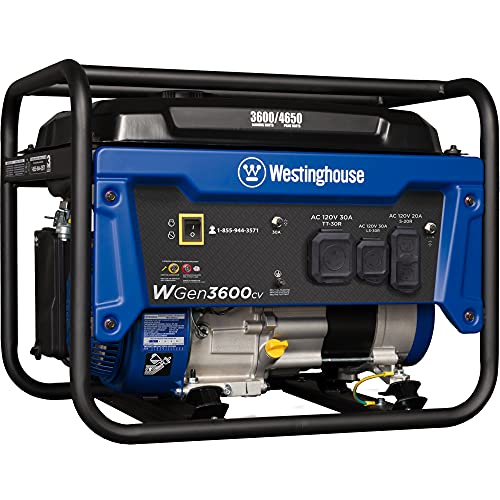
Westinghouse 4650 Peak Watt Portable Generator

Oxseryn Power Equipment 4400 Watts Inverter Generator

Westinghouse 12500 Peak Watt Home Backup Generator

Westinghouse 4000 Peak Watt Portable Inverter Generator

Generac 7154 GP3300i Portable Inverter Generator

Oxseryn 4400-Watts Inverter Generator

PowerSmart 3600 Watt Portable Inverter Generator
More Details On Our Top Picks
Dual-fuel flexibility gives this Westinghouse a lot of everyday appeal, especially for porch backup, RV weekends, or a garage setup where propane storage feels easier to manage. Remote electric start matters too, because it keeps the start routine simple when you’re handling the unit alone. The trade-off is that dual-fuel convenience adds another layer of setup, so you’ll want to stay organized with fuel and hookups.
Compared with the single-fuel Westinghouse 4650 below, this one leans more toward convenience and campsite versatility than raw output. The CO sensor adds a practical safety-minded touch, and parallel capability gives you a path to more power later without replacing the whole unit. That’s a sensible mix for campers and households that want options without going straight to a heavy backup machine.
Strong Points
- Dual-fuel design gives you fuel flexibility for home outages or longer stays away from the garage.
- Remote electric start saves a few steps during cold mornings or after a long power cut.
- RV-ready output makes it easier to connect to travel trailers without extra guesswork.
- Parallel capability leaves room for expansion later, which helps keep this purchase adaptable.
- CO sensor adds a useful layer of awareness for enclosed or semi-enclosed spaces.
Things To Consider
- Dual-fuel use means a little more fuel planning than a gas-only model.
- Output suits lighter backup needs more than full-home coverage.
- Like most inverter units, routine storage and fuel care matter for long-term reliability.
Feature Snapshot
Who It Suits Best
You’ll get the most from this one as an RV owner or a homeowner who wants flexible backup power without moving into a much larger frame.
A Better Fit Elsewhere
Westinghouse 12500 Peak Watt Home Backup Generator suits whole-house backup planning much better, especially for households that need to run more circuits during a longer outage.
This Westinghouse leans toward straightforward gas-powered backup, which makes sense for someone who wants fewer fuel decisions and a clean RV-ready path. The 30A outlet is the detail that matters most, because it speaks directly to trailer hookup or a simpler home backup setup. In most garages, that kind of plain layout is easier to live with than a more feature-loaded unit.
Compared with the dual-fuel Westinghouse 4000 above, this one trades flexibility for a simpler routine. The CO sensor is a reassuring spec to have, and the midrange output should suit refrigerators, lights, and a few essentials more comfortably than tiny portable units. It’s a steady choice, though you won’t get the same fuel flexibility you see in Item 1.
What We Like
- RV-ready 30A outlet keeps trailer connection planning simple.
- Gas-only operation removes the need to manage propane on top of fuel.
- CO sensor gives the setup a useful safety-minded layer.
- Midrange output fits basic household backup without pushing into oversized territory.
Worth Noting
- You do give up dual-fuel flexibility here.
- It still calls for routine fuel care and safe storage habits.
- For very large homes, the power ceiling may feel modest.
Core Details
Who Will Love This
You’ll like this best for an RV, a cabin, or a small home that needs a simple, gas-first backup plan.
Where A Sibling Pick Shines
Westinghouse 4000 Peak Watt Dual Fuel Inverter Generator suits anyone who wants propane as a second fuel path and a quieter inverter-style setup.
This Oxseryn takes a more utility-first route, with an open-frame shape that usually means easier access and a more work-ready presence. ECO Mode, short for engine speed adjustment under lighter loads, matters because it can help the machine sound less busy during low-demand use. For a backyard shed, a tailgate setup, or emergency power around the house, that balance can be more useful than polished styling.
Compared with the Westinghouse inverter options above, this one feels a bit more rugged and direct. It’s a better fit for someone who wants a straightforward gas generator with inverter-style power behavior and RV-ready support, not a delicate-looking appliance piece. The honest read is that open-frame units usually occupy a middle ground between compact portability and heavier-duty presence.
Upsides
- Open-frame build makes the machine easier to access and maintain.
- ECO Mode can help reduce noise and fuel use during lighter demand.
- RV-ready support broadens where you can use it.
- Inverter-style output is friendlier to sensitive electronics than a basic contractor unit.
Points To Note
- Open-frame styling is less compact than closed portable inverter models.
- You may notice more visual bulk in tight storage areas.
- Routine upkeep still matters, especially after seasonal storage.
Feature Rundown
Built With In Mind
You’ll get the most out of this pick as a homeowner or traveler who wants a sturdy generator that still plays nicely with electronics.
Another Choice May Suit
Generac 7154 GP3300i fits better for camping and tailgating, especially when lighter carry weight matters more than open-frame utility.
This is the serious backup option in the lineup, and the transfer-switch-ready design is the clue that it belongs in a more planned home setup. Remote electric start and auto choke, meaning the carburetor starts with less manual fuss, make it friendlier during stressful outages. For households that want to keep more essentials alive, this class of machine carries more weight than the smaller inverter picks.
Compared with the lighter Westinghouse units, this one is less about travel convenience and more about keeping a home functional. The CO sensor is a valuable addition, and the gas-powered design fits a standard whole-home backup routine. It’s not a tiny machine, though, so storage and placement deserve real attention before you bring it home.
Highlights
- High output suits larger backup loads and more demanding outage plans.
- Transfer-switch readiness helps it fit a more permanent home layout.
- Remote electric start keeps startup easier during storm recovery.
- Auto choke reduces some of the usual cold-start hassle.
- CO sensor adds a useful awareness feature for household use.
Minor Gripes
- Size and weight make it less friendly for casual moving.
- It asks for more storage space than the smaller inverter units.
- Routine fuel stabilization and maintenance become more important at this scale.
At A Glance
Right Fit For
You’ll appreciate this most as a homeowner preparing for longer outages and wanting a more complete backup setup.
Look Elsewhere When
Westinghouse 4650 Peak Watt Portable Generator makes more sense for a lighter RV or cabin routine where portability matters more than whole-home output.
Wheel and handle hardware changes the feel of this Westinghouse more than the wattage alone suggests. That matters in driveways, campsites, and side yards, where moving a generator by yourself can turn into a chore fast. The RV-ready 30A outlet and parallel capability make it a useful companion for travel power or a growing backup setup.
Compared with Item 1, this version skips dual-fuel flexibility and leans into mobility instead. You also get the same kind of super-quiet inverter positioning that makes sense near campsites or neighbors who do not want a noisy machine nearby. For many households, that combination is the sweet spot between portability and usable output.
Bright Spots
- Wheel and handle kit make transport much less awkward.
- Inverter design suits electronics, appliances, and lighter home backup use.
- RV-ready outlet fits travel trailer routines.
- Parallel capability gives you room to grow later.
- Gas-powered setup keeps fueling familiar.
Softer Spots
- You do not get dual-fuel flexibility here.
- Wheel hardware helps mobility, but storage space still matters.
- Long-term care still depends on clean fuel and regular upkeep.
Feature Card
Who Should Grab It
You’ll want this version most for camping, trailer trips, or a home setup where rolling the generator is part of the routine.
Where A Sibling Pick Shines
Westinghouse 4000 Peak Watt Dual Fuel Inverter Generator suits you better when propane backup matters more than easy rolling transport.
The Generac GP3300i has a travel-friendly footprint that stands out fast in a category full of heavier frames. TruePower Technology means the generator aims to deliver steadier electrical output, which matters for laptops, phones, and other sensitive gear you’d rather not stress. For camping, tailgating, or light backup duties, that cleaner-power angle is a real advantage.
Compared with the larger Westinghouse models, this Generac feels easier to carry and easier to stash. Economy Mode, which trims engine speed under lighter loads, can help with noise and fuel use during longer weekends away from home. The trade-off is obvious enough, you get portability first, not the big reserve power of Item 4.
Reasons To Buy
- Compact frame is easier to move and store than the bigger backup units.
- Built-in handle helps with quick setup at campsites or tailgates.
- TruePower Technology is a useful fit for sensitive electronics.
- Economy Mode can make extended outdoor use feel less wasteful.
- Parallel capability gives you a path to more output later.
Room For Improvement
- Power output suits lighter jobs more than whole-home backup.
- Parallel use requires another compatible unit.
- Like all portable gas models, it still needs fuel and storage attention between uses.
Spec Overview
The Right Fit
You’ll get the best match here as a camper, tailgater, or apartment-dweller with a storage closet and modest power needs.
Swap It Out When
Westinghouse 12500 Peak Watt Home Backup Generator is the better call when you need a more serious reserve for a household outage plan.
This Oxseryn sits in a useful middle zone, with enough output for practical backup while still staying approachable for everyday storage and setup. The RV-ready 30A outlet gives it travel usefulness, and the open-frame format makes access feel less cramped than some enclosed portable units. In a garage, that can matter more than polished styling.
Compared with the first Oxseryn, this one leaves out ECO Mode language in the listing and keeps the pitch closer to straightforward backup utility. EPA-compliant labeling, as listed, makes it clearer that the model is positioned for standard consumer use in places that care about emissions rules, though you’ll still want to check local requirements yourself. It suits someone who wants a workhorse feel without stepping up to the much larger Westinghouse backup machine.
Best Bits
- Open-frame layout can be easier to access during setup and maintenance.
- RV-ready outlet expands where you can use it.
- Inverter design helps make power friendlier for everyday electronics.
- Good middle ground for home backup and travel use.
Areas To Watch
- Open-frame styling takes up more visual space than compact inverter units.
- Storage planning matters more in smaller garages or sheds.
- Regular fuel and seasonal care still matter for dependable starting.
Details At A Glance
Whose Shelf It Belongs On
You’ll get the best fit here as a homeowner who wants backup power and an RV owner who prefers a less delicate-looking frame.
Reach For A Different Pick When
PowerSmart 3600 Watt Portable Inverter Generator suits lighter weekend use better, especially when quiet operation and a digital display matter more.
Quiet operation and a listed 59dBA sound level make this PowerSmart easy to place in a campsite or near a patio without feeling intrusive. The digital display is a useful touch because it gives you a quick read on the generator’s status instead of leaving you to guess. For weekend power, small backup loads, or shared outdoor spaces, that kind of clarity is handy.
Compared with the Generac GP3300i, this model leans more into runtime and simple monitoring than ultra-compact carry convenience. Parallel readiness also keeps the door open for more output later, which helps this pick stay relevant as your needs grow. The trade-off is that it still stays in the lighter portable class, so larger homes should look higher up the list.
Positives
- Listed 8-hour runtime supports longer stretches between refueling.
- 59dBA sound level suits quieter campground or backyard use.
- Clean power is a useful match for phones, laptops, and small appliances.
- Digital display makes basic status checks easier.
- Parallel-ready design gives you room to scale later.
Honest Caveats
- It still sits in the lighter power class, so whole-home backup is out of reach.
- Parallel use requires a compatible second unit.
- Fuel care and seasonal storage still deserve attention, like they do with most portable gas models.
Quick Facts
Made With In Mind
You’ll like this best for a cabin weekend, a patio setup, or a home emergency kit where quieter operation helps.
Consider Something Else When
Westinghouse 12500 Peak Watt Home Backup Generator is the better match for larger homes that need more substantial outage coverage.
How To Choose The Right American Made Generators
Match Output To The Way You Lose Power
Generator sizing starts with the things you actually want to keep running. A fridge, a modem, a few lights, and a charging station call for a very different machine than a house with a sump pump, HVAC needs, or a transfer switch plan.
Portable inverter units stay friendlier for short outages, camping, and RV use, while larger open-frame or home-backup models make more sense for longer disruptions. The honest read is that oversizing can cost you portability and storage space, while undersizing leaves you rationing outlets.
Look Closely At Fuel And Starting Style
Gas-only models keep fueling simple, but dual-fuel designs give you a second option during busy weather or when propane is easier to store. Remote electric start and auto choke add convenience, especially for someone who doesn’t want to stand over the unit during a stressful outage.
Manual-start units can still be completely reasonable, yet the extra effort shows up fast in cold weather or after long storage. That’s why the simplest machine on paper is not always the simplest machine in a storm.
Portability Changes The Daily Experience
Wheel kits, handles, compact frames, and lighter inverter housings matter more than many shoppers expect. A generator that looks manageable in a listing can feel very different once it has to move across gravel, around a deck, or in and out of a shed.
RV owners and campers benefit from 30A outlets and smaller footprints, while homeowners often care more about stable placement, easier maintenance access, and transfer-switch readiness. A machine that fits your storage and setup pattern saves you a lot of friction later.
Noise, Power Quality, And Expansion Plans
Inverter generators usually make more sense near campsites, patios, and sensitive electronics because they focus on cleaner output and quieter operation. Open-frame models can be a smart middle ground when you want more access and a sturdier feel without jumping to a heavy backup rig.
Parallel capability also deserves attention, since it lets you pair compatible units for more output later. That feature is useful for growing households, but it only pays off when you expect your needs to expand.
Things Worth Knowing First
Wrong Turns To Avoid
Many shoppers get stuck chasing wattage alone and forget the outlets, fuel type, and start method that make the generator practical. Another common miss is ignoring storage space, which turns a manageable unit into a nuisance once it’s parked in a garage or shed.
Noise matters too. A louder open-frame model can be a good fit for a work area, but it feels out of place around a campsite or close neighbors.
The Upgrade Payoff
Higher-tier models usually cost more because they add remote start, transfer-switch readiness, wheel kits, cleaner power output, or stronger enclosure work. Those details take more hardware and design work, and that shows up in the final build.
The upgrade is worth it when you use the generator often, rely on it for outage prep, or need a smoother setup under pressure. For occasional tailgates or short camping trips, a simpler unit often makes more sense.
Frequently Asked Questions
What Size Generator Works For Basic Home Backup?
A midrange portable unit can handle essentials like a fridge, lights, and charging gear. Larger homes with more circuits usually need a bigger backup model or a transfer-switch setup.
Is Dual-Fuel Worth It?
Dual-fuel design helps when propane is easier to keep on hand than gasoline. It also gives you a backup fueling path during busy weather prep.
Do Inverter Generators Matter For Electronics?
Inverter models are built to provide cleaner output, which suits laptops, phones, and similar gear. That makes them a smart fit for campers and households with sensitive devices.
Why Do Some Models Have Wheels And Handles?
Wheels and handles make a big difference once a generator has to cross a driveway or move out of storage. They matter even more on heavier units that would be awkward to lift alone.
Can A Smaller Generator Grow With Your Needs?
Parallel-ready models give you a way to add another compatible unit later. That keeps your first purchase useful even as your power needs change.
Closing Thoughts
The right generator depends less on brand names and more on how your home, RV, or campsite actually works. A dual-fuel inverter model feels flexible, a wheel-equipped portable unit feels easier to live with, and a larger home backup machine earns its keep when the outage plan gets serious. You do not need the biggest option on the list, just the one that fits your space, fuel routine, and backup priorities. Start with the way you want to use it, and the right choice gets a lot clearer.
