

Power outages feel different once your fridge, lights, internet, and phone chargers all need to stay on at once. This roundup focuses on the kind of backup that fits real homes, from compact portable power stations for apartments to heavy-duty generators for whole-house coverage.
You’ll see clear trade-offs here, because no single setup suits every house, garage, or travel plan. Some picks are quiet and indoor-friendly, while others bring fuel flexibility and much larger output for longer outages.
The Shortlist At A Glance

Jackery Explorer 2000 v2 Portable Power Station 2042Wh

Oxseryn Power Equipment 4400 Watts Inverter Generator

DuroMax XP13000HXT 13,000-Watt 500cc Tri Fuel Generator

Champion Power Equipment 4000-Watt Dual Fuel RV Ready Inverter Generator

DuroStar DS13000MX 13,000-Watt 500cc Dual Fuel Portable Generator

Westinghouse 18000 Peak Watt Tri-Fuel Home Backup Portable Generator
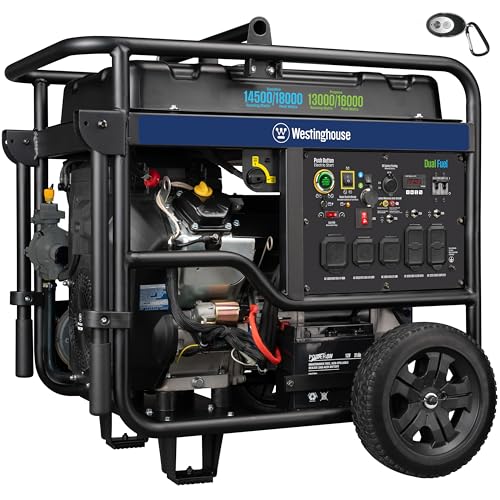
Westinghouse 18000 Peak Watt Dual Fuel Home Backup Portable Generator
More Details On Our Top Picks
For apartments, townhomes, and homes that need indoor-safe backup, this Jackery makes a strong case. The 2042Wh battery capacity gives you a serious reserve, while the 2200W AC output and three AC ports cover core electronics, a modem, and smaller appliances without fuss.
The LiFePO4 battery, a lithium iron phosphate cell type known for long cycle life, matters because it usually fits people who want a long-term power reserve instead of a short-lived emergency box. Compared with the gas units later in this list, it runs quietly and avoids fuel storage, though you do trade away the raw run time that larger generators can provide.
Strong Points
- Large battery reserve suits blackouts that stretch past a few hours.
- USB-C PD 100W helps you charge modern laptops and phones without extra bricks.
- Silent Charging mode is a real plus for overnight use in a bedroom or office.
- Fast AC charging helps you restore capacity between outage windows or camping stops.
- Its indoor-friendly design avoids fuel fumes, which makes storage simpler.
Things To Consider
- The battery-first design is not meant to replace a fuel generator for extended whole-house loads.
- Solar charging depends on compatible panels, so the full off-grid setup can grow beyond the unit itself.
- As with most battery stations this size, weight and placement matter once you move it between rooms or vehicles.
Feature Snapshot
Who It Suits Best
Households that want quiet backup for electronics, lighting, and work-from-home essentials will get the most from this unit.
Where A Sibling Pick Shines
Westinghouse 18000 Peak Watt Tri-Fuel Home Backup Portable Generator is a better fit for larger homes that need fuel-based run time during longer outages.
The Oxseryn sits in a useful middle ground, with enough output for RV trips, tailgate setups, and lighter emergency backup. Its inverter design matters because inverter generators condition power more cleanly than many basic open-frame units, which helps sensitive electronics feel less exposed to rough output.
Compared with the Jackery above, this one swaps battery silence for fuel-powered endurance, so it makes more sense in a garage or driveway than inside a living space. The trade-off is familiar, fuel handling and ongoing maintenance come with the territory, but the open-frame layout tends to suit people who want a straightforward portable machine.
Highlights
- 4400 watts gives you more breathing room than a small battery station.
- Inverter output suits electronics better than many traditional open-frame models.
- ECO mode can help reduce fuel use in lighter-load situations.
- The portable frame works well for RV travelers and weekend setups.
Room For Improvement
- Fuel-powered upkeep means storage, starting routine, and periodic care matter.
- Open-frame generators are usually louder than enclosed inverter styles.
- It fits light backup better than a full-home outage plan.
Core Details
Made For
Travelers, RV owners, and households wanting a mid-sized fuel generator for lighter outage duty will feel right at home with this pick.
A Better Fit Elsewhere
Champion Power Equipment 4000-Watt Dual Fuel RV Ready Portable Inverter Generator fits you better for compact dual-fuel use with a quieter profile.
This DuroMax is built for serious outage coverage, not casual backup. The 13,000-watt class and 500cc engine size point to a machine that can support bigger household loads, and the tri-fuel setup gives you gas, propane, or natural gas options depending on what your home can access.
Compared with the Oxseryn, it’s a much heavier-duty choice for people who want more than RV support or light appliance coverage. The built-in CO alert is a helpful safety layer, though you still need normal placement, ventilation, and transfer-switch planning to keep the setup sensible.
Best Bits
- Tri-fuel flexibility makes fuel planning less rigid.
- Large output suits appliances, tools, and broader home circuits.
- CO alert adds an extra layer of status awareness.
- Transfer-switch-ready planning works well for homes mapping backup circuits.
Minor Gripes
- Its size pushes it into garage or outdoor storage territory.
- Fuel-based maintenance is part of the ownership picture.
- More output also means more setup thinking before an outage.
Details At A Glance
Best Suited To
Homes that want broad backup coverage and multiple fuel paths will get the most from this DuroMax.
Skip It When
Champion Power Equipment 4000-Watt Dual Fuel RV Ready Portable Inverter Generator suits lighter-duty users who want simpler storage and a smaller footprint.
This Champion lands in the sweet spot for campers, RV owners, and households that want backup power without jumping straight to a huge fuel machine. Dual fuel support means you can run it on either gas or propane, which gives you more flexibility during storage and during an outage.
Unlike the larger DuroMax and Westinghouse models, this one is easier to think about as a practical everyday portable generator. Quiet technology is a useful plus, though the compact build also means you’re choosing a smaller output class on purpose, not by accident.
Positives
- Dual fuel support gives you more fueling options.
- RV-ready design fits road trips and campsite use.
- Quiet-tech tuning helps keep noise more manageable.
- Portable size makes storage easier in a garage or shed.
Areas To Watch
- It serves lighter backup needs better than a whole-house plan.
- Smaller output means you need to choose circuits with care.
- Fuel units still call for periodic upkeep and safe storage.
Technical Sheet
Who Should Grab It
You’ll appreciate this Champion most when you want a compact dual-fuel generator for camping, tailgates, or modest outage support.
Reach For A Different Pick When
Westinghouse 18000 Peak Watt Dual Fuel Home Backup Portable Generator is a better match for larger homes that need far more output.
The DS13000MX looks aimed at households that want a stronger backup machine with a simpler fuel story than tri-fuel options. Remote electric start stands out here because it can make the startup routine less fiddly, especially when the generator sits outside and the weather is not cooperating.
Compared with the DuroMax XP13000HXT, this DuroStar gives up natural gas flexibility, but it still covers a large-home backup role with gas and propane. Transfer-switch readiness also matters for planned home use, because it helps the generator fit into a more organized backup layout.
Upsides
- Remote electric start makes daily handling less awkward.
- Dual fuel support keeps fuel choices flexible.
- Transfer-switch-ready setup suits a planned home-backup circuit layout.
- 13,000-watt output gives you substantial breathing room.
Softer Spots
- It is still a large fuel generator, so storage and placement matter.
- Gas and propane are practical, but not as flexible as tri-fuel support.
- Maintenance and fuel rotation remain part of ownership.
Core Details
Built With In Mind
This fits homeowners who want a large dual-fuel generator with easier starting and a more structured backup setup.
Another Choice May Suit
DuroMax XP13000HXT 13,000-Watt 500cc Tri Fuel Gas Propane Natural Gas Portable Generator suits you better if natural gas compatibility matters.
This Westinghouse makes sense for homes that want a large backup generator with three fuel paths instead of one or two. The tri-fuel setup can be especially helpful during outages, since access to gas, propane, or natural gas can vary from house to house and from one emergency to the next.
It sits above the smaller portable picks earlier in this list because it’s aimed at broad home coverage, not casual portable use. The CO sensor adds another practical layer of awareness, and the transfer-switch-ready design makes it easier to picture in a more permanent backup arrangement.
Bright Spots
- Tri-fuel support gives you more freedom in how you fuel it.
- Large peak wattage fits more demanding home circuits.
- Remote electric start simplifies starting from the generator’s location.
- CO sensor adds a useful monitoring layer for home placement.
- Transfer-switch readiness helps with planned backup installations.
Worth Noting
- Its scale is better for yards, garages, and outdoor placement.
- Large-capacity fuel units need more storage space and upkeep.
- It asks for more setup planning than a compact inverter unit.
Feature Rundown
Right Fit For
Households with larger backup plans and access to multiple fuel types will get the strongest match here.
Look Elsewhere When
Champion Power Equipment 4000-Watt Dual Fuel RV Ready Portable Inverter Generator is the cleaner fit for lighter portable use and smaller storage space.
This is the more familiar dual-fuel sibling to the tri-fuel Westinghouse above, and that difference matters more than it sounds. Gas and propane cover a lot of homes just fine, while the remote electric start and transfer-switch-ready setup point toward a backup plan you can keep organized instead of improvised.
For many families, that simpler fuel setup is enough, and it avoids the extra planning that comes with natural gas integration. You still get a large-output home backup machine, so it’s a sensible fit for owners who want scale without stepping all the way up to tri-fuel complexity.
What We Like
- Dual fuel support keeps day-to-day fueling straightforward.
- Remote electric start helps make outages less awkward.
- Transfer-switch readiness suits planned household backup.
- Large power class makes it suitable for broader home use.
Small Caveats
- You give up the extra flexibility of natural gas support.
- Its size asks for a proper outdoor or garage storage plan.
- Like other large fuel generators, upkeep is part of the deal.
At A Glance
Whose Shelf It Belongs On
This belongs with homeowners who want a large dual-fuel backup generator and do not need natural gas capability.
Swap It Out When
Westinghouse 18000 Peak Watt Tri-Fuel Home Backup Portable Generator suits you better when fuel flexibility matters more than keeping the setup simple.
How To Choose The Right All Home Generators
Start With The Load You Need
The first decision is size, because the wrong wattage turns a backup plan into guesswork. A compact power station like the Jackery suits lights, networking gear, and charging, while the Westinghouse 18,000-watt models belong in homes that want broader circuit coverage.
Think in rooms and appliances, not just in watts. That simple habit keeps you from paying for output you’ll never use, or worse, ending up short during a storm.
Match Fuel Style To Your Routine
Battery stations shine in apartments, indoors, and short outages where quiet operation matters. Fuel-powered generators fit garages, yards, and longer interruptions because they can keep going as long as fuel is available.
Dual fuel and tri-fuel models add flexibility, but they also ask for more storage planning and a bit more know-how. For most homes, that trade-off is worth it only when outage length or fuel access is a real concern.
Look At Placement And Noise
Noise matters more than many shoppers expect, especially in dense neighborhoods or near sleeping areas. The Jackery’s quiet charging profile is easy to live with, while open-frame generators are better treated as outdoor tools.
Transfer-switch readiness also changes the experience, because it points toward a more orderly home backup layout. That matters for anyone who wants essentials powered without running cords through every doorway.
Don’t Skip Practical Ownership Details
Maintenance, fuel rotation, storage space, and starting method shape satisfaction as much as raw output does. Remote electric start can take some friction out of a large generator, while a battery station reduces fuel chores almost completely.
Choose the least complicated setup that still covers your real outage pattern. That usually leads to a better fit than chasing the biggest number on the listing.
What To Weigh Before You Click
Wrong Turns To Avoid
A common mistake is overbuying wattage for a home that only needs a few essentials. Another is choosing a fuel generator without thinking through storage, starter access, and where the exhaust will go.
Battery power stations also get mistaken for whole-home solutions, even though they’re usually better for partial backup. Matching the tool to the outage plan keeps regret low.
The Upgrade Payoff
Higher-tier models cost more because they usually bring larger engines, greater output, more fuel choices, and better home-backup features like transfer-switch readiness. That extra spend makes sense when you want to keep more of the house running or need more than one fuel path.
For lighter use, a smaller inverter generator or battery station can be the smarter call. The upgrade pays off when outages are long, household loads are heavier, or the setup has to feel closer to a real backup system.
Frequently Asked Questions
What size generator works for a whole house?
Whole-house coverage usually points you toward much larger output classes, often the fuel-powered models in this list. A battery station is better for essentials, not every circuit at once.
Are battery stations better than fuel generators?
Battery stations are quieter and easier to live with indoors. Fuel generators make more sense when you need longer runtime and larger loads.
Why do dual-fuel and tri-fuel models matter?
They give you more ways to fuel the generator during an outage. That flexibility helps when one source is harder to get than another.
Do inverter generators help with electronics?
Inverter generators condition power more cleanly than many basic open-frame units. That makes them a sensible match for devices like laptops, routers, and phone chargers.
Is transfer-switch readiness useful?
Yes, because it points toward a more organized backup setup for selected home circuits. It’s especially helpful when you want a generator to feel less temporary.
Final Thoughts
For most homes, the right generator is the one that fits your outage pattern, storage space, and comfort with fuel or battery care. The Jackery makes quiet, indoor-friendly backup easier, while the larger Westinghouse and DuroMax models are better for homes that need serious output and more runtime. A mid-sized inverter like the Champion or Oxseryn can be the sensible middle ground. Choose the setup that matches how your home actually lives during a blackout, and the rest gets much simpler.
