

Home backup power feels less abstract once the lights flicker, the fridge starts warming, or a window A/C becomes the difference between tolerable and miserable. This roundup focuses on affordable generators for home use across different spaces, from apartments with balcony storage to houses that need stronger backup for outages and outdoor jobs. You’ll see gas models, inverter picks, and a compact battery station, so you can match the machine to your space instead of forcing one setup to do everything.
Some options suit a few essentials and a charging stack, while others are built for longer runtimes, RV hookups, or transfer-switch use. The trade-off is simple, more output and convenience usually mean more weight, more setup, or a larger footprint. That’s where the right match matters.
Quick Look At The Shortlist
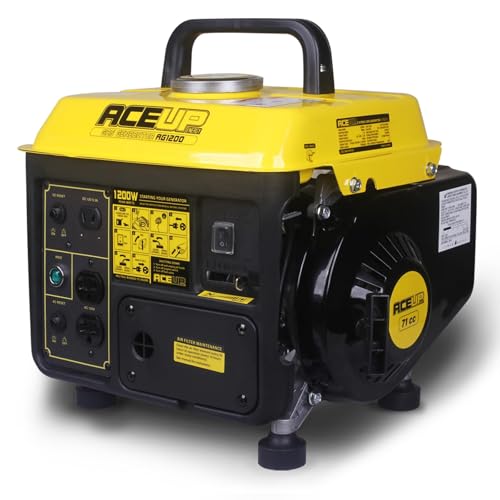
Aceup Energy 1,200W Gas Powered Generator
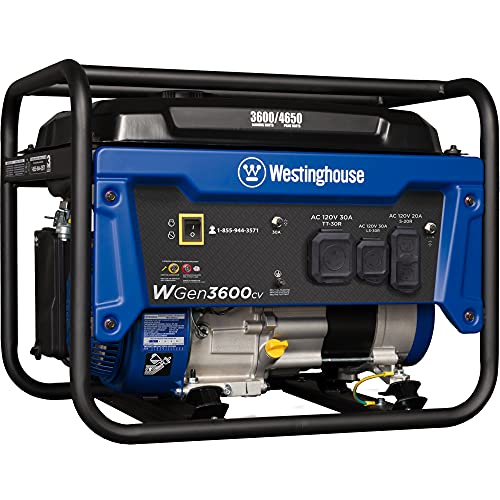
Westinghouse 4650 Peak Watt Portable Generator

WEN Quiet and Lightweight 4800-Watt RV-Ready Portable Inverter Generator (56477i)

DaranEner Portable Power Station, 192Wh LiFePO4 Battery Backup Solar Generator

WEN 6800-Watt Dual Fuel RV-Ready Electric Start Portable Inverter Generator (DF680iX)

PowerSmart 3600 Watt Portable Inverter Generator

Champion Power Equipment 4000-Watt Dual Fuel RV Ready Portable Inverter Generator
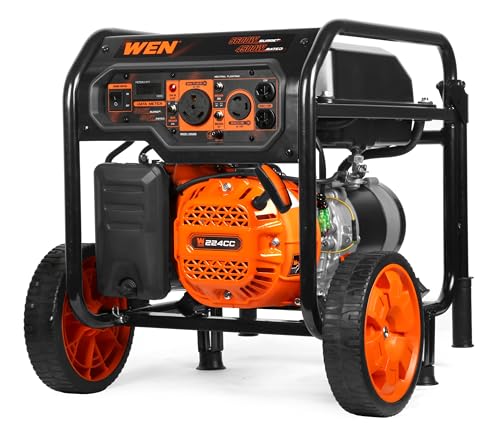
WEN 5600-Watt Portable Generator, 224cc, Transfer-Switch and RV-Ready (GN5600)
More Details On Our Top Picks
The small footprint makes this Aceup Energy model feel easy to stash in a garage corner or utility shelf, which matters more than people expect during a storm season. With 1,200 watts, it fits the kind of backup job that covers lights, charging, and a few essentials rather than an entire house. The honest read is that this is a practical starter machine, not a whole-home solution.
That narrower scope is exactly why it can work for apartments, townhomes, and first-time gas-generator owners who want a simple backup plan. The lighter format should also suit anyone who needs to move equipment in and out of storage without wrestling a heavy frame. Compared with the bigger WEN and Westinghouse picks, this one is about portability first.
Strong Points
- Small enough to store without taking over a garage bay.
- 1,200-watt output suits basic outage essentials.
- Gas power gives you familiar refueling for longer disruptions.
- Good match for casual home backup and light outdoor jobs.
Things To Consider
- It sits at the smaller end of this roundup, so heavy home loads are out of reach.
- Gas models need routine fuel handling and safe storage space.
- Very long runtime needs usually call for a larger unit.
Feature Card
Who It Suits Best
Newcomers who want a compact backup generator for basic home tasks will get the most from this one.
Where A Sibling Pick Shines
WEN 5600-Watt Portable Generator, 224cc, Transfer-Switch and RV-Ready (GN5600) suits homeowners who want a harder-working backup option for larger circuit coverage.
This Westinghouse model moves into a more flexible middle ground, which helps once your backup plan has to cover more than phone charging and a lamp. The RV-ready 30A outlet makes the setup more relevant for campers or homeowners who want a cleaner path to compatible gear. One thing worth considering is the larger footprint compared with the Aceup Energy unit.
That extra scale usually pays off for households that want a more capable gas generator without jumping to a very large frame. The CO sensor adds an extra layer of practical awareness, though you still need the usual sense around placement and ventilation. For most garages, it feels like a useful step up from the smallest pick without getting too complicated.
What We Like
- 4650 peak watts give you more breathing room for common backup loads.
- RV-ready 30A outlet broadens how you can use it.
- CO sensor adds a thoughtful safety-related feature.
- Gas format supports longer running sessions than a small battery pack.
Points To Note
- It is bulkier than the smallest portable option here.
- Gas upkeep means fuel storage and periodic maintenance matter.
- Owners with very quiet-neighborhood needs may prefer an inverter model.
Core Details
Made For
Homeowners and RV users who want one generator that covers both backup and travel-duty basics will appreciate this setup.
Another Choice May Suit
PowerSmart 3600 Watt Portable Inverter Generator fits quieter household use better, especially around shared living spaces and smaller loads.
Inverter generators usually make more sense for home use than basic open-frame units, because the power is easier to pair with electronics and shared living spaces. This WEN lands in that middle zone where output stays substantial but the form factor still feels manageable. The fuel shut-off feature is a nice maintenance-minded touch, especially for storage between outages.
Compared with the Westinghouse pick, this one leans harder into the quieter, cleaner-power side of the category. That makes it a strong fit for households that care about noise near neighbors or want a steadier setup for appliances with sensitive electronics. You may still find it larger than a small balcony-friendly backup, but the trade-off brings more capability.
Upsides
- Inverter design is friendlier for electronics than a basic generator.
- Quiet, lightweight positioning helps in suburban and RV settings.
- Fuel shut-off supports easier storage habits.
- 4800-watt capacity gives more room for everyday backup needs.
Room For Improvement
- It still takes space, so tiny storage areas may feel cramped.
- Inverter convenience usually costs more than a plain gas unit.
- Heavier households may still want something with stronger whole-home reach.
Details At A Glance
Right Fit For
Households that want quieter backup power for electronics, shared walls, or RV trips will appreciate this balance.
Look Elsewhere When
DaranEner Portable Power Station, 192Wh LiFePO4 Battery Backup Solar Generator suits indoor charging and very small emergency power needs better.
This DaranEner pick changes the conversation from gas backup to portable battery power, which is a useful shift for apartments, dorm-style setups, camping, or short indoor outages. The 192Wh battery, meaning 192 watt-hours of stored energy, is small by generator standards, but that also keeps the unit compact and easy to place on a desk or shelf. The LiFePO4 battery chemistry is a storage format known for steady everyday use, and it suits people who want a simpler power bank style setup.
Compared with the gas models above, it brings less total power but far less fuss. USB-C PD 60W fast charging is especially handy for laptops and modern devices, while the dual AC outlets cover small gear without dragging out extension chaos. For a tiny home office or emergency phone-and-router backup, that’s enough.
Bright Spots
- Compact battery station fits in small indoor storage areas.
- USB-C PD 60W supports modern device charging well.
- Two AC outlets cover a few key electronics at once.
- LiFePO4 battery type suits repeat use in routine backup roles.
Softer Spots
- 192Wh is modest, so your runtime expectations need to stay realistic.
- Peak output is much lower than the gas generators in this roundup.
- Best for small electronics, not larger household appliances.
Feature Rundown
Whose Shelf It Belongs On
Apartment dwellers, campers, and anyone who wants a quiet backup for devices rather than appliances will get the most from this one.
Swap It Out When
WEN Quiet and Lightweight 4800-Watt RV-Ready Portable Inverter Generator (56477i) is the better call for larger home loads and longer outage planning.
This WEN is the kind of generator that makes sense when you want fewer compromises and more ways to power the house. Dual fuel means it can run on two fuel types, which gives you planning flexibility during outages or in a garage setup where stored fuel choices matter. Electric start trims down the usual pull-cord effort, which is a small comfort until you need it.
Relative to the 4,800-watt WEN above, this model pushes farther into backup territory and feels better suited to bigger homes or more demanding use. The CO watchdog and fuel shut-off both point toward storage and operation that feel more thoughtful for regular ownership. It’s heavier-duty than the DaranEner station, and that’s the point.
Reasons To Buy
- Dual fuel flexibility gives you more planning room.
- Electric start makes startup easier than manual-pull units.
- RV-ready format supports travel and backup use.
- CO watchdog and fuel shut-off add useful operating cues.
- 6800 watts gives this pick stronger household reach.
Minor Gripes
- More capability usually means more weight and storage demand.
- Dual-fuel gear can feel more complex than a single-fuel setup.
- It’s overkill for simple charging-only backup.
Technical Sheet
Built With In Mind
Households that want a more capable backup unit with easier starts and flexible fueling will find this one well matched.
Where A Sibling Pick Shines
Champion Power Equipment 4000-Watt Dual Fuel RV Ready Portable Inverter Generator is a better fit for shoppers who want a lighter dual-fuel setup for less demanding spaces.
The PowerSmart pick feels tailored to regular household backup, especially where noise matters and storage space is at a premium. A stated 59 dBA sound level, meaning decibels on the A-weighted scale, places it in the quieter crowd for a generator, and that matters in neighborhoods where the machine sits close to windows or a shared fence line. The digital display makes day-to-day checking easier than on more bare-bones models.
Compared with the Champion and WEN dual-fuel picks, this one gives up fuel flexibility but keeps the setup simpler. Parallel ready support also matters, because it lets you pair two compatible units later for more output instead of replacing the whole machine. That makes it a sensible middle step for steady home backup.
Best Bits
- 59 dBA rating points to quieter operation.
- Eight-hour runtime suits longer stretches between refuels.
- Clean power output is friendly to sensitive electronics.
- Parallel-ready design leaves room to scale later.
- Digital display simplifies quick status checks.
Small Caveats
- Single-fuel setup is less flexible than dual-fuel options.
- Moderate output works best for shared essentials, not very large loads.
- Parallel plans only matter once you add a matching unit.
Spec Overview
Who Should Grab It
Shoppers who want quieter everyday backup power for a home office, apartment edge, or mixed household use will appreciate this fit.
Not Your Match When
WEN 6800-Watt Dual Fuel RV-Ready Electric Start Portable Inverter Generator is the better path for bigger outage coverage and fuel flexibility.
This Champion model sits in a sweet spot for someone who wants dual-fuel convenience without jumping to the heavier 6800-watt class. Quiet technology is a useful phrase here because it signals a more neighbor-friendly approach than basic gas units, which matters in backyards, campsites, and driveway setups. The free three-year warranty mention in the product name is also a signal that the brand expects buyers to keep it for the long haul, though ownership still depends on normal upkeep.
Compared with the PowerSmart pick, this one trades a few streamlined conveniences for dual-fuel flexibility. That trade can feel worth it for households that want to switch fuel sources based on storage habits or outage planning. It’s a thoughtful middle-tier option, not the most compact, and not the most powerful either.
Highlights
- Dual fuel gives you more than one fueling path.
- Quiet technology suits close-in residential use.
- RV-ready format extends the unit beyond home backup.
- Portable inverter design is friendlier for electronics than open-frame units.
- Midrange capacity fits many essential-home scenarios.
Areas To Watch
- Dual-fuel convenience comes with added setup complexity.
- It is not the smallest option for tight storage areas.
- Heavier energy needs may push you toward a larger inverter.
Core Details
Best Suited To
Shoppers who want a middle-ground inverter with dual-fuel flexibility and RV support will feel at home here.
Reach For A Different Pick When
PowerSmart 3600 Watt Portable Inverter Generator suits quieter daily backup planning better for households that value a simpler single-fuel setup.
This WEN feels aimed at homeowners who want their generator to plug more naturally into a backup plan instead of sitting as an emergency-only machine. The transfer-switch-ready design matters because it points toward direct household integration, which is a bigger step than running a few cords through a window. With 5,600 watts and a 224cc engine, it also carries more substance than the smaller Aceup Energy and battery-station picks.
That extra capability brings a little more weight and a little more commitment to storage and maintenance, so it suits a dedicated garage or shed better than a cramped closet. Compared with the Champion and PowerSmart inverters, this one leans toward straightforward utility over quieter finesse. The honest read is that it makes sense for households that want stronger backup structure, not a minimalist setup.
What We Like
- Transfer-switch readiness supports a cleaner home-backup path.
- 5600-watt output is well above the smallest units here.
- 224cc engine gives it a more substantial operating profile.
- RV-ready support widens its practical use.
- Good fit for households that want a more permanent backup plan.
Worth Noting
- More storage space is needed than for a compact portable unit.
- It lacks the quiet, refined feel of an inverter model.
- Routine fuel and maintenance habits matter more at this size.
Quick Facts
The Right Fit
Homeowners who want a sturdier backup generator and plan to connect it more directly to the house should focus here.
Swap It Out When
Aceup Energy 1,200W Gas Powered Generator works better for very small backup jobs and easier storage in tight spaces.
How To Choose The Right Affordable Generators For Home
Start With The Loads You Actually Need
The first question is not how much power sounds impressive, it’s what you want to keep running. A small 1,200-watt unit can cover lights and charging, while the 4,800 to 6,800-watt range gives you more room for bigger household essentials.
Transfer-switch-ready and RV-ready labels matter because they tell you how the generator fits into your setup. A transfer switch lets a generator feed selected home circuits more cleanly, while RV-ready means the outlet layout works better with compatible travel gear.
Match Fuel Type To Your Routine
Gas units suit longer outages and bigger jobs, especially when runtime and refill planning matter. Inverter generators usually bring cleaner power and lower noise, which helps around electronics, shared walls, and evening use.
Battery stations make sense for short, quiet backup and indoor-friendly charging, but they don’t replace a full gas generator. The trade-off is capacity, so your best pick depends on whether you want a few hours of calm support or a broader emergency tool.
Think About Storage, Noise, And Maintenance
A generator that fits your storage area gets used more often, and that’s half the battle. Compact models work well in apartments, while larger open-frame units usually need a garage or shed and a bit more care between uses.
Noise matters more than many people expect, especially in neighborhoods with close spacing. Fuel shut-off features, digital displays, and quieter inverter designs can make ownership smoother, even when the initial output numbers are lower.
Things Worth Knowing First
Wrong Turns To Avoid
One common mistake is shopping by wattage alone and forgetting outlet layout, fuel type, or storage space. Another is picking a machine that sounds strong but ends up awkward to move or too loud for the place you actually live.
Shortlist units around your real backup pattern, not a worst-case fantasy. A modest generator that gets used safely and often is more useful than an oversized one that lives in the corner.
When Paying More Pays Off
Higher-tier models usually cost more because they bring inverter electronics, dual-fuel flexibility, electric start, quieter operation, or easier home integration. Those upgrades matter most when you’re powering sensitive devices, planning regular outage use, or relying on the unit as part of a larger backup system.
That extra spend makes less sense for simple charging jobs or rare use in a small space. For households that face frequent outages or want smoother operation, the added convenience can feel well worth it.
Frequently Asked Questions
What size generator works for basic home backup?
Smaller units around 1,200 watts handle a few essentials, like lighting and device charging. Midrange picks with 3,600 to 5,600 watts cover more household needs.
Are inverter generators better for home use?
They usually run more quietly and are better suited to electronics. That makes them a strong fit for neighborhoods, shared walls, and mixed home loads.
What does RV-ready mean?
It means the outlet setup works well with compatible RV connections. The same feature can also help with certain home backup setups.
Is a battery station enough for outages?
A battery station works well for short, quiet support and small electronics. It does not replace a larger gas generator for heavier home loads.
Why do some generators have dual fuel?
Dual-fuel models can run on two fuel types, which gives you more flexibility during outages. That can be useful when storage habits or availability change.
Closing Thoughts
The right affordable generators for home use come down to your space, your noise tolerance, and how much of the house you want to support. A compact gas unit keeps the basics alive, an inverter gives you calmer power for electronics, and a battery station handles quiet short-term backup with less fuss. Once you match the machine to your routine, the decision gets much easier. Pick the one that fits your house, not the one that tries to do every job at once.
