

Power outages, RV trips, jobsite needs, and cabin weekends all ask for different kinds of backup. This roundup focuses on generators and a large power station that can keep essentials running without turning setup into a second job. You’ll see which picks lean quiet and portable, which favor whole-home readiness, and which make sense for longer runtimes or sensitive electronics. The right match depends on how much you need to power, how often you move it, and how much convenience you want to carry.
The Shortlist At A Glance

Jackery Explorer 2000 v2 Portable Power Station 2042Wh

PowerSmart 7000W Surge/6000W Rated Inverter Generator

AIVOLT 1600W Super Quiet Inverter Generator 28lbs

WEN 6800-Watt Dual Fuel RV-Ready Electric Start Generator
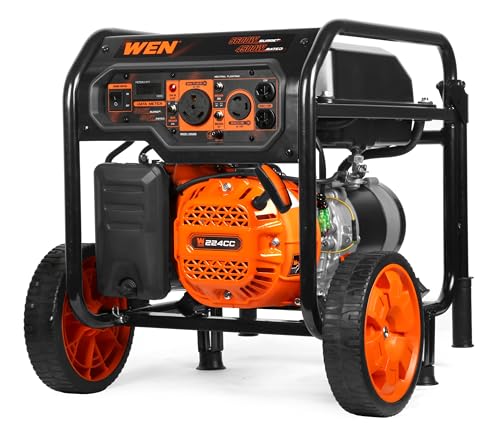
WEN 5600-Watt Portable Generator GN5600

Westinghouse 8200 Peak Watt Tri-Fuel Portable Inverter Generator

DuroStar DS13000MX 13,000-Watt 500cc Dual Fuel Generator

Westinghouse 9500 Peak Watt Dual Fuel Home Backup Generator
More Details On Our Top Picks
The Jackery makes sense when you want backup power indoors without engine noise or exhaust. Its 2042Wh battery is large enough for a serious mix of lamps, routers, phones, and other small essentials, while the 2200W AC output gives you more breathing room than a tiny travel unit. In a storm outage or a quiet campsite, that matters more than flashy styling.
The LiFePO4 battery chemistry, which uses lithium iron phosphate, is the kind of detail that usually appeals to long-term planners. Compared with the fuel units below, this one asks less from storage and maintenance, though you do trade away the easy refuel-and-run style of a gas generator.
Strong Points
- Three AC outlets make it easier to spread out essentials instead of leaning on one adapter strip.
- USB-C PD at 100W helps you top up newer laptops and phones without carrying a separate charger brick.
- Silent charging mode, rated under 30dB, suits bedrooms, office corners, and late-night power restoration.
- Seamless switchover in 20ms helps keep sensitive devices from blinking off during a brief outage.
- The LiFePO4 battery points toward long service life, which can suit you better than a short-term stopgap.
Things To Consider
- You still need enough charging time or solar input, so this is not the fastest answer for a hurried reset.
- Solar panels are optional, which means the full setup can take a little more planning.
- It supports essentials well, yet it does not replace the high-output feel of the larger fuel generators here.
Feature Rundown
Who It Suits Best
Households that want indoor-safe backup for phones, routers, lights, and laptop charging will get the most from this unit.
Where A Sibling Pick Shines
PowerSmart 7000W Surge/6000W Rated Inverter Generator suits you better when your backup plan needs a true fuel-powered output bump for heavier household loads.
This PowerSmart leans much closer to the traditional backup-generator job than the Jackery above. The electric start and dual-voltage setup, with both 120V and 240V available, make it easier to match common home and RV needs without juggling separate machines. For a garage or utility-area setup, that practicality stands out fast.
Because it’s an inverter generator, the power output is conditioned to be cleaner than a basic open-frame unit, which helps with sensitive electronics. The trade-off is the usual one for fuel-powered equipment, namely more storage, more routine attention, and more noise than a battery station.
What We Like
- 7000W surge capacity gives you room for startup spikes from larger appliances.
- 6000W rated output is better suited to steady household or RV backup than a tiny camping unit.
- Electric start takes some strain out of setup during bad weather.
- 120V/240V dual voltage broadens what you can connect.
- The inverter design is a better fit for electronics than a rougher utility generator.
Points To Note
- Fuel storage and upkeep are part of the package, so it asks for more attention than a battery option.
- It’s a larger, louder style of backup, which matters in tight neighborhoods or shared campgrounds.
- Without exact runtime details in the source, you’ll want to match it to your own load plan rather than guess.
Spec Overview
Built With In Mind
Homeowners and RV users who want a fuel-powered inverter with more voltage flexibility should find this a strong fit.
Look Elsewhere When
Jackery Explorer 2000 v2 Portable Power Station works better for apartment-friendly backup and quieter indoor use.
Portability is the AIVOLT’s main story, and the 28-pound figure makes that clear before you even think about wattage. It’s the kind of generator that suits car camping, quick tailgate use, or a backup plan you can lift without rearranging the whole garage. The quieter 57dBA rating also makes a difference in campsites where every extra hum feels louder than it should.
With 1260W running output, it sits well below the larger units in this list, so you should treat it as a light-duty power source rather than a full home solution. That smaller footprint helps you store it more easily, though you give up the reach needed for bigger appliances.
Bright Spots
- 28-pound weight makes this easier to carry than the larger fuel units here.
- 57dBA noise level is a friendlier fit for campsites and close quarters.
- Pure sine wave output, meaning a smoother power form, helps sensitive electronics behave more predictably.
- CO auto-shutoff adds a practical layer of protection for enclosed or semi-enclosed use.
- ECO mode for up to 8 hours helps stretch fuel use during lighter loads.
Areas To Watch
- Running output is modest, so it won’t replace the bigger home-backup models here.
- Light weight usually means lighter load capacity, which is exactly the trade-off here.
- Frequent users may want a larger tank or stronger output for longer weekends away from hookups.
Details At A Glance
Made For
Campers, van travelers, and homeowners who want a small backup unit for a few essentials will get the most from this pick.
Another Choice May Suit
WEN 6800-Watt Dual Fuel RV-Ready Electric Start Portable Inverter Generator suits you better for RV circuits and a wider home-emergency load.
Dual-fuel flexibility is the draw here, because being able to use gasoline or propane can make planning easier around storage and availability. The RV-ready angle gives this WEN a broader use profile than the smaller AIVOLT, while the electric start keeps daily handling less fussy. For a garage, campsite, or emergency corner of the house, that mix is practical.
The fuel shutoff is a small detail that matters during storage, since it can help you manage the carburetor side of ownership more cleanly. CO Watchdog, which refers to carbon monoxide sensing and response, adds another layer of caution, although you still need the usual common-sense placement and ventilation habits around any fuel generator.
Upsides
- Dual-fuel setup gives you more than one way to keep it running.
- Electric start helps during storm prep or late-night power recovery.
- RV-ready output makes it easier to pair with travel setups.
- Fuel shutoff is handy for storage-minded owners.
- Inverter design is a better companion for electronics than a rougher open-frame style.
Minor Gripes
- Dual-fuel convenience usually brings a bit more complexity than a single-fuel machine.
- It still needs routine fuel care, so it isn’t as low-maintenance as a battery station.
- Size and weight matter here, especially in tight sheds or RV compartments.
Core Details
Right Fit For
RV owners and households that want more fuel flexibility without jumping to the biggest frame in the list will like this balance.
Skip It When
AIVOLT 1600W Super Quiet Inverter Generator 28lbs is the better call for light, carry-anywhere camping power.
The GN5600 is the straightforward workhorse in this lineup, with a 224cc engine and a 5600-watt class that fits common household backup jobs. It does not chase fancy extras, and that’s part of the appeal, especially for someone setting up a transfer switch or keeping an RV ready without overcomplicating the garage shelf. In plain terms, it feels like a no-drama utility pick.
Compared with the dual-fuel WEN above, this one is simpler and less flexible, but that simplicity can be helpful for owners who want fewer decisions on maintenance day. It should suit you best when your backup setup stays fairly fixed and you want a familiar, predictable starting point.
Reasons To Buy
- 5600-watt class output fits many household backup needs.
- 224cc engine size suggests enough muscle for routine use without oversizing the machine.
- Transfer-switch readiness helps it slot into home backup plans more cleanly.
- RV-ready status broadens the use case beyond the house.
Softer Spots
- Single-fuel use limits flexibility compared with the dual-fuel options here.
- It lacks the inverter labeling of some sibling picks, so electronics-focused shoppers may want to compare more closely.
- Storage and upkeep still matter, which is normal for a conventional fuel generator.
Feature Snapshot
Whose Shelf It Belongs On
Homeowners who want a dependable, uncomplicated generator for transfer-switch backup will be in the right lane here.
A Better Fit Elsewhere
Westinghouse 8200 Peak Watt Tri-Fuel Portable Inverter Generator suits you better when fuel flexibility and cleaner output matter more.
This Westinghouse gives you a lot of flexibility in one frame, because tri-fuel means gas, propane, or natural gas support. That matters for long outages or homes that already have a natural gas setup, and the remote electric start adds a layer of convenience that’s easy to appreciate during bad weather. The inverter design, with low total harmonic distortion, is also a better fit for electronics than a rougher backup machine.
Parallel capability means you can connect another compatible unit later, which helps you scale without starting over. The trade-off is that the feature set is fuller, so setup and planning can feel more involved than the simpler WEN GN5600 or the smaller AIVOLT.
Best Bits
- Tri-fuel support gives you more flexibility than the single-fuel picks in this roundup.
- Remote electric start saves some hassle during storm conditions.
- Transfer-switch readiness helps it fit home backup setups more naturally.
- Low THD, or low total harmonic distortion, is friendlier to sensitive electronics.
- Parallel capability leaves room for future power expansion.
Worth Noting
- More fuel options also mean more planning around hoses, storage, and compatibility.
- Feature depth can make ownership feel less simple than the WEN 5600-Watt Portable Generator GN5600.
- It is a serious machine, so moving and storing it takes space and intention.
Technical Sheet
Perfect Match For
Homeowners planning for extended outages who want fuel flexibility and cleaner output should look closely here.
Swap It Out When
Jackery Explorer 2000 v2 Portable Power Station 2042Wh is the cleaner fit for quiet indoor backup and lighter loads.
The DuroStar sits in a different lane from the smaller generators here, because 13,000 watts and a 500cc engine point toward serious backup duties. That makes it a strong match for whole-home planning, especially where startup loads and multiple circuits need headroom at the same time. Remote electric start keeps the experience less clunky than you might expect from a machine this size.
Dual fuel adds flexibility, though the unit’s scale means you’ll want a fixed storage spot and a clear maintenance routine. For homeowners preparing for frequent outages or larger transfer-switch setups, the extra capacity can feel less like excess and more like margin.
Standout Traits
- 13,000-watt class output offers far more headroom than the 6,800 to 8,200-watt options above.
- 500cc engine size points to a bigger-duty build.
- Dual-fuel operation gives you gas or propane flexibility.
- Remote electric start makes a large generator easier to live with.
- Transfer-switch readiness supports whole-home style planning.
Small Caveats
- Its size asks for real storage space and a plan for moving it.
- It is more machine than many casual homeowners need.
- Fuel and upkeep requirements are part of owning a large portable generator.
Core Details
The Right Fit
Large-home owners who need substantial backup capacity for outages and circuit coverage will get the most value here.
Reach For A Different Pick When
Westinghouse 9500 Peak Watt Dual Fuel Home Backup Portable Generator suits you better when you still want strong backup but with a smaller footprint.
This Westinghouse sits neatly between the more compact choices and the heavier DuroStar. The 9500 peak watt class gives you a strong backup cushion, while dual fuel and electric start keep it easier to live with during weather-related outages. For many homes, that middle ground is the sweet spot, not too small to feel limiting and not so large that it becomes a storage project.
Transfer-switch readiness makes it more appealing for organized home backup, and the CO sensor is a welcome detail for common-sense operation. The trade-off is straightforward, because you still need fuel planning and regular storage habits, which is true for every machine in this fuel-powered half of the list.
Highlights
- 9500 peak watts gives you strong household backup headroom.
- Dual-fuel design adds flexibility for planning and storage.
- Electric start makes emergency use easier to handle.
- Transfer-switch readiness helps with house integration.
- CO sensor adds a useful safety-oriented feature set.
Room For Improvement
- It still takes fuel care and space, as all larger portables do.
- It is not as large as the DuroStar, so very heavy loads may point upward.
- Compared with the Jackery, it is louder and less suited to indoor-adjacent use.
Feature Card
Best Suited To
Homeowners who want a serious backup generator without jumping all the way to the largest frame will likely land here.
Where Shoppers Go Wrong
Jackery Explorer 2000 v2 Portable Power Station is the better route for quiet indoor power and lighter everyday loads.
How To Choose The Right 8000 Watt Generators
Match Output To Real Loads
Start with the things you actually want to keep running, not the biggest number on the box. A refrigerator, a router, a few lights, and a phone charger ask for a very different setup than a well pump, a sump pump, or central HVAC support. Inverter models can be a smarter fit for electronics because they condition power more cleanly, while traditional portables usually aim harder at raw output and simpler mechanics.
You also need headroom for startup surge, which is the brief power spike many appliances pull when they first turn on. That’s why a 6,000W rated generator can still matter more than a smaller unit with a glossy label. For whole-home planning, build around your most demanding circuit, then leave margin instead of pushing right to the edge.
Choose Fuel And Convenience With Your Space In Mind
Battery stations work well for indoor backup, apartment use, and quiet locations because they avoid fuel storage and engine noise. Fuel generators, on the other hand, suit garages, sheds, RV pads, and larger homes where runtime and refill flexibility matter more. Dual fuel and tri-fuel models add options, but they also add more planning around hoses, storage, and long-term care.
Electric start, remote start, transfer-switch readiness, and RV-ready outlets all sound small until you’re setting up in the dark. Those details save time and reduce frustration, especially during outages or travel days. You’ll feel the difference most when the weather is poor and you want the machine to be simple, not ceremonial.
Think About Noise, Maintenance, And Storage
Noise matters more than many shoppers expect, especially in neighborhoods, campsites, or close quarters with a house. Battery stations are almost always gentler on the ears, while fuel generators trade silence for longer run potential and faster refueling. A lower-decibel unit can be the difference between tolerable and irritating on a long evening outage.
Maintenance is the other piece that gets overlooked. Fuel models need storage discipline, periodic attention, and enough room to live comfortably, while battery stations need charging habits and temperature awareness. The best fit is the one you can actually keep ready without dreading the upkeep.
Things Worth Knowing First
Mistakes Worth Dodging
Shoppers often focus on peak watts alone and ignore the steadier rated output, which is the number that matters more over time. Another common miss is forgetting startup surge for appliances like fridges and pumps. The safe move is to list your actual loads before narrowing the field.
Storage and placement get overlooked too. Fuel generators need ventilation and sensible placement, while battery stations still need a charging plan and a dry spot. A good purchase can feel awkward fast when it does not fit the room you have.
The Upgrade Payoff
Higher-tier models usually cost more because they bring cleaner power, larger engines or batteries, and more flexible starting or fuel options. You also pay for stronger frames, transfer-switch support, quieter operation, and extra convenience such as remote start or better outlet layouts. None of those are decorative when a storm rolls in or a trip runs long.
Spending up makes the most sense when your backup plan is tied to real downtime, not casual novelty. Households with medical devices should work from professional advice, but any home that loses power often will usually appreciate the smoother operation and lower hassle. The upgrade pays off fastest when setup speed and reliability matter more than saving space.
Frequently Asked Questions
Are 8000 watt generators enough for a house?
They can cover several important circuits, depending on what you keep on at the same time. Larger homes or heavy loads may need a higher-capacity machine.
Is inverter power better for electronics?
Inverter generators usually provide cleaner output for sensitive gear. That makes them a better match for laptops, routers, and similar devices.
Should you choose dual fuel or single fuel?
Dual fuel gives you more flexibility around storage and availability. Single fuel can be simpler to manage if your needs stay straightforward.
Do battery stations replace fuel generators?
They fit quiet indoor backup and shorter runtimes very well. Fuel generators still make more sense for longer outages and heavier household demands.
What matters more, peak watts or running watts?
Running watts matter more for steady use because they show the load the unit can carry over time. Peak watts help with startup bursts from appliances.
Final Thoughts
The right generator depends less on one magic number and more on how you actually live. Quiet indoor backup points you toward the Jackery, flexible home and RV use points you toward the WEN and Westinghouse fuel models, and heavy whole-home coverage pushes you toward the DuroStar. Smaller camp-style needs are better served by the AIVOLT, which keeps weight and noise down. Choose the machine that fits your space, your storage habits, and the loads you plan to carry, and you’ll feel better about it the first time the power goes out.
