

Backup power gets a lot more real once the lights go out, the fridge starts warming, or a weekend trip needs more than a phone charger. These eight picks cover that gap from battery-based home backup to gas-powered options for RV travel, job sites, and outage planning.
You’ll see a mix of quiet inverter units, higher-output portable generators, and one large power station that suits indoor-safe backup use. The right match depends on whether you need clean power for electronics, steadier output for appliances, or a simpler setup for camping and emergencies.
Quick Look At The Shortlist

Jackery Explorer 2000 v2 Portable Power Station 2042Wh
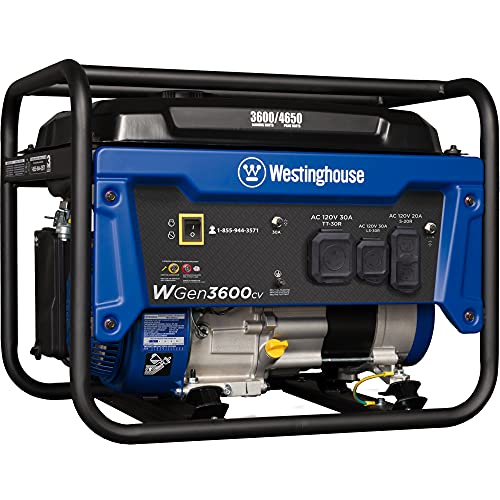
Westinghouse 4650 Peak Watt Portable Generator

Oxseryn Power Equipment 4400 Watts Inverter Generator

WEN 3600-Watt Portable Inverter Generator (56360i)

AIVOLT 4300W Inverter Generator 3450W Running

WEN Quiet and Lightweight 4800-Watt RV-Ready Portable Inverter Generator (56477i)

PowerSmart 4300 Watt Portable Generator with Inverter Technology

LIFAN 3500W Compact Gas Inverter Generator
More Details On Our Top Picks
For apartment backup, van travel, or a quiet guest room setup, this power station feels more flexible than a fuel-burning unit. The 2042Wh battery gives you enough stored energy for a serious run at essentials, while the three AC outlets and 100W USB-C PD port make it easier to charge mixed devices without adapters crowding the setup.
The LiFePO4 battery, a lithium iron phosphate chemistry known for long service life, is the part that makes this model feel built for the long haul. The trade-off is that you’re carrying a large power station rather than a lighter grab-and-go box, so it suits people who value indoor-safe backup and low noise more than bare-minimum portability.
Strong Points
- 2200W AC output supports a useful spread of household gear.
- 2042Wh capacity gives you room for longer outage management than small packs.
- USB-C PD 100W helps top up modern devices without extra bricks.
- Silent charging mode keeps noise low for bedrooms or late-night work.
- 20ms transfer speed helps keep sensitive gear from dropping during a switchover.
Things To Consider
- Size and weight matter here, so it’s not the easiest choice to move often.
- Solar panels are optional, so off-grid charging depends on the setup you already have.
- The higher-capacity format suits planning and storage more than spur-of-the-moment carry use.
Feature Snapshot
Who It Suits Best
People who want indoor-friendly backup for outages, remote work, or calm camping will get the most out of it.
A Better Fit Elsewhere
Westinghouse 4650 Peak Watt Portable Generator suits you better for outdoor-first emergency power, especially where fuel runtime matters more than quiet operation.
This one leans into gas-powered backup instead of battery convenience, so it makes sense for garages, outdoor storage, and RV trips where refueling is part of the plan. The RV-ready 30A outlet matters because it supports a more direct hookup path than a bare household outlet layout, which is useful in travel setups.
The included CO sensor adds a practical layer for outdoor use, since carbon monoxide monitoring is a real concern around combustion equipment. The honest read is that it suits people who value established generator behavior and a more traditional backup workflow, while the trade-off is the noise, fuel handling, and maintenance that come with that choice.
What We Like
- 4650 peak watts gives you more headroom for startup surges.
- RV-ready 30A outlet supports cleaner hookup for travel rigs.
- CO sensor adds a useful layer of monitoring for outdoor operation.
- Gas power keeps runtime tied to fuel you can store separately.
Minor Gripes
- Fuel storage and regular upkeep are part of ownership here.
- It’s better suited to outdoor placement than indoor convenience.
- Noise is the natural trade-off versus inverter or battery options.
Core Details
Who Should Grab It
You’ll like this most for RV travel, outdoor backup storage, and homes that already keep gasoline on hand for emergency use.
Swap It Out When
Jackery Explorer 2000 v2 Portable Power Station fits better for indoor backup and quieter overnight use.
The open-frame build places this squarely in the practical gas-generator lane, but the inverter design gives you cleaner output than a basic construction-only unit. That matters for campers or home users who want to run electronics without stepping all the way up to a premium enclosure.
ECO mode, a load-based throttle setting that adjusts engine demand to the task, can help the generator work more calmly during lighter use. One thing worth considering is that open-frame units usually take a little less effort to live with than full-size heavy-duty models, though they still bring the normal fuel, noise, and upkeep routine.
Upsides
- 4400 watts gives you a usable middle ground for backup and travel.
- Inverter design suits electronics better than a plain open-frame build.
- ECO mode can reduce unnecessary engine strain during lighter loads.
- RV-ready framing makes it easier to think about campsite use.
Areas To Watch
- Open-frame construction usually means more noise and exposure than enclosed inverter units.
- Gas upkeep still applies, including storage, refueling, and periodic checks.
- The form factor is less discreet than compact battery backup options.
Details At A Glance
Perfect Match For
This suits campers, emergency planners, and utility-minded homeowners who want inverter behavior without moving into the highest-output class.
Look Elsewhere When
WEN Quiet and Lightweight 4800-Watt RV-Ready Portable Inverter Generator works better for you if cleaner enclosure design and a bit more output matter more than open-frame simplicity.
Compared with the bigger gas units in this list, this WEN keeps the footprint more manageable for smaller storage spaces and easier loading. The RV-ready setup makes sense for travelers who want straightforward portable power without carrying a heavier open-frame machine.
Fuel shut off is a useful ownership detail because it helps clear the carburetor area before storage, which can reduce headaches after a season of irregular use. That small maintenance-friendly touch makes it a smart fit for people who use a generator now and then rather than every week.
Bright Spots
- 3600 watts is enough for a practical portable setup without going oversized.
- Lightweight framing helps make loading and storage less awkward.
- Fuel shut off supports easier post-use storage routines.
- RV-ready design suits compact travel and weekend backup use.
Points To Note
- More output-heavy appliances may push it closer to its limits.
- Gas-generator upkeep still applies, even with the easier storage feature.
Spec Overview
The Right Fit
This suits weekend campers, tailgaters, and homeowners who want a lighter generator that’s easier to store between uses.
Where A Sibling Pick Shines
WEN Quiet and Lightweight 4800-Watt RV-Ready Portable Inverter Generator suits you better when extra output matters more than compact size.
This AIVOLT lands in the middle of the gas inverter group with a practical running rating and a camping-friendly shape. The 60dBA noise rating, a sound level measure often used for generators, suggests a quieter experience than rougher open-frame models, which helps around campsites or shared outdoor spaces.
The clean power claim is important for electronics because inverter generators regulate output more carefully than basic conventional units. The trade-off is that this remains a gas machine with the usual refueling and maintenance demands, so it suits people who want quieter travel power but still expect generator chores.
Reasons To Buy
- 3450W running power covers a practical range of camping and backup tasks.
- 60dBA rating points to a calmer experience than louder utility models.
- Less than 3% THD means the output is shaped for sensitive electronics.
- CO shutoff and parallel readiness add useful flexibility for real-world use.
- ECO mode helps the engine ease up during lighter demand.
Small Caveats
- Gas upkeep still belongs on your checklist after each season of use.
- Parallel readiness matters only with a matching setup, so it’s not instant extra power on its own.
- The 5.5-hour ECO figure is a specific use case, not a blanket runtime promise for every load.
Feature Rundown
Whose Shelf It Belongs On
This fits campers and homeowners who want cleaner generator power without jumping to a bulkier, louder frame style.
Not Your Match When
Jackery Explorer 2000 v2 Portable Power Station fits better for indoor-safe backup and quieter overnight power.
This WEN steps up the output compared with the smaller inverter models above, which makes it more attractive for heavier emergency loads and RV use. You still get the cleaner inverter style, so it stays more electronics-friendly than a plain open-frame generator.
Quiet operation and fuel shut off make the ownership experience more forgiving than on many larger gas units. That said, it’s still a substantial generator, so your storage area and handling plan need to fit the size before the extra output starts to matter.
Positives
- 4800 watts gives you more breathing room for startup loads.
- Inverter design suits mixed electronics and appliance use.
- Quiet framing helps lower the strain around campsites or yards.
- Fuel shut off makes longer storage simpler to manage.
- RV-ready setup keeps travel use in the picture.
Worth Noting
- Its larger output comes with a larger physical footprint.
- Gas maintenance still applies, so periodic care matters.
- The extra capacity may be more than casual weekend use requires.
Feature Card
Built With In Mind
You’ll get the most from this in RV setups, outage planning, or home backup situations that need more headroom than the smaller WEN model.
Another Choice May Suit
WEN 3600-Watt Portable Inverter Generator (56360i) works better for you if compact storage and lighter carrying matter more than extra wattage.
PowerSmart gives you a familiar portable-generator formula with inverter technology and a 30A outlet, which makes it easier to picture in home backup planning. The 223cc four-stroke engine is a meaningful clue here, since engine size often tracks how comfortably a generator handles routine loads and startup demand.
For a garage-kept emergency unit, that balance can make sense, especially when you want a more grounded gas option than a battery station. The catch is that the usual gas-generator chores still apply, so this fits people who are fine with refueling and periodic maintenance in exchange for broader standby coverage.
Highlights
- 3500W rated output lines up well with common emergency circuits.
- Inverter technology improves the fit for electronics and mixed loads.
- 30A outlet supports more direct home or transfer-style planning.
- 223cc engine gives the machine a more substantial powertrain feel.
Room For Improvement
- The gas format adds storage and upkeep tasks you need to plan for.
- It is less convenient than a battery unit for indoor-friendly use.
- Size and handling will matter more than they do with smaller portable units.
Core Details
Whose Shelf It Belongs On
This suits homeowners who want a standby gas generator with a more electronics-friendly output style.
Reach For A Different Pick When
Jackery Explorer 2000 v2 Portable Power Station fits better for quiet, indoor-safe backup in apartments or tightly shared spaces.
LIFAN keeps the footprint compact, which is exactly what matters in RV storage bays and smaller garages. The pure sine wave output is a useful detail, since that waveform is smoother than rougher generator power and tends to suit electronics more comfortably.
The 3000W running rating and ECO mode make this feel tuned for lighter travel loads rather than big household backup. One thing worth considering is that it fits best when portability and tidy packing matter more than raw wattage.
Best Bits
- Compact design makes travel storage easier to manage.
- Pure sine wave output is a strong fit for electronics.
- 3000W running power covers lighter RV and campsite needs.
- ECO mode helps the engine ease up during smaller loads.
- Parallel readiness leaves room for future expansion.
Areas To Watch
- Lower running power means it is not the broadest backup option here.
- Gas upkeep still belongs in your ownership routine.
- The compact build is helpful, but it leaves less headroom than larger models.
Quick Facts
The Right Fit
This belongs with RV travelers, campers, and storage-conscious households that want compact emergency power.
Skip It When
WEN Quiet and Lightweight 4800-Watt RV-Ready Portable Inverter Generator fits better for you when more output matters than compact packing.
How To Choose The Right 3500w Generators
Start With Your Power Style
The biggest split in this category is battery versus gas. A power station like the Jackery Explorer 2000 v2 makes sense for indoor backup, quiet rooms, and electronics-heavy use, while gas models suit longer runtimes and heavier appliances outdoors.
That choice shapes everything else, from sound to storage to maintenance. A homeowner in an apartment often values clean, quiet operation more than raw runtime, while a camper or RV traveler usually cares more about refueling flexibility.
Match Output To Real Loads
Wattage tells you how much the generator can handle, but the useful question is what you plan to run at the same time. A 30A outlet, a 2200W AC output, or a 3500W running rating each points to a different kind of load profile.
Think in terms of startup draw and steady draw. A fridge, a router, a CPAP-style bedside setup, and a few lights ask for something very different from a microwave or power tools, so your shortlist should follow the load, not the label.
Think About Noise, Storage, And Care
Quiet inverter units are easier to live with around campsites and neighborhoods, while open-frame models usually trade hush for simpler construction and more muscular output. Fuel shut off, ECO mode, and low-noise operation matter because they change the ownership routine, not just the spec sheet.
Storage also matters more than many shoppers expect. A compact generator fits a garage shelf more easily, while a larger unit needs a defined spot, a fuel plan, and some willingness to deal with periodic maintenance.
Choose Features That Solve A Real Problem
USB-C PD 100W is useful because it lets you charge modern devices without hunting for an extra brick. Parallel readiness helps only when you expect to expand later, and a CO sensor matters most in outdoor gas use where monitoring is part of the setup.
That’s the practical way to shop this category: map each feature to a real habit, not a headline. The right model feels obvious once you know whether you need quiet backup, trailer power, or a sturdier emergency engine.
What To Weigh Before You Commit
Wrong Turns To Avoid
One common mistake is chasing watts without checking how you’ll store and move the unit. A generator that looks generous on paper can become annoying fast if it’s too heavy for your garage shelf or campsite routine.
Another is ignoring noise and power quality. Rough output can be fine for simple tools, but it’s a poor match for electronics, while a loud machine can turn a useful backup into a nuisance.
The Upgrade Payoff
Higher-tier models usually cost more because they package cleaner inverter output, better fuel control, quieter operation, and more polished portability. Those details matter most for frequent use, shared camping spaces, and homes that want backup power without a lot of hassle.
Paying up makes sense when the generator will live close to your daily routine. For occasional emergency storage, a simpler model can be enough, but for repeated use the convenience features usually earn their keep.
Frequently Asked Questions
What Does 3500W Mean In Real Use?
It usually points to a midrange portable generator that can cover common essentials, not an entire house. The exact load still depends on whether you’re running startup-heavy appliances or lighter electronics.
Are Inverter Generators Better For Electronics?
Yes, inverter models usually provide smoother output, which suits laptops, phones, and similar gear better. That doesn’t make them magic, but it does make them the safer fit for mixed-device setups.
Is A Battery Power Station Better Than Gas?
Battery stations are quieter and easier to live with indoors. Gas models usually bring longer runtime and a simpler refill routine, especially outdoors.
Do I Need RV-Ready Outlets?
RV-ready outlets matter most for campers and trailer owners who want a more direct hookup path. Home users without a trailer can skip that feature and focus on output, noise, and storage instead.
What Feature Helps The Most During Storage?
Fuel shut off is helpful for gas units because it makes shutdown and storage cleaner. For battery models, capacity and charging method matter more than long-term fuel care.
Final Thoughts
The best 3500w generators for your setup depend on how you actually live with power, not just how much of it the label promises. A quiet battery station makes sense for indoor backup, while gas inverter models fit campsites, RVs, and emergency storage better. The strongest choice is the one that matches your space, your noise tolerance, and the gear you plan to keep running. Once those three line up, the rest gets much easier.
