

When your generator needs a fresh battery, the real question is fit, not flash. You want the right voltage, the right case style, and enough reserve to handle a cold start without turning a simple job into a weekend project.
This roundup focuses on seven replacement-style batteries that suit generator backup, powersports, and related standby use. Some lean traditional, some are lighter or maintenance-free, and a few are better for specific equipment families than for a broad 26r search.
The Shortlist At A Glance

PowerStar 12V 18Ah Sealed Lead Acid Battery

Mighty Max Battery MM-G26 Group 26 12V 45Ah 80RC 540 CCA

Mighty Max Battery 12V 35Ah GEL Replacement Battery

TYKOOL 12180-G LiFePO4 Powersports Battery
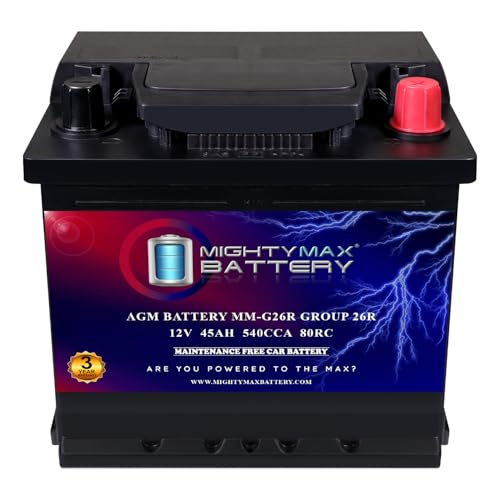
Mighty Max Battery MM-G26R Group Size 26R 12V, 45Ah, 80RC, 540 CCA

Mighty Max Battery 12V 26Ah INT Replacement Battery

Generac 0D4575 Generator Compatible Battery 12V 35Ah NB BW12350-NB
More Details On Our Top Picks
This PowerStar battery makes sense for smaller generator setups and backup systems that need a straightforward 12V sealed lead acid replacement. The sealed format keeps maintenance light, and the 18Ah rating points to modest backup use rather than heavy-duty runtime.
Compared with the larger Group 26 and 26R options in this roundup, it’s the more compact, less demanding choice. The honest read is that you benefit most when your equipment calls for this exact size and you want a simple swap without extra fuss.
Strong Points
- Sealed lead acid construction keeps routine upkeep low.
- 12V format fits common backup equipment needs.
- Smaller size works well in tighter battery compartments.
- Good match for light generator-start or UPS use.
Things To Consider
- 18Ah is better for lighter-duty jobs than extended runtime.
- Fit depends on exact case and terminal match.
- It’s less versatile than the Group 26 choices here.
Feature Snapshot
Who It Suits Best
You’ll get the most from this pick in a small generator bay or backup unit that asks for a modest 12V sealed battery.
A Better Fit Elsewhere
Mighty Max Battery MM-G26 Group 26 12V 45Ah 80RC 540CCA suits you better for a more substantial cranking setup and a broader 26-size replacement need.
This Group 26 Mighty Max lands in the middle of the pack in a useful way, with 45Ah, 80RC, and 540CCA giving it more muscle than the smaller 18Ah option. CCA, or cold cranking amps, tells you how much starting power the battery can deliver in cold conditions, which matters more than most people expect on a chilly morning.
That extra capacity helps in equipment that needs a stronger burst at startup, though it also means you should check the tray dimensions before assuming a fit. For homeowners who want a classic lead-acid replacement for a broader set of 26-size applications, this one feels well judged.
What We Like
- 45Ah gives you a more substantial reserve than compact alternatives.
- 540CCA supports stronger startup demand.
- Group 26 sizing helps with common replacement matching.
- Useful for equipment that sits unused between outages.
Room For Improvement
- Lead-acid batteries are heavier than lithium-style options.
- Exact terminal layout and case dimensions still need confirmation.
- The higher capacity is more than small backup units require.
Core Details
Who Will Love This
You’re the best match for this one if you want a familiar 26-size battery with enough output for tougher starting jobs.
Swap It Out When
PowerStar’s 12V 18Ah Sealed Lead Acid Battery fits you better for smaller backup systems that don’t need this much capacity.
GEL batteries use a thickened electrolyte rather than the free-flowing liquid you see in many standard lead-acid designs, and that usually makes them feel calmer in stationary equipment. Here, the 35Ah size sits in a middle zone that suits generator users who want a replacement with a little more reserve than the smallest backup battery.
The Generac 0D4575 fit note is the biggest reason to focus on this model, because specific compatibility matters more than broad category labels. You may find it the neatest choice when your equipment list points directly to this form of battery and you want low-fuss ownership.
Upsides
- GEL construction suits steady, low-maintenance use.
- 35Ah offers more reserve than entry-level backup batteries.
- Compatibility with Generac 0D4575 narrows the fit search.
- Works well for generator users who value simple upkeep.
Softer Spots
- GEL batteries can cost more than plain flooded designs.
- Best results depend on matching the intended equipment.
- Not as light as the LiFePO4 option in this roundup.
Details At A Glance
Right Fit For
You’re in the sweet spot for this battery when your generator model calls for a 35Ah GEL replacement and you want straightforward upkeep.
Where A Sibling Pick Shines
Generac 0D4575 Generator Compatible Battery 12V 35Ah NB BW12350-NB fits you better when you want an AGM-style match with the same model-specific focus.
This TYKOOL pick feels different from the lead-acid batteries above because LiFePO4, or lithium iron phosphate, tends to trim weight while keeping a modern power profile. The built-in BMS, meaning battery management system, adds control circuitry that helps govern charging and discharge behavior, which matters in smaller installs and mixed-use backup setups.
With 360CCA and 8Ah, the shape of the trade-off is clear, stronger starting output in a lighter package, but less raw capacity than the Group 26 options. That makes it a smart-looking fit for compact generator starting roles, especially where space and weight matter more than long reserve time.
Bright Spots
- LiFePO4 chemistry keeps the battery light for handling and mounting.
- Built-in BMS adds electronic control inside the pack.
- 360CCA gives it useful starting strength for its size.
- Compact 8Ah format suits tighter equipment spaces.
Areas To Watch
- 8Ah is a smaller reserve than the lead-acid models here.
- Compatibility should be checked carefully before installation.
- That lighter build is the trade-off for less capacity.
Technical Sheet
Built With In Mind
You’re the best match for this battery when you want a lighter generator-start option and your setup values compact dimensions more than long runtime.
Look Elsewhere When
Mighty Max Battery MM-G26 Group 26 12V 45Ah 80RC 540CCA fits you better for heavier reserve needs and a more traditional replacement style.
The 26R version matters because the terminal orientation can make or break a clean install, especially in cramped trays. With the same 45Ah, 80RC, and 540 CCA figures as the Group 26 model, this one serves you better when the equipment specifically asks for the reverse-post layout.
That detail sounds small, but in a generator bay it can save you from awkward cable routing and unnecessary strain on the leads. For anyone replacing an older 26R battery, this is the more exacting fit of the two Mighty Max group-size choices.
Reasons To Buy
- 26R layout helps with reverse-post compatibility.
- 45Ah reserve supports longer standing readiness.
- 540CCA gives solid startup support.
- Works well where cable reach is limited.
Points To Note
- Only a good match for equipment that needs 26R terminals.
- Lead-acid construction means more weight than lithium alternatives.
- Still worth measuring the tray before fitting.
Feature Card
The Right Fit
This suits you best when your equipment calls for a Group 26R battery and you want a familiar lead-acid replacement with decent reserve.
Skip It When
Mighty Max Battery MM-G26 Group 26 12V 45Ah 80RC 540CCA is the better call for you when the tray wants standard 26 placement instead of reverse terminals.
This 26Ah Mighty Max sits between the tiny 18Ah PowerStar and the larger 35Ah generator batteries, which makes it a sensible middle-ground for some compact systems. The S26R compatibility note tells you it’s aimed at a specific replacement path, so the value is in fit as much as in size.
For a narrow battery compartment or a lighter backup setup, that smaller footprint can be exactly what you need. The trade-off is simple: you give up reserve capacity to gain easier handling and a cleaner physical match.
Best Bits
- 26Ah is a practical middle size for compact systems.
- Smaller footprint can help in tighter spaces.
- Suitable for replacement work around Exide S26R compatibility.
- Less bulky than the Group 26 and 26R picks.
Small Caveats
- Reserve is lower than the 35Ah and 45Ah options.
- Fit still depends on exact terminal and tray details.
- Less compelling for heavier generator-start demands.
Core Details
Whose Shelf It Belongs On
You’re the right match for this battery when your equipment needs a modest 12V replacement and the tighter case size matters.
Where Another Pick Suits Better
Bright Way Group Generac 0D4575 Generator Compatible Battery 12V 35Ah NB BW12350-NB is a better fit for you when the generator calls for a model-specific AGM replacement and a bit more reserve.
Bright Way Group keeps this one close to the equipment it’s meant for, and that matters in generator replacements where fit is non-negotiable. The battery uses sealed lead acid, or SLA, and AGM, short for absorbent glass mat, which usually means a spill-resistant build and a maintenance-light routine.
With 12V, 35Ah, and the listed NB terminal style, it lines up as a direct-minded option for Generac 0D4575 owners. Compared with the Mighty Max 35Ah GEL model, this one appeals more to the person who wants the AGM route and a battery built around that exact generator match.
Highlights
- Direct compatibility note keeps the search focused.
- AGM design supports a sealed, maintenance-light setup.
- 35Ah reserve suits generator-start duties well.
- Listed dimensions help confirm fit before installation.
- Factory-fresh build is aimed at consistent performance.
Honest Caveats
- Exact fit still depends on terminal and tray match.
- Weight may matter in cramped or awkward installs.
- The specific NB style narrows compatibility.
At A Glance
Perfect Match For
You’re best served by this battery when you want a replacement aimed directly at the Generac 0D4575 with AGM-style ownership and clear size data.
A Better Fit Elsewhere
Mighty Max Battery 12V 35Ah GEL Replacement Battery suits you better if you want a GEL build and the same middle-capacity zone without the Generac-specific wording.
How To Choose The Right 26r Battery For Generator
Match The Battery To The Equipment, Not The Label
Start with the generator manual or the old battery’s case markings. Group size, terminal layout, voltage, and physical dimensions matter more than the broad 26r phrase, because a close-looking battery can still sit wrong in the tray.
12V is the common baseline here, but reserve capacity and cranking power separate a light backup battery from a more serious starting option. The right match saves you from cable strain, awkward mounting, and returns caused by a simple fit mismatch.
Learn The Three Numbers That Matter Most
Ah, or amp-hours, tells you how much reserve the battery can store, while CCA shows how much starting punch it can deliver in cold weather. RC, reserve capacity, gives a rough sense of how long the battery can support light load before dropping off.
In plain terms, more Ah helps with standing readiness, more CCA helps with engine start, and RC sits between them as a useful endurance clue. For daily standby use, you’ll usually want a balanced mix instead of chasing the biggest number in one column.
Choose The Chemistry That Fits Your Routine
Sealed lead acid, GEL, AGM, and LiFePO4 each come with a different ownership feel. Sealed lead acid keeps things familiar, GEL leans toward steadier maintenance-light use, AGM usually offers a sealed build, and LiFePO4 tends to be lighter with a more modern control package.
The trade-off is never one-sided. Lighter batteries often give up reserve, and larger lead-acid batteries usually ask for more weight and bulk, so your choice should reflect how often the generator needs to start and how much room you have to work with.
Think About Access, Storage, And Handling
A battery in a tight generator bay benefits from clear terminal access and manageable weight. That matters in real life, especially in a garage, basement, or utility shed where you want a clean swap rather than a wrestling match.
Storage also plays a part. A battery that sits unused for long stretches should still match the equipment’s charging setup and be easy to inspect, because reliability usually comes from the fit between battery, charger, and use pattern.
Things Worth Knowing First
Hidden Buying Traps
The most common mistake is treating 26r like a catch-all label. It isn’t, because terminals, dimensions, and chemistry can vary enough to make an install awkward or impossible.
Another slip is choosing capacity that sounds impressive but outgrows the equipment’s needs. A compact backup system usually does better with a battery that fits cleanly and charges the way the generator expects.
When Paying More Pays Off
Higher-tier batteries usually cost more because of chemistry, build quality, and fit precision. LiFePO4 packs bring lighter weight and internal control hardware, while model-specific AGM and GEL batteries often justify their place through better matching and easier ownership.
That upgrade makes sense for frequent outages, cramped installations, or equipment that benefits from a cleaner, more exact replacement. For a seldom-used generator, a simpler lead-acid option often gives you the right balance without extra complexity.
Frequently Asked Questions
What does 26r mean in a generator battery search?
It points to a battery group and orientation that helps narrow fit. The exact tray size and terminal layout still need to match your equipment.
Is higher Ah always better?
Higher Ah gives more reserve, but it also tends to mean a larger battery. Your generator only benefits when the case size and charging setup can handle it.
Do AGM and GEL batteries need different care?
Both are sealed styles, so routine upkeep stays light compared with flooded batteries. The bigger difference is how they behave in a given equipment setup and how closely they match the intended replacement.
Why does CCA matter for a generator battery?
CCA shows how much starting power the battery can deliver, especially in cooler conditions. That matters when the generator needs a firm burst to get moving.
What should you check before replacing an old battery?
Check voltage, group size, terminal layout, and physical dimensions first. Then match the chemistry to the way your generator or backup system is used.
Closing Thoughts
For a 26r Battery For Generator search, the best choice is the one that fits the tray, matches the terminals, and gives you the right mix of reserve and starting power. The PowerStar and Mighty Max lead-acid picks make sense for familiar standby use, while the TYKOOL LiFePO4 option stands out for lighter handling. Bright Way Group’s Generac-specific battery is the most direct match for that model family. Choose the battery that lines up with your equipment first, and the rest gets much easier.
