

Backup power feels different once the lights go out and the fridge, router, or sump pump starts depending on one machine. This roundup focuses on 20 kW generators and nearby alternatives for homes, cabins, RV use, and job sites where steady output matters more than flashy extras. You’ll see whole-house standby units, dual-fuel and tri-fuel models, and portable power stations that suit quieter spaces or lighter backup needs. The goal is simple, help you match the machine to the way you actually live.
Quick Look At The Shortlist

Jackery Explorer 2000 v2 Portable Power Station 2042Wh 2200W AC Output

Champion Power Equipment 2500-Watt Ultralight Portable Inverter Generator
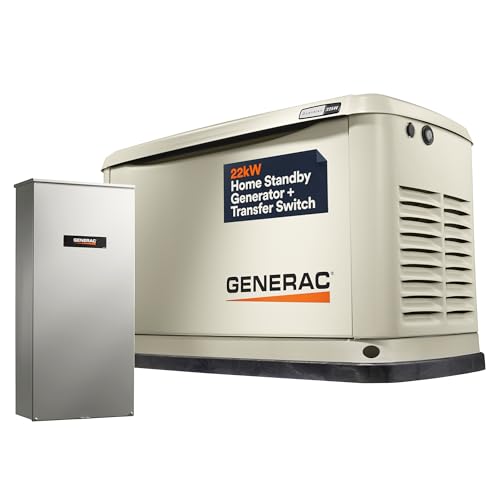
Generac Guardian 22kW Home Generator Transfer Switch WiFi Monitoring

Westinghouse 28000 Peak Watt Home Backup Portable Generator Blue
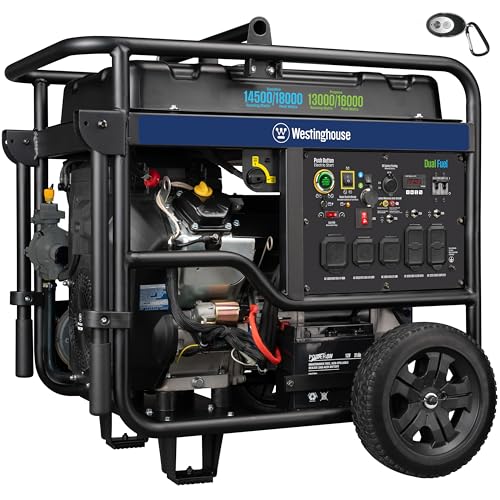
Westinghouse 18000 Peak Watt Dual Fuel Home Backup Portable Generator

Jackery HomePower 3600 Plus Portable Power Station with 2X 200W Solar Panels

Westinghouse 28000 Peak Watt Tri-Fuel Home Backup Portable Generator

DuroMax XP15000HX 15000-Watt Dual Fuel Portable Generator
More Details On Our Top Picks
The appeal here is the mix of stored battery capacity and clean indoor-friendly operation. With 2042Wh, which is the amount of energy the battery can hold, and 2200W AC output across three outlets, this unit suits short outages, weekend cabin use, and camping setups that need more than a phone charger.
The LiFePO4 battery chemistry, a long-life lithium iron phosphate design, matters because it usually handles frequent charging better than many older battery types. The trade-off is obvious, you’re buying a heavy-duty power station rather than a small grab-and-go pack, so it makes most sense when you want quiet backup without engine noise.
Strong Points
- USB-C PD 100W support helps you charge laptops and modern devices without hunting for a separate adapter.
- Silent Charging mode drops noise below 30 dB, which suits bedrooms, apartments, and late-night use far better than a gas unit.
- 20 ms switching keeps essentials powered through brief interruptions, so a modem or small medical device setup is less likely to drop out, depending on the load.
- Solar input can shorten recharge time for off-grid routines, which is handy for cabins and emergency kits.
Worth Noting
- It won’t replace a full standby generator for central air or large electric appliances.
- Solar charging depends on panel setup and weather, so real-world recharge time can vary quite a bit.
- The unit makes more sense as a serious backup hub than as a simple portable charger, so storage space matters.
Feature Rundown
Who Will Love This
You’ll get the most from this pick if you want quiet emergency power for a condo, home office, or campsite and don’t need fuel storage.
A Better Fit Elsewhere
Generac Guardian 22kW Home Generator suits whole-house backup better, especially for homes that need automatic transfer and a fixed installation.
For camping trips, tailgates, or a backup unit you can move without a struggle, this one keeps the footprint sensible. At 39.7 lb, it stays in the range many people can lift into a truck bed or storage shelf without much drama.
The clean-power inverter design is the part that matters most for electronics, because inverter output is steadier than basic generator output. The trade-off is capacity, since 1850 running watts is enough for lighter household needs and outdoor gear, not for a home that expects central backup service.
What We Like
- 53 dBA operation is quiet enough to feel less intrusive in a campsite or shared backyard.
- The low weight makes transport and seasonal storage far easier than with the larger home backup machines in this list.
- CO Shield auto shutoff adds an important layer of carbon monoxide sensing for use around living spaces and garages.
- Up to 11.5 hours of run time gives you a long stretch for light-duty use, though the actual length depends on load.
Points To Note
- It sits well below the heavy home-backup units here in raw output.
- Single-unit portability is good, but you still need fuel handling and regular maintenance.
- The smaller frame is better for mobility than for whole-house ambitions.
Spec Overview
Built With In Mind
This fits campers, tailgaters, and homeowners who want a lightweight backup source for small appliances and device charging.
Skip It When
Westinghouse 28000 Peak Watt Home Backup Portable Generator makes more sense for a house that needs much higher output and transfer-switch-ready coverage.
This is the clearest whole-house option in the group, and the 22kW rating puts it squarely in the territory where lighting, refrigeration, HVAC components, and other hardwired loads can be managed through a transfer switch. Unlike the portable units above, this one is built for a fixed backup role rather than weekend movement.
WiFi monitoring adds useful visibility from inside the home or from away, which matters when storms roll in and you want status without walking outside. The trade-off is installation commitment, so this suits homeowners who are ready for a permanent setup and want backup power that behaves more like part of the house than a spare appliance.
Highlights
- Automatic transfer means your backup system can take over without the awkward handoff that portable units require.
- The 22kW size is a strong match for larger homes with multiple critical circuits.
- WiFi monitoring supports remote status checks, which is useful during storm season or travel.
- Natural gas or propane flexibility gives you fuel planning options that many portable models do not offer.
Areas To Watch
- Installation is a serious project, not a simple garage setup.
- Space and permitting needs can be part of the planning process for many homes.
- The fixed nature of the system makes it less suitable for renters or anyone who needs mobility.
Core Details
Who Should Grab It
This belongs with homeowners who want a permanent, large-capacity standby setup for frequent outages or storm-prone areas.
Another Choice May Suit
Jackery HomePower 3600 Plus Portable Power Station fits better for space-limited homes that want quieter indoor-friendly backup with solar support.
Portable in name, serious in output, this Westinghouse model is built for homes that want more muscle than a compact inverter unit can provide. Remote electric start and auto choke make it easier to bring online from a distance, which helps during bad weather or late-night outages.
The 30A and 50A outlet mix gives you more connection flexibility than the smaller units in this roundup. The trade-off is size and fuel use, so it suits a garage, driveway, or utility area where a large frame isn’t a problem.
Bright Spots
- Transfer-switch-ready outlets make it easier to tie into a home backup setup.
- The remote start saves a walk outside when conditions are rough.
- CO sensor support adds a useful safety-oriented feature for residential use.
- Both 30A and 50A outlets broaden what you can connect.
Small Caveats
- Its footprint is better suited to homeowners with storage space and a fixed parking spot.
- Gas-powered operation means refueling and upkeep stay part of ownership.
- For lighter camping use, the Champion inverter generator is a better fit because it’s much easier to move.
Details At A Glance
Whose Shelf It Belongs On
This fits homeowners who want a high-output portable unit for whole-home style backup and have room to store and move it.
Reach For A Different Pick When
DuroMax XP15000HX 15000-Watt Dual Fuel Portable Generator makes more sense for someone who wants a slightly smaller dual-fuel frame with easier placement.
This model sits in a useful middle ground, with enough output for substantial home backup while staying less imposing than the bigger 28,000-watt unit above. Dual fuel support means you can choose gas or propane, which helps when fuel storage habits or local conditions make one option easier than the other.
Remote electric start and transfer-switch readiness make it a practical home-facing machine rather than a campsite toy. The honest read is that you’re still managing a large gas-class generator, so it rewards planning, storage space, and routine upkeep.
Reasons To Buy
- Dual-fuel flexibility gives you a backup plan when one fuel source is harder to manage.
- Remote start keeps setup simpler during outages and poor weather.
- Transfer-switch readiness points it toward real home backup use.
- The output level suits larger loads without pushing into the heaviest frame in the group.
Oft-Missed Trade Offs
- You still need a place to store fuel safely and keep maintenance on schedule.
- It is not the easiest option to move by hand, so permanent placement helps.
- For quiet indoor-style backup, a battery unit like Jackery Explorer 2000 v2 makes a calmer fit.
Feature Snapshot
Best Suited To
You’ll appreciate this if you want a serious backup generator for a house, garage, or workshop and want fuel flexibility without stepping up to the biggest frame here.
Look Elsewhere When
Generac Guardian 22kW Home Generator fits better for homeowners who want automatic standby operation and don’t want to manage a portable-style setup.
Compared with the smaller Jackery unit earlier in the list, this one is built for a much more serious home backup role. The 3600W AC output and 3584Wh battery capacity give you a larger reserve, and the included 2x 200W solar panels add a practical charging path for longer outages or off-grid routines.
The expandable design is the detail that changes the conversation, because up to 21kWh of total capacity puts it in a different class of preparedness. The trade-off is cost and scale, so this makes sense for households that truly want a central battery system rather than a simple portable power box.
Best Bits
- Large base capacity supports longer backup windows for essential home loads.
- Solar panel pairing gives you a ready-made charging path without extra planning.
- Expandable storage lets you grow the system as your backup needs change.
- Quiet, fuel-free operation works well indoors or in spaces where exhaust is a concern.
Softer Spots
- It asks for more upfront commitment than the smaller portable stations.
- Physical size and component count make storage and setup less casual.
- For a simple camping pack, the Champion ultralight generator is much easier to carry.
Core Details
The Right Fit
This suits households and RV owners who want a large battery backup system with solar support and room to expand later.
A Better Fit Elsewhere
Westinghouse 18000 Peak Watt Dual Fuel Home Backup Portable Generator fits better for someone who wants fuel-powered backup without building a battery-first setup.
Flexibility is the whole story here. Gas, propane, and natural gas support gives you more ways to keep a large backup generator ready, which matters in storm zones where fuel access can change quickly.
Remote electric start and transfer-switch readiness place it in the same home-backup lane as the other large Westinghouse unit, but the extra fuel choice nudges it toward households that want a broader plan. The trade-off is still the same size-and-maintenance reality that comes with high-output portable generators.
Upsides
- Three fuel options give you more room to adapt to supply conditions.
- Remote start keeps the startup routine simple.
- Transfer-switch readiness makes it a logical fit for planned backup use.
- The high output suits households that need serious power reserve.
Minor Gripes
- More fuel paths also mean more planning around connections and storage.
- It still asks for plenty of space, so compact garages will feel tight.
- For lighter-duty portability, the Champion inverter model is easier to live with.
Technical Sheet
Made For
This is a strong match for homeowners who want a high-output portable generator with the widest fuel flexibility in this roundup.
Swap It Out When
Generac Guardian 22kW Home Generator fits better for a fixed, automatic whole-house backup setup that stays ready without manual movement.
This one lands in a practical middle zone, with enough output for serious backup planning without moving into the bulkiest class in the roundup. Gas and propane support keep it flexible, and remote electric start helps during outages where you’d rather stay near the house than wrestle with a pull-start routine.
The transfer-switch-ready design and whole-home backup positioning make it a real contender for emergency use, especially for homeowners who want a portable unit with substantial reserve. The honest trade-off is that it still asks for fuel management and enough storage room to keep a large frame accessible.
Positives
- Dual-fuel support gives you a practical backup path.
- Remote electric start simplifies startup.
- Transfer-switch readiness helps with home integration.
- The 15,000-watt class is substantial without reaching the heaviest category here.
Things To Consider
- Fuel and maintenance still need regular attention, like any large portable generator.
- It’s less convenient for casual moving than the compact inverter option.
- For quieter battery backup, Jackery Explorer 2000 v2 is the calmer choice.
Feature Card
Right Fit For
You’ll like this most if you want a large portable generator for emergency home backup and want dual-fuel flexibility.
Where A Sibling Pick Shines
Westinghouse 28000 Peak Watt Tri-Fuel Home Backup Portable Generator suits you better if natural gas compatibility matters more than keeping the package simpler.
How To Choose The Right 20 Kw Generators
Match Output To Your Loads
Start with the appliances and circuits that matter during an outage, not with the biggest number on the page. A 20 kW-class home backup unit makes sense for households that want more than lights and a fridge, while a portable inverter or battery station fits lighter essential loads.
Voltage, starting surge, and running wattage all matter, because motors and compressors often need more power to start than to keep moving. That’s where the larger standby units earn their place, while compact options stay better for smaller task lists.
Choose The Fuel Path You Can Maintain
Gas, propane, and natural gas each bring different storage and convenience realities. Propane stores well for long periods, natural gas works nicely for fixed home setups, and gasoline is common but usually needs more attention over time.
Dual-fuel and tri-fuel models add flexibility, though that flexibility also adds planning. For a homeowner in a storm zone, the extra choice can be worth it; for a weekend camper, it may just add complexity.
Think About Installation And Placement
Portable generators still need a safe, dry spot and enough distance from living areas, while standby systems ask for professional-style planning, transfer equipment, and permanent outdoor placement. The machine you can actually place correctly is usually the one that makes sense in daily life.
Noise matters too. Battery stations stay quiet and fit apartments, patios, and indoor-adjacent spaces more comfortably, while gas units belong outdoors where exhaust and maintenance are easier to manage.
Look Past The Wattage Label
Battery capacity, outlet type, outlet count, and charging speed shape real ownership far more than the headline number alone. A 22kW standby generator and a 3600W battery station solve different problems, even though both sit in the backup-power conversation.
Pay attention to transfer-switch readiness, remote start, WiFi monitoring, and solar compatibility because those details shape how smoothly the machine fits into your routine. The right choice usually feels less like a gadget and more like part of the house.
Things Worth Knowing First
Wrong Turns To Avoid
Many shoppers chase peak watts and ignore running watts, which leads to disappointment once real loads are connected. Another common miss is forgetting fuel storage, because a large generator is only useful when the fuel plan is practical.
It also helps to think about where the unit will live. A heavy portable generator that has nowhere sensible to sit becomes a headache fast, especially in tight garages or small utility areas.
Where The Extra Money Goes
Higher-tier models usually spend more on capacity, transfer hardware, monitoring, and fuel flexibility. That can mean a true standby installation, quieter operation, or battery storage that behaves better indoors and during overnight outages.
The upgrade pays off when your home depends on more than a few outlets. For a household that needs comfort, continuity, and easier handoff during storms, the added cost can make the setup feel much less improvised.
Frequently Asked Questions
What size generator works for a home emergency?
For basic essentials, a smaller portable inverter or battery station can cover the essentials. For larger homes, a 20 kW-class standby unit is the more realistic fit.
Is dual fuel better than gas only?
Dual fuel gives you a second fuel path, which helps during shortages or storage planning. Gas-only models can still be a smart choice when simplicity matters more than flexibility.
Can a power station replace a standby generator?
A power station works well for quiet backup and smaller loads. It usually does not replace a fixed standby generator for whole-house coverage.
Why does WiFi monitoring matter?
WiFi monitoring lets you check status without going outside, which is handy during storms or travel. It adds convenience rather than power, so think of it as an ownership aid.
Do portable generators need much upkeep?
Yes, fuel handling, storage, and periodic attention are part of the package. Battery stations ask for less day-to-day maintenance, though they still need sensible charging habits.
Closing Thoughts
Your best match depends on whether you need quiet battery backup, flexible portable power, or a true whole-house standby system. The small Jackery models suit lighter emergency use, the Westinghouse and DuroMax portables cover larger homes with more manual involvement, and the Generac Guardian stands apart for fixed backup coverage. Once you line up fuel, space, and the loads you actually care about, the choice gets much clearer. The right generator should feel prepared long before the next outage does.
