

Finding the right converter or adapter matters more than it sounds, especially when your campsite power, house outlet, or storage setup doesn’t match your rig. The wrong cord can leave you with a frustrating fit, extra strain on the plug, or a setup that feels awkward every time you hook up.
This roundup focuses on compact adapters, dogbone cords, surge protection, and replacement power converters for camper owners who want a cleaner daily setup. You’ll see which picks suit short weekend stops, long stays, and older RV systems that need a careful replacement.
Quick Look At The Shortlist
Camco PowerGrip Adapter 15M/30F (55223)

Camco Camper/RV Dogbone Electrical Adapter 15A to TT-30R (55165)

POWGRN RV 30 Amp to 110 Adapter Cord 12 Inch Yellow

RVGUARD 30 Amp to 110 Volt RV Adapter Cord with Locking Connector

suplife WF-8955-MBA 55 Amp Power Converter
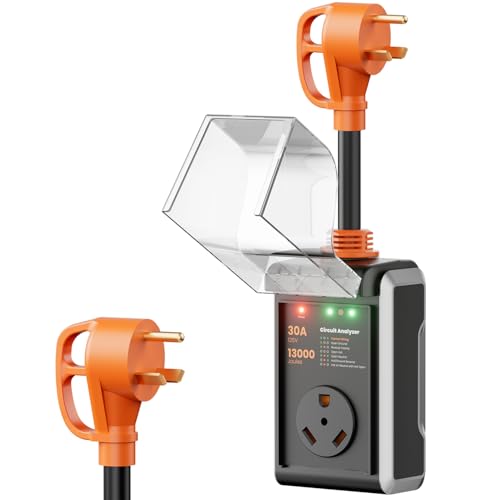
CRTBETLIF RV Surge Protector 30 Amp 13000J

Ficstar 30 Amp to 110 Volt RV Adapter Cord

Xmnbl WF-9855 55 Amp Power Converter 2026 Upgrade
More Details On Our Top Picks
Camco’s PowerGrip shape makes the first item feel like a practical staple rather than a plain plug adapter. The contoured body helps you get a firmer hold during setup and removal, which matters on wet mornings or when the cord is tucked into a tight bay.
Its 15M to 30F layout fits the common job of stepping from a standard 15-amp source to a 30-amp RV connection. That makes it useful for garage charging, driveway stays, and campgrounds where the outlet situation is more modest than your rig’s shoreline needs.
What We Like
- Contoured body gives you a steadier grip during unplugging and rehooking.
- 15-amp male to 30-amp female format covers a common campground workaround.
- Compact adapter shape stores easily in a service bin or side compartment.
- 125-volt, 1875-watt rating matches the expected use for light-duty power bridging.
Small Caveats
- It’s an adapter, not a full power-management solution, so it stays focused on connection handling.
- The shorter body can still leave the cord layout a bit crowded in some outlet locations.
Feature Snapshot
Who It Suits Best
Weekend campers and driveway users who want a straightforward 15-to-30 amp bridge will get the most from this one.
Where A Sibling Pick Shines
Camco Camper/RV Dogbone Electrical Adapter 15A to TT-30R (55165) suits you better when the copper-wire build and PVC-jacketed cord matter more than a rigid adapter body.
This Camco dogbone adapter is the more flexible sibling to the rigid PowerGrip piece above. The 12-inch cord gives you a little breathing room between the source outlet and the RV inlet, which can make a cramped hookup feel less strained.
The copper 10/3-gauge wiring and PVC jacket point to a more cord-like setup, and the 90-degree strain-relief heads help reduce bend stress where cords often wear first. Campers who hook up often, or who park in spots where the outlet angle is awkward, usually appreciate that sort of detail.
Highlights
- 12-inch cord length adds space between the outlet and your RV connection.
- Copper 10/3-gauge conductors suit regular adapter duty with a sturdier feel.
- PVC outer jacket helps the cord hold up to routine handling and storage.
- 90-degree strain relief heads reduce awkward cable bending at the ends.
- 15A male to TT-30R female layout fits common campground and home-style use.
Worth Noting
- The 12-inch format is handy, though a longer cord would suit wider spacing better.
- Its corded design takes a bit more space in a storage bin than a simple plug adapter.
Core Details
Built With In Mind
You’ll get the most from this adapter in everyday hookup situations where cord management matters as much as compatibility.
Swap It Out When
Camco PowerGrip Adapter 15M/30F (55223) makes more sense for you when you want the simplest rigid plug format and don’t need the extra cord section.
POWGRN keeps the footprint short at 12 inches, and that makes a real difference beside a crowded pedestal or a packed utility bay. The yellow jacket also makes the cord easier to spot, which helps in a dim campground corner or a busy driveway setup.
The listing calls out both 5-15P to TT-30R and 14-50P to TT-30R forms, so the line is aimed at more than one common connection pattern. That kind of flexibility is useful for campers who move between different shore power arrangements and want one compact cord in reach.
Bright Spots
- 12-inch length keeps the adapter easy to stow and quick to deploy.
- Yellow outer finish improves visibility around dark cords and gear piles.
- Outdoor-heavy-duty framing suits regular campsite handling better than a thin household cord.
- STW cord type points to a serviceable build for power-adapter use.
- Dual connector mention broadens the range of connection scenarios.
Areas To Watch
- The short cord is tidy, though it leaves less slack around awkward outlet placement.
- Compact storage is easy, but you’ll want to coil it neatly so the ends don’t snag.
Technical Sheet
Whose Shelf It Belongs On
You’ll like this most for short, clean hookups where compact storage matters just as much as the connection itself.
Look Elsewhere When
RVGUARD 30 Amp to 110 Volt RV Adapter Cord with Locking Connector suits you better when a locking end and LED feedback matter more than a simple compact cord.
Compared with the simpler cords above, RVGUARD leans into a locking connector and a built-in LED indicator. That combination is helpful in the kind of setup where you want a firmer plug feel and a quick visual cue that the connection is live.
The 12-inch length keeps it compact, and the green color makes it easy to spot in a bin or beside a campsite pedestal. For storage-minded campers, that can feel like a small mercy, because the cord is less likely to disappear into a tangle.
Positives
- Locking connector adds a more secure feel at the plug end.
- LED indicator gives you a simple visual check during hookup.
- 12-inch cord stays compact for shelves, bins, and front compartments.
- NEMA 5-15P to L5-30R layout fits a common adapter scenario.
- Green housing stands out quickly among other cables.
Room For Improvement
- The locking style is useful, though it adds a little more hardware at the end.
- Short length keeps things tidy, but it won’t suit wider spacing between outlets and rigs.
- LED feedback helps at a glance, yet the cord still needs ordinary handling and storage care.
At A Glance
Right Fit For
Campers who want a compact cord with a more secure plug feel and easy visual feedback will gravitate here.
Another Choice May Suit
Ficstar 30 Amp to 110 Volt RV Adapter Cord suits you better when you want a more straightforward dogbone style with a grip handle and 12/3 gauge construction.
This one shifts from adapter territory into actual power-converter replacement, so the use case is much more specific. It suits campers with a WF-8955PEC setup who need a matching 55-amp unit and care about keeping the electrical side aligned with the original system.
The three-stage smart charge approach is the important part here, because that usually means the converter is built to manage charging in more than one step rather than staying in a single constant mode. For owners of lead-acid battery systems, that detail can be the difference between a neat replacement and a mismatched substitute.
Reasons To Buy
- Designed as a direct replacement path for compatible WF-8955PEC setups.
- 55-amp rating fits heavier converter replacement needs than the adapter-style picks.
- Three-stage charging approach suits lead-acid battery systems that use staged charging.
- Useful for campers repairing or refreshing an older power center.
Softer Spots
- It’s a replacement converter, so compatibility checks matter more than with a corded adapter.
- The fit is narrower and more technical than the general-use picks above.
- Installation can be more involved than a simple plug-and-play cord swap.
Details At A Glance
The Right Fit
You’ll appreciate this most if your camper already uses the WF-8955 family and you want a targeted replacement path.
Reach For A Different Pick When
Camco Camper/RV Dogbone Electrical Adapter 15A to TT-30R (55165) makes more sense for you when your need is a simple power bridge rather than a converter replacement.
Unlike the simple adapters earlier in the list, this one adds surge protection and circuit analysis to the hookup process. That matters for RV parking spots where you want a little more visibility before you trust the pedestal and plug in your gear.
The waterproof cover is a practical touch for outdoor use, especially when your setup sits in weather that changes fast. Campers who spend time at seasonal sites or travel often will usually value the extra check before power reaches the rig.
Standout Traits
- Surge protection adds a layer beyond basic cord adaptation.
- Circuit analyzer function gives you a quicker read on the power source.
- Waterproof cover helps the housing better suit outdoor conditions.
- 30-amp format fits many standard RV hookups.
Things To Consider
- It’s more involved than a plain adapter, so setup takes a little more attention.
- Extra features also mean a slightly bulkier item to store and carry.
- Routine inspection of the cover and plug area helps keep the unit tidy in daily use.
Quick Facts
Made For
You’ll get the most out of this pick at campsites where you want more oversight before connecting your RV.
Skip It When
POWGRN RV 30 Amp to 110 Adapter Cord 12 Inch Yellow fits you better when you just need a short, simple cord without the extra protection layer.
Ficstar lands in the same general lane as the Camco dogbone adapter, but it brings a grip handle and LED indicator into the mix. That makes it feel a little more user-friendly for repeated hookups, especially in low light or at a campsite where gear is constantly moving around.
The 12/3 gauge build is the other notable detail, since wire gauge tells you the conductor thickness, and thicker conductors are often favored for this kind of adapter role. For most campers, that translates into a sturdier feel in hand and less fuss when you’re managing the cord after a long day on the road.
Best Bits
- Grip handle makes plugging and unplugging feel more controlled.
- LED indicator helps you confirm power status at a glance.
- 12/3 gauge construction suits regular RV adapter use.
- Dogbone shape keeps the cord easy to route around tight spots.
Points To Note
- Extra features add a bit of bulk compared with the plainest plug adapters.
- Short cord format stays compact, though it still needs tidy coiling for storage.
Core Details
Best Suited To
You’ll like this most if you want a compact adapter that feels easier to grab and manage at the plug end.
Another Choice May Suit
Camco Camper/RV Dogbone Electrical Adapter 15A to TT-30R (55165) suits you better when you want Camco’s copper 10/3-gauge cord and PVC-jacketed layout instead of this model’s grip-handle approach.
Like the suplife converter above, this is a replacement-focused power unit rather than a campsite adapter. The 55-amp class and WF-9855-AD compatibility make it a targeted fit for RV trailer and camper owners working within the 9800 series family.
The appeal here is breadth, not flash. You get a replacement path for a specific converter family, and that’s usually what matters most when you’re restoring a setup and want the new piece to line up with the old one.
What We Like
- Built around WF-9855-AD replacement needs.
- 55-amp rating suits converter replacement use in compatible rigs.
- Works within the RV trailer and camper 9800 series context.
- Useful for owners who want a more targeted replacement part.
Honest Caveats
- Compatibility deserves close checking before you commit to a replacement.
- It’s a system part, so installation is more involved than a cord adapter.
- Storage and handling matter during installation, especially around wiring access.
Feature Rundown
Perfect Match For
You should look here if you need a specific 9800-series replacement and want a 55-amp converter that lines up with that family.
Look Elsewhere When
RVGUARD 30 Amp to 110 Volt RV Adapter Cord with Locking Connector is the better fit for you when your need is a simple cord adapter instead of a converter replacement.
How To Choose The Right 30 Amp Converters For Camper
Match The Connector Type To Your Setup
Start with the plug shape and the direction of the connection. A 15M to 30F adapter, a 5-15P to TT-30R cord, and a replacement converter all solve different problems, even though they sit in the same search bucket.
That’s why the source side matters as much as the RV side. A campground pedestal, a household outlet, and an internal power center all demand different hardware, and forcing the wrong piece into service usually creates clutter instead of convenience.
Choose Between A Rigid Adapter And A Corded Dogbone
Rigid adapters, like the Camco PowerGrip, stay small and simple. Corded dogbones give you a little separation between outlets and the rig, which helps where spacing is awkward or the plug angle feels cramped.
The trade-off is storage and handling. A short cord takes more room than a plug-only block, while the block-style piece can feel less forgiving in tight spaces.
Look At Wire Size, Material, And Grip
Wire size matters because it hints at how substantial the cord feels in daily use. Copper conductors and thicker gauge numbers usually suit RV adapter duty better than a thin, flimsy cord, especially for repeat hookups.
Grip features also help. A contoured body, a handle, or a locking end can make unplugging less awkward, which is a small comfort after a long drive or late arrival.
Decide Whether You Need Simple Power Or Extra Protection
Some setups only need a clean bridge from one plug type to another. Others benefit from an LED indicator, a circuit analyzer, or surge protection, especially at older pedestals or unfamiliar sites.
Extra features usually bring extra bulk and more to inspect, so they make the most sense when you travel often or want a little more feedback before you trust the connection.
Things Worth Knowing First
Where Shoppers Go Wrong
The easiest mistake is matching only the amp rating and ignoring the connector family. A 30-amp label does not mean every item does the same job.
Another common miss is buying a compact piece for a setup that really needs cord length. Short adapters are tidy, but they can feel cramped beside awkward outlets or crowded bay doors.
The Case For Spending Up
Higher-tier units usually bring thicker wire, better strain relief, locking hardware, or added monitoring features. That extra material and extra functionality costs more to build, which is why the price step tends to show up in the cord end or the power center itself.
The upgrade makes sense when you hook up often, store gear in rougher conditions, or depend on the part for a more permanent setup. For occasional weekend use, a simpler adapter often does the job without extra complexity.
Frequently Asked Questions
What does a 30 amp converter do for a camper?
It bridges power between different plug styles or replaces a converter module inside an RV power system. The exact job depends on whether you are dealing with an adapter cord or an internal converter part.
Do you need a dogbone adapter or a converter replacement?
A dogbone adapter helps you connect one power source to another plug format. A replacement converter belongs inside a compatible RV power center and serves a different role.
Why does wire gauge matter on adapter cords?
Wire gauge tells you the conductor thickness, which influences how substantial the cord feels and how well it suits regular adapter use. Heavier-gauge cords are often favored for repeated RV hookups.
What is a locking connector good for?
A locking connector helps the plug stay seated more securely during use. That can be helpful in busy campsites or in spots where cords get nudged around.
Should you add surge protection to a 30 amp setup?
Many campers like the extra visibility and protection features, especially at unfamiliar power pedestals. A basic adapter works for simple bridging, but a surge protector adds a more cautious layer to the hookup process.
Closing Thoughts
Your best choice depends on whether you need a simple bridge, a more secure cord, or a true converter replacement. The Camco adapters make sense for straightforward everyday hookups, while the RVGUARD, Ficstar, and POWGRN cords add little details that improve handling. The surge protector suits you when source checks matter, and the WF-8955-style replacements belong with owners working inside a compatible converter family. Pick the part that matches your rig first, then worry about the extras.
