

Factory radios can sound fine until you want a subwoofer or external amp, then the signal path gets messy fast. The right 2 channel line output converter turns speaker-level output into a usable RCA feed, so your upgrade feels cleaner and less fussy to wire. That matters in daily commutes, older vehicles, and systems where the head unit stays in place. You also want the right balance of simplicity, noise control, and adjustment range.
Quick Look At The Shortlist
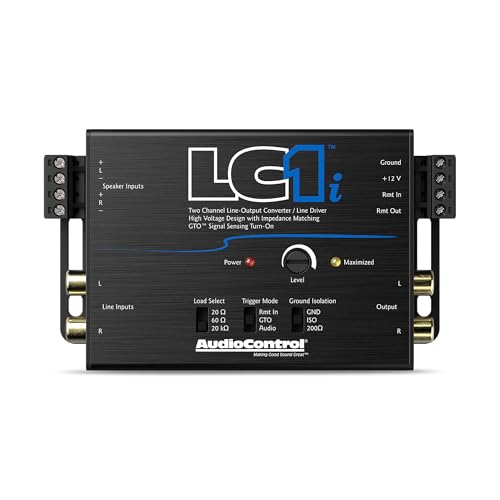
AudioControl LC1i Active 2-Channel Line Driver & Line Output Converter

Skar Audio SKAR2CH-LOC 2-Channel Speaker Wire to RCA Line-Out Converter

RECOIL ALOC2 2-Channel Speaker Cable to RCA Line Output Converter

DS18 V2HL.V2 Hi/Lo Converter 2-Channel with Speaker Emulator

CT Sounds CT-LC2 2-Channel Premium Line-Out Converter with BassLift

AccuBASS 2-Ch Line Out Converter Kit, LC2iPro Processor and 17ft Oxygen Free RCA Cable

Skar Audio SKE2LOC 2-Channel Active Line Output Converter
More Details On Our Top Picks
AudioControl’s LC1i suits factory systems that need a cleaner handoff to an amplifier or subwoofer. The active design and impedance matching matter because they help the signal behave more predictably than a bare-bones converter, especially in older cars with picky factory outputs.
The honest read is that this feels aimed at careful installs, not casual tinkering. For a daily driver where you want to keep the OEM head unit, that extra signal control can make the whole upgrade feel less temperamental.
Strong Points
- Active circuitry gives you more controlled signal handling than a simple passive box.
- Impedance matching helps the factory source and aftermarket amp speak the same language.
- Well suited to subwoofer additions in vehicles where the original radio stays put.
- Cleaner integration can reduce the trial-and-error feeling during setup.
Things To Consider
- It asks more of the install than a basic speaker-wire-to-RCA converter.
- People looking for a bare-minimum adapter may find the approach more involved.
Feature Snapshot
Who It Suits Best
Car audio hobbyists and installers who want a more deliberate factory-to-amp transition will get the most from this one.
A Better Fit Elsewhere
Skar Audio SKE2LOC is the more relaxed choice for a straightforward active converter without the same emphasis on fine-tuned signal management.
This Skar Audio converter takes the classic speaker-wire-to-RCA route, which keeps things familiar for many aftermarket radio jobs. Its compatibility with OEM radios, aftermarket radios, and smart radios gives you broad fitment without forcing a complicated path.
That wide compatibility is the point, and it makes sense for mixed systems where you just want to get signal where it needs to go. It may not feel as specialized as AudioControl’s LC1i, but for straightforward installs it lands in a practical place.
What We Like
- Works across OEM, aftermarket, and smart radio setups.
- Speaker-level input to RCA output keeps the wiring path easy to follow.
- Fits well in systems where you want flexibility without extra hardware.
Room For Improvement
- It looks built for broad compatibility more than deep tuning control.
- Shoppers chasing a more feature-heavy signal stage may want something more adjustable.
Details At A Glance
Whose Shelf It Belongs On
Shoppers piecing together a mixed head-unit setup will appreciate the broad compatibility and simple signal conversion.
Skip It When
RECOIL ALOC2 suits you better for a more adjustable approach with built-in noise isolation.
RECOIL’s ALOC2 leans into adjustability, which is useful when a factory radio sends a signal that needs a little massaging before it reaches an amp. The audio transformer for noise isolation is the detail that stands out, because that kind of separation can help in systems where unwanted hiss or whine shows up.
That makes it a sensible mid-ground pick for people who want more control than the simplest converters offer. In a daily driver, it can be the calm middle path between basic wiring and a more elaborate signal processor.
Highlights
- Adjustable output gives you room to tune the signal for the rest of the system.
- Noise isolation from the audio transformer helps keep the install cleaner.
- Useful for adding an amplifier to a factory radio without changing the head unit.
Small Caveats
- Adjustment adds a little more setup time than a fixed converter.
- People who want a set-it-and-forget-it box may prefer a simpler option.
Quick Facts
Built With In Mind
DIY installers who want tuning flexibility and a quieter signal path should get the most value here.
Another Choice May Suit
AudioControl LC1i fits better for you if signal management and factory-system integration matter more than adjustability alone.
DS18 takes a more system-aware approach with its speaker emulator, which is meant to help modern factory setups behave more naturally once you add aftermarket gear. Compared with the simpler Skar Audio SKAR2CH-LOC, this one feels aimed at installs where the vehicle expects a little more signal presence.
That makes it a smart fit for newer cars with built-in audio monitoring quirks. The trade-off is that the added intelligence also makes the choice feel less bare-bones, so it suits more deliberate upgrades than quick swaps.
Bright Spots
- Speaker emulator support helps it fit more demanding factory audio layouts.
- 2-channel high-level input and RCA output keep the wiring path straightforward.
- Useful for systems that need a converter with a little more awareness built in.
Areas To Watch
- The feature set feels more specific than a basic converter, so it suits certain builds better than others.
- People chasing the simplest possible add-on may not need the extra layer.
Core Details
Perfect Match For
Owners of newer factory audio systems who want a more system-aware converter should find this one especially relevant.
Where A Sibling Pick Shines
RECOIL ALOC2 suits you better if you want adjustable output and audio transformer isolation without the emulator angle.
CT Sounds gives you a converter with BassLift, which points toward systems that need a little more low-end presence after the factory signal is converted. That can matter in vehicles where the bass feels thin once the amplifier is added, especially for drivers who want a stronger handoff to a sub stage.
Compared with the more general RECOIL and Skar options, this one feels more shaped around bass-focused tuning. The catch is that you are paying for a more specialized tool, so it makes the most sense when low-end control is part of the plan.
Upsides
- BassLift gives you a more focused way to shape low-end response.
- Premium positioning suits upgrades where signal quality matters more than bare minimum conversion.
- Works well for subwoofer-heavy systems that need extra presence.
Points To Note
- The extra bass tuning is useful only when your system needs it.
- Listeners after a neutral, plain conversion may not need this level of shaping.
Feature Rundown
Right Fit For
Drivers building a bass-forward audio setup will appreciate the tuning focus and the way it supports stronger low-end output.
Look Elsewhere When
Skar Audio SKAR2CH-LOC is the cleaner match for a broader, more general-purpose setup.
This kit reads like an all-in-one path for someone who wants fewer separate parts to source. The LC2iPro processor paired with a 17-foot oxygen-free RCA cable gives you both signal management and a ready cable run, which can simplify a garage install or a careful weekend upgrade.
Compared with the standalone converters above, this one leans harder into convenience and completeness. The honest trade-off is that a kit can be more than you need for a very simple add-on, but it pays off when you want the pieces to arrive together.
Best Bits
- Processor plus RCA cable gives you a more complete starting point.
- Oxygen-free cable construction is a useful touch for a longer run.
- Good fit for cleaner, more organized installs.
Worth Noting
- The bundle makes more sense for full installs than for a tiny signal tweak.
- People who already have cabling in hand may not need the kit format.
Spec Overview
The Right Fit
Shoppers planning a full audio upgrade and wanting fewer separate purchases should find this kit especially convenient.
Swap It Out When
CT Sounds CT-LC2 makes more sense for you if BassLift matters more than bundled cabling.
Skar Audio’s SKE2LOC keeps the focus on active conversion, which is useful when you want a cleaner bridge from factory speaker output to an aftermarket amp. In a simple upgrade path, that active design can feel easier to live with than a converter that asks more of you up front.
It sits close to the middle of the pack in spirit, which is part of its appeal. Compared with the LC1i, it looks less specialized, and compared with the CT Sounds option, it gives you a more straightforward route rather than a bass-shaping focus.
Positives
- Active conversion suits many common amp add-on jobs.
- Clear fit for keeping the factory radio in place.
- Feels approachable for straightforward audio upgrades.
Honest Caveats
- People wanting advanced tuning tools may want a more feature-heavy model.
- It does not lean into special-purpose bass control like CT Sounds CT-LC2.
At A Glance
Who Should Grab It
Drivers who want a straightforward active converter for a factory-radio upgrade will find this a comfortable fit.
Reach For A Different Pick When
AudioControl LC1i is the better match for you if signal refinement and impedance matching sit higher on your list.
How To Choose The Right 2 Channel Line Output Converters
Signal Type Comes First
Start with the source signal your car already sends. Speaker-level input is the high-power output from a radio or factory amp, while RCA output is the low-level feed many amplifiers expect, so the converter has to bridge that gap cleanly.
Active converters, like AudioControl LC1i and Skar Audio SKE2LOC, usually suit systems that need more control than a plain adapter. Passive-style simplicity can still work, but the trade-off is less tuning room and less help with stubborn factory systems.
Fit The Converter To The Vehicle
Older vehicles with simpler radios often do fine with a basic, adjustable unit. Newer factory systems can be fussier, especially when the car expects speaker feedback or a certain load, and that is where options like DS18 V2HL.V2 earn attention.
Match the converter to the radio situation you actually have, not the one you wish you had. A smart choice here saves you from chasing noise, weak bass, or an amp that never quite wakes up.
Look At Tuning Control And Noise Handling
Adjustability matters when the amp gains and source output do not line up neatly. RECOIL ALOC2 adds that flexibility, plus audio transformer isolation, which can help in a vehicle where engine whine or hiss shows up after the install.
For bass-heavy systems, features like BassLift on CT Sounds CT-LC2 can help shape the low end, but that extra control only pays off when you actually need it. Too much tuning in a simple setup can turn into another thing to set, then reset.
Think About Install Simplicity
Some setups need nothing more than a converter and a few clean connections. Others benefit from bundled cabling or a more complete processor package, like the Elite Audio kit, which reduces the number of separate parts you have to source.
That choice comes down to how much of the project you want to manage at once. For a weekend build, a complete kit can feel orderly, while a straightforward converter can be the better move for a small amp add-on.
Things Worth Knowing First
Hidden Buying Traps
Many shoppers focus only on channel count and ignore the source unit. That’s how mismatches happen, especially in cars with factory audio behavior that calls for a more active or system-aware converter.
Another common slip is choosing extra features you never use. A BassLift control is helpful for a bass-focused build, but it adds little value in a setup that just needs a clean signal handoff.
The Upgrade Payoff
Higher-tier converters usually cost more because they add better signal control, more tuning range, or bundled pieces like a processor and RCA cable. That extra engineering matters most when you want cleaner bass, less noise, or fewer installation headaches.
For a basic rear-speaker-to-amp job, a simpler option can be enough. For a factory system that fights back, stepping up to a more advanced unit usually saves time and frustration later.
Frequently Asked Questions
What does a 2 channel line output converter do?
It turns speaker-level signal into RCA-style output for an amplifier. That lets you add aftermarket audio gear while keeping the factory radio in place.
Do active converters matter more than passive ones?
Active converters usually give you more control and better fit for tricky factory systems. Passive units can still work well in simpler setups where you only need basic conversion.
Is BassLift useful in every install?
No, BassLift helps most in systems that lose low-end punch after conversion. In a neutral setup, it can be more feature than you need.
Why do some models mention speaker emulation?
Speaker emulation helps certain modern factory systems behave more naturally after an audio upgrade. That can matter in vehicles that expect a specific load or signal behavior.
Can you use one of these with a stock head unit?
Yes, that is one of the main reasons people use a line output converter. It lets you keep the original radio and still add an amp or subwoofer.
Closing Thoughts
The right 2 channel line output converter depends less on hype and more on how your vehicle already handles audio. AudioControl LC1i fits careful system builders, RECOIL ALOC2 brings useful adjustability, and DS18 V2HL.V2 makes sense for newer factory layouts. CT Sounds CT-LC2 leans toward bass shaping, while the Elite Audio kit helps when you want a more complete package. Match the converter to your car, your amp, and how hands-on you want the install to feel, and the upgrade becomes a lot easier to live with.
