

Truck power inverters make long drives easier because you can keep laptops, tools, camera gear, and small appliances running without hunting for a wall outlet. The right choice depends on how much AC power you need, how many devices you plug in at once, and whether you want a compact travel unit or a hardwired setup for heavier use. This roundup keeps those use cases in view, so you can match the inverter to your truck, RV-style setup, or roadside work routine.
Quick Look at the Shortlist

TOPBULL 3000 Watt Power Inverter with Remote Control

BELTTT 2000W Pure Sine Wave Inverter
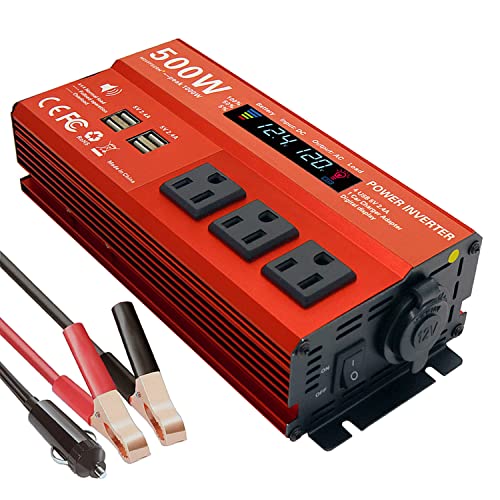
MOVFFGGRM 500W Peak 1000W Power Inverter for Vehicles

TOPBULL 4000 Watt Power Inverter 12V DC to 120V/110V AC

BELTTT 3000W Pure Sine Wave Inverter 12V DC to 120V AC

vansoet 400W Car Power Inverter for Vehicles

HONOURLIGHT 3000W Power Inverter 12V DC to 110V/120V AC
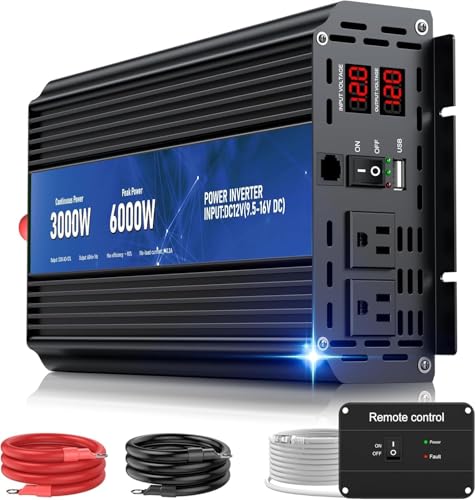
HONOURLIGHT 3000W Power Inverter 12V DC to 110V/120V AC
More Details On Our Top Picks
Remote access gives this TOPBULL unit a practical edge for truck beds, RV cabinets, and garage setups where the inverter sits out of easy reach. The LED display helps you keep an eye on the system without guessing, and the included cables make the install feel more complete from the start.
The dual AC outlets and USB port cover the usual mix of tools, chargers, and small appliances, so it fits a busy workday better than a bare-bones travel inverter. The trade-off is size and power draw planning, since a 3000-watt class unit deserves a truck electrical system that can support the load with room to spare.
Strong Points
- Remote control access suits hard-to-reach installs.
- LED readout helps you monitor operation at a glance.
- Dual AC outlets support more than one plugged-in item.
- USB charging adds convenience for phones and small electronics.
- Included cables reduce extra parts chasing during setup.
Room For Improvement
- Large-capacity inverters ask more from your truck electrical system.
- Bulkier hardware takes more planning for mounting and storage.
- The remote cable length may be more than some cabs need.
Feature Snapshot
Who It Suits Best
Truck owners who want a hard-working inverter for jobsite gear, cabin use, or RV-style setups will get the most from this layout.
A Better Fit Elsewhere
BELTTT 2000W Pure Sine Wave Inverter suits sensitive electronics and lighter truck builds better, especially for commuters who want cleaner output with less bulk.
A pure sine wave inverter outputs AC power that stays closer to household-style electricity, which matters most for laptops, camera chargers, and other sensitive gear. Compared with the TOPBULL 3000W unit, this BELTTT model steps down in capacity but steps up in polish for electronics that prefer steadier power.
The dual AC outlets, 20A socket, USB port, hardwire port, and remote controller make it feel built for a truck that also doubles as a mobile office. You may find the accessory mix more useful than raw wattage alone, though the broader package also asks you to think carefully about mounting and cable routing.
What We Like
- Pure sine wave output suits sensitive electronics.
- Dual AC outlets widen day-to-day usefulness.
- 20A socket adds a stronger connection option.
- Hardwire port supports a cleaner permanent install.
- Remote control makes access easier in tight spaces.
Small Caveats
- A more involved install may suit experienced hands better.
- The extra hardware makes setup less portable than compact units.
- Power planning still matters in truck-based use.
Core Details
Who Will Love This
Truck owners running laptops, office gear, or mixed electronics will appreciate the steadier output and the extra connection options.
Skip It When
vansoet 400W Car Power Inverter for Vehicles makes more sense for commuters who only need lightweight charging and a simpler footprint.
Four USB ports and a cigarette-lighter socket make this MOVFFGGRM inverter feel very much like a travel companion rather than a jobsite power hub. Compared with the bigger TOPBULL and BELTTT units, it trims back wattage in exchange for easier packing and a lighter load on the truck.
That smaller scale suits phones, tablets, GPS units, and other small electronics during errands or family road trips. The honest read is that it belongs in a light-duty lane, because its power ceiling leaves less room for appliances that need more breathing space.
Positives
- Four USB ports cover several personal devices at once.
- The lighter format fits glove boxes and small storage bins.
- A cigarette-lighter socket adds another common charging path.
- Simple layout works well for casual vehicle use.
Points To Note
- Lower output limits it to lighter electrical needs.
- Many cables in a small space can get messy fast.
- Owners who need appliance support should look higher up the list.
Quick Facts
Built With In Mind
Daily commuters, rideshare drivers, and families who mostly charge personal electronics will get the most practical use from this compact unit.
Another Choice May Suit
HONOURLIGHT 3000W Power Inverter 12V DC to 110V/120V AC works better for truck owners who want a bigger reserve and a more permanent setup.
This TOPBULL model is the heavy hitter of the group, built for truck owners who need plenty of AC headroom and a more serious outlet layout. With four AC outlets, two USB-A ports, and three terminal blocks, it reads more like a power station component than a basic vehicle accessory.
The 200ft remote control adds convenience in larger setups, and the 8000W surge figure gives short bursts extra breathing room. The catch is obvious: this kind of capacity can be overkill for light users, so it makes the most sense in work trucks, off-grid systems, or rigs with a real appetite for AC power.
Highlights
- Four AC outlets support a broad device mix.
- Terminal blocks help with more structured installations.
- Two USB-A ports handle smaller charging needs.
- Remote access is handy in larger truck builds.
- High capacity suits serious tool and appliance use.
Areas To Watch
- The size and output level suit committed setups more than casual use.
- More terminals usually mean more planning during installation.
- Storage and mounting take extra thought in smaller cabs.
Technical Sheet
Who Should Grab It
Work-truck owners, RV users, and off-grid installers who want serious output and multiple connection points will feel right at home here.
Where A Sibling Pick Shines
TOPBULL 3000 Watt Power Inverter with Remote Control makes more sense for truck owners who want a large inverter but do not need this much headroom.
This BELTTT model lands in a sweet middle zone for truck and RV use, because it pairs 3000 watts with pure sine wave output and a hardwire port. Compared with the TOPBULL 3000W unit, it feels more tuned for cleaner power delivery than for maximum convenience accessories.
The dual AC outlets, 20A socket, USB port, and 23-foot remote cable give you enough flexibility for a semi-permanent setup without making the unit feel overcomplicated. You may prefer it most in mixed-use vehicles where laptops, small appliances, and charging gear all share the same power source.
Bright Spots
- Pure sine wave output suits electronics that prefer steadier AC.
- The hardwire port supports a cleaner installed setup.
- 23-foot remote cable gives workable placement options.
- Dual AC outlets and a 20A socket broaden compatibility.
- USB charging keeps smaller devices covered too.
Honest Caveats
- Hardwiring asks for more installation confidence.
- The larger feature set can feel like more than a casual user needs.
- Routing a longer remote cable takes a little planning.
Feature Card
The Right Fit
Truck campers, overlanders, and mobile workers who want a cleaner power profile with solid flexibility should look closely at this one.
Look Elsewhere When
MOVFFGGRM 500W Peak 1000W Power Inverter for Vehicles is the simpler match for casual charging and lighter storage needs.
For road trips, this vansoet inverter is the kind of compact add-on that can quietly earn its keep. The mix of PD 30W, USB-C and USB-A/C ports, plus dual AC outlets, gives you a more modern charging spread than the older one-socket adapters many trucks still rely on.
It sits in a very different lane from the 3000W and 4000W units above, and that difference matters in a cab where you mostly want phones, tablets, and a laptop charger handled neatly. The honest read is that it’s strongest when convenience matters more than raw output.
Reasons To Buy
- PD 30W support helps with faster modern device charging.
- USB-C and USB-A/C ports cover a wide device mix.
- Dual AC outlets add flexibility for small electronics.
- The compact format suits glove box or console storage.
Worth Noting
- Low-to-mid power means lighter-duty use only.
- More ports can tempt overloading if you plug in too much.
- Compact units are easier to misplace during cleanup.
Details At A Glance
Whose Shelf It Belongs On
Commuters, weekend travelers, and light packers who want a tidy charging hub inside the cab will get the most from it.
Swap It Out When
BELTTT 2000W Pure Sine Wave Inverter is the stronger fit for truck owners who need cleaner AC power and more reserve capacity.
HONOURLIGHT takes the familiar 3000W truck inverter formula and leans into control, not just wattage. The LCD display and remote control make it feel easier to live with in an emergency backup setup or a truck where the inverter sits out of arm’s reach.
With dual AC outlets and a 3.4A USB port, it covers the mix of gear most people actually plug in during camping or roadside use. Compared with the TOPBULL 4000W model, it offers less raw capacity, but that trade-off can make sense for truck owners who want a less aggressive footprint.
Best Bits
- LCD display makes status checks straightforward.
- Remote control improves convenience in mounted installs.
- Dual AC outlets support common truck power needs.
- USB output helps with phones and small accessories.
- Good fit for backup and camping-style use.
Minor Gripes
- Heavy users may want more headroom than 3000 watts.
- Mounted use works better than frequent moving around.
- Like most larger inverters, it rewards careful cable management.
Spec Overview
Perfect Match For
Truck owners who want a practical middle ground between portable charging and serious backup power should feel comfortable here.
Reach For A Different Pick When
BELTTT 3000W Pure Sine Wave Inverter is the better fit for electronics that benefit from pure sine wave output and a hardwire port.
This HONOURLIGHT listing gives you the same broad 3000W, 6000W-peak structure as the earlier entry, but it sits in a vehicle-electronics category that may suit a different shopping path. In practice, that makes it worth comparing carefully to the B0CSN3NV1F version so you can match the listing context to your own truck build.
The LCD display, remote control, dual AC outlets, and 3.4A USB port still make it easy to picture in camping, off-grid, or emergency backup use. The main trade-off is that the shared feature set means your decision comes down less to flashy differences and more to which listing details fit your install plans.
Plus Points
- Useful 3000W class output for mixed vehicle use.
- Remote control adds easier day-to-day handling.
- LCD display helps you check status quickly.
- Dual AC outlets support common plug-in gear.
- USB output gives you a simple charge option.
Things To Consider
- Its value depends heavily on your install plan and truck layout.
- Like the sibling HONOURLIGHT unit, it favors more deliberate mounting.
- Shared feature sets can make comparison shopping feel a little close.
Core Details
Who Should Grab It
Truck owners comparing a vehicle-focused 3000W inverter with remote control and display convenience will find this one easy to size up.
Not Your Match When
vansoet 400W Car Power Inverter for Vehicles is the simpler pick for compact charging and lighter cab storage.
How To Choose The Right Power Inverters For Truck
Start With Real Wattage Needs
Match the inverter to the gear you actually use, not the biggest number in the listing. Small electronics, laptop chargers, and tablets sit comfortably in the 400W to 1000W range, while tools, small appliances, and heavier backup setups usually call for 2000W or more.
Peak wattage matters too, because some devices draw extra power at startup. That surge rating is a cushion, not a promise of constant output, so it helps most when you run motors, compressors, or gear with a sharp startup pull.
Choose The Right Power Shape
Pure sine wave means the inverter produces AC power that more closely resembles household electricity. That matters most for electronics with sensitive internal components, especially laptops, display gear, and charging equipment that prefers cleaner current.
Modified wave models can still fit many truck needs, especially for simpler tools and basic charging. The trade-off is compatibility, so the cleaner output often justifies the higher tier when your setup includes expensive electronics or you plan to hardwire the unit.
Match Ports, Control, And Install Style
USB ports, 20A sockets, hardwire ports, remote controls, and AC outlet counts all change how pleasant the inverter feels in daily use. A commuter usually values compact charging options, while a work truck or camper benefits from more outlets and easier mounted access.
Remote cables and hardwire support matter when the inverter lives behind a seat, under a bench, or in a cargo area. A tidy install tends to age better than a loose one, and it also makes storage and cable management less irritating.
Plan For Heat And Capacity Headroom
Larger inverters pull more current from the truck electrical system, so the unit should fit the vehicle’s battery and charging setup. Dual smart fans, ventilation space, and a sensible load plan help the inverter stay in its comfort zone during longer use.
Extra capacity also buys breathing room for future gear. That’s useful for owners who add equipment over time, but it can be unnecessary weight and complexity for someone who only needs a phone charger and a laptop on weekday drives.
Things Worth Knowing First
Wrong Turns To Avoid
A common mistake is chasing wattage that’s far beyond the actual load. That usually leads to a bigger, heavier unit than the truck really needs, plus more cable and mounting hassle than necessary.
Another misstep is ignoring outlet type and control layout. A unit can look strong on paper and still feel awkward every day if the ports are hard to reach or the installation style does not match the cab.
The Upgrade Payoff
Higher-tier models usually cost more because they add stronger output, cleaner power shape, remote operation, hardwire support, and more robust outlet layouts. In this category, you are paying for easier installation, better device compatibility, and more headroom for startup loads.
That upgrade makes the most sense for mobile workstations, off-grid trucks, and campers that run several devices at once. For a simple charging setup, the extra capacity can be more than you need, so the smarter move is often the smallest unit that still covers your real routine.
Frequently Asked Questions
What size inverter works best in a truck?
For phones and laptops, a compact 400W to 1000W unit usually covers the job. For tools, appliances, or multi-device setups, 2000W to 4000W gives you far more room.
Why choose pure sine wave?
Pure sine wave output is the cleaner electrical shape, so it fits sensitive electronics more comfortably. That matters most for gear that lives in a truck full time or travels with you often.
Can you use a power inverter with a hardwire setup?
Yes, hardwire ports are built for more permanent installs. They work well in trucks where you want a cleaner cable path and fewer loose connections.
Do remote controls really help?
They help most when the inverter sits in a bed, cabinet, or rear storage area. A remote keeps you from reaching around cargo or moving gear just to check the unit.
What matters more, surge power or continuous power?
Continuous power tells you what the inverter can support over time. Surge power matters for short startup bursts, so both figures deserve attention.
Closing Thoughts
The best power inverter for your truck depends on how you use the vehicle, not just how much wattage the box advertises. A compact charging model suits daily commuting, a pure sine wave unit fits sensitive electronics, and the larger hardwire-ready picks make more sense for work trucks or off-grid setups. The shortlist above gives you a clear path from light travel use to serious power needs. Choose the setup that matches your cab, your gear, and the way you actually drive.
