

Large inverter generators earn their keep in two very different moments, a storm knocking out home power and a weekend away from the grid. You also need the right size, because oversizing can make storage and fuel planning clumsy, while undersizing leaves you juggling loads. The eight picks below cover whole-home backup, RV use, jobsite power, and lighter portable needs, so you can match the machine to your routine instead of guessing.
Quick Look At The Shortlist

Westinghouse 12000 Peak Watt Dual Fuel Portable Inverter Generator

AIVOLT 1600W Super Quiet Inverter Generator 28lbs
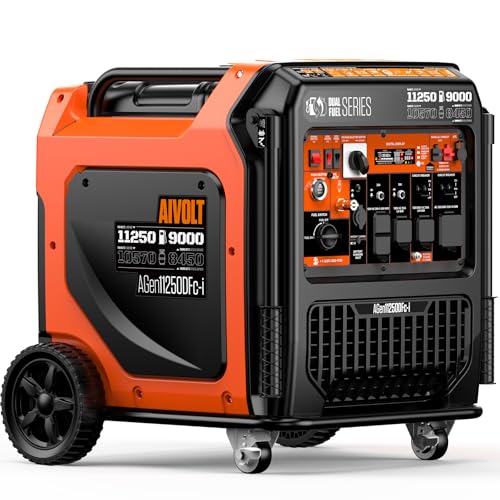
AIVOLT 11250W Dual Fuel Inverter Generator 50A for Home Backup

WEN 6800-Watt Dual Fuel RV-Ready Electric Start Portable Inverter Generator (DF680iX)

Westinghouse 8200 Peak Watt Tri-Fuel Portable Inverter Generator

Champion Power Equipment 9000-Watt Electric Start Tri Fuel Home Backup Portable Open Frame Inverter Generator

Westinghouse 5000 Peak Watt Super Quiet Dual Fuel Portable Inverter Generator

Westinghouse 12000 Peak Watt Tri-Fuel Portable Inverter Generator
More Details On Our Top Picks
Home backup is where this Westinghouse makes the most sense, especially for households that want a transfer-switch-ready setup and the option to run on gas or propane. Low total harmonic distortion, or THD, matters here because it helps keep sensitive electronics in a safer operating zone than a rougher power output would.
The remote electric start is the convenience feature that stands out in a storm, since you can get power going without standing right beside the machine. The trade-off is size and storage weight, so this is more comfortable in a garage or utility area than in a cramped shed.
Strong Points
- Dual fuel operation gives you another fuel path during outages.
- Transfer-switch readiness fits more serious home-backup setups.
- Remote start reduces hassle in bad weather.
- Parallel capability leaves room for expansion later.
- CO sensor adds another layer of practical caution near living areas.
Small Caveats
- Large output usually means more storage space and heavier handling.
- Propane runtime planning still takes a little attention.
- Owners commonly keep up with filter and fuel-system care on this size class.
Feature Rundown
Who It Suits Best
You want this pick for home outage coverage, especially in a house that already uses a transfer switch or plans to. It also suits property owners who keep backup power in a garage and value fuel flexibility over compact size.
A Better Fit Elsewhere
Westinghouse 12000 Peak Watt Tri-Fuel Portable Inverter Generator suits you better when you want the same large-output class but also want natural gas in the mix.
This AIVOLT sits at the small end of a roundup built around bigger machines, but it still earns a place for portability. At 28 pounds, it makes more sense for camping, tailgates, and easy transport than for whole-home backup.
The 57 dBA noise figure is a nice touch for campsite manners, and pure sine wave output, meaning smoother electrical waveform quality, is the detail that helps sensitive devices feel less exposed. The honest trade-off is that this is a light-duty option, so you are choosing convenience and quiet over heavy household coverage.
What We Like
- Light 28-pound build is easier to move than the larger units in this list.
- Pure sine wave output suits electronics and small appliances.
- Quiet operation helps in campgrounds and neighborhood gatherings.
- ECO mode supports longer use during lighter loads.
Areas To Watch
- Running output is far below the home-backup models here.
- Single-fuel operation limits your fuel options.
- Portability is excellent, but storage still needs a dry, level spot.
Feature Card
Who Will Love This
You want this for camping, occasional outdoor power, or a travel-friendly backup for small devices. It suits you best when low weight matters more than raw output.
Where A Sibling Pick Shines
Westinghouse 5000 Peak Watt Super Quiet Dual Fuel Portable Inverter Generator is the better match for RV owners who need a larger, more practical backup range.
This AIVOLT leans into serious home-backup territory with dual-fuel operation, remote start, and a 50A RV-ready outlet. That 50-amp connection matters for larger rigs and transfer-heavy setups, so you are looking at a machine built for more demanding electrical paths.
Compared with the lighter AIVOLT above, this one is built for people who want more reach and less compromise. The trade-off is that the higher-capacity frame asks for committed storage space and a bit more planning around fuel and placement.
Upsides
- Gas and propane support gives you fuel flexibility.
- Remote start is helpful when the unit sits farther from the house.
- 50A RV-ready output suits larger recreational setups.
- CO shutoff and low-noise design make it friendlier for backup use near the home.
Points To Note
- Large backup units reward regular fuel and storage checks.
- Dual-fuel convenience can add a little setup complexity.
- Natural placement is in a garage, shed, or dedicated utility area.
Core Details
Built With In Mind
You want this for a house backup plan, a larger RV, or a jobsite where fuel flexibility and stronger output matter. It fits best for people who want serious capacity without moving all the way to an open-frame setup.
Look Elsewhere When
WEN 6800-Watt Dual Fuel RV-Ready Electric Start Portable Inverter Generator (DF680iX) makes more sense for you when a simpler midrange footprint is easier to live with.
The WEN DF680iX sits in a useful middle ground, big enough to feel serious, but not so oversized that it pushes every practical limit. Electric start and dual fuel support make it easy to imagine as a storm-season standby or an RV companion.
Fuel shutoff is the quiet detail that tends to matter over time, because it helps you manage storage and maintenance more cleanly. One thing worth considering is that this class still asks for a sensible place to live, so garage or trailer storage usually fits better than a crowded closet.
Bright Spots
- Dual-fuel design gives you flexibility during outages and trips.
- Electric start keeps startup simple.
- RV-ready layout suits mobile setups without extra fuss.
- CO watchdog and fuel shutoff add practical peace of mind.
Worth Noting
- It is still a large machine, so handling takes planning.
- Maintenance is easier when you stay ahead of fuel care.
- Open storage space is more realistic than tight indoor storage.
Details At A Glance
Right Fit For
You want a midrange backup generator that still feels practical for RV use and periodic home outage duty. It suits you well when you value convenience more than raw scale.
Skip It When
Westinghouse 12000 Peak Watt Tri-Fuel Portable Inverter Generator is the stronger match for a larger whole-home plan that benefits from natural gas support.
Fuel choice is the big story here, because this Westinghouse runs on gas, propane, or natural gas. That kind of flexibility helps in storm season, especially for homes that already have a natural gas supply and want to avoid depending on a single fuel path.
It also brings transfer-switch readiness, remote electric start, and parallel capability, so the machine has a clear bias toward serious backup use. Compared with the dual-fuel Westinghouse above, this one broadens your options at the expense of keeping the machine in a bigger, more storage-hungry class.
Best Bits
- Tri-fuel setup gives you the widest fuel flexibility in this group.
- Remote start is useful when the generator sits at a distance.
- Transfer-switch readiness suits more complete home backup plans.
- Parallel capability leaves room for future scaling.
- CO sensor adds a caution-minded design touch.
Room For Improvement
- Tri-fuel convenience means extra decision-making around hookups and storage.
- Large frames are easier to place than to move often.
- Owners usually keep up with periodic fuel-system checks on units like this.
Feature Snapshot
Whose Shelf It Belongs On
You want this for home backup where natural gas access or fuel variety matters more than compact size. It also fits property owners who like having several fuel paths available before a storm even starts.
Another Choice May Suit
Champion Power Equipment 9000-Watt Electric Start Tri Fuel Home Backup Portable Open Frame Inverter Generator suits you better when you want tri-fuel support in an open-frame format.
Open-frame design gives this Champion a more work-ready feel than the quieter enclosed units in the list. The included natural gas and propane hoses are a useful detail, because they reduce the number of extra parts you need before the generator is ready to run on all three fuel paths.
That convenience comes with a familiar trade-off, since open-frame machines are usually chosen for function and access rather than a quieter, more enclosed profile. For home backup or mixed utility use, that balance makes sense, especially for people who value straightforward fuel flexibility.
Reasons To Buy
- Tri-fuel support gives you gas, propane, and natural gas options.
- Included hoses save you from chasing extra setup pieces.
- Electric start simplifies operation.
- Open-frame layout often suits jobsite-style handling and service access.
Softer Spots
- Open-frame construction is more about utility than compact refinement.
- Storage planning matters because this is still a substantial machine.
- Noise expectations may differ from fully enclosed inverter models.
Technical Sheet
The Right Fit
You want this for backup power that leans practical and fuel-flexible, especially around a home, workshop, or jobsite. It suits you best when easy fuel setup matters more than a quieter enclosure.
Where A Sibling Pick Shines
WEN 6800-Watt Dual Fuel RV-Ready Electric Start Portable Inverter Generator (DF680iX) is a better fit for you when a smaller, more manageable midrange unit is easier to store.
This Westinghouse is the easier-going option in the lineup, especially for RV use, lighter backup needs, or home projects that do not call for the larger frame sizes above. Remote electric start and dual fuel support keep it friendly for daily ownership, not just emergency use.
The RV-ready 30A outlet is the practical detail that matters most for travel setups, and parallel capability lets you think about future expansion without changing machines. Compared with the heavier Westinghouse models above, this one asks less of your storage space and still covers a lot of everyday ground.
Highlights
- Dual fuel operation gives you useful fuel flexibility.
- Remote start adds comfort during routine use.
- RV-ready 30A outlet suits travel trailers and camper setups.
- Parallel capability supports a future power upgrade.
- Super quiet design fits better near camps or close neighbors.
Minor Gripes
- Five-thousand-class output works for smaller backup needs, not full-house coverage.
- Parallel-ready use makes most sense only for some setups.
- Fuel and storage care still matter, especially with a seasonal machine.
Core Details
Best Suited To
You want this for RV trips, backup during short outages, or a quieter portable setup for regular use. It fits you best when you want a generator that feels less bulky than the large whole-home units.
Consider Something Else When
Westinghouse 8200 Peak Watt Tri-Fuel Portable Inverter Generator suits you better when you want natural gas in addition to the dual-fuel setup.
This Westinghouse is the broadest-fuel choice in the large-output group, since it supports gas, propane, and natural gas. For homes with existing gas lines, that can make outage planning feel more straightforward, especially when you want backup power that ties into what you already have.
Transfer-switch readiness, remote start, parallel capability, and the CO sensor round out a feature set that points squarely at serious backup use. Unlike the smaller portable picks earlier in the list, this one is built for people who want a generator to stay useful when the outage drags on.
Best Bits
- Three fuel choices give you uncommon flexibility.
- Remote start adds convenience during rough weather.
- Transfer-switch readiness suits full-home planning.
- Parallel capability leaves room for future scaling.
- CO sensor adds a useful safety-minded feature.
Honest Caveats
- Tri-fuel capability adds setup decisions and more storage considerations.
- Large backup units are easier to stage than to move often.
- Routine upkeep matters, especially for seasonal storage.
Spec Overview
Made For
You want this for serious home backup where natural gas availability is part of the plan. It also suits property owners who prefer one machine with several fuel paths rather than a narrower setup.
A Better Fit Elsewhere
Westinghouse 12000 Peak Watt Dual Fuel Portable Inverter Generator is the better fit for you when propane and gasoline are enough and you want a simpler fuel setup.
How To Choose The Right Large Inverter Generators
Match Output To The Job
Start with the load you actually need to cover, not the biggest number in the catalog. Whole-home backup usually asks for a much larger machine than a camper fridge, a router, and a few lights, and that gap changes everything from fuel use to storage space.
For outage planning, transfer-switch readiness and higher outlet ratings matter because they determine how the generator integrates with your setup. For travel or weekend use, lighter output and a 30A RV outlet are often enough, and they spare you from hauling more machine than you need.
Choose Fuel Flexibility Carefully
Dual fuel gives you gasoline and propane, which is helpful when one fuel is easier to store or easier to source. Tri-fuel adds natural gas, and that extra path can be a real comfort for homes with an existing gas line.
The trade-off is setup complexity, along with more parts to think about over time. That’s why tri-fuel makes the most sense for people who want a backup plan with options, while dual fuel keeps things a touch simpler.
Think About Noise, Frame Style, And Placement
Inverter generators are usually chosen for cleaner output and better manners around electronics, but the enclosure still changes the experience. Quiet enclosed models fit closer to living areas or camps, while open-frame designs lean toward utility and easier access.
Placement matters too. A large unit belongs in a garage, shed, or trailer space with enough clearance for upkeep and fuel handling, not wedged into a corner where maintenance becomes annoying.
Look For Convenience Features That Matter Daily
Remote start is not just a nice extra, because it reduces friction during a storm or cold evening. Parallel capability helps too, since it lets you pair units later instead of replacing what you already own.
CO sensors, fuel shutoff, and electric start all point to easier day-to-day ownership. None of them replaces good placement and care, but each one trims a little hassle, which adds up fast when you use the generator more than once a year.
Things Worth Knowing First
Wrong Turns To Avoid
One common mistake is chasing output you will never use, then discovering the unit is harder to store and move than expected. Another is buying a fuel type that sounds flexible but does not match your actual access to propane or natural gas.
It also helps to think past the first week of ownership. Seasonal machines need a sensible storage plan, regular fuel care, and enough room to breathe, or they become inconvenient very quickly.
The Upgrade Payoff
Higher-tier models cost more because they usually bring larger engines, stronger output, cleaner power delivery, and more connection options. Remote start, transfer-switch readiness, tri-fuel support, and better safety features all add parts and engineering.
That upgrade is worth it for households that rely on backup power during real outages, not just occasional outages. For lighter use, a midrange or compact pick often leaves more money in your pocket and less machine in your garage.
Frequently Asked Questions
What size generator works best for home backup?
A larger inverter generator makes sense for more of the house, especially when you want to keep several appliances running. Smaller homes or partial backup setups can often get by with less output.
Is tri-fuel worth the extra complexity?
It is worth it for homes that can use natural gas or for anyone who wants more fuel paths during an outage. A dual-fuel unit feels simpler and still covers many situations well.
Do inverter generators work with electronics?
Cleaner inverter output is the reason many shoppers choose this category for electronics. Low total harmonic distortion, or THD, is the spec that usually matters most here.
Are open-frame models a bad choice?
No, they just lean more toward utility than quiet enclosed operation. They can be a smart fit for jobsites and practical backup use.
What should you do before seasonal storage?
Plan for fuel care, a dry storage spot, and a quick inspection of hoses, cords, and connections. That small routine helps the machine feel ready the next time you need it.
Closing Thoughts
You do not need the biggest generator in the list, you need the one that fits your power plan, fuel access, and storage space. For home backup, the Westinghouse tri-fuel and dual-fuel large units make the strongest case, while the WEN and Champion models split the difference for many households. For lighter travel use, the AIVOLT compact pick keeps things much easier to carry. Match the machine to the way you actually live, and the choice gets a lot simpler.
