

Heavy-duty backup power asks for more than raw wattage. You need clean inverter output, sensible fuel options, and enough runtime flexibility to keep a home, RV, or jobsite steady without constant fuss. This roundup focuses on 50 amp-ready inverter generators that fit real-world power needs, from whole-home transfer setups to travel-friendly dual-fuel units. You’ll also see where each pick makes sense, because size and convenience matter almost as much as output.
The Shortlist At A Glance

Westinghouse 12000 Peak Watt Dual Fuel Portable Inverter Generator
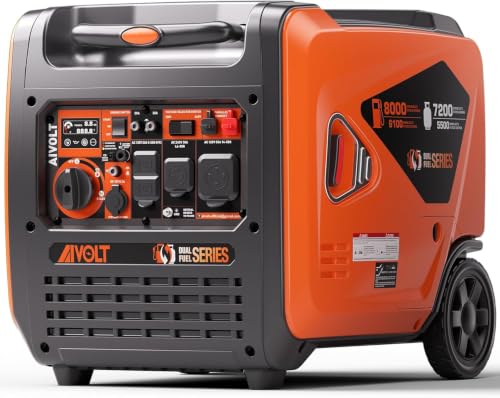
AIVOLT 8000W Dual Fuel Inverter Generator 50A RV Generator
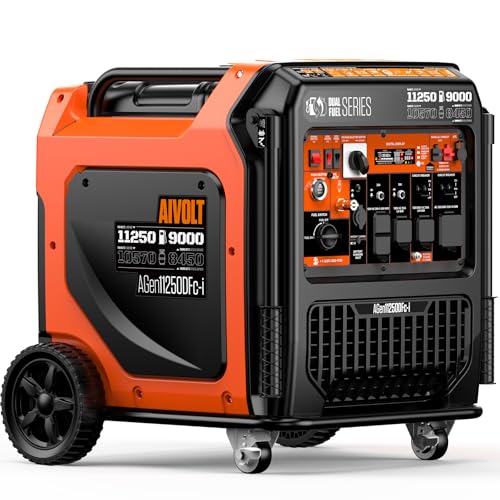
AIVOLT 11250W Dual Fuel Inverter Generator 50A for Home Backup

WEN 6800-Watt Dual Fuel RV-Ready Electric Start Portable Inverter Generator DF680iX

Champion Power Equipment 4000-Watt Dual Fuel RV Ready Portable Inverter Generator

Westinghouse 8200 Peak Watt Tri-Fuel Portable Inverter Generator

Westinghouse 12000 Peak Watt Tri-Fuel Portable Inverter Generator

Champion Power Equipment 11,000-Watt Wireless Remote Start Home Backup Portable Inverter Generator
More Details On Our Top Picks
Whole-home backup is where this Westinghouse model makes the most sense. The dual-fuel setup gives you gas and propane flexibility, while the transfer-switch-ready design fits a more permanent outage setup. Low total harmonic distortion means the output is designed with electronics in mind, which matters for modern appliances and sensitive gear.
The remote electric start and parallel-capable design give you more convenience than the simpler midsize picks below, including the WEN and Champion units. You may still find the larger footprint more commitment than a small RV generator, but that trade-off is normal at this output level. For homeowners who want fewer compromises, it’s a strong place to start.
Strong Points
- Dual-fuel operation gives you more storage and fueling flexibility during outages.
- Transfer-switch readiness suits a home backup setup with less improvisation.
- Low THD output is a better match for electronics and household controls.
- Remote electric start cuts down on walking back and forth during rough weather.
- Parallel capability leaves room for a future power boost plan.
Things To Consider
- The larger frame makes it less casual to move around than the RV-focused choices.
- Dual-fuel convenience also means you’ll be handling and storing two fuel types.
- For a small camper or light tailgate setup, it may feel like more generator than you need.
Feature Snapshot
Who It Suits Best
Households preparing for outage backup with a transfer switch and a large appliance load will get the most from this pick.
Where A Sibling Pick Shines
Westinghouse 8200 Peak Watt Tri-Fuel Portable Inverter Generator suits homeowners who want flexibility across gas, propane, and natural gas without stepping all the way up to the larger 12000-unit.
This AIVOLT feels aimed at RV travel first, backup second. The 50A RV orientation, 120V/240V support, and electric start line up well for campers who want one unit that can do more than basic campsite duty. Its 62 dBA noise rating is also a useful clue for close quarters, where a quieter machine usually makes everyone happier.
Compared with the Westinghouse 12000-watt models, it gives up sheer output for a more manageable travel profile. You may find the lower capacity a better match for weekends and moderate loads, while the wheel-equipped body helps with camp-to-driveway movement. It’s a smart fit for RV owners who want clean inverter power without overcommitting to a massive frame.
What We Like
- 50A RV readiness makes it easier to match common travel power setups.
- 120V/240V support gives you more flexibility for connected loads.
- Electric start removes some of the setup strain at the campsite.
- Wheel mobility helps when you move the unit between storage and use.
- Quiet operation is a real plus around campsites and shared outdoor spaces.
Room For Improvement
- The smaller output range is less suited to larger household backup loads.
- Wheeled portability helps, but this still takes up real storage room.
- For a full-home transfer setup, the higher-output Westinghouse models fit better.
Core Details
Built With In Mind
RV owners who want a quieter, versatile generator for trips, tailgates, and moderate backup use will get the best fit here.
Another Choice May Suit
Westinghouse 12000 Peak Watt Dual Fuel Portable Inverter Generator suits you better for whole-home backup or larger transfer switch loads.
This AIVOLT lands in a useful middle ground for homes and job sites. It runs on gas or propane, includes remote start, and carries a 50A RV-ready setup, so it can cover a wider range of situations than the smaller Champion unit below. EPA and CARB compliance are listed, which may matter to shoppers who need to stay within state rules.
The honest read is that it looks best for someone who wants near-home-backup size without jumping to the largest Westinghouse model. Remote starting helps during outages, and the quieter inverter design is easier to live with than a plain contractor machine. For households that split time between backup duty and active work use, that balance is pretty attractive.
Bright Spots
- Dual-fuel flexibility gives you practical options during long outages.
- Remote start helps you manage power without walking outside repeatedly.
- 50A RV readiness supports a broader range of connected setups.
- Quiet inverter design is friendlier for neighborhood or driveway use.
- Home and jobsite positioning makes it more versatile than a camp-only unit.
Softer Spots
- It still asks for storage space and careful placement in a garage or shed.
- The feature set is practical, but it does not lean into ultra-light portability.
- Shoppers focused only on RV travel may prefer the smaller AIVOLT 8000W option.
Technical Sheet
Whose Shelf It Belongs On
Homeowners and contractors who want one generator for backup coverage and workday flexibility will get the most from it.
Skip It When
Champion Power Equipment 4000-Watt Dual Fuel RV Ready Portable Inverter Generator suits lighter travel use far better than this larger, more serious setup.
The WEN DF680iX feels like the no-nonsense middle step in this list. Dual fuel support, electric start, and RV readiness make it easier to slot into a camper setup or a backup plan where you want useful capability without a huge frame. Fuel shutoff is a nice ownership detail, since it helps the machine sit more cleanly between uses.
Compared with the larger Westinghouse and AIVOLT units, this one is easier to think about for smaller garages, trailers, and weekender storage. You may find it especially appealing for electric vehicle backup plans or lighter household needs, where a giant enclosure would be overkill. It does give up the broader output headroom of the 11,000 and 12,000-watt picks, so the trade-off is clear.
Upsides
- Electric start keeps routine use simple.
- Dual fuel gives you a flexible backup plan.
- RV-ready output suits travel and trailer setups.
- Fuel shutoff supports easier storage between runs.
- Its size sits in a friendlier middle zone than the larger backup models.
Small Caveats
- It offers less output headroom than the larger Westinghouse and AIVOLT units.
- For whole-home use, it feels more modest than a true heavy-duty backup model.
- Routine upkeep still matters, especially fuel handling before storage.
Details At A Glance
Made For
Travelers and households that want a manageable dual-fuel inverter generator with easy starting and RV-oriented features will appreciate it most.
Look Elsewhere When
AIVOLT 11250W Dual Fuel Inverter Generator 50A for Home Backup fits better for larger outage loads and broader home backup expectations.
This Champion is the smallest, simplest-feeling pick in the lineup. Dual fuel support, RV readiness, and quiet technology point toward light travel use, casual backup, or weekend power needs rather than serious home outage duty. That smaller scale can be a blessing in a tight garage or a packed trailer, where every extra inch matters.
Compared with the AIVOLT and Westinghouse models, it’s much easier to store and move, but it also brings much less power headroom. The honest read is that it suits smaller loads, not a full-house backup plan. For campers, tailgaters, and occasional users, that narrower focus can be exactly the point.
Best Bits
- Compact footprint makes storage and transport easier.
- Dual fuel support gives you simple flexibility.
- RV-ready design fits travel-oriented use cleanly.
- Quiet technology matters in close quarters.
Areas To Watch
- Its smaller output is better for light-duty use than whole-home backup.
- You may outgrow it quickly as your power needs rise.
- The compact frame is handy, but it still needs dry, secure storage.
Feature Card
Right Fit For
Campers, tailgaters, and light-duty users who want a small dual-fuel inverter generator will feel right at home with this one.
Where A Sibling Pick Shines
WEN 6800-Watt Dual Fuel RV-Ready Electric Start Portable Inverter Generator DF680iX fits better for shoppers who want more utility without jumping to a massive backup unit.
Tri-fuel flexibility is the headline here, and it’s a useful one for anyone thinking beyond a single fuel tank. This Westinghouse can run on gas, propane, or natural gas, which gives you more ways to plan around storage, outages, and utility access. Remote electric start and transfer-switch readiness round out the package for a more polished backup setup.
Compared with the dual-fuel Westinghouse 12000-watt model, this one swaps some peak output for an extra fuel option. You may find that trade-off worthwhile in a home where natural gas is already part of the picture, or where fuel storage space is tight. The low THD output and parallel capability make it a smart, flexible step up for people who value options.
Reasons To Buy
- Tri-fuel operation gives you the widest fuel-choice flexibility in this group.
- Remote electric start adds comfort during outage conditions.
- Transfer-switch readiness supports a neater backup installation.
- Low THD output is a practical match for electronics-heavy homes.
- Parallel capability gives you room to expand later.
Honest Caveats
- Natural gas use only makes sense where that line is already available.
- The extra flexibility adds complexity compared with a basic dual-fuel unit.
- For smaller RV needs, the AIVOLT 8000W model feels easier to live with.
Core Details
Best Suited To
Homeowners who value fuel flexibility and want a more adaptable backup setup will get the most from this model.
A Better Fit Elsewhere
Westinghouse 12000 Peak Watt Dual Fuel Portable Inverter Generator suits you better if peak output matters more than the extra fuel option.
This is the big Westinghouse tri-fuel option, and it reads that way from the start. Remote start, transfer-switch readiness, low THD, and parallel capability combine with gas, propane, and natural gas support to create a very flexible backup platform. For homes that want strong output and more fuel paths, that combination carries real appeal.
Compared with the 8200-watt tri-fuel model, this one is the more serious choice for larger electrical loads. The trade-off is size and commitment, because a generator like this wants proper storage, careful placement, and a realistic plan for maintenance. For homeowners who prepare for long outages, that extra scale is often the reason to step up.
Standout Traits
- Tri-fuel support gives you the broadest planning flexibility of the Westinghouse lineup.
- High output suits larger backup loads more comfortably.
- Remote start makes operation easier during stressful outage conditions.
- Transfer-switch readiness supports a cleaner home connection plan.
- Parallel capability leaves another path for future expansion.
Worth Noting
- The larger size asks for more storage and handling space.
- Natural gas capability only matters where that supply is available.
- For lighter RV use, the AIVOLT 8000W model may feel less cumbersome.
Spec Overview
The Right Fit
Shoppers who want a high-output tri-fuel generator for home backup and longer outage planning will appreciate this model most.
Swap It Out When
AIVOLT 11250W Dual Fuel Inverter Generator 50A for Home Backup makes more sense for someone who wants strong output without the extra fuel option.
Wireless remote start gives this Champion a very user-friendly angle. For home backup setups, that’s a practical comfort feature, especially during rough weather or early-morning outages. Quiet technology adds another layer of livability, which matters more than people sometimes expect once the generator is running near the house.
It doesn’t bring the dual-fuel or tri-fuel flexibility of the Westinghouse options, so the appeal is more about convenience than fuel choice. You may find that simpler fuel setup easier to manage, or you may prefer the broader options on the other picks. For households that want remote operation and strong backup capacity without extra complexity, this is an easy unit to respect.
Positives
- Wireless remote start is genuinely convenient for home backup use.
- Quiet technology helps keep neighborhood disruption lower.
- Home backup focus makes the purpose of the unit clear.
- Strong output level suits more demanding outage scenarios.
Points To Note
- Single-fuel setup gives you fewer fuel planning options than the Westinghouse models.
- Storage and movement still take planning at this output level.
- Campers who want RV-specific flexibility may prefer the AIVOLT 8000W unit.
Feature Rundown
Built For
Households that want convenient remote starting and strong backup output without extra fuel complexity will find this a solid match.
Consider Something Else When
Westinghouse 12000 Peak Watt Tri-Fuel Portable Inverter Generator suits you better if fuel flexibility matters more than wireless start.
How To Choose The Right 50 Amp Inverter Generators
Match The Output To The Job
Start with the way you plan to use the generator, not the biggest watt number in the listing. A 50A RV-ready setup points toward larger connected loads, while dual-fuel or tri-fuel models make more sense when you want backup flexibility at home. The right size depends on whether you’re supporting a transfer switch, an RV, or a lighter weekend setup.
Clean inverter power matters too, because inverter generators shape electricity in a steadier way than basic open-frame units. That helps when you’re running electronics, chargers, control boards, or modern appliances. Low total harmonic distortion, often shortened to THD, is the feature to watch when your gear needs a calmer power feed.
Choose Fuel Flexibility With A Plan
Dual-fuel units can run on gasoline and propane, which gives you more storage and availability options. Tri-fuel units add natural gas, which is useful for homes already connected to a gas line. The trade-off is that extra flexibility usually means more complexity, so your fuel storage habits and maintenance routine need to stay organized.
For long outages, that flexibility can matter more than people expect. A propane tank is easier to stage than gasoline for some households, while natural gas removes one more supply trip from the equation. RV owners often care less about that third fuel and more about how neatly the unit fits into travel storage.
Look Past Wattage And Check The Hardware
Remote electric start, wireless remote start, wheels, and transfer-switch readiness change how pleasant a generator feels to own. They don’t sound glamorous, but they make setup faster and reduce the friction that usually comes with backup power. For a home that sees frequent outages, those details can matter as much as peak output.
Parallel capability is worth a look too, because it leaves room to pair two compatible units later. That’s handy for shoppers who want a smaller generator now and a bigger combined setup later. The same goes for CO sensors or watchdog features, which are especially relevant in garage or close-quarter use.
Think About Storage And Routine Care
Large inverter generators need a real storage plan, not just a corner of the shed. Weight, wheel design, and fuel type all affect how easy the unit is to move and keep ready. Smoother ownership usually comes from a generator that fits your space as well as your power need.
Fuel shutoff features, remote starts, and easy access panels help make routine care less of a chore. That matters because a generator you can maintain comfortably is more likely to stay ready when the lights go out. For most households, that’s the difference between a smart backup tool and a bulky machine you avoid using.
Things Worth Knowing First
Common Shopping Slip Ups
One common mistake is choosing wattage without checking the real connection type. A 50A-ready label does not automatically mean the unit fits every home or RV setup, so your transfer switch, inlet, or adapter plan still needs attention.
Another slip is forgetting where the generator will live between outages. Bigger dual-fuel and tri-fuel models need dry storage, clear access, and enough room to move safely, while smaller units are easier to tuck away.
What The Higher Tier Buys
Higher-tier models usually buy you more flexibility, not just more output. Remote start, transfer-switch readiness, low THD output, and fuel-choice options all add convenience and help the generator fit into a more serious backup plan.
That extra cost can be worth it for households that depend on the unit during outages or for people who want fewer compromises in daily use. For lighter RV duty, the simpler models often make more sense and leave less to manage.
Frequently Asked Questions
What does 50A mean on an inverter generator?
It points to the generator’s ability to support a 50-amp connection in the right setup. That matters most for larger RVs and home backup systems.
Is dual fuel better than tri-fuel?
Neither is automatically better. Dual fuel is simpler, while tri-fuel adds natural gas for extra flexibility.
Do inverter generators work well for home backup?
Yes, especially when they’re transfer-switch ready and sized for the loads you plan to run. Clean power also helps with modern electronics and appliances.
Why does quiet operation matter so much?
Noise adds up quickly near homes, patios, and campsites. A quieter unit is easier to live with during long outages or overnight use.
Should you choose remote start?
Remote start is a comfort feature that makes routine use easier. It’s especially handy during bad weather or when the unit sits farther from the house.
Final Thoughts
The right 50 amp inverter generator depends less on raw output than on how you live with it. For whole-home backup, the larger Westinghouse units bring fuel flexibility and transfer-switch readiness that make sense in real outages. For RV travel, the AIVOLT and Champion picks are easier to store and easier to move. Match the machine to your space, your fuel plan, and the loads you actually want to run, and you’ll end up with a much more useful setup.
