

You probably need a power inverter because the small stuff matters: keeping a laptop alive on a road trip, running backup power during an outage, or turning a vehicle into a temporary work setup. The right pick depends on wattage, outlet layout, charging ports, and how much space you can give it.
Some of these are better for quick car charging, while others are built for home backup, RV life, or off-grid setups. The list below helps you match the right shape of power to the way you actually use it.
Quick Shortlist for Fast Comparison

TOPBULL 3000 Watt Power Inverter

Jackery Explorer 2000 v2 Portable Power Station

EGO POWER+ Portable Inverter PAD5000

BELTTT 2000W Pure Sine Wave Inverter
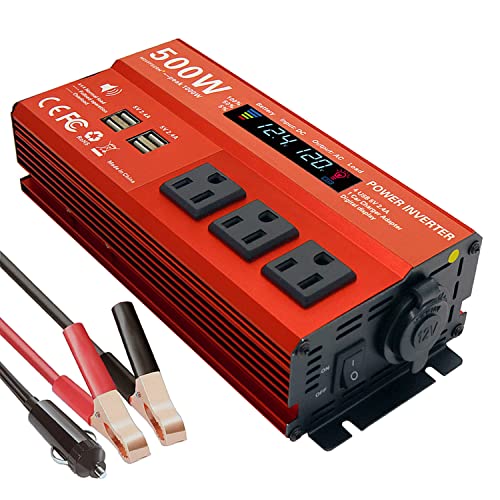
MOVFFGGRM 500W Peak 1000W Power Inverter

BELTTT 3000W Pure Sine Wave Inverter

vansoet 400W Car Power Inverter

SUMRY Hybrid Solar Inverter 4000W
More Details On Our Top Picks
For home backup, RV living, or a van setup that needs real output, this TOPBULL unit stands out because of the 3000W capacity and the included remote control. The LED display gives you a quick read on status, while the dual smart fans matter more than they sound, since heat management becomes a practical concern once you start running heavier loads.
The honest read is that this is more serious gear than a quick-carry travel inverter, and the cables included help simplify the install. You still need to match appliance demand carefully, so it suits you best when you already know the load you plan to run and have room for a larger setup.
Strong Points
- 3000W output gives you room for heavier household or RV loads.
- Remote control support makes placement easier in tucked-away installs.
- LED readout helps you monitor the unit without guessing.
- Dual smart fans are useful during longer sessions with higher draw.
- Cables in the box reduce the extra shopping that often slows setup.
Things To Consider
- It asks for a more deliberate installation than a small plug-in model.
- The larger footprint makes it less suited to cramped cabins.
- You still need to check appliance wattage before connecting anything.
Core Details
Who It Suits Best
You are the best match for this model if you need a heavy-duty inverter for a home backup corner, RV bay, or other semi-permanent setup.
Where A Sibling Pick Shines
Jackery Explorer 2000 v2 Portable Power Station suits you better when you want a more self-contained backup unit with built-in battery storage.
This is the pick that makes the most sense for outage prep, campsite power, or a small business setup that needs stored energy instead of only conversion. The 2042Wh battery capacity and 2200W AC output give you a lot of headroom, and the 100W USB-C PD port is handy for modern laptops and tablets that charge better over USB-C.
Compared with the TOPBULL inverter, this one is self-contained, so you are carrying a power station rather than wiring a conversion unit to an external battery system. The LiFePO4 battery type usually appeals to shoppers who want a longer service life and calmer day-to-day handling, though the trade-off is simple, it’s a larger, heavier piece of gear to store and move.
What We Like
- 2042Wh capacity supports longer runtimes for backup and travel.
- 2200W AC output handles many household essentials with room to spare.
- USB-C PD 100W suits newer laptops and fast-charging devices.
- LiFePO4 battery chemistry is a strong fit for long-term ownership.
- Silent charging mode helps in bedrooms, offices, and quiet campsites.
- Seamless switching can keep important gear running through an outage.
Worth Noting
- The larger battery size takes up more storage room than a compact inverter.
- It makes the most sense for you when you need built-in energy storage.
- Solar panel setup is separate, so expansion requires extra planning.
Feature Rundown
Who Should Grab It
You are the right fit for this power station if you want a self-contained backup option for outages, camping, or a mobile work corner.
A Better Fit Elsewhere
MOVFFGGRM 500W Peak 1000W Power Inverter suits you more if you only need a smaller vehicle unit for charging basics on the road.
Portable power gets a lot easier to live with once noise and size come down, and that’s where the PAD5000 makes sense. At 400W, it’s not chasing heavy appliances, but it fits the kind of on-the-go power many people actually need for charging tools, devices, or small electronics near a jobsite or campsite.
Because the battery and charger are not included, this works best for someone already in the EGO ecosystem. The honest trade-off is obvious: the package stays lighter and more focused, but you need the matching battery side of the setup before it can earn its keep.
Positives
- 400W output suits light-duty charging and smaller portable tasks.
- Quiet operation is helpful around camps, patios, and shared spaces.
- Portable form keeps it easier to move than larger backup units.
- Works well for short sessions where you do not need a big footprint.
Room For Improvement
- Battery and charger are separate purchases, which adds setup steps.
- It is not the right scale for appliances with higher startup demand.
- Storage is easy, but the full system depends on EGO-compatible gear.
At A Glance
Built With In Mind
You fit this pick best if you already use EGO batteries and want a quiet portable inverter for occasional travel or site use.
Skip It When
BELTTT 3000W Pure Sine Wave Inverter is the better match when your setup needs to support heavier home, RV, or off-grid loads.
Pure sine wave matters more than many shoppers expect, because it sends out a smoother AC signal that tends to suit sensitive electronics better than rougher alternatives. With dual AC outlets, a 20A socket, USB power, a hardwire port, and a remote controller, this BELTTT model looks built for a serious RV, solar, or truck install.
Compared with the TOPBULL unit, this one is a cleaner fit for systems where output quality and wiring options matter as much as raw wattage. The downside is the same one most hardwired gear brings, installation takes planning, and you need to be comfortable with a more permanent style of setup.
Highlights
- Pure sine wave output is well suited to sensitive electronics.
- 2000W capacity covers many RV and solar use cases.
- Hardwire port supports a more permanent power layout.
- Remote controller adds convenience in mounted installations.
- Dual AC outlets and a 20A socket give you useful flexibility.
Points To Note
- Hardwire-oriented gear asks for more setup work than plug-in units.
- The best fit is a planned install, not a quick carry-around solution.
- You may want a dedicated spot for mounting and cable management.
Spec Overview
Whose Shelf It Belongs On
You should reach for this one if you are building a solar, truck, or RV power setup that needs clean output and flexible wiring.
Where Another Pick Shines
vansoet 400W Car Power Inverter is the simpler fit for you when the goal is small-device charging in a daily driver rather than a fixed electrical system.
For daily driving, this is the kind of inverter that handles the simple jobs without asking for much attention. The 500W peak rating and 1000W model label suggest a modest setup for phones, tablets, small laptops, and other low-drain electronics, while the four USB ports make it useful for family trips where several devices need charging at once.
It feels more practical than ambitious, and that is part of the appeal. You give up the bigger headroom and more advanced wiring of the higher-capacity picks, but you also get a setup that stays easy to stash in a glove box or center console.
Bright Spots
- Four USB ports reduce the need for extra adapters on the road.
- Compact vehicle-friendly design is easy to keep in the car.
- The cigarette-lighter style port adds another way to connect gear.
- Works well for everyday charging tasks in a moving vehicle.
Minor Gripes
- It is not meant for larger appliances or demanding startup loads.
- USB-heavy use can crowd the outlet area in a busy cabin.
- It makes the most sense as a light-duty travel companion.
Details At A Glance
The Right Fit
You are the best match for this inverter if you want a straightforward car unit for phones, tablets, and light laptop use on the road.
Look Elsewhere When
Jackery Explorer 2000 v2 Portable Power Station suits you more when you need stored backup power for outages or longer off-grid stops.
This BELTTT unit pushes into the higher-capacity side of the category without giving up the pure sine wave output that many off-grid setups want. The dual AC outlets, 20A socket, USB port, hardwire port, and remote controller with a 23 ft cable all point toward a setup that’s meant to live in a truck, RV, or home backup corner.
Compared with the 2000W BELTTT model, this version gives you more headroom for larger loads and a little more flexibility in how you place the controller. The trade-off is installation complexity, since gear like this rewards careful mounting, cable routing, and a realistic view of the appliances you plan to run.
Reasons To Buy
- 3000W capacity gives you more room for bigger setups.
- Pure sine wave output suits sensitive electronics and appliances.
- 23 ft remote cable helps with placement in larger vehicles or rooms.
- Hardwire support is a good fit for semi-permanent installations.
- Dual AC outlets and a 20A socket add useful connection options.
Softer Spots
- The larger power tier usually needs a more careful install.
- It is less convenient than a small plug-in inverter for casual travel.
- Stored cabling and mounting space matter more with this class of unit.
Feature Card
Made For
You fit this model best if you want a more capable inverter for off-grid living, RV power, or a home backup setup with fixed wiring.
Swap It Out When
TOPBULL 3000 Watt Power Inverter is the easier choice when you want a remote-equipped unit but prefer the included accessory bundle.
For a road trip bag or a commuter car, this one keeps the focus on small-device convenience. The dual AC outlets, USB-C and USB-A style ports, and 30W PD support make it useful for laptops, phones, and tablets without taking over the cabin.
It sits in a nice middle ground between the tiny travel units and the more serious home-style inverters like the TOPBULL or BELTTT models. You may find that balance appealing if you want enough connectivity for a family drive, but not enough hardware to complicate storage or setup.
Standout Traits
- PD 30W support works well for newer devices on the move.
- Dual AC outlets give you room for two corded items.
- USB-C and USB-A style ports cover mixed charging needs.
- 400W output keeps it in a practical range for car use.
Small Caveats
- It is a travel helper, not a heavy appliance power source.
- Cabin organization matters once you start using several ports.
- Best results come from matching it to lighter electronics.
Key Specs
Perfect Match For
You are the best fit for this inverter if you want a compact road-trip charger with a mix of AC and USB connections.
Another Choice May Suit
MOVFFGGRM 500W Peak 1000W Power Inverter fits better when you want a simpler, more budget-minded vehicle unit with a larger USB count.
This SUMRY unit sits in the more advanced part of the list, where solar control and inverter output are part of the same conversation. The 4000W rating, DC24V input, pure sine wave output, glass top cover, LCD display, and 140A MPPT charge controller all point to a system meant for people building a larger off-grid setup rather than just charging a phone in the car.
The hybrid design is the big distinction here, because you are getting a power-management center rather than a simple inverter. That makes it a stronger fit for a cabin, workshop, or backup system, although the setup is more involved and rewards someone who already has a clear battery plan.
Best Bits
- 4000W capacity supports larger off-grid and backup builds.
- Pure sine wave output is a solid match for sensitive gear.
- 140A MPPT charge controller adds solar charging management.
- LCD display makes system status easier to check at a glance.
- Battery-less support broadens the way you can plan the system.
Areas To Watch
- This is a planning-heavy product, not a casual plug-in unit.
- DC24V input limits it to the right style of battery bank.
- It makes the most sense once your solar layout is already mapped out.
Technical Sheet
Who Will Love This
You are the right fit for this inverter if you are putting together a larger solar-based power system and want a central control point.
Reach For A Different Pick When
Jackery Explorer 2000 v2 Portable Power Station suits you better when you want a simpler backup setup with built-in battery storage.
How To Choose The Right Power Inverters
Start With The Load, Not The Label
Wattage is the first number that deserves your attention, because it tells you how much power the inverter can supply to connected gear. A 400W travel unit fits phone charging and light electronics, while a 3000W model belongs in a setup that may run kitchen gear, RV appliances, or backup essentials. The useful habit is to match the inverter to the appliance list you already own, then leave headroom for startup surges.
Surge power matters because motors, compressors, and some tools draw more at startup than during steady use. That’s why a 1000W peak unit and a 4000W peak-capable system solve different problems even when the everyday number looks similar. The mismatch is where frustration usually starts, and it’s also where a little planning saves you from an oversized or undersized choice.
Pure Sine Wave Versus Simpler Output
Pure sine wave means the inverter produces AC power that more closely resembles household current. You see that matter most with sensitive electronics, certain appliances, and any setup where you want steadier behavior from the start. It usually costs more than simpler designs, but that cost buys broader compatibility and fewer surprises with picky gear.
Simpler inverters can still make sense for phones, tablets, and lighter travel use. The trade-off is compatibility, since some devices prefer the smoother output of a pure sine wave unit. For an RV, solar rig, or home backup corner, the cleaner waveform is often the safer long-term fit.
Think About Ports, Placement, And Storage
Outlets and charging ports shape daily convenience more than many shoppers expect. Dual AC outlets help when you need two plugs at once, USB-C PD is useful for modern laptops and tablets, and hardwire ports belong in fixed installations where the inverter stays put. A remote control is especially handy once the unit lives under a seat, in a cabinet, or inside an equipment bay.
Placement matters too, because larger inverters need airflow and room for cable routing. A portable car inverter slips into a glove box, but a 3000W or 4000W unit asks for mounting space, ventilation, and a more careful install. The best choice is the one that fits your space as neatly as it fits your power needs.
Match The Unit To Your Use Case
Daily commuters and road-trippers usually do well with compact 400W to 500W options. RV owners, off-grid cabin setups, and backup-focused shoppers usually benefit from higher-capacity models with hardwire support, remote control, or built-in battery storage. That difference is less about brand and more about how you plan to live with the unit day to day.
For quick charging in a car, simplicity wins. For storm prep or a solar layout, expandability matters more. Once you sort the use case, the right category starts to stand out on its own.
A Quick Reality Check Before You Choose
Mistakes Worth Dodging
Many shoppers start with watts and stop there, which leaves them short on the details that shape real use. You want to check output type, port mix, and whether the unit is a plug-in travel piece or a hardwired system. That saves you from ending up with an inverter that looks suitable on paper but fits poorly in the space you actually have.
Another common miss is ignoring the battery side of the setup. A portable power station includes stored energy, while a standard inverter still needs an external source to do its job. Those are different tools, and the right one depends on whether you want conversion only or a complete power supply.
The Upgrade Payoff
Higher-tier models usually cost more because of cleaner output, larger capacity, better cooling, longer cables, and more flexible wiring options. You also pay for convenience features such as remote control, LCD readouts, or integrated charge management in hybrid solar units. Those extras matter most in setups that stay in use for long stretches or need to support more than one device type.
Spending up makes sense once the inverter becomes part of your daily routine, not just an occasional backup tool. RV travelers, off-grid households, and anyone powering sensitive electronics tend to benefit from the better-built tier. For a glove-box charger, the extra money usually buys more than you need.
Frequently Asked Questions
What size power inverter do you need for a laptop?
A small 400W to 500W model usually covers laptop charging with room to spare. You still want to check the charger label, especially for high-output gaming or workstation systems.
Is pure sine wave worth paying for?
It often is for sensitive electronics, RV gear, and more permanent setups. The smoother output tends to fit a broader range of devices than simpler inverter styles.
Can a power inverter run appliances in a house?
It can support selected appliances during backup use, as long as the inverter size and battery source match the load. Large appliances and startup surges are the main things to check first.
What is the difference between a power inverter and a power station?
A standard inverter changes DC to AC, but it still needs an external power source. A power station includes built-in battery storage, so it works more like a self-contained energy unit.
Do you need hardwire support for RV use?
Not always, but it helps in more permanent RV or off-grid installs. Plug-in models suit lighter travel use, while hardwire setups are better for dedicated systems.
Closing Thoughts
The best power inverter for you is the one that fits your power draw, your space, and how often you plan to use it. Small vehicle units keep life easy on the road, while larger pure sine wave models make more sense for RVs, backup rooms, and off-grid systems. Once you match the inverter to the job, the rest gets much simpler. Choose the setup that feels right for the way you live, not the one with the biggest number on the box.
