

Power needs shift fast once you leave a wall outlet behind. You may be wiring an RV, packing a road trip kit, or building a backup setup for a cabin, and the right inverter keeps those plans calmer and cleaner. The tricky part is matching capacity, outlet types, and waveform quality to the devices you actually use.
This roundup focuses on portable power choices with different strengths, from compact car units to larger home and off-grid options. You get a clear path to the one that fits your space, your gear, and your tolerance for setup fuss.
Quick Look At The Shortlist

TOPBULL 3000 Watt Power Inverter

Giandel Pure Sine Wave 1200 Watt Inverter

Westinghouse 12000 Peak Watt Dual Fuel Inverter Generator

BELTTT 2000W Pure Sine Wave Inverter
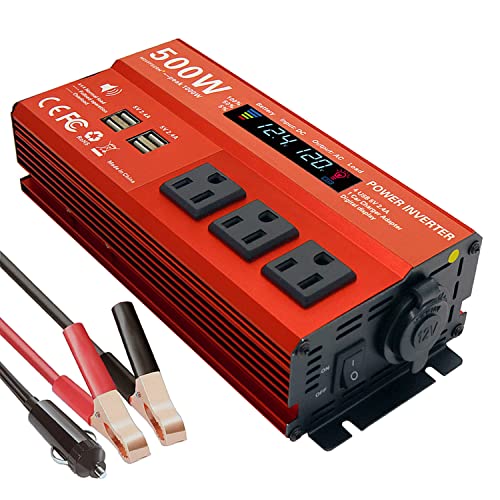
MOVFFGGRM 500W Peak 1000W Vehicle Inverter

AIVOLT 1600W Super Quiet Inverter Generator 28lbs

BELTTT 3000W Pure Sine Wave Inverter 23Ft Cable

vansoet 400W Car Power Inverter
TOPBULL leans into high output, which makes sense for a home backup corner or an RV that needs more than phone charging. The dual AC outlets, USB port, LED display, remote control, and included cables point to a setup that feels more complete than a bare-bones car inverter.
The trade-off is straightforward, a unit like this asks for careful attention to appliance wattage and installation details. That’s normal for this class, and it suits someone who wants a stronger power bridge rather than a tiny travel accessory.
Strong Points
- 3000 watts gives you room for larger loads.
- Dual AC outlets let you run more than one device.
- The USB port handles smaller gear without extra adapters.
- Remote control support is handy in tighter installs.
- Dual fans help the unit stay more composed under strain.
Points To Note
- High-capacity setups need more planning around load limits.
- The included installation pieces still ask for careful wiring.
- For small errands, this is more inverter than you need.
Feature Snapshot
Who It Suits Best
RV owners, home backup planners, and anyone with larger 12V-to-AC needs will get the most value here.
A Better Fit Elsewhere
MOVFFGGRM 500W Peak 1000W Vehicle Inverter fits commuting drivers who only need a simpler plug-in setup.
Pure sine wave output is the detail that gives this Giandel unit its appeal, because many sensitive electronics behave better on cleaner power. The wired remote, USB-C PD 30W, QC 3.0 fast charging, lithium battery compatibility, and UL fuses make it feel tuned for a careful RV or solar setup.
Compared with the TOPBULL pick, this one feels less about brute force and more about steadier output quality. You may find that trade-off worthwhile for laptops, chargers, and mixed household electronics that need a calmer power supply.
What We Like
- Pure sine wave output suits delicate electronics better.
- USB-C PD 30W adds useful modern charging speed.
- QC 3.0 support helps compatible devices charge efficiently.
- The wired remote is practical in an RV or cabinet install.
Minor Gripes
- Midrange output means you still need to watch load size.
- The focus on clean power leaves less room for very heavy gear.
- Cabinets and vehicle bays may need tidy cable routing.
Core Details
Who Should Grab It
RV users, solar hobbyists, and anyone powering laptops or mixed electronics will appreciate the cleaner output.
Where A Sibling Pick Shines
TOPBULL 3000 Watt Power Inverter is the better call for stronger household loads and a more aggressive power budget.
This Westinghouse unit sits in a different lane from the smaller vehicle inverters, because it’s built for much larger backup jobs. Dual fuel support, remote electric start, transfer switch readiness, low total harmonic distortion, parallel capability, and a carbon monoxide sensor create a serious home or jobsite power option.
The honest read is that this type of generator suits people who need broad coverage rather than a quick plug-in fix. For extended outages or larger properties, the extra size and capability make more sense than a compact inverter tucked in the glove box.
Best Bits
- Dual fuel setup gives you more fueling flexibility.
- Remote electric start reduces startup hassle.
- Transfer switch readiness helps with backup planning.
- Low THD is a useful detail for electronics.
- Parallel capability gives you room to expand later.
Room For Improvement
- It takes more storage space than the smaller inverter choices.
- Setup is better suited to planned backup use than casual errands.
- Maintenance and fuel management matter more here than on a car unit.
Technical Sheet
Built With In Mind
Home backup planners and property owners who want a larger, more flexible power source will get the most from it.
Look Elsewhere When
Giandel Pure Sine Wave 1200 Watt Inverter suits smaller RV systems and electronics that need a more compact footprint.
BELTTT lands in the sweet spot for many solar and RV builds, because it pairs pure sine wave output with a dual AC layout and both a 20A socket and a USB port. The hardwire port and remote controller make it a better fit for installed setups than for tossing in a trunk and forgetting about it.
Compared with the Westinghouse generator, this is the quieter, more fixed-in-place choice for a power system already built around batteries. One thing worth considering, its feature mix makes sense for organized installs, not casual unplug-and-go use.
Highlights
- Pure sine wave output suits a wide range of electronics.
- Dual AC outlets and a 20A socket give you flexibility.
- USB charging helps cover smaller everyday devices.
- Hardwire support works well in more permanent installs.
Areas To Watch
- It asks for more planning than a simple car inverter.
- Hardwire-focused use means installation may take patience.
- The best fit is a system with room for mounted hardware.
Feature Card
Right Fit For
Solar owners, truck setups, and RV users with a semi-permanent power layout will get the strongest match here.
Another Choice May Suit
vansoet 400W Car Power Inverter fits lighter travel use and keeps the setup much simpler.
For daily driving, this MOVFFGGRM unit is the kind of pick that keeps things practical rather than flashy. You get four USB ports, a cigarette lighter port, and dual AC outlets, so a family road trip or long commute can cover phones, tablets, and a laptop without a pile of adapters.
Compared with BELTTT’s more installation-minded layout, this one feels more like a straightforward vehicle companion. The small catch is that its power ceiling is sensible, not expansive, so it works best for modest charging needs rather than hungry appliances.
Upsides
- Four USB ports make device charging easy in a car.
- Dual AC outlets handle everyday plugs without fuss.
- The cigarette lighter port adds another useful connection point.
- Good fit for commuters who carry multiple small gadgets.
Softer Spots
- Modest output is better for charging than for heavy tools.
- All those ports help convenience, but cable management still matters.
- For a home backup role, you would want more capacity.
Details At A Glance
Whose Shelf It Belongs On
Commuters, road trippers, and families who need easy in-car charging will appreciate this setup.
Reach For A Different Pick When
TOPBULL 3000 Watt Power Inverter suits heavier equipment and larger home or RV needs.
AIVOLT is the outlier in this list, because it’s a portable inverter generator rather than a battery-side inverter. That gives you gas-powered flexibility for campsites, tailgates, and backup power where portability matters more than a fixed install.
Its 28-pound body, 57 dBA noise figure, CO auto-shutoff, ECO mode, and pure sine wave output make it easier to place near everyday outdoor activity than many larger generators. For most backyards, the lighter weight and quieter operation are the real selling points.
Bright Spots
- Light weight makes it easier to move around camp or home.
- Quiet operation helps it fit into more social outdoor spaces.
- Pure sine wave output is friendlier to electronics.
- ECO mode can support more efficient everyday use.
- CO auto-shutoff adds a useful protective feature.
Small Caveats
- Gas units require fuel handling and periodic maintenance.
- It takes more storage planning than a compact car inverter.
- Noise is controlled, not silent, so campsite placement still matters.
Core Details
Perfect Match For
Campers, tailgaters, and homeowners who want a movable gas-powered backup option will feel at home here.
Skip It When
vansoet 400W Car Power Inverter is the cleaner fit for glove-box portability and short road trips.
This BELTTT model pushes farther into off-grid territory than the 2000W version above, which matters once your battery bank and appliance list grow. Dual AC outlets, a 20A socket, USB power, a hardwire port, and a 23-foot remote cable give you real placement freedom in a truck, RV, or home setup.
The extra cable length is the standout detail here, because it lets the control point live farther from the inverter body. That’s useful in a garage, utility room, or mobile rig, though the larger footprint still asks for a more deliberate install than a plug-in travel unit.
Reasons To Buy
- 3000W capacity gives you more room for larger loads.
- The 23-foot remote cable helps with flexible placement.
- Hardwire support fits more permanent power layouts.
- Dual AC outlets and a 20A socket widen compatibility.
- Pure sine wave output supports a broad gear mix.
Worth Noting
- The stronger output comes with a more committed install process.
- It is less handy for casual car-use charging.
- Space planning matters, especially in tight compartments.
Spec Overview
The Right Fit
Off-grid homes, RV rigs, and truck setups with a more serious power plan are the best match here.
Swap It Out When
BELTTT 2000W Pure Sine Wave Inverter is easier to live with in smaller systems and lighter installs.
vansoet keeps the footprint small, which is exactly what many drivers want from a travel inverter. With PD 30W, USB-C and USB-A/C ports, and dual AC outlets, it covers a laptop, phone, and a couple of accessories without taking over the console.
Compared with MOVFFGGRM’s broader port count, this one feels more compact and easier to stash between trips. That makes it a sensible option for road trips, camping, and occasional passenger-seat charging, though the lighter output means it belongs in the “portable helper” camp rather than the heavy-load camp.
Best Bits
- Compact body is easy to store in a car.
- PD 30W gives compatible devices a faster charge path.
- USB-C and USB-A/C ports add useful flexibility.
- Dual AC outlets cover basic plug-in gear.
Honest Caveats
- Small size means it suits lighter loads more than larger appliances.
- Console and glove-box storage can crowd the cable ends.
- It is best thought of as a travel helper, not a backup source.
At A Glance
Who Will Love This
Drivers who want a compact charging companion for commutes, road trips, and camping weekends will get the most from it.
Where Shoppers Go Wrong
AIVOLT 1600W Super Quiet Inverter Generator 28lbs fits people who need outdoor power with gas-powered flexibility.
How To Choose The Right Inverters
Start With The Power Load
Your first job is matching the inverter to the devices you plan to run. A laptop and phone charger ask for very different headroom than a microwave, power tool, or large appliance, and too little capacity turns a useful setup into a frustrating one.
Peak output matters for startup surges, while continuous output matters for everyday use. That distinction is easy to miss, yet it’s the difference between a unit that handles brief spikes and one that can stay useful during a longer session.
Match Waveform To The Gear
Pure sine wave means the inverter delivers a smoother AC signal that tends to suit sensitive electronics better. You usually see that on higher-end RV, solar, and backup picks, and it’s a solid match for laptops, chargers, and some medical-style electronics that need calm power behavior.
Modified or unspecified output can still work for simpler gear, but the trade-off shows up with picky devices. For mixed household use, the cleaner waveform often feels worth it, especially beside the stronger TOPBULL and BELTTT units in this roundup.
Think About Installation And Port Layout
Vehicle inverters reward simple access, while hardwire units and larger generators ask for a more deliberate setup. Remote cables, dual outlets, USB ports, and AC socket styles all change how tidy the finished setup feels in a car, RV, or utility space.
Short cable runs suit portable use, but longer remotes and hardwire ports make sense in fixed locations. The right choice depends less on style and more on whether you want plug-in convenience or a more permanent power station.
Choose The Right Size For Your Routine
Compact inverters fit road trips, phones, and small electronics without eating storage space. Midrange and high-output options are better for RV living, off-grid systems, or backup power, where the gear list grows and so does the need for steady output.
Maintenance matters too, especially with gas-powered inverter generators, which need fuel care and storage attention. A smaller battery-side inverter asks for less day-to-day fuss, which is why many commuters and occasional travelers are happier staying compact.
Things Worth Knowing First
Wrong Turns To Avoid
Many people choose by output alone and forget about waveform, outlet style, or mounting needs. That mistake usually shows up after the box is open and the cord ends, plug shapes, or load limits don’t fit the actual devices.
Another common miss is buying far more capacity than the routine needs. A huge unit can be useful, but it also brings more size, more setup work, and more storage hassle than a smaller travel-focused pick.
The Upgrade Payoff
Higher-tier models usually cost more because they give you cleaner output, stronger capacity, and better control over how the system is placed. Remote start, hardwire support, longer cables, and dual-fuel operation also add cost because they solve more real-world problems.
The upgrade makes sense when you power multiple devices, run electronics that prefer smoother AC, or need backup support for a home, RV, or off-grid space. For light charging in a car, the extra expense can be overkill, so the simpler route stays sensible.
Frequently Asked Questions
What does pure sine wave mean?
Pure sine wave describes a smoother type of AC output that tends to suit sensitive electronics. You usually want it for laptops, chargers, and more delicate gear.
How much inverter power do you need for a laptop?
Most laptops do fine on a smaller inverter with enough headroom for charging. A compact unit with USB-C or AC output is usually plenty for that job.
Is a car inverter the same as a generator?
No, a car inverter converts DC power from a vehicle or battery into AC power. A generator makes its own electricity and is built for larger backup or outdoor power needs.
Why do some inverters have a remote controller?
A remote controller lets you manage the unit without reaching the inverter body itself. That helps in RV cabinets, trucks, or mounted setups.
What is the biggest mistake people make with inverters?
Choosing the wrong output size is the most common slip. That’s followed closely by ignoring the power needs of the devices already on hand.
Final Thoughts
The right inverter makes your setup feel calmer, cleaner, and easier to live with. A compact car unit suits commutes and road trips, while a pure sine wave model fits sensitive electronics, and a larger generator belongs in serious backup planning. You do not need the biggest option, you need the one that matches your load, your space, and your routine. Pick the size that keeps your devices running without making the rest of your setup awkward.
