

Choosing a 12 volts to 120v inverter comes down to how much power you need, how often you travel, and what you plan to run. A light-duty car setup, a work van, and an off-grid RV all ask for different things, even though they share the same core job. The right pick keeps laptops, small appliances, or site gear running without turning your vehicle into a tangle of adapters.
Below, you’ll see compact options for trips and commuting, heavier units for RV or solar use, and one converter that works in the opposite direction for fixed power setups. Each model makes sense in a different situation, so the value comes from matching the output, ports, and mounting style to your routine. That’s where the right choice starts to feel simple.
Quick Look At Our Top Picks

BELTTT 2000W Pure Sine Wave Inverter
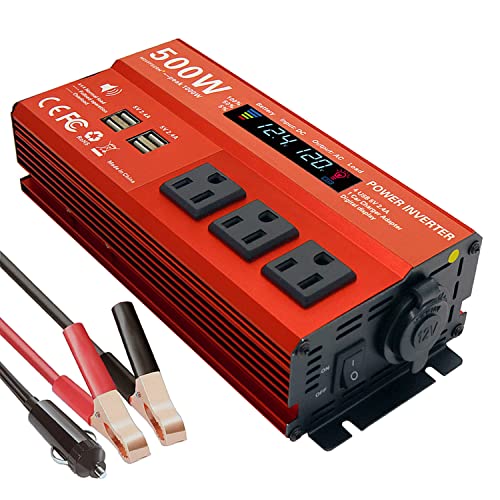
MOVFFGGRM 500W Peak 1000W Vehicle Power Inverter

EAGWELL 110V AC to 12V DC Converter 600W

BELTTT 3000W Pure Sine Wave Inverter

vansoet 400W Car Power Inverter
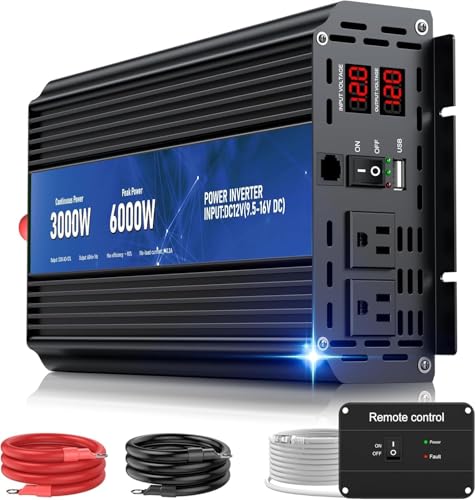
HONOURLIGHT 3000W Power Inverter 12V DC to 120V AC

Pro Chaser 400W Vehicle Power Inverter
More Details On Our Top Picks
BELTTT’s 2000W unit suits you when a vehicle or cabin needs steady AC power without stepping into the biggest box on the list. Pure sine wave output means the power shape is smoother, which matters for gear that prefers cleaner input, and the hardwire port gives you a more permanent install than a simple plug-in setup. The dual AC outlets, 20A socket, USB port, and remote controller make it feel more like a small power hub than a single-purpose inverter.
The trade-off is size and complexity, since this kind of setup asks for more planning than the smaller car models below. In an RV, truck, or solar build, that extra effort can pay off quickly, especially for longer runs and mixed device charging. It’s a strong fit for serious mobile use, though it’s more machine than casual road-trip gadget.
Highlights
- 2000W output gives you room for larger loads than the compact 400W units.
- Pure sine wave power suits electronics that prefer a smoother AC signal.
- Dual AC outlets help you run two items at once without extra splitters.
- USB and 20A socket support everyday accessories alongside larger gear.
- Hardwire support makes it easier to plan a more permanent installation.
Things To Consider
- It takes more setup space than the travel-focused models in this roundup.
- The remote and hardwire options are useful, but they also add install planning.
- Owners in tight compartments may need to think carefully about ventilation and cable routing.
Feature Snapshot
Who It Suits Best
You’ll get the most from this model in an RV, work truck, or off-grid setup where multiple devices need steady power.
A Better Fit Elsewhere
The Pro Chaser B0DK2W68YJ suits commuters who mainly need USB-C charging and lighter AC use in a smaller package.
This one makes sense for the glove-box crowd, where the goal is to keep phones, tablets, and small accessories charged without a bulky setup. Four USB ports plus a cigarette-lighter port give you a lot of everyday flexibility in a very simple format. Compared with BELTTT’s larger inverter, it’s much easier to stow and far less demanding on vehicle space.
The honest read is that 500W peak power points this toward lighter jobs, not heavy appliances. For commuting, family errands, or a long highway day, that’s usually enough and often easier to live with than a bigger unit that sits unused. You may find the straightforward layout more useful than raw output.
What We Like
- Four USB ports make it easy to charge several small devices together.
- The cigarette-lighter style port adds one more option for road use.
- Compact size keeps it simple to store in a car, van, or travel bag.
- Its lighter power class suits phone, tablet, and accessory charging well.
Room For Improvement
- It sits in a smaller power class than the 2000W and 3000W picks.
- Heavy-duty appliances are outside the use case this unit is built for.
- With several ports on a compact body, cable management can get busy.
Details At A Glance
Who Will Love This
You’ll appreciate this most as a daily-driver companion for small electronics and family road trips.
Where A Sibling Pick Shines
The vansoet B0F7HHMR8B is a better fit for travelers who want PD charging and dual AC outlets in a similar size class.
This EAGWELL unit runs in the opposite direction from the vehicle inverters, turning household AC into 12V DC for gear that wants a steady low-voltage supply. That matters in a workshop, for LED strips, CCTV, pumps, car stereos, or a diesel heater, where you care more about reliable conversion than travel convenience. The 600W rating and 50A label signal a more fixed-use tool than a road-trip accessory.
Compared with the inverter-style picks above, it’s for a different kind of setup altogether, and that’s the point. It can be a cleaner answer than improvising with the wrong adapter, especially on a bench or in a home install. You’ll want to plan wiring carefully, because this is the sort of gear that works best when it has a defined place.
Positives
- AC to DC conversion fits equipment that needs 12V rather than 120V.
- 600W capacity gives you a fair amount of room for fixed installations.
- It matches well with workshop gear, lighting runs, and similar low-voltage loads.
- The universal SMPS design suits a broad mix of conversion jobs.
Softer Spots
- This is a dedicated converter, so it serves a different role than the vehicle inverters.
- You’ll want to think through mounting and wiring before placing it in service.
- It makes the most sense in a permanent or semi-permanent setup.
Core Details
Built With In Mind
You’ll get the best fit from this converter in a bench, home, or workshop setup that needs stable 12V DC power.
Not Your Match When
BELTTT B0DCJPTVMW is the better choice for anyone who needs AC output from a vehicle or off-grid battery bank.
The 3000W BELTTT is the step up for bigger vans, RVs, and off-grid systems that need more headroom than the 2000W version. You get the same clean pure sine wave approach, but with enough output to better handle larger startup loads and busier power demands. The 23-foot remote cable gives you useful reach, which can matter a lot in a large cabin or equipment bay.
Compared with the 2000W BELTTT, this one is the stronger match for a more demanding setup, though it also asks for a more serious install. For long-term mobile power or a home backup plan, that extra capacity can feel like breathing room instead of excess. The catch is that you should size the rest of the system around it, not around wishful thinking.
Best Bits
- 3000W output gives you more margin for larger appliances and startup loads.
- Pure sine wave power suits sensitive gear and mixed-use setups.
- Dual AC outlets, USB, and a 20A socket support several device types.
- The remote controller with a long cable helps in bigger spaces.
- Hardwire support makes a fixed installation more practical.
Areas To Watch
- This is a larger, more involved setup than the travel-focused models.
- The higher output makes ventilation and cable planning more important.
- It makes the most sense for users who truly need the extra capacity.
Spec Overview
Right Fit For
You’ll like this best in a large RV, a truck build, or an off-grid home system that needs serious capacity.
Consider Something Else When
The Pro Chaser B0DK2W68YJ is the simpler choice for compact travel power and everyday charging.
vansoet’s 400W unit is built for people who want more charging flexibility than a basic plug-in inverter usually gives. The mix of PD USB-C, USB-A, USB-A/C, and dual AC outlets makes it easy to cover phones, tablets, and a laptop without a pile of separate adapters. For road trips or camping weekends, that can simplify life fast.
It sits between the smaller MOVFFGGRM model and the more specialized Pro Chaser unit, so its appeal is balance rather than raw muscle. One thing worth considering is that the port layout is generous enough to tempt overloading the setup with too many gadgets at once. As long as you keep the workload sensible, it should feel straightforward in a moving vehicle.
Strong Points
- Dual AC outlets give you room for two household-style devices.
- USB-C PD and USB-A support make phone and laptop charging easier.
- The 400W class suits common travel electronics without feeling oversized.
- It offers more charging variety than the simpler 500W peak unit above.
Points To Note
- The number of ports can encourage clutter if cables are left unmanaged.
- It’s still a travel inverter, so it’s not meant for heavier home-style loads.
- Battery drain management matters more on longer stops with the engine off.
Feature Card
The Right Fit
You’ll get the most out of this model for camping, travel, and everyday vehicle charging.
Where Shoppers Go Wrong
BELTTT B0DCJL6P5Y is the better match for anyone who needs much higher output and a fixed-style install.
HONOURLIGHT leans into control and visibility, which is handy when your inverter lives in a truck, RV, or backup-power setup. The LCD display gives you a quick read on what’s happening, and the remote control lets you manage the unit without reaching into a cramped compartment. Compared with the BELTTT 3000W model, this one feels especially suited to users who like a clearer status check on the system.
The 6000W peak figure adds startup headroom, while the dual AC outlets and 3.4A USB port keep the layout practical. That said, the best fit is still a planned installation, not a casual plug-and-forget gadget. You may find the extra monitoring reassuring during longer outages or overnight off-grid use.
Upsides
- LCD display makes it easier to check system status at a glance.
- Remote control adds convenience in larger vehicles or tight installs.
- Dual AC outlets cover more than one appliance at a time.
- 6000W peak rating helps with short startup demands.
- The 3.4A USB port adds a useful charging option.
Worth Noting
- The display and remote help a lot, but they also make the setup feel more involved.
- It makes most sense where the inverter can be mounted securely and cooled well.
- Users who want a tiny travel unit will probably prefer a smaller model.
Technical Sheet
Whose Shelf It Belongs On
You’ll suit this model best if you want a high-output inverter with clear monitoring in a vehicle or backup-power setup.
A Better Fit Elsewhere
MOVFFGGRM B09YNBNP1J is the simpler choice for basic commuter charging and lighter loads.
Pro Chaser gives you the kind of compact travel inverter that fits neatly into a car routine without feeling bare-bones. The 65W USB-C port stands out here, because that level of power suits many modern laptops and faster device charging better than the lower-output USB ports on simpler units. Dual AC outlets keep the setup versatile for an air compressor or other mobile gear.
Compared with the vansoet unit, this one leans harder into high-output USB-C while still keeping the AC side useful. The 400W continuous rating makes it a practical middle ground for travel, work errands, and day-to-day charging. The catch is the same one most compact inverters share, it’s best treated as a mobile power helper, not a heavy appliance source.
Reasons To Buy
- 65W USB-C output is especially helpful for capable laptops and tablets.
- Dual AC outlets expand the range of devices you can plug in.
- 400W continuous power suits commuting and travel use well.
- USB-A QC 18W adds another handy fast-charging option.
- The compact format keeps it easy to store in a car.
Minor Gripes
- Its strengths are concentrated on charging, not on bigger household loads.
- Like other vehicle inverters, it works best when your cable setup stays tidy.
- Drivers wanting very high AC output should step up to a larger model.
Feature Rundown
Perfect Match For
You’ll get the most value from this inverter for commuting, work travel, and laptop charging on the road.
Swap It Out When
BELTTT B0DCJPTVMW suits you better if your setup needs much higher output and hardwire support.
How To Choose The Right 12 Volts To 120v Inverter
Match Output To The Load
The first question is simple: what are you trying to power? Phone chargers and small laptops sit comfortably in the 400W class, while RV appliances, pumps, or larger gear push you toward 2000W or 3000W models. Surge rating matters too, because some devices draw extra power at startup, then settle down once they’re running.
Pure sine wave output matters most for sensitive electronics and mixed household-style loads. Modified-wave units can work for lighter jobs, but the cleaner signal tends to be the safer long-term fit for more expensive gear. For most setups, that difference shows up in smooth operation rather than flashy numbers.
Think About Ports And Placement
USB-C PD, standard USB, dual AC outlets, a 20A socket, and hardwire terminals all solve different problems. A commuter may only need a couple of charging ports, while an RV owner usually wants outlets plus a remote controller and a more permanent mount. The best layout is the one that reduces clutter in your actual space.
Mounting style matters as much as raw wattage. A plug-in inverter stays portable, but a hardwired model usually suits heavier installations and longer use. In a cramped cab, short cables and a tidy footprint can matter more than an extra feature you never touch.
Size The Unit For Your Routine
A weekend traveler, van dweller, and home backup user all stress an inverter in different ways. Short trips favor compact models with simple charging, while off-grid or work-truck setups benefit from stronger output, remote control, and better access to status information. The right match feels almost boring once it’s in place, and that’s a good sign.
Also think about storage and maintenance. Larger units need more room, better cable routing, and a little more attention to airflow, while smaller ones are easier to pack away and move between vehicles. That trade-off is usually where the purchase decision settles.
A Quick Reality Check
Mistakes Worth Dodging
The easiest mistake is sizing too small, then expecting a compact inverter to run gear it was never built for. Another common slip is ignoring port mix and buying a unit with plenty of AC outlets but no USB-C, or the other way around. A close read of the ports saves you from living with the wrong setup.
Ventilation gets overlooked too. Bigger inverters usually want more breathing room, especially in a truck bed, RV cabinet, or garage shelf.
The Upgrade Payoff
Higher-tier models usually cost more because they bring cleaner power, more output headroom, better monitoring, and more flexible installation options. You’re paying for less strain on the system, not just more numbers on a box. That matters most for long-haul RV use, mobile work, and off-grid setups that run for hours.
The upgrade makes sense when your gear is sensitive, your load is constant, or your install needs to feel permanent. For occasional charging, the simpler units are easier to live with and easier to store.
Frequently Asked Questions
What size inverter suits a car trip?
For phones, tablets, and a laptop, 400W usually covers the basics well. Bigger appliances call for a much larger unit and a more careful install.
Is pure sine wave worth the extra attention?
It often makes the most sense for sensitive electronics and mixed device setups. For simple charging, a basic inverter can still be enough.
Can you run an inverter with the engine off?
You can, but battery drain becomes the issue very quickly. Short stops are one thing, overnight use is another.
Why do some models list peak power and continuous power?
Continuous power is the steady output the inverter can support. Peak power covers brief startup demands from certain devices.
Do you need hardwire support?
Hardwire support helps more on larger, semi-permanent setups. A plug-in model is easier for light travel and occasional use.
Final Verdict
The right 12 volts to 120v inverter depends less on brand name and more on how you live with it. For a car, a small travel unit keeps things easy; for an RV or off-grid setup, a bigger pure sine wave model pays off in flexibility and breathing room. The converter-style EAGWELL serves a totally different purpose, but it earns a place here because some setups need AC to 12V DC instead. Match the output, ports, and install style to your day-to-day routine, and the choice gets much easier.
